

Research
- +11
Frances Z. Brown, Nate Reynolds, Priyal Singh, …
{
  "authors": [
    "Frederic Wehrey"
  ],
  "type": "legacyinthemedia",
  "centerAffiliationAll": "dc",
  "centers": [
    "Carnegie Endowment for International Peace",
    "Malcolm H. Kerr Carnegie Middle East Center"
  ],
  "collections": [],
  "englishNewsletterAll": "menaTransitions",
  "nonEnglishNewsletterAll": "",
  "primaryCenter": "Carnegie Endowment for International Peace",
  "programAffiliation": "MEP",
  "programs": [
    "Middle East"
  ],
  "projects": [],
  "regions": [
    "North Africa",
    "Libya",
    "Maghreb"
  ],
  "topics": [
    "Political Reform",
    "Security",
    "Military"
  ]
}
Source: Getty
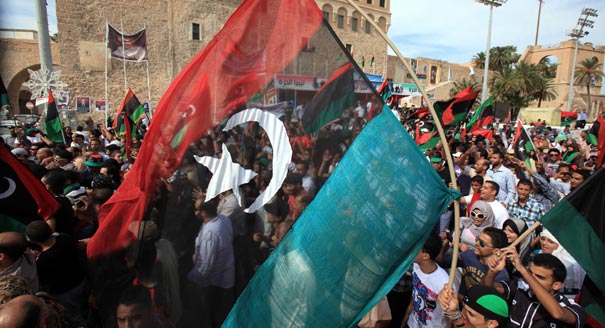
Grievances against Libya’s Zeidan government by the militias are not ideological but rather reflect the government’s inability to deliver services, its lack of transparency, and the way Zeidan governs.
Source: BBC World News America
Speaking on BBC World News America, Carnegie’s Frederic Wehrey discussed recent developments in Libya, including the abduction of the Prime Minister Ali Zeidan and the U.S. raid to capture senior al-Qaeda suspect Anas al-Liby. While there has been a real deterioration in security over the past nine months, Wehrey noted, the situation hasn’t turned into an all-out civil war. After the revolution, the army and police collapsed, allowing militias to have free reign since there was no institutional basis for force in the country. But even so, Wehrey said, “I think there is a sense of unity among Libyans that often gets overlooked and that’s why we haven’t seen the place collapse into something like Somalia or Bosnia yet.”
Although many of the Islamist groups in eastern Libya perhaps share the same world view with al-Qaeda, they are not organizationally linked, Wehrey argued, contending that Libya’s situation should not be read as part of a broader al-Qaeda expansion in North Africa. These Islamist groups in the east have their own local motives that are separate from al-Qaeda’s vision, Wehrey explained. Turning to the abduction of the Prime Minister, Wehrey noted that while the American raid may have been the catalyst, many of the militias are not Islamists and their grievances against the Zeidan government are not ideological but about reflect the inability of the government to deliver services, its lack of transparency, and the way Zeidan governs.
This interview was originally aired on BBC World News America.

Senior Fellow, Middle East Program
Frederic Wehrey is a senior fellow in the Middle East Program at the Carnegie Endowment for International Peace, where his research focuses on governance, conflict, and security in Libya, North Africa, and the Persian Gulf.
Recent Work


Frances Z. Brown, Nate Reynolds, Priyal Singh, …
Charles H. Johnson, Frederic Wehrey
Carnegie India does not take institutional positions on public policy issues; the views represented herein are those of the author(s) and do not necessarily reflect the views of Carnegie, its staff, or its trustees.

This piece examines India’s response to U.S. sanctions and tariffs, specifically assessing the immediate market consequences, such as alterations in import costs, and the broader strategic implications for India’s energy security and foreign policy orientation.
Vrinda Sahai
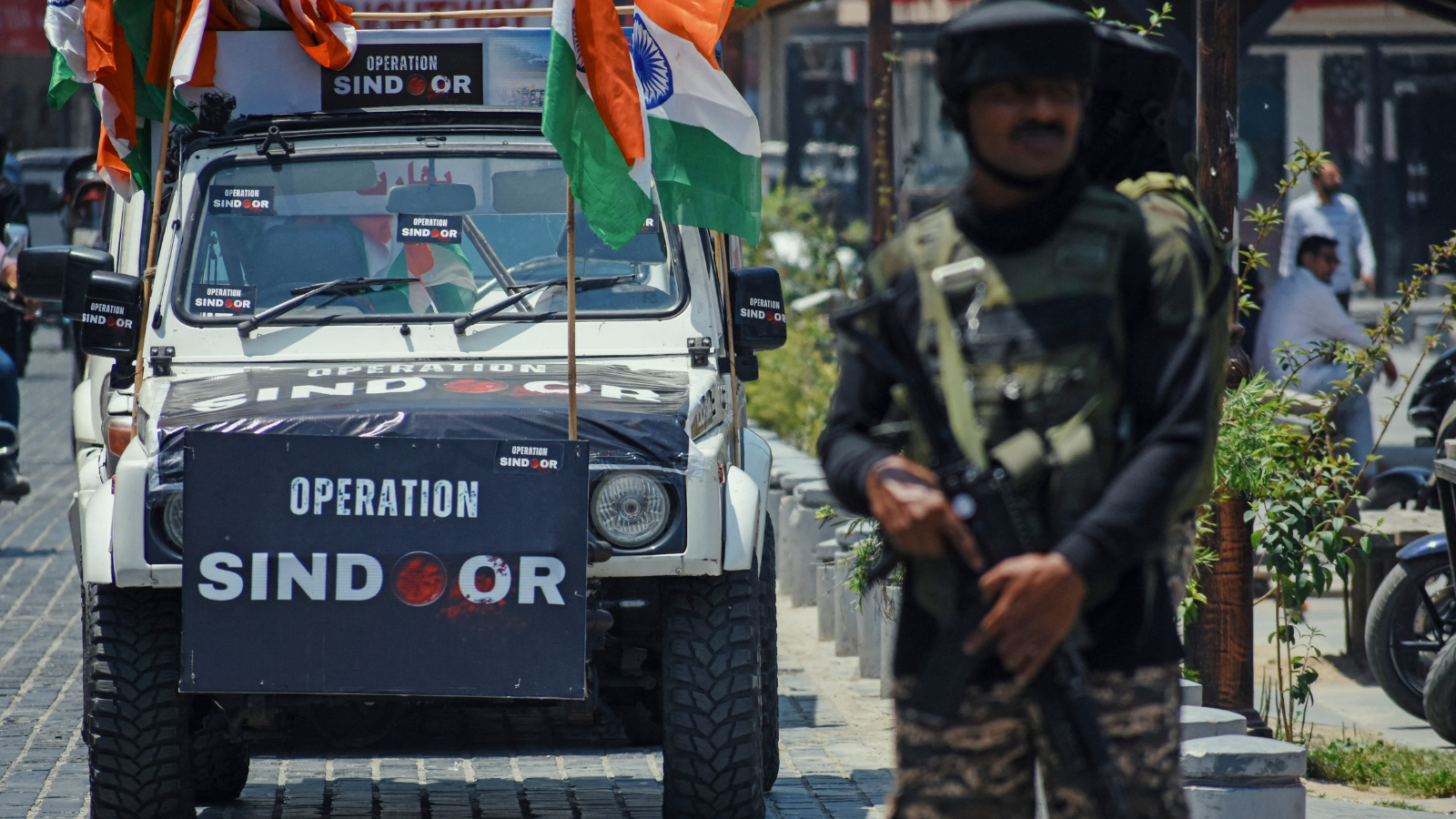
The India-Pakistan conflict that played out between May 6 and May 10, 2025, offers several military lessons. This article presents key takeaways from Operation Sindoor and breaks down how India’s preparations shaped the outcome and what more is needed to strengthen future readiness.

Dinakar Peri
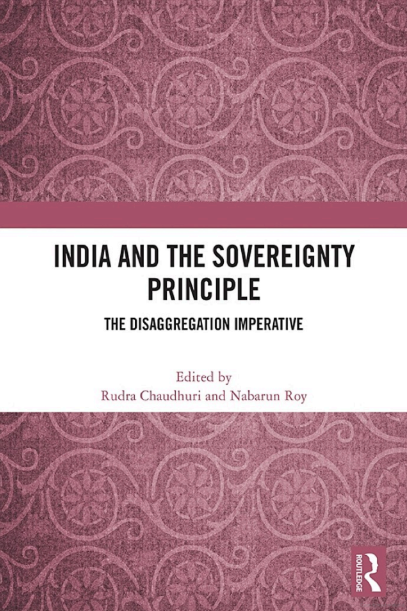
This book offers a comprehensive analysis of India's evolving relationship with sovereignty in a complex global order. Moving beyond conventional narratives, it examines how the sovereignty principle shapes India's behavior across four critical domains—from traditional military power to contemporary data governance.

Rudra Chaudhuri, Nabarun Roy
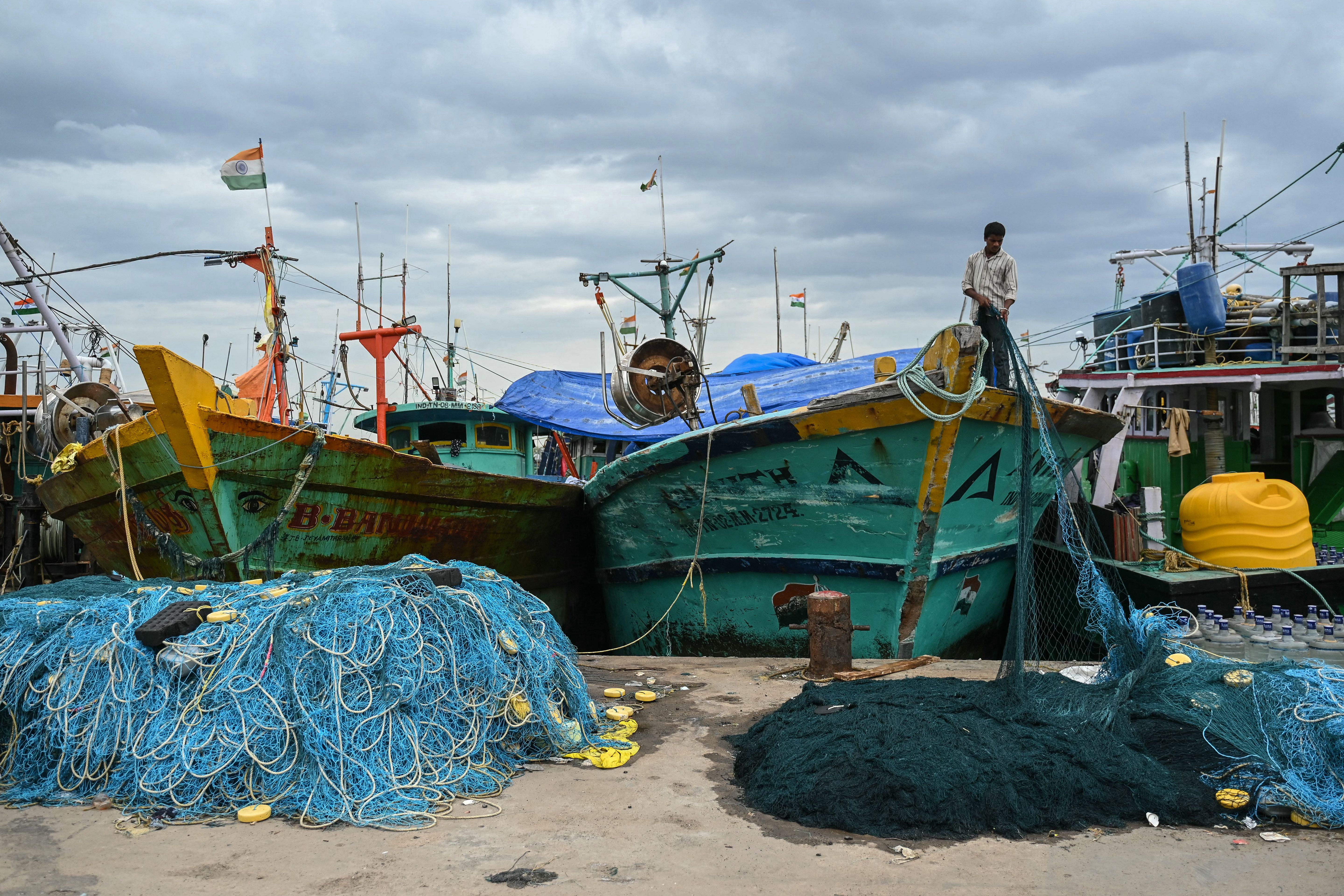
This article examines the scale and impact of Chinese IUU fishing operations globally and identifies the nature of the challenge posed by IUU fishing in the Indian Ocean Region (IOR). It also investigates why existing maritime law and international frameworks have struggled to address this growing threat.


Ajay Kumar, Charukeshi Bhatt
This book examines the impact of cross-border violence on communities living along the Line of Control and the International Border in Jammu and Kashmir, India.



Deep Pal, Surya Valliappan Krishna, Saheb Singh Chadha