• Research
  • About
  • Experts
Carnegie India logoCarnegie lettermark logo
Technology
{
  "authors": [
    "Lilia Shevtsova"
  ],
  "type": "commentary",
  "centerAffiliationAll": "",
  "centers": [
    "Carnegie Endowment for International Peace",
    "Carnegie Russia Eurasia Center"
  ],
  "collections": [],
  "englishNewsletterAll": "",
  "nonEnglishNewsletterAll": "",
  "primaryCenter": "Carnegie Russia Eurasia Center",
  "programAffiliation": "",
  "programs": [],
  "projects": [],
  "regions": [
    "Russia",
    "Eastern Europe",
    "Ukraine"
  ],
  "topics": [
    "Political Reform",
    "Security",
    "Civil Society"
  ]
}
Commentary
Carnegie Russia Eurasia Center

Ukrainian Suspense: How Far From the Rubicon?

The south and even the east of Ukraine do not express massive support for separatism. The violent clashes in Odessa may signal a turning point—indicating that Ukrainian society itself is trying to stop the country’s fragmentation.

Link Copied
By Lilia Shevtsova
Published on May 5, 2014

From a Facebook post: “Odessa has saved Kiev.”

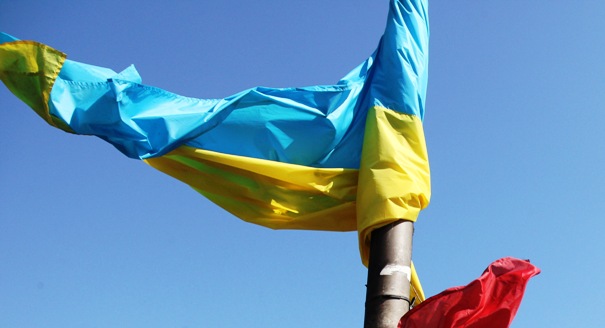
I am talking about the violent clashes in Odessa on May 2, which claimed the lives of more than 40 people and left 200 more injured. This has been the bloodiest incident since the fall of the Yanukovych regime. It resulted from the skirmishes between the supporters of a unified Ukraine and the pro-Russian separatists, in which the former prevailed. It is evident that the separatists were devising a provocation in Odessa that would lead to takeovers similar to those in the Eastern Ukraine. The obvious plan was to create a chain of separatist “independent republics,” which were to declare their independence on May 11, becoming the “New Russia” (“Novorossiya”) that President Vladimir Putin was talking about. As evidenced the by film footage taken at the scene of the clashes, the police actively aided the provocateurs, which only confirms the fact that the law-enforcement system of southeastern Ukraine has effectively disintegrated.

However, the ordinary Odessa residents were able to resist the pro-Russian militants, which attests to the fact that Ukraine’s southern regions supports the idea of unified Ukraine, and the separatists are unlikely to be able to form their “independent” enclaves there even if the country’s central government remains weak. Perhaps the events in Odessa signal a turning point—indicating that Ukrainian society itself is trying to stop the country’s fragmentation. In some sense, Odessa has saved Kiev.

Actually, Ukraine’s East does not look so unequivocally pro-Russian either. According to recent polls conducted by the Ukrainian newspaper Zerkalo Nedeli and Kiev’s International Institute of Sociology, in the Donetsk area, where the separatists have established themselves, the Russian incursion is supported by only 19.3(!) percent of the respondents. The rest of the population would prefer to live in an independent Ukraine. True, a significant number would not resist occupation: 46.9 percent of respondents in the South-East say that they would stay home and not interfere if the Russian troops were to cross the border (in Donbas, 55.4 percent would stay home).

With that being said, a lot of Ukrainians are ready to defend their state. Look at these numbers: in Kherson, 36.9 percent of the people are prepared to resist the aggressor; this number is 31 percent in Nikolayev, 26 percent in Dnepropetrovsk, and 24.9 per cent in Odessa. In Donetsk, the area viewed as a stronghold of pro-Russian separatism, 11.9 percent of the people would fight the Russian troops; in Lugansk, 10.7 percent would.

Thus, the south of Ukraine does not express massive support for separatism. Even the east of the country is not particularly rushing to secede from Ukraine. Forcefully separating these regions from Ukraine will not stabilize them; it is more likely to breed more instability and fuel the growth of pro-Ukrainian sentiments. Those who are still trying to create the “New Russia” inside Ukraine should keep this in mind.

Lilia Shevtsova
Former Senior Associate, Russian Domestic Politics and Political Institutions Program, Moscow Center
Lilia Shevtsova
Political ReformSecurityCivil SocietyRussiaEastern EuropeUkraine

Carnegie India does not take institutional positions on public policy issues; the views represented herein are those of the author(s) and do not necessarily reflect the views of Carnegie, its staff, or its trustees.

More Work from Carnegie India

  • Commentary
    The Impact of U.S. Sanctions and Tariffs on India’s Russian Oil Imports

    This piece examines India’s response to U.S. sanctions and tariffs, specifically assessing the immediate market consequences, such as alterations in import costs, and the broader strategic implications for India’s energy security and foreign policy orientation.

      Vrinda Sahai
  • Article
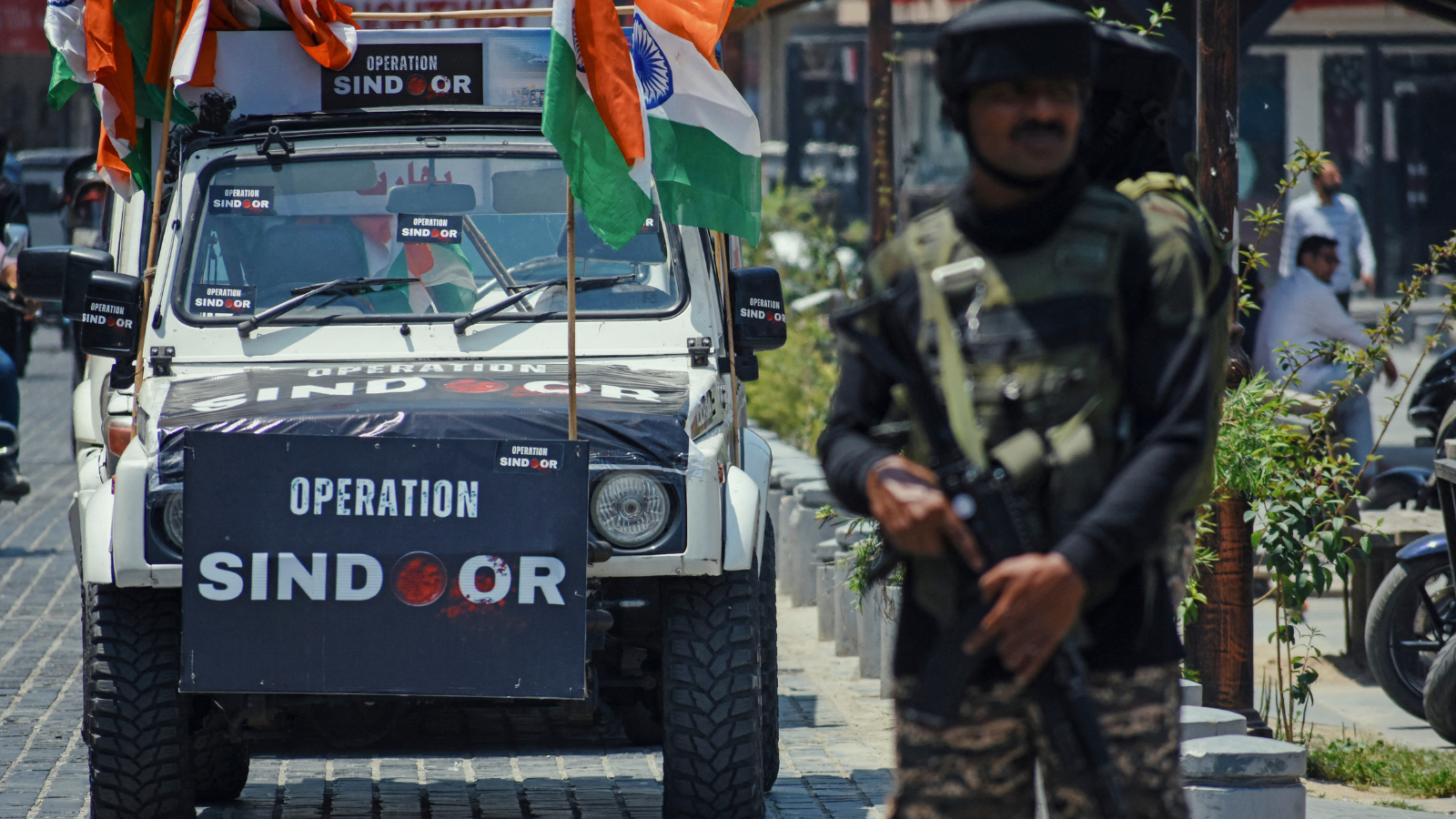
    Military Lessons from Operation Sindoor

    The India-Pakistan conflict that played out between May 6 and May 10, 2025, offers several military lessons. This article presents key takeaways from Operation Sindoor and breaks down how India’s preparations shaped the outcome and what more is needed to strengthen future readiness.

      Dinakar Peri

  • Book
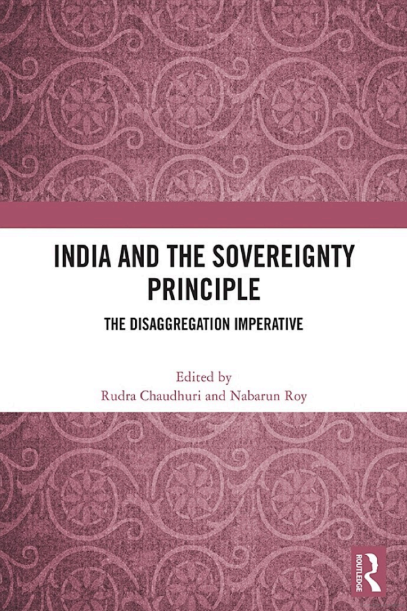
    India and the Sovereignty Principle: The Disaggregation Imperative

    This book offers a comprehensive analysis of India's evolving relationship with sovereignty in a complex global order. Moving beyond conventional narratives, it examines how the sovereignty principle shapes India's behavior across four critical domains—from traditional military power to contemporary data governance.

      Rudra Chaudhuri, Nabarun Roy

  • Article
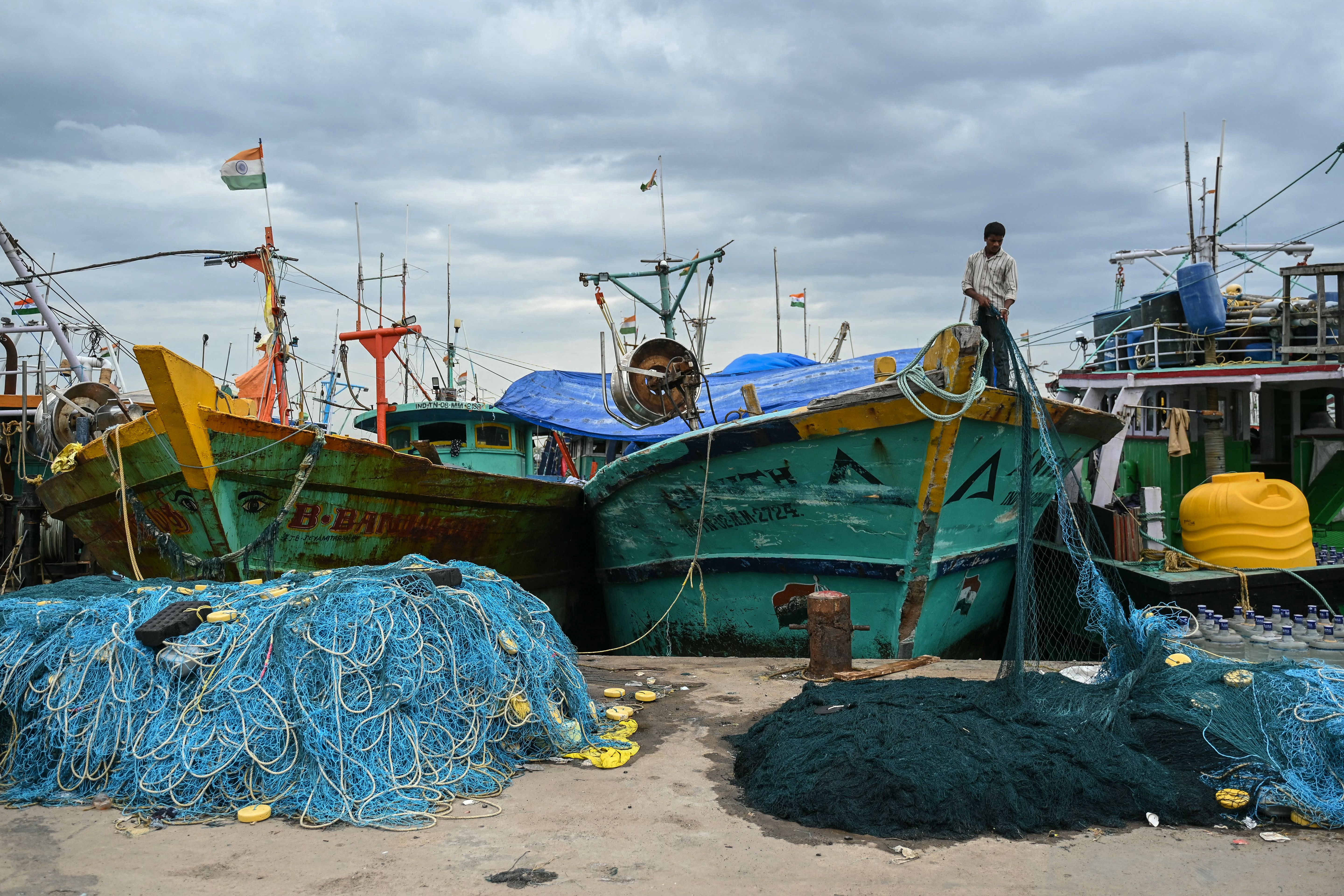
    Hidden Tides: IUU Fishing and Regional Security Dynamics for India

    This article examines the scale and impact of Chinese IUU fishing operations globally and identifies the nature of the challenge posed by IUU fishing in the Indian Ocean Region (IOR). It also investigates why existing maritime law and international frameworks have struggled to address this growing threat.

      Ajay Kumar, Charukeshi Bhatt

  • Book
    Violence and Development Along the India-Pakistan Border in Jammu and Kashmir

    This book examines the impact of cross-border violence on communities living along the Line of Control and the International Border in Jammu and Kashmir, India.

      Deep Pal, Surya Valliappan Krishna, Saheb Singh Chadha

Get more news and analysis from
Carnegie India
Carnegie India logo, white
Unit C-4, 5, 6, EdenparkShaheed Jeet Singh MargNew Delhi – 110016, IndiaPhone: 011-40078687
  • Research
  • About
  • Experts
  • Projects
  • Events
  • Contact
  • Careers
  • Privacy
  • For Media
Get more news and analysis from
Carnegie India
© 2026 Carnegie Endowment for International Peace. All rights reserved.