

Commentary
Asia’s two largest nuclear powers have never threatened each other with nuclear weapons. How much will the recent deadly border clashes between China and India change the security landscape?
Toby Dalton, Tong Zhao, Rukmani Gupta
{
  "authors": [
    "Andrey Baklitskiy",
    "Alexandra Bell",
    "Tong Zhao"
  ],
  "type": "legacyinthemedia",
  "centerAffiliationAll": "",
  "centers": [
    "Carnegie Endowment for International Peace",
    "Carnegie China"
  ],
  "collections": [
    "Future of Arms Control"
  ],
  "englishNewsletterAll": "",
  "nonEnglishNewsletterAll": "",
  "primaryCenter": "Carnegie China",
  "programAffiliation": "",
  "programs": [
    "Nuclear Policy"
  ],
  "projects": [],
  "regions": [],
  "topics": [
    "Nuclear Policy",
    "Arms Control"
  ]
}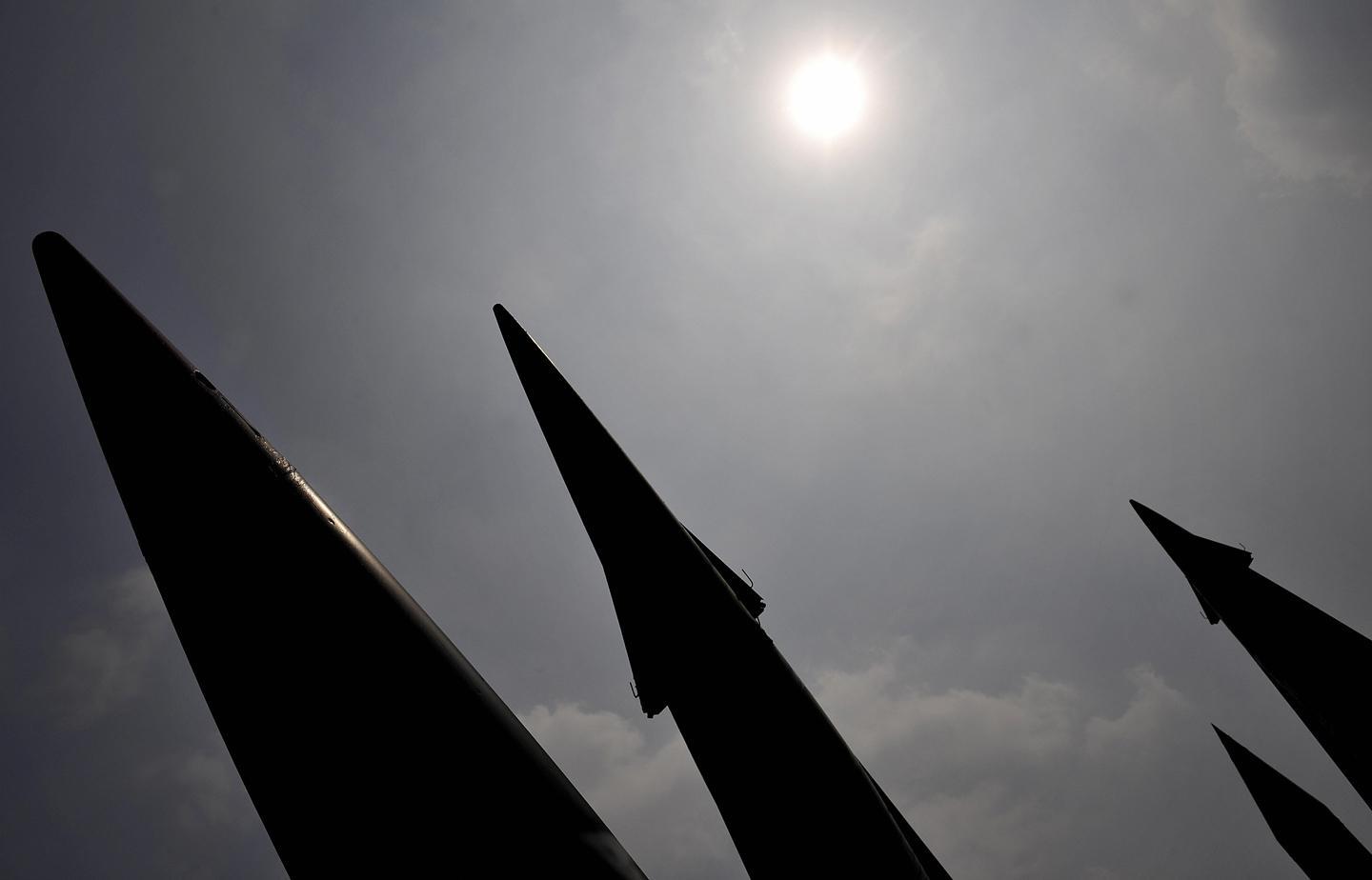
There are three guiding principles that can help make future arms control dialogues more successful.
Source: Defense One
After generations of careful and painstaking work to build a global arms control architecture, it is now collapsing. The New Strategic Arms Reduction Treaty, or New START, is the last legally binding treaty constraining the world’s two largest nuclear arsenals and unless extended, it will expire in less than six months. At the same time, nuclear stockpiles are on the rise, which can lead to a new nuclear arms race, putting every nation on this planet in danger. The situation is dire, but not inevitable or irreversible. Starting with an extension of New START and moving to constructive and fair dialogues on reducing nuclear risks, we can change our collective fate.
There are three guiding principles that can help make future arms control dialogues more successful. First, the focus should be on substance rather than format. Currently, the reverse is true. The United States is pushing for a trilateral framework with Russia and China; China would like to bring in the United Kingdom and France; and Russia is fine with both options, but believes that in the short term only a bilateral format is realistic. It is not necessary to agree on a single format for dialogue. Addressing concrete security concerns should be the priority and the format should be adapted to the substantive issues at hand. Negotiation over strategic offensive weapons could – for the time being – still be limited to the United States and Russia. Discussing issues of missile defense or space security may make sense for a trilateral discussion because Washington, Moscow, and Beijing are the most relevant players. And talks about security challenges from new technologies can be a broader discussion as there are more stakeholders.
Carnegie India does not take institutional positions on public policy issues; the views represented herein are those of the author(s) and do not necessarily reflect the views of Carnegie, its staff, or its trustees.

Asia’s two largest nuclear powers have never threatened each other with nuclear weapons. How much will the recent deadly border clashes between China and India change the security landscape?


Toby Dalton, Tong Zhao, Rukmani Gupta
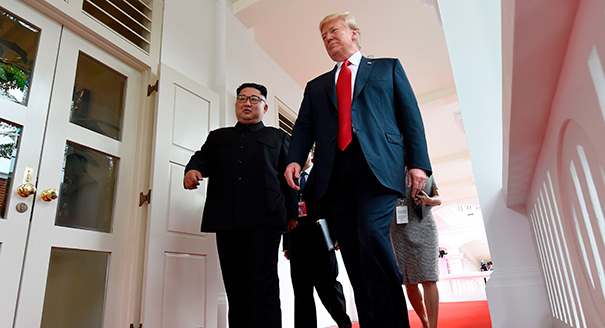
In the course of one morning in Singapore, U.S. President Donald Trump and the North Korean leader Kim Jong-un have begun to loosen a deeply entrenched and hostile relationship.
C. Raja Mohan
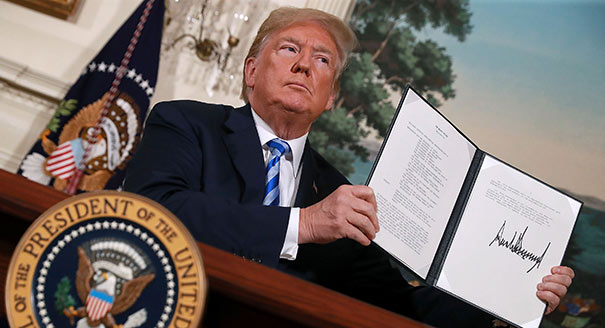
U.S. President Donald Trump’s decision to pull out of the Iran nuclear deal appears to have put regime change at the very center of the new American power play against Tehran.
C. Raja Mohan
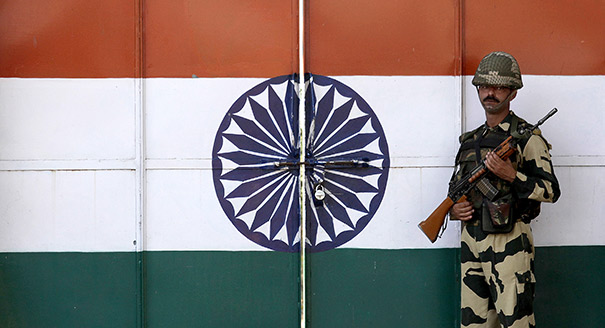
The South Asian stalemate is likely to endure even as South and North Korea appear poised to turn the page.
C. Raja Mohan
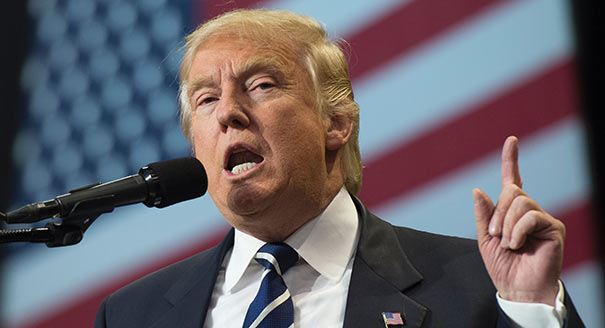
While the Trump administration’s efforts to get tough on Pakistan face challenges and potential dangers, the change in stance signals a new political will to pursue previously untried measures which offer some hope of success.
C. Raja Mohan