
• Research
  • About
  • Experts
Carnegie India logoCarnegie lettermark logo
Technology
Policing the People, Building the State: Authoritarian Transformation in the West Bank and Gaza

Source: Getty

Paper
Malcolm H. Kerr Carnegie Middle East Center

Policing the People, Building the State: Authoritarian Transformation in the West Bank and Gaza

In both the West Bank and Gaza, security sector rebuilding and restructuring occurs without democratic governance and a constitutional order, which threatens not only the region's long-term security but also the ability to achieve Palestinian statehood.

Link Copied
By Yezid Sayigh
Published on Feb 28, 2011

Additional Links

Full Text

As rival governments in the West Bank and Gaza have sought to strengthen their respective Palestinian Authority Security Force (PASF) sectors in recent years, they have adopted very different approaches. The Fayyad government in the West Bank largely relies on financial and training support from the West, while the Hamas-ruled Gaza, lacking significant outside help, has been forced to streamline its operations.

Although well-intentioned, Western efforts have hindered—rather than helped—West Bank forces, who have received almost $450 million in assistance from the United States and the European Union since 2007. The West’s limited focus on technical rather than political assistance and disjointed overall approach—along with the lack of coherence and autonomy in the West Bank PASF—are largely responsible for the sector’s failure to develop its own training and planning capabilities.

The Gaza PASF, on the other hand, has benefited from the absence of external support. Hamas, rather than outside donors, chooses how to design its policies and programs and set its priorities. As a result of this sense of ownership and efficient approach, its security sector is more integrated, has a clearer chain of command, and has developed more professional training and planning capabilities than the West Bank sector.

But the fundamental problem in both regions is that security sector rebuilding and restructuring occurs without democratic governance and a constitutional order. While the Fayyad government in the West Bank and the Haniah government in Gaza stress a strict adherence to the rule of law and genuine observance of human rights, their lack of constitutional checks and balances—especially weak legislative and judicial oversight—makes this difficult. Civilian control of the security forces is also growing more tenuous, especially as political infighting grows in the West Bank and Islamization increases in Gaza.

This trend will continue unless a number of steps are taken. These include achieving Palestinian “ownership” of security sector development—especially in the West Bank—reintegrating the West Bank and Gaza PASF, assuring government control of security in both areas, and designing a new national security vision by engaging all relevant stakeholders. Otherwise, growing authoritarianism in the region will threaten not only its long-term security but also the ability to achieve Palestinian statehood.

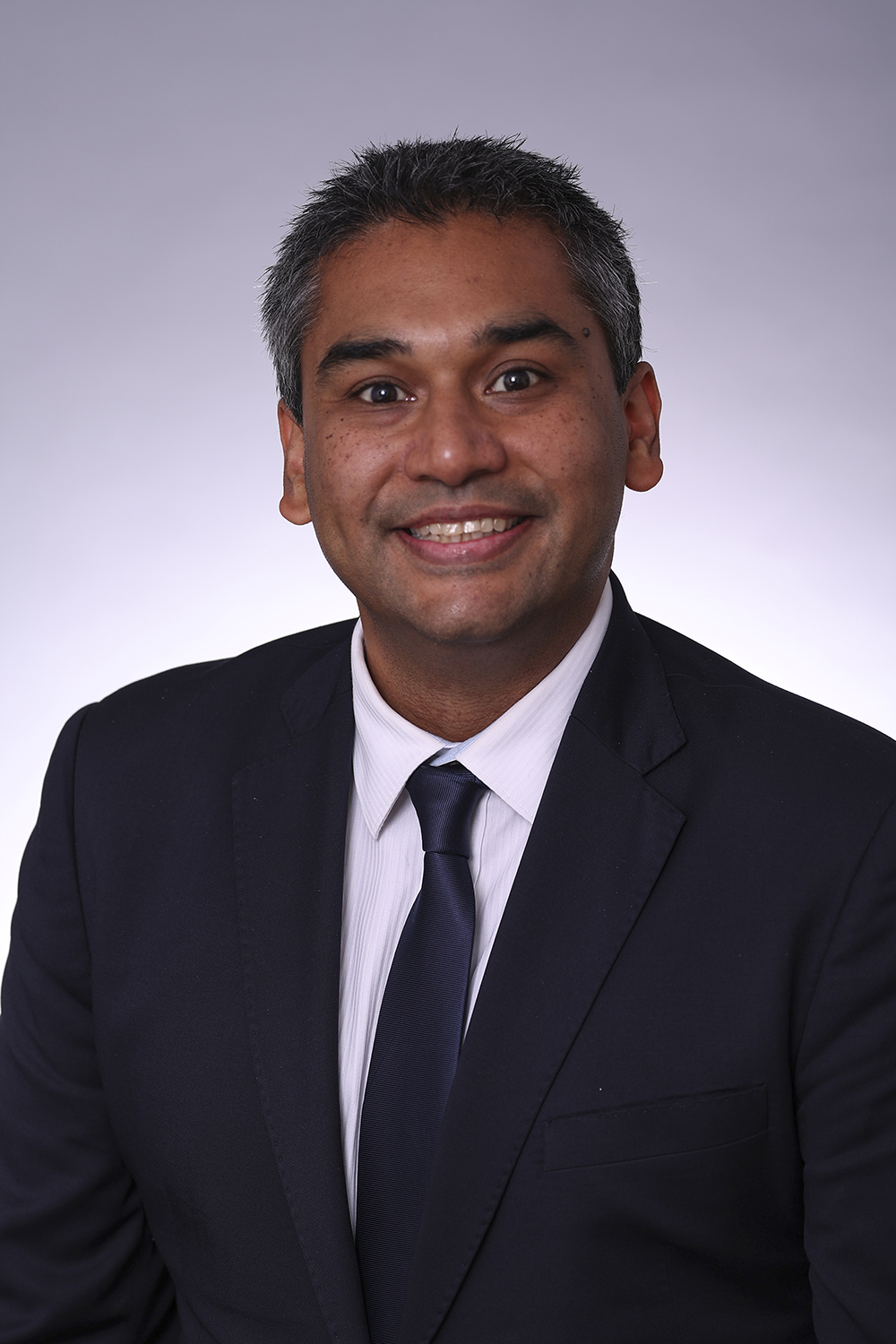
Yezid Sayigh
Senior Fellow, Malcolm H. Kerr Carnegie Middle East Center
Yezid Sayigh
LevantPalestineMiddle EastPolitical ReformSecurity

Carnegie India does not take institutional positions on public policy issues; the views represented herein are those of the author(s) and do not necessarily reflect the views of Carnegie, its staff, or its trustees.

More Work from Carnegie India

  • Commentary
    The Impact of U.S. Sanctions and Tariffs on India’s Russian Oil Imports

    This piece examines India’s response to U.S. sanctions and tariffs, specifically assessing the immediate market consequences, such as alterations in import costs, and the broader strategic implications for India’s energy security and foreign policy orientation.

      Vrinda Sahai
  • Article
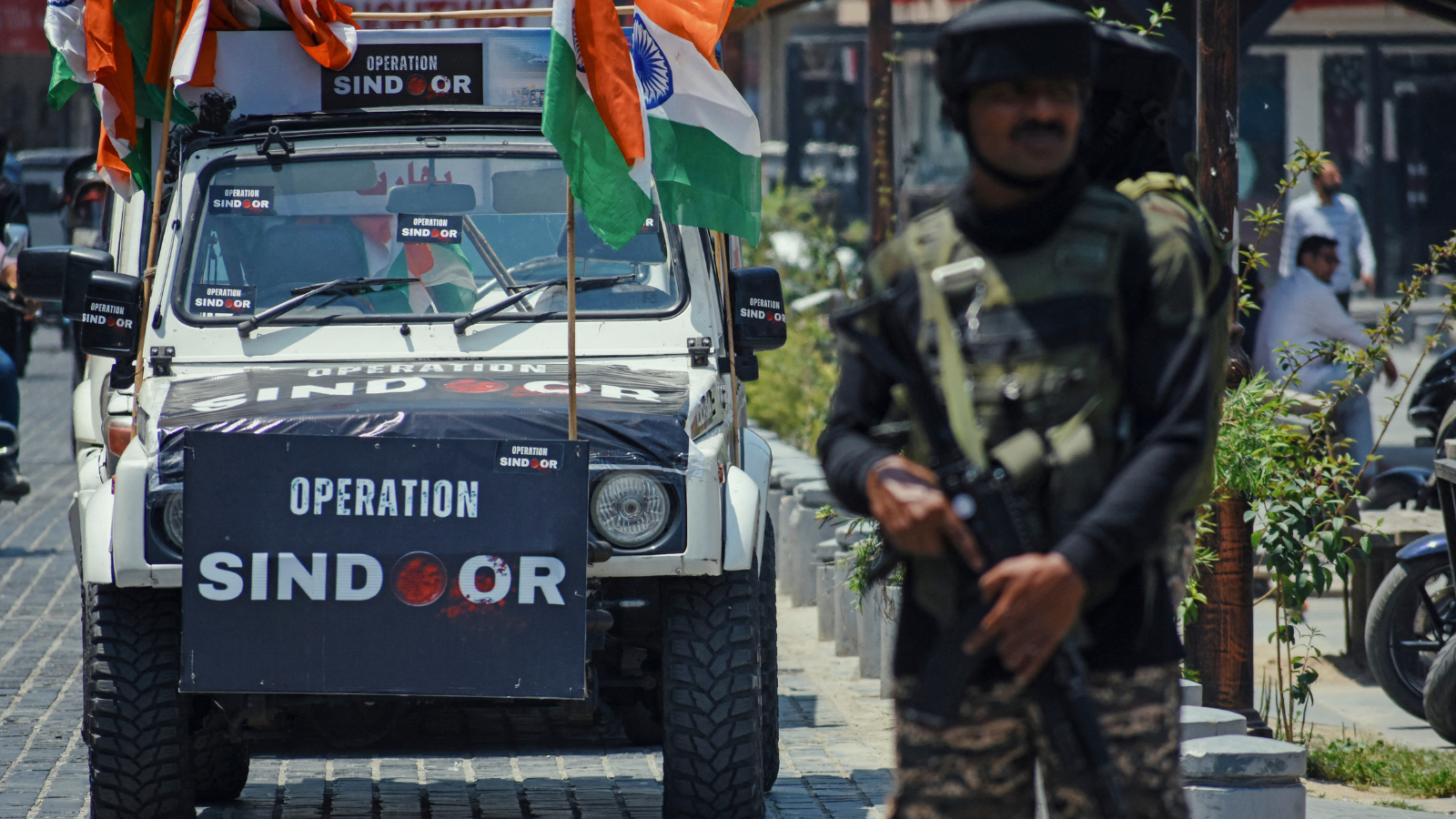
    Military Lessons from Operation Sindoor

    The India-Pakistan conflict that played out between May 6 and May 10, 2025, offers several military lessons. This article presents key takeaways from Operation Sindoor and breaks down how India’s preparations shaped the outcome and what more is needed to strengthen future readiness.

      Dinakar Peri

  • Book
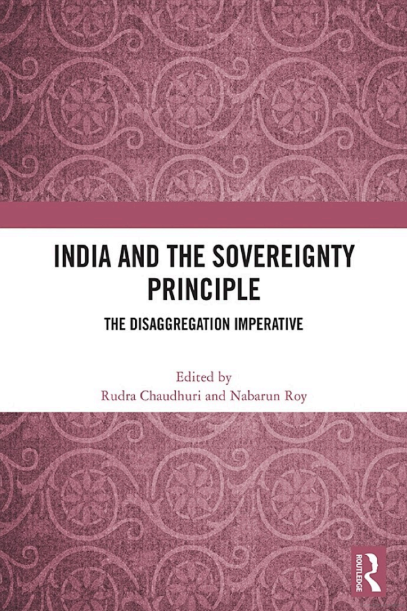
    India and the Sovereignty Principle: The Disaggregation Imperative

    This book offers a comprehensive analysis of India's evolving relationship with sovereignty in a complex global order. Moving beyond conventional narratives, it examines how the sovereignty principle shapes India's behavior across four critical domains—from traditional military power to contemporary data governance.

      Rudra Chaudhuri, Nabarun Roy

  • Article
    Hidden Tides: IUU Fishing and Regional Security Dynamics for India

    This article examines the scale and impact of Chinese IUU fishing operations globally and identifies the nature of the challenge posed by IUU fishing in the Indian Ocean Region (IOR). It also investigates why existing maritime law and international frameworks have struggled to address this growing threat.

      Ajay Kumar, Charukeshi Bhatt

  • Book
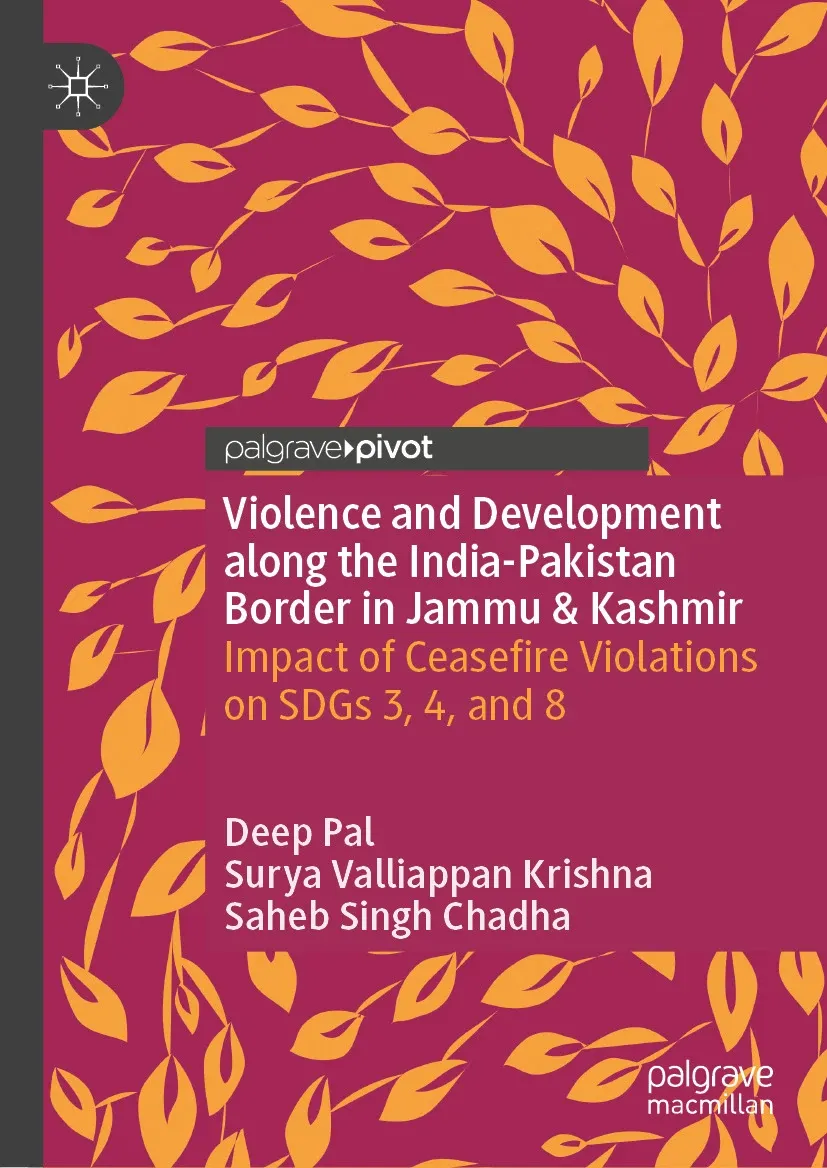
    Violence and Development Along the India-Pakistan Border in Jammu and Kashmir

    This book examines the impact of cross-border violence on communities living along the Line of Control and the International Border in Jammu and Kashmir, India.

      Deep Pal, Surya Valliappan Krishna, Saheb Singh Chadha

Get more news and analysis from
Carnegie India
Carnegie India logo, white
Unit C-4, 5, 6, EdenparkShaheed Jeet Singh MargNew Delhi – 110016, IndiaPhone: 011-40078687
  • Research
  • About
  • Experts
  • Projects
  • Events
  • Contact
  • Careers
  • Privacy
  • For Media
Get more news and analysis from
Carnegie India
© 2026 Carnegie Endowment for International Peace. All rights reserved.