• Research
  • About
  • Experts
Carnegie India logoCarnegie lettermark logo
Technology
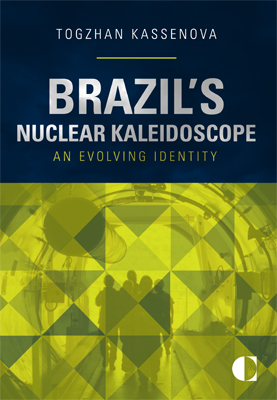
Brazil’s Nuclear Kaleidoscope: An Evolving Identity
Report

Brazil’s Nuclear Kaleidoscope: An Evolving Identity

Remarkably little attention is paid to Brazilian voices on the country’s nuclear policy. Brazilians paint a picture of an emerging power seeking nuclear independence and searching for its role in the global order.

Link Copied
By Togzhan Kassenova
Published on Mar 12, 2014

Additional Links

BriefFull Textportuguês

There is no shortage of international commentary on Brazil’s nuclear policy, especially its advanced nuclear fuel cycle and nuclear submarine program. But remarkably little attention is paid to Brazilian voices on these issues. Brazilians paint a picture of an emerging power seeking nuclear independence and searching for its role in the global order.

The State of Brazil’s Nuclear Program

  • Currently, Brazil mines and mills uranium, produces nuclear fuel, operates two nuclear power plants, and is building a third.
  • The Brazilian navy is key in the nuclear field. It developed uranium conversion and enrichment technology, and, since the late 1970s, it has been working on developing a nuclear-powered submarine.
  • Rivalry with Argentina was among the drivers of Brazil’s nuclear program. Today, the two countries work together in a bilateral nuclear safeguards regime to verify their nuclear activities are peaceful.
  • Brazil has not signed an IAEA Additional Protocol on nuclear safeguards, primarily because it is reluctant to accept additional nonproliferation obligations as long as nuclear-weapon states do not achieve meaningful progress toward nuclear disarmament.
  • Demonstrating Brasília’s potential to be an active player in global nuclear politics, Brazil and Turkey persuaded Iran to sign a 2010 joint declaration outlining a nuclear fuel swap, though the deal fell through.

Understanding Brazil’s Policy Drivers

Negative past experiences help explain why Brazil seeks nuclear independence. Brazil struggled to obtain nuclear technology from abroad, prompting Brasília to develop domestic capabilities.

The nuclear industry is more ambitious than the government. Industry representatives believe Brazil could industrialize uranium conversion and enrichment if the government prioritizes the effort.

The nuclear submarine program has multiple drivers. Brazil is pursuing development of a nuclear submarine to protect its coast and offshore natural resources and to stave off potential enemies approaching from the sea. Naval bureaucratic interests also drive the program. But above all, this quest reflects Brazil’s desire to bolster its international standing.

Brazil will forcefully defend its interests on the global nuclear scene. Brasília’s assertive nuclear policy is indicative of the tensions intensifying within the global nuclear order between nuclear-armed and non-nuclear-weapon states, between disarmament and nonproliferation, and between nonproliferation and peaceful uses of nuclear energy. Brasília, for the foreseeable future, will criticize the unfairness of the nuclear order while attempting to carve out a role for itself in it.

For Brazil, the nuclear order is a microcosm of the world order. Brazil sees the global nuclear order and the world order more broadly as unfair and antiquated.

Read Full Text
Togzhan Kassenova
Nonresident Fellow, Nuclear Policy Program
Togzhan Kassenova
North AmericaUnited StatesSouth AmericaNuclear PolicyArms ControlNuclear Energy

Carnegie India does not take institutional positions on public policy issues; the views represented herein are those of the author(s) and do not necessarily reflect the views of Carnegie, its staff, or its trustees.

More Work from Carnegie India

  • Commentary
    The Impact of U.S. Sanctions and Tariffs on India’s Russian Oil Imports

    This piece examines India’s response to U.S. sanctions and tariffs, specifically assessing the immediate market consequences, such as alterations in import costs, and the broader strategic implications for India’s energy security and foreign policy orientation.

      Vrinda Sahai
  • Commentary
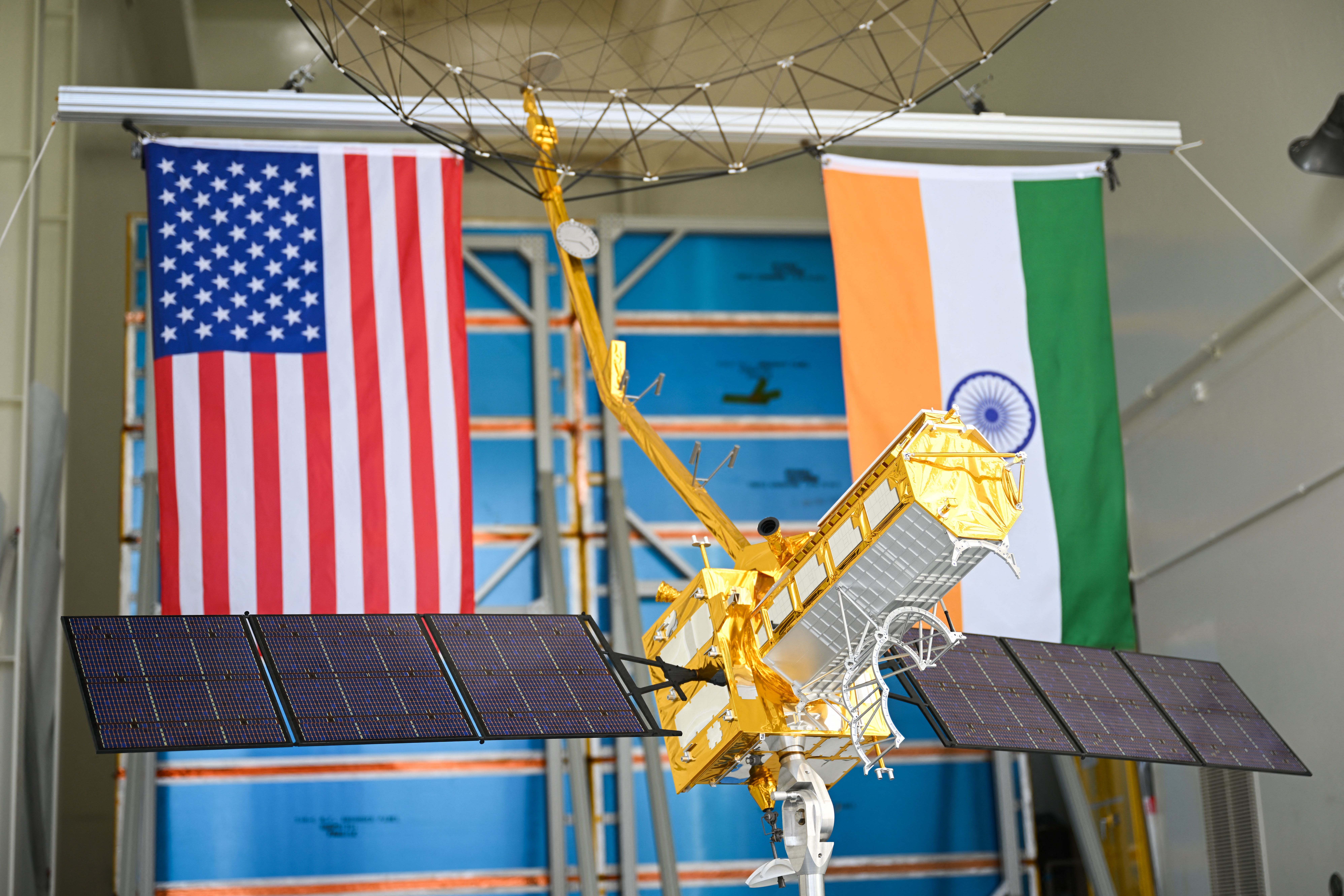
    NISAR Soars While India-U.S. Tariff Tensions Simmer

    On July 30, 2025, the United States announced 25 percent tariffs on Indian goods. While diplomatic tensions simmered on the trade front, a cosmic calm prevailed at the Sriharikota launch range. Officials from NASA and ISRO were preparing to launch an engineering marvel into space—the NASA-ISRO Synthetic Aperture Radar (NISAR), marking a significant milestone in the India-U.S. bilateral partnership.

      Tejas Bharadwaj

  • Commentary
    TRUST and Tariffs

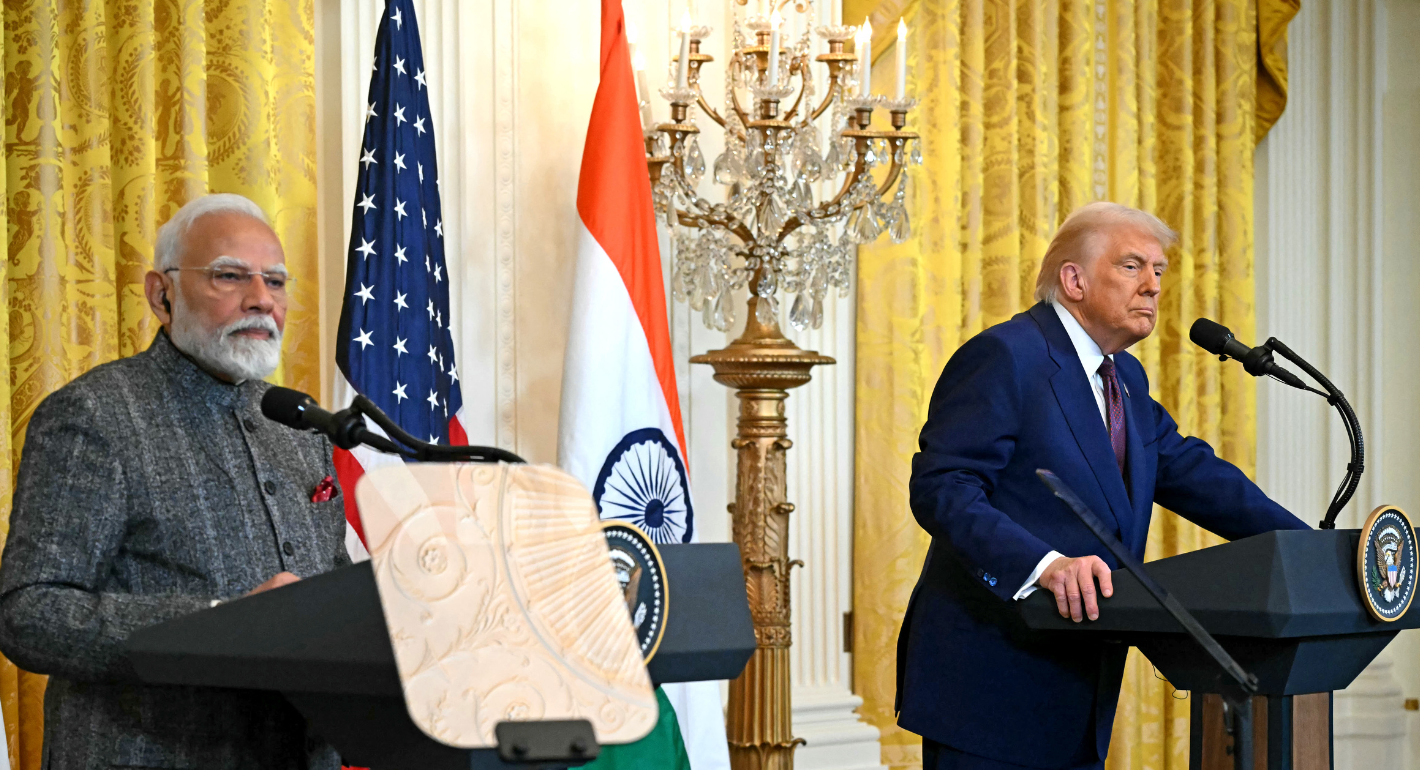
    The India-U.S. relationship currently appears buffeted between three “Ts”—TRUST, Tariffs, and Trump.

      Arun K. Singh

  • Commentary
    The India-U.S. TRUST Initiative: Advancing Semiconductor Supply Chain Cooperation

    As part of the TRUST initiative, leaders of the two countries committed to building trusted and resilient supply chains, including for semiconductors and critical minerals. India and the United States have made steady progress in this area over the years. This essay explores the takeaways from discussions on semiconductor supply chains that took place at Carnegie India’s 9th Global Technology Summit.

      Konark Bhandari

  • Commentary
    The India-U.S. TRUST Initiative: A Resilient Pharma Supply Chain

    This essay takes stock of the early momentum generated by the joint leaders’ commitment to catalyze public and private investments in building Indian manufacturing capacity—both domestically and in the United States—for active pharmaceutical ingredients (APIs) for critical medicines.

      Shruti Sharma

Get more news and analysis from
Carnegie India
Carnegie India logo, white
Unit C-4, 5, 6, EdenparkShaheed Jeet Singh MargNew Delhi – 110016, IndiaPhone: 011-40078687
  • Research
  • About
  • Experts
  • Projects
  • Events
  • Contact
  • Careers
  • Privacy
  • For Media
Get more news and analysis from
Carnegie India
© 2026 Carnegie Endowment for International Peace. All rights reserved.