

Commentary
In an interview, Shahla al-Kli discusses the country’s parliamentary elections and what they reveal.
Rayyan Al-Shawaf
{
  "authors": [
    "Michael Young"
  ],
  "type": "commentary",
  "blog": "Diwan",
  "centerAffiliationAll": "",
  "centers": [
    "Carnegie Endowment for International Peace",
    "Malcolm H. Kerr Carnegie Middle East Center"
  ],
  "collections": [],
  "englishNewsletterAll": "",
  "nonEnglishNewsletterAll": "",
  "primaryCenter": "Malcolm H. Kerr Carnegie Middle East Center",
  "programAffiliation": "",
  "programs": [
    "Middle East"
  ],
  "projects": [],
  "regions": [
    "Middle East"
  ],
  "topics": [
    "Political Reform"
  ]
}
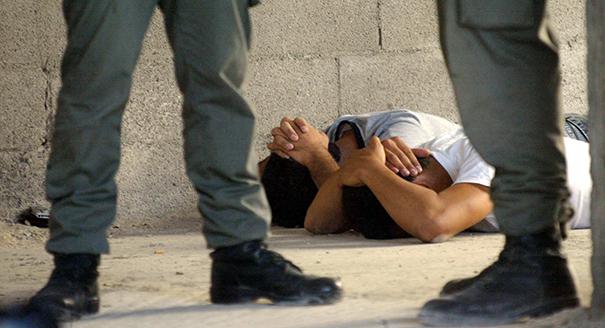
Mideastern states may be moving toward a new regional order, but its glue will be authoritarian stability.
When Saudi Arabia and Iran signed an agreement restoring diplomatic relations recently, observers all over announced the end of a unipolar Middle East. Because China had mediated the deal, their thinking went, it showed that the United States’ uncontested power was over.
Maybe, but coming a decade after U.S. president Barak Obama had declared an American “pivot to Asia,” and several years into an interregnum during which international and regional powers—Russia, China, Saudi Arabia, the United Arab Emirates, Qatar, Iran, Turkey, Israel, even Oman—have been driving political dynamics in the Middle East, you would assume that such a conclusion should have been reached much earlier.
What is more intriguing is where a multipolar Middle East might lead? And here the possibilities aren’t many. Either the region will continue as a free-for-all of states, much as it is today, each one using national interest to justify its actions; or the region will strive for more stability by imposing order on the ambient mayhem.
The Saudi-Iranian agreement indicates that two of the region’s major powers are seeking to normalize their relationship in the direction of greater order. And both are understandably justified in doing so. For the Saudis, the Yemen conflict has been a severe drain on Riyadh’s finances, and a distraction from Crown Prince Mohammed bin Salman’s aspirations to change Saudi Arabia and adapt its economy to a post-hydrocarbons era. That the kingdom has come out of the war bloodied is all the more reason for choosing a new path today.
As for Iran, the quintessential revisionist power, it too has an incentive to consolidate what it has won in the last decade and a half. The Iranians dominate Syria, Lebanon, Iraq, and parts of Yemen, but all they have to show for this are countries in ruin, where Tehran’s allies are increasingly reviled. The only model Iran offers is economic devastation and political suffocation, which has provoked a furious reaction at home as Iranians have spent months revolting against a system that appears to have lost all legitimacy. The country’s leadership realizes that the transition after Ayatollah Ali Khamenei’s death may be much thornier than anticipated, while the limits of Iran’s regional sway have effectively been reached.
Most of the region’s major powers, and all of the minor ones, would welcome a stable regional system. Many countries are struggling with deep domestic discontent as governments can no longer fulfill the old social contract of providing their societies with a measure of social and economic wellbeing in exchange for political acquiescence. One path to internal stability is reliance on a secure regional order, just as a secure regional order makes it less likely that states will settle their differences in the territories of divided regional counterparts.
Unlike the Arab state system that collapsed in the 1990s, after the United States ate up all the space on the Arab political scene, a new regional order will include—in fact, includes—non-Arab states on the Arab world’s periphery, namely Iran, Turkey, and Israel. Saudi Arabia’s reconciliation with Iran implicitly recognized Iranian regional stakes, much as several Arab states’ reconciliation with Turkey and peace accords with Israel acknowledged Turkish and Israeli regional stakes.
When people speak about a new regional order, they tend to sound hopeful. Anything that reduces destructive proxy wars that have exhausted states and societies throughout the region is regarded as a good thing, especially as no one emerged unscathed. As true as that belief is, it also merits a closer look.
The late writer Samir Kassir, in an essay for the Beirut Review in spring 1993, distinguished between different types of Arab state systems. From the 1950s to the 1980s, the region was characterized by what was known as the “politics of axes” (siyasat al-mahawir), in which inter-Arab relations were driven by rivalries among Arab capitals. By the 1990s, however, after the first Gulf War, the relations between states reflected what Kassir described as “anomie,” in which “the capacity of a number of states to intervene politically outside their borders has broken down, as has their capability to play any role on the inter-Arab political scene.”
Today, we’re in a situation akin to the “politics of axes,” but with so many axes that there is a lack of regional coherence as states shift alliances constantly, depending on their agendas. Moreover, many Arab states, Iran, Turkey, and Israel have spent a decade intervening outside their borders, exacerbating regional uncertainty.
The Arab state system of the past in no way ended regional rivalries, and any new regional order will surely fail to do so as well. However, the Arab states did have effective mechanisms reflecting a consensus around defending authoritarian orders promising stability, sometimes succeeded in containing dangerous conflicts, and allowed coalitions of states to neutralize threats to their national security. These will be pillars of any new regional order that sees the light of day.
Such an order would be based on antidemocratic impulses, including regime protection, counterrevolutionary collaboration (along the lines of the Holy Alliance established by European conservative monarchies in 1815), and an absolute defense of sovereignty. It might later evolve into something more ambitious, such as regional security arrangements, thought the limits of this are obvious, given that Israel and Iran will remain enemies.
After a decade of uprisings, the region’s leaders know what endangers them the most. Any new order they build will be focused on addressing this. The glue binding these nations together will be a commitment to silencing the independent voices of the last decade. This will be the common ideology of our new Middle Eastern age.
Carnegie does not take institutional positions on public policy issues; the views represented herein are those of the author(s) and do not necessarily reflect the views of Carnegie, its staff, or its trustees.
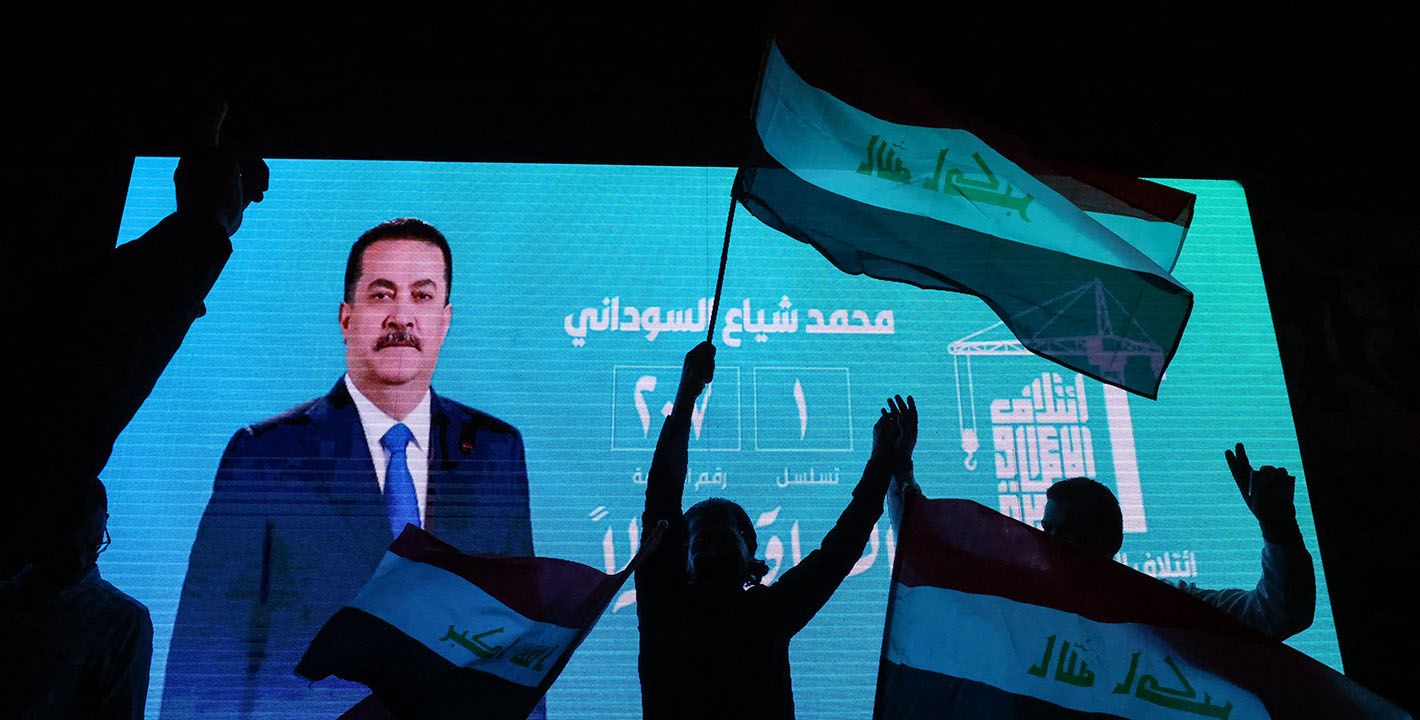
In an interview, Shahla al-Kli discusses the country’s parliamentary elections and what they reveal.
Rayyan Al-Shawaf
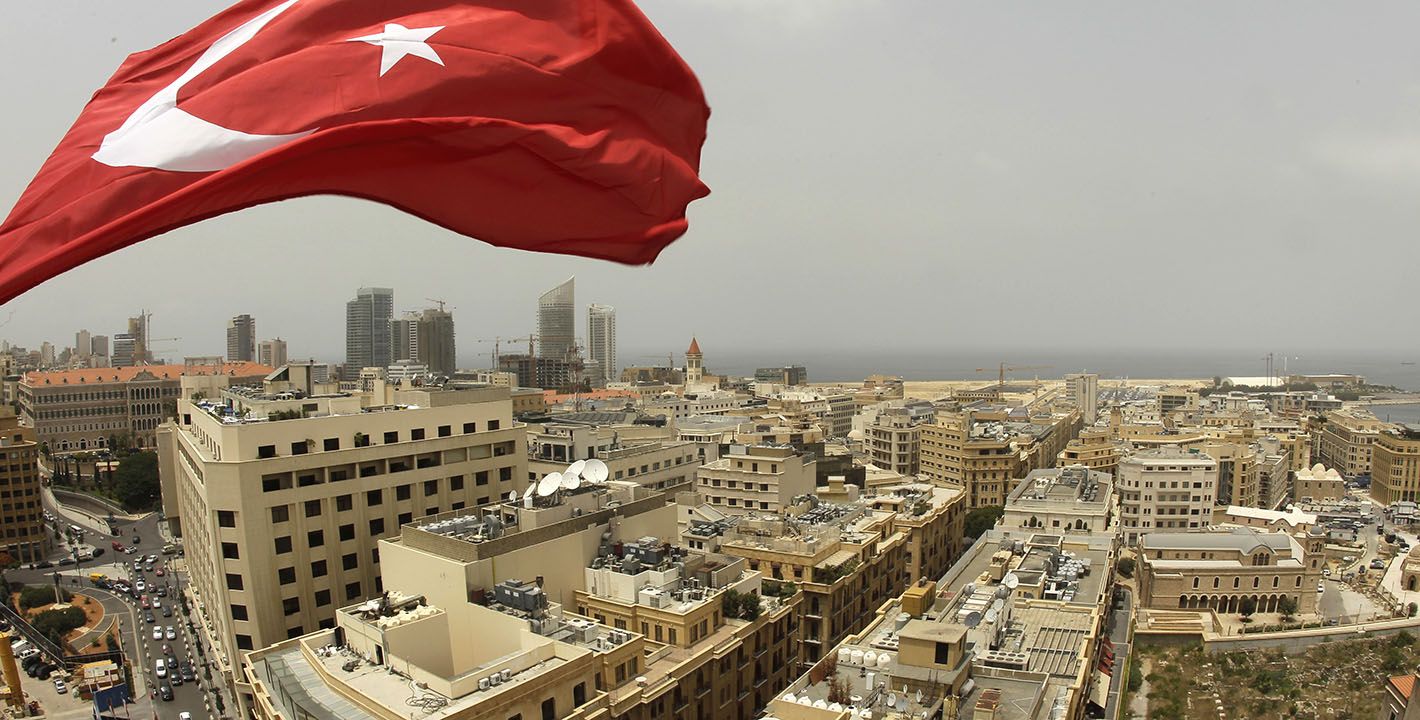
Ankara may seek to annul a maritime deal with Cyprus and expand its influence in the next parliament.
Mohanad Hage Ali
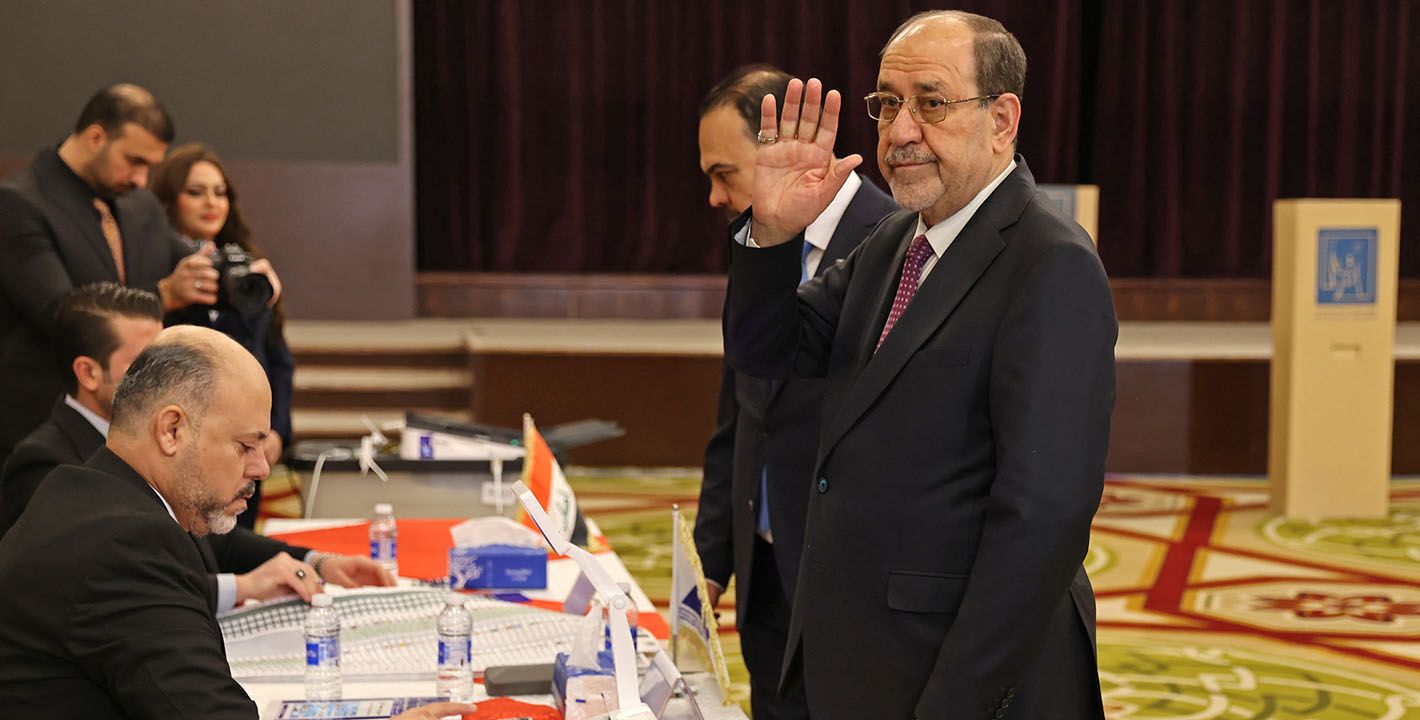
Recent election results have placed Nouri al-Maliki in a strong position to name the next prime minister.
Wladimir van Wilgenburg
A regular survey of experts on matters relating to Middle Eastern and North African politics and security.

Michael Young
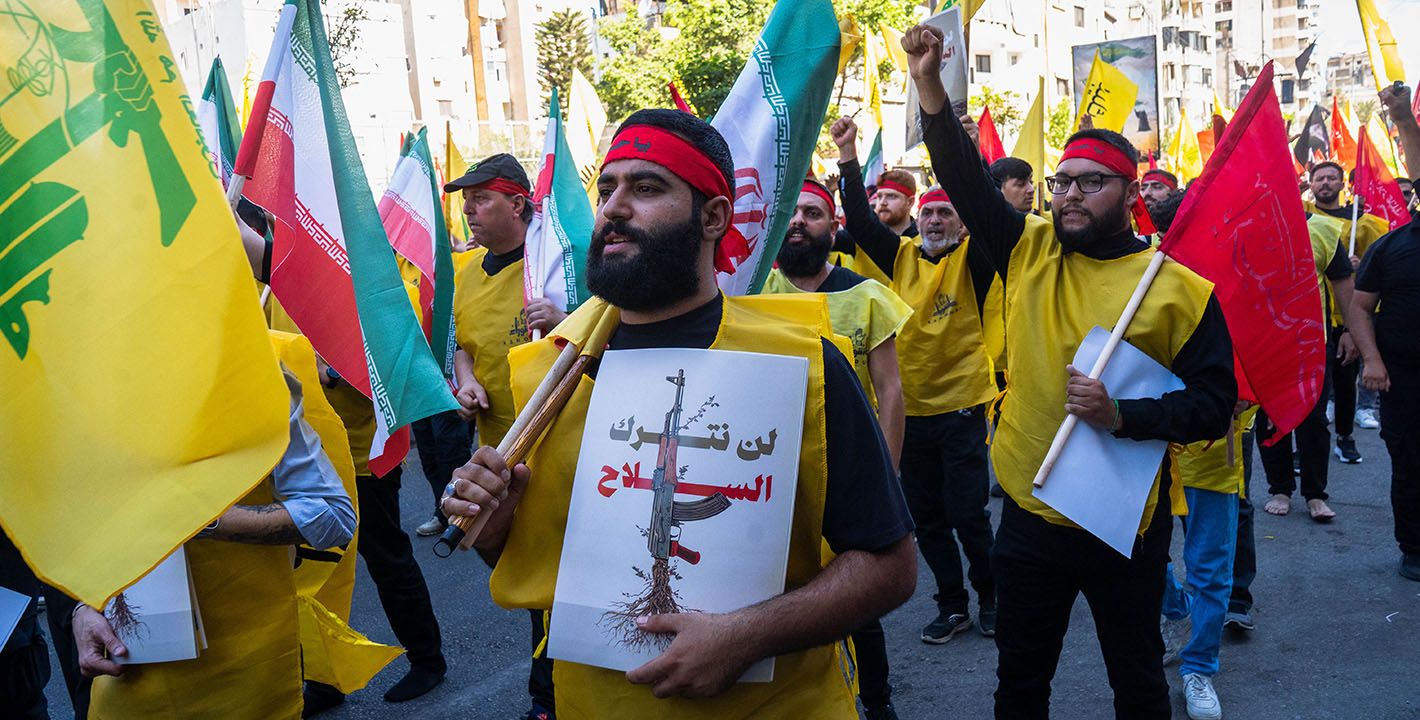
As the government falters over collecting the party’s weapons, a process of constitutional reform may be unavoidable.
Michael Young