

Commentary
Israeli-Lebanese talks have stalled, and the reason is that the United States and Israel want to impose normalization.
Michael Young
{
  "authors": [
    "Ghida Tayara"
  ],
  "type": "commentary",
  "blog": "Diwan",
  "centerAffiliationAll": "",
  "centers": [
    "Carnegie Endowment for International Peace",
    "Malcolm H. Kerr Carnegie Middle East Center"
  ],
  "englishNewsletterAll": "",
  "nonEnglishNewsletterAll": "",
  "primaryCenter": "Malcolm H. Kerr Carnegie Middle East Center",
  "programAffiliation": "",
  "programs": [],
  "projects": [],
  "regions": [
    "Lebanon"
  ],
  "topics": []
}
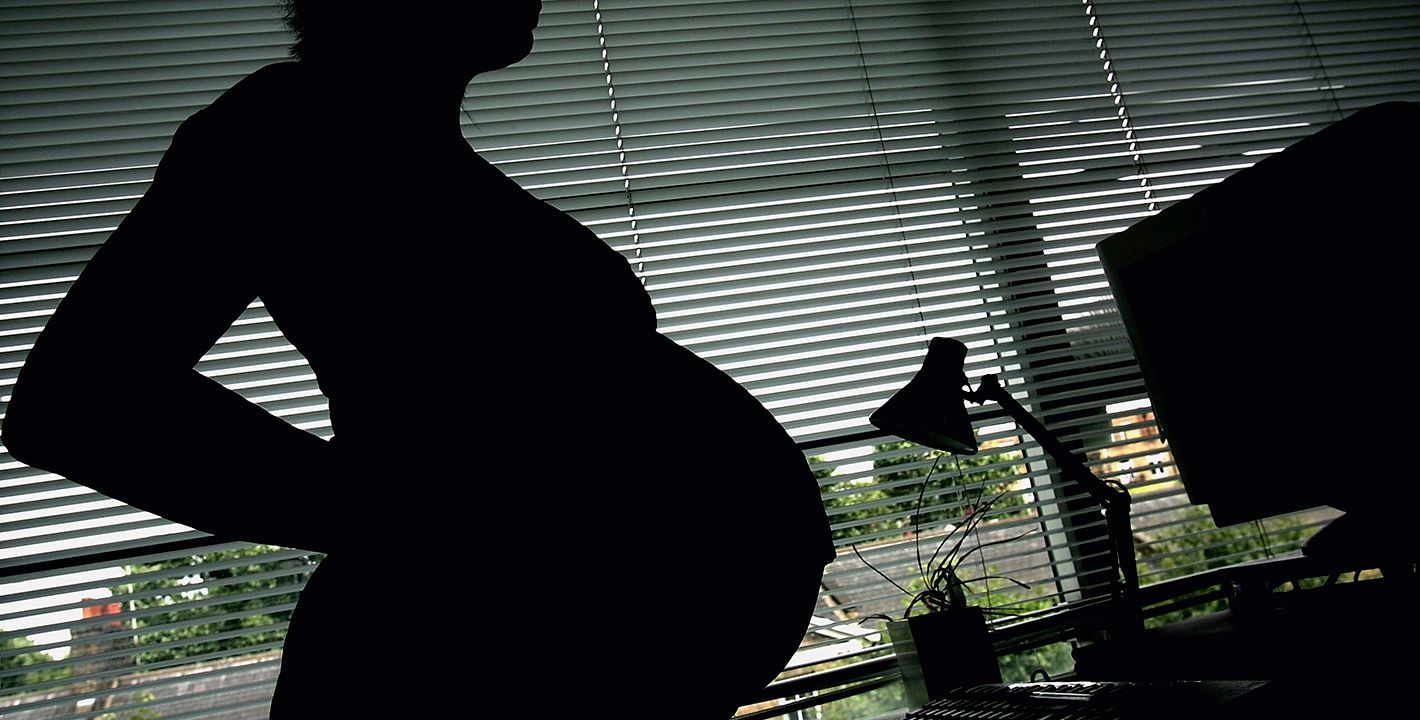
While the country has improved its labor laws, more should be done to empower women.
In Lebanon, where economic revitalization is essential for the country’s eventual recovery from multiple crises, the active involvement of the population in the workforce is a requirement. This includes the contributions of both men and women to the nation’s human capital. For this to happen, a foundation of equal opportunity must be in place.
One of the most significant measures advancing gender equality in the workplace is maternity leave. In 1946, when Lebanon’s first labor law was passed, maternity leave was granted for 40 days. Although this was considered progressive for the region at the time, it was still below the International Labor Organization’s (ILO) recommendation. Further amendments to maternity leave duration were made in 2000, with law No. 207, which extended the period to 49 days. In 2012, law No. 267 prolonged it further, to ten weeks with full pay. This is the law operating in the country today, whereas the ILO recommendation is fourteen weeks and that of the World Health Organization (WHO) is eighteen weeks.
Another way of addressing gender equality in the workplace is through equal pay, but also non-discriminatory job requirements. The 1946 labor law, for example, had many restrictions on women joining certain sectors deemed hazardous. In 1977, the Lebanese government ratified ILO convention No. 111, committing Lebanon to banning discrimination in recruitment, employment, and salaries. However, the Lebanese failed to implement the convention and no enforcement mechanism was put in place. Although the number of women entering the workforce was increasing, the civil war of 1975–1990 created an environment that was unfavorable to progress. It wasn’t until 2000 that the labor law was amended to include a prohibition on wage gaps, with Article 26 banning gender discrimination. However, again, the law did not include an enforcement mechanism, nor did it clearly outline a penalty for noncompliance. In 2020, Lebanon also passed law No. 205 criminalizing sexual harassment in employment and educational contexts for the first time.
Lebanon’s non-conformity with ILO standards regarding maternity leave is not unusual when compared to other countries in the Middle East and North Africa. Labor laws in the United Arab Emirates, for example, provide women with 90 days of paid maternity leave. This is still below the fourteen-week standard, although UAE law guarantees paid breastfeeding breaks for mothers up to six months after delivery. Paid nursing breaks offer mothers an opportunity to tend to their babies after returning to work by reducing their working hours. Many countries in the region offer such breaks without meeting the ILO minimum for maternity leave, such as Saudi Arabia, Jordan, Tunisia, and Egypt, among others.
In fact, Egypt passed a new law this year granting maternity leave for four months and allowing paid breastfeeding breaks. Egypt had been suffering from a significant gender gap, with female participation in the workforce estimated at only 15 percent. The new law seeks to encourage Egyptian women to join the workforce and places the country in a leading position for having the longest maternity leave in the Middle East and North Africa.
Outside the region, many countries do not comply with ILO standards for maternity leave. For example, United States federal law provides unpaid maternity leave for up to twelve weeks, making it the only high-income country in the world that has not legislated paid maternity or parental leave. In contrast, in neighboring Canada leave can be extended for up to 50 weeks—with limited benefits depending on the duration—and can be taken by either parent. The difference lies in the funding. Canada, like most countries with favorable leave conditions, finances the leave benefits through social insurance programs.
The financial situation in Lebanon would make it difficult for the government to fund any type of leave benefits. However, the country can improve leave conditions by implementing paid breastfeeding breaks and enshrining this in law.
The ILO and WHO recommend longer maternity leaves for the advantages they offer for both a mother’s and a child’s wellbeing. Postpartum recovery requires adequate time, and consistent care from a mother has shown long-term developmental benefits for babies. In fact, studies have established a link between longer leaves and reduced infant mortality. Longer maternity leave also facilitates breastfeeding which has been shown to strengthen a child’s immunity. The mother’s mental health gains as well from more time off, as this significantly reduces the risk of postpartum depression and anxiety. Additionally, any improvement in maternal and infant health reduces pressure on healthcare services.
With regard to gender equality in the workplace, longer maternity leave also protects women from pregnancy-related discrimination or job losses and ensures income security and social protection for working women. Fair maternity leave conditions allow women to pursue their career goals without having to sacrifice their roles at home. In the Lebanese context this is important. The country’s deteriorating economic situation has made Lebanese households increasingly reliant on two incomes to make ends meet. Short maternity leave, however, could force women to choose between work and family.
Whether they are driven by career aspirations or financial need, women will feel more empowered to work when their basic rights are met. Lebanese labor laws should be updated according to new socioeconomic developments. Working mothers, and women in general, should benefit from ILO standards when it comes to their rights in the labor market.
Carnegie does not take institutional positions on public policy issues; the views represented herein are those of the author(s) and do not necessarily reflect the views of Carnegie, its staff, or its trustees.
Israeli-Lebanese talks have stalled, and the reason is that the United States and Israel want to impose normalization.

Michael Young
Beirut and Baghdad are both watching how the other seeks to give the state a monopoly of weapons.
Hasan Hamra

Recent leaks made public by Al-Jazeera suggest that this is the case, but the story may be more complicated.
Mohamad Fawaz
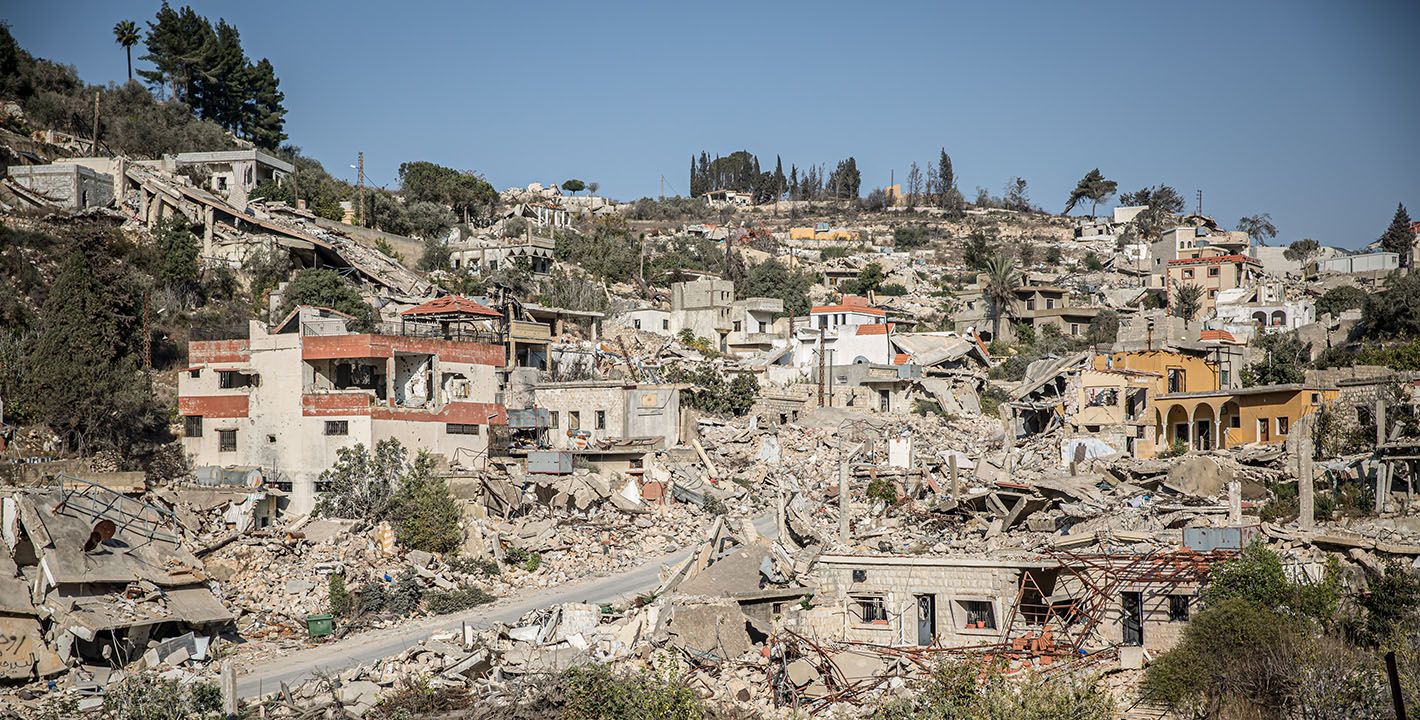
The U.S. is trying to force Lebanon and Syria to normalize with Israel, but neither country sees an advantage in this.
Michael Young
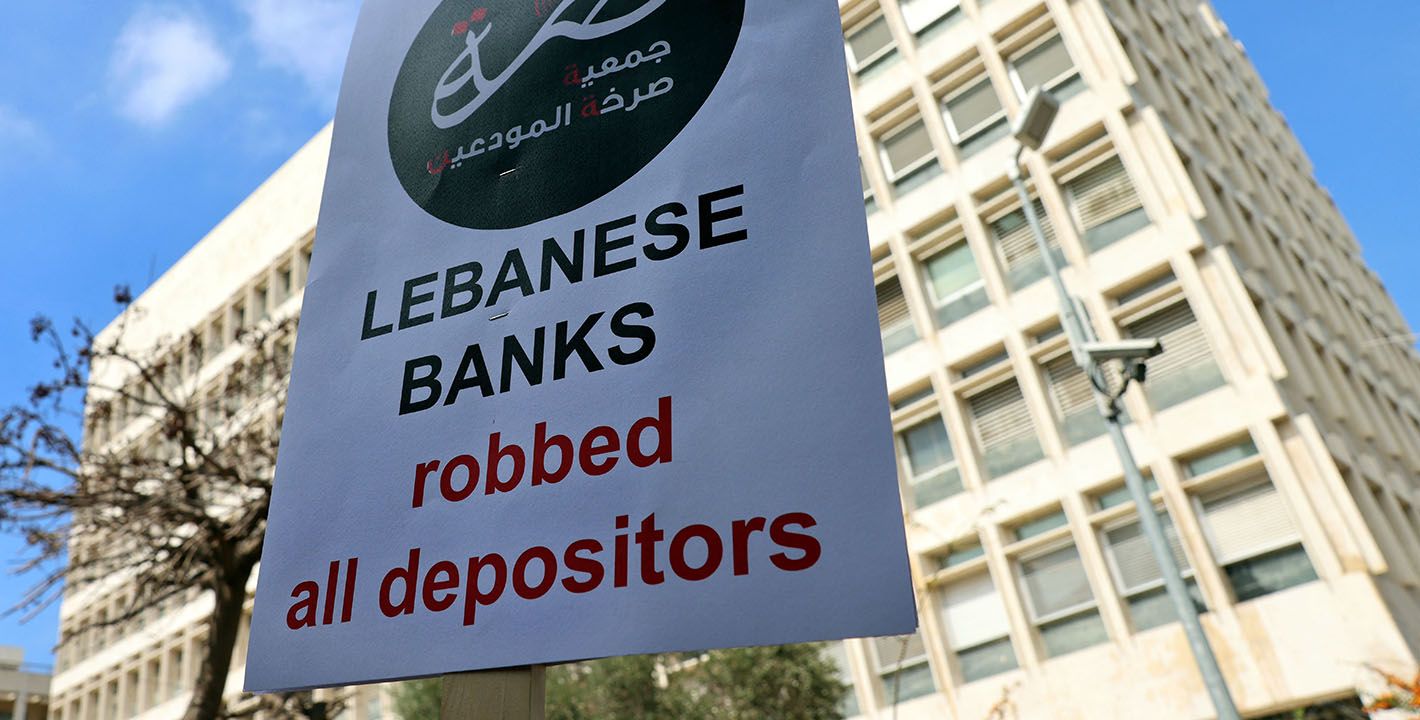
In an interview, Ishac Diwan looks at the merits and flaws in the draft legislation distributing losses from the financial collapse.
Michael Young