

In The Media
Minxin Pei
{
  "authors": [
    "Minxin Pei"
  ],
  "type": "legacyinthemedia",
  "centerAffiliationAll": "dc",
  "centers": [
    "Carnegie Endowment for International Peace"
  ],
  "collections": [],
  "englishNewsletterAll": "asia",
  "nonEnglishNewsletterAll": "",
  "primaryCenter": "Carnegie Endowment for International Peace",
  "programAffiliation": "AP",
  "programs": [
    "Asia"
  ],
  "projects": [],
  "regions": [
    "China"
  ],
  "topics": [
    "Political Reform"
  ]
}
REQUIRED IMAGE
Source: Financial Times
The death of Zhao Ziyang, the former secretary-general of the Chinese Communist party who was purged in May 1989 for opposing the use of force against demonstrators in Tiananmen Square, not only marks the passing of a decent and courageous leader but also underscores how distant China remains from his liberal vision.Zhao was one of few leaders who understood that democratic reforms must accompany market reform. When he chaired a taskforce on political reform during 1986 and 1987, Zhao warned his colleagues: "Democracy is not something socialism can avoid. The people's demand for democracy is a trend. We must meet their demand to the fullest extent."
Zhao's taskforce produced a blueprint for moderate political change that would have made the party more democratic and expanded public participation at the local level. Had the Communist party acted on the plan, China would have become a kinder, gentler nation. But in the 16 years since Tiananmen, the party has done the opposite. Instead of liberalising politics and expanding democracy, it has deployed the resources of the state to strengthen its repressive capacity and expand its support among emerging social elites.
It has done this in two ways. The first is through selective repression. Since Tiananmen, the Chinese government has improved its tactics in dealing with political dissent and social unrest. Although the government has curtailed the scope of repression, it has deployed far more sophisticated tools. By driving most leading dissidents into exile, the government has decapitated the pro-democracy movement. In managing rising social unrest, it has trained a large, well-equipped riot police force, set up a network of informers and developed better procedures for breaking up demonstrations, arresting protest leaders and defusing public anger.
In the past decade, the incidence of riots, demonstrations and strikes has increased by about 60 per cent a year. In 2004, there were reported to be 50,000 such incidents in China. Surprisingly, none evolved into a significant political threat to party rule.
Nowhere has the party better demonstrated its capacity for responding to new threats than in its handling of the internet. Confounding those who predicted that the internet would make it impossible for authoritarian regimes to control information, Beijing has largely neutralised the web's democratising impact. It has done so by forming a special police unit devoted to controlling the web, enforcing regulatory controls (limiting the number of gateways into China and forcing domestic internet service providers to self-police) and by applying technology (filtering and monitoring software).
The second component to the strategy is the co-option of new social elites. The party understands that its survival depends on preventing the emergence of a counter-elite. Even though it has resisted the expansion of democracy, which would have incorporated more ordinary people into the political process, it has set about enlisting professionals and private entrepreneurs.
Professionals have been recruited into the party and appointed to powerful administrative positions in universities and research institutions. The government also parcels out professional recognition, along with material perks, to a select group of intellectuals and scientists. According to one official statistic, about 8 per cent of China's senior scientists and researchers enjoy such recognition and perks. Political co- option appears to have played an important part in containing the challenge from China's professionals and intellectuals. This group constantly pushed the party to undertake political reforms in the 1980s, but has remained largely acquiescent since 1989.
Similar tactics have been applied to enlist China's new entrepreneurs, who have been wooed with admission to the Communist party and local and national legislatures. A 2002 survey of 3,635 entrepreneurs reported that 30 per cent were party members and 35 per cent had been recruited into the Chinese People's Political Consultative Conference, a prestigious government advisory group.
The success of this illiberal programme has allowed the Communist party to resist the democratic reforms envisaged by Zhao. But it would be a mistake for it to believe that this is sustainable. It has worked mainly because China's growing economic prosperity has given the party a new lease on life. When such a strategy eventually fails, Zhao's liberal vision will be vindicated.
The writer is the director of the China Program at the Carnegie Endowment for International Peace in Washington

Former Adjunct Senior Associate, Asia Program
Pei is Tom and Margot Pritzker ‘72 Professor of Government and the director of the Keck Center for International and Strategic Studies at Claremont McKenna College.
Recent Work
Minxin Pei
Minxin Pei
Carnegie does not take institutional positions on public policy issues; the views represented herein are those of the author(s) and do not necessarily reflect the views of Carnegie, its staff, or its trustees.

China has aligned its cooperation model with Saudi Arabia’s own priorities, most notably since the kingdom unveiled its Vision 2030. Although China announced the Belt and Road Initiative in 2013, the big push in relations happened only after the ascendance of King Salman to the throne in 2015 and Riyadh’s push for Beijing to meet Saudi needs.

Hesham Alghannam

A humanitarian crisis in Lebanon deepens, and Syrian refugees face a perilous choice: remain in a war-torn environment or return to Syria where they risk encountering significant dangers and discrimination. There are significant challenges and risks to their search for safety in Syria.
Haid Haid
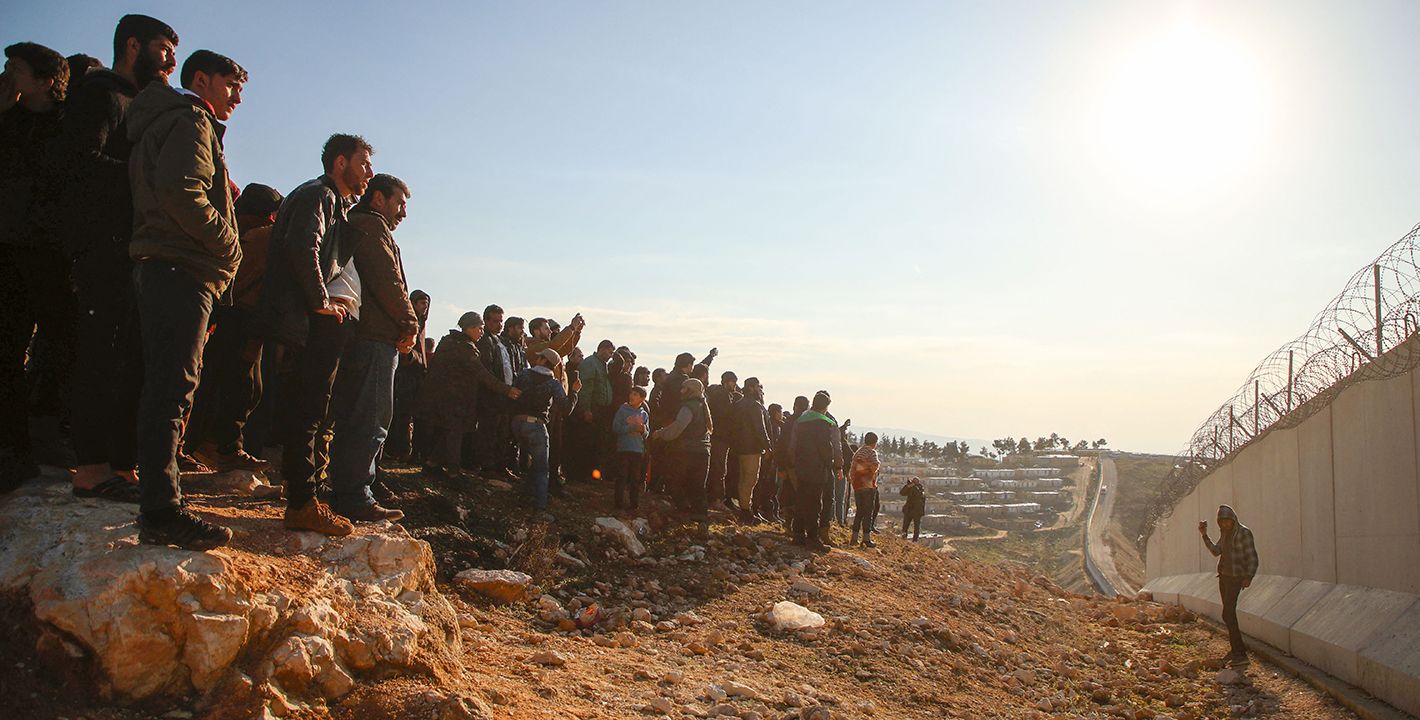
In Syria’s border regions, changes in demographics, economics, and security mean that an inter-Syrian peace process will require consensus among main regional powers that Syria must remain united, that no one side can be victorious, and that perennial instability threatens the region.

Kheder Khaddour, Armenak Tokmajyan
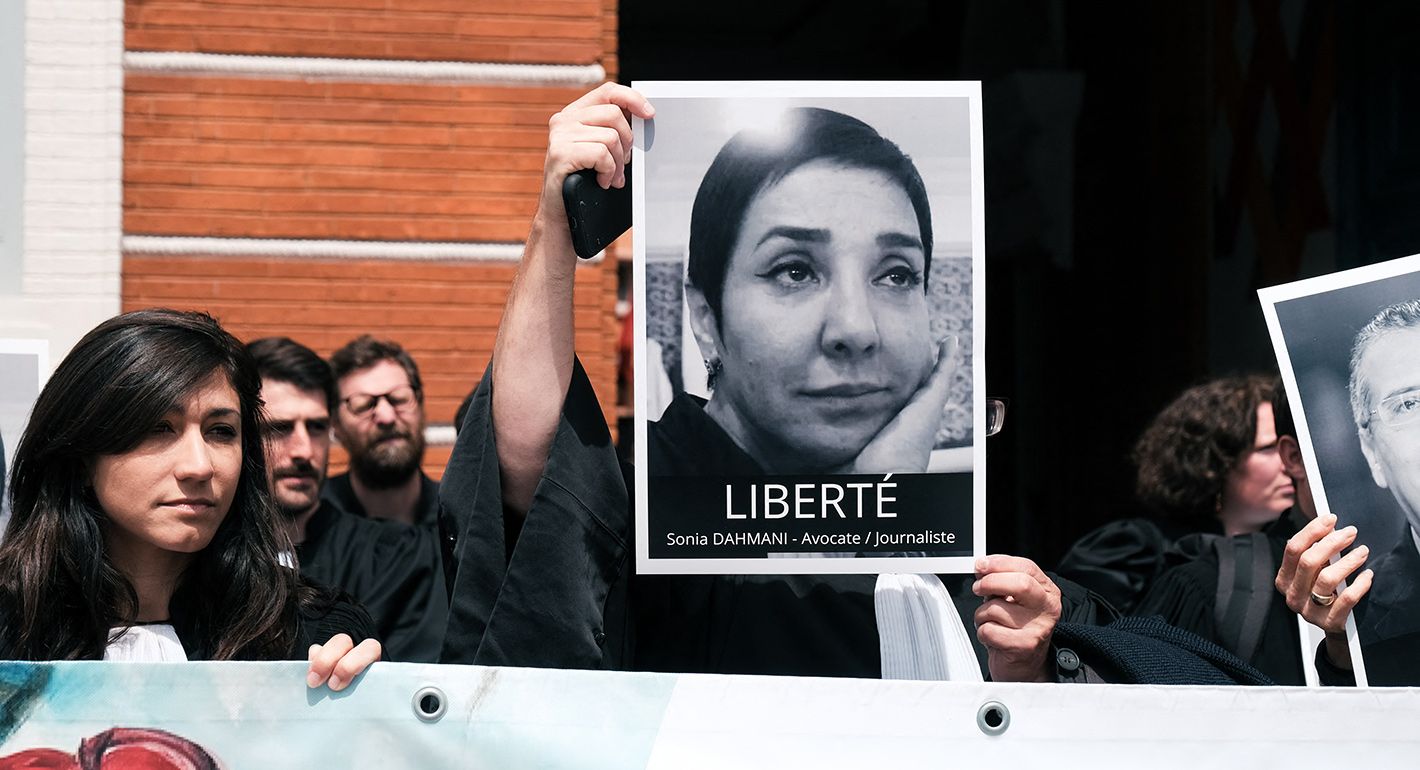
For many in the society, the post-Ben Ali years were mainly about successive economic crises and political instability.
Jasmine Khelil

The Gulf Cooperation Council has shifted its energy export focus to Asia, particularly India and China. This is part of a broader shift as GCC members look to expand their geopolitical alliances away from the West.
Alexandre Kateb