

Commentary
In an interview, Kheder Khaddour explains that Damascus is trying to stabilize its borders, but avoiding war isn’t guaranteed.
Michael Young
{
  "authors": [],
  "type": "pressRelease",
  "centerAffiliationAll": "dc",
  "centers": [
    "Carnegie Endowment for International Peace"
  ],
  "collections": [],
  "englishNewsletterAll": "asia",
  "nonEnglishNewsletterAll": "",
  "primaryCenter": "Carnegie Endowment for International Peace",
  "programAffiliation": "AP",
  "programs": [
    "Asia"
  ],
  "projects": [],
  "regions": [
    "North America",
    "United States",
    "China"
  ],
  "topics": [
    "Economy",
    "Foreign Policy"
  ]
}
REQUIRED IMAGE
China’s economy will surpass that of the United States by 2035 and be twice its size by midcentury, a new report by Albert Keidel concludes. China’s rapid growth is driven by domestic demand—not exports—and will sustain high single-digit growth rates well into this century.
WASHINGTON, July 8—China’s economy will surpass that of the United States by 2035 and be twice its size by midcentury, a new report by Albert Keidel concludes. China’s rapid growth is driven by domestic demand—not exports—and will sustain high single-digit growth rates well into this century.
In China’s Economic Rise—Fact and Fiction, Keidel examines China’s likely economic trajectory and its implications for global commercial, institutional, and military leadership.
Key Conclusions:
"China’s economic performance clearly is no flash in the pan. Its growth this decade has averaged more than 10 percent a year and is still going strong in the first half of 2008. Because its success in recent decades has not been export-led but driven by domestic demand, its rapid growth can continue well into the twenty-first century, unfettered by world market limitation. China’s likely continued success will eventually bring an end to America’s global economic preeminence, requiring strategic reassessment by all major economies—especially the United States, the European Union, Japan, and even China itself."
###

Carnegie does not take institutional positions on public policy issues; the views represented herein are those of the author(s) and do not necessarily reflect the views of Carnegie, its staff, or its trustees.
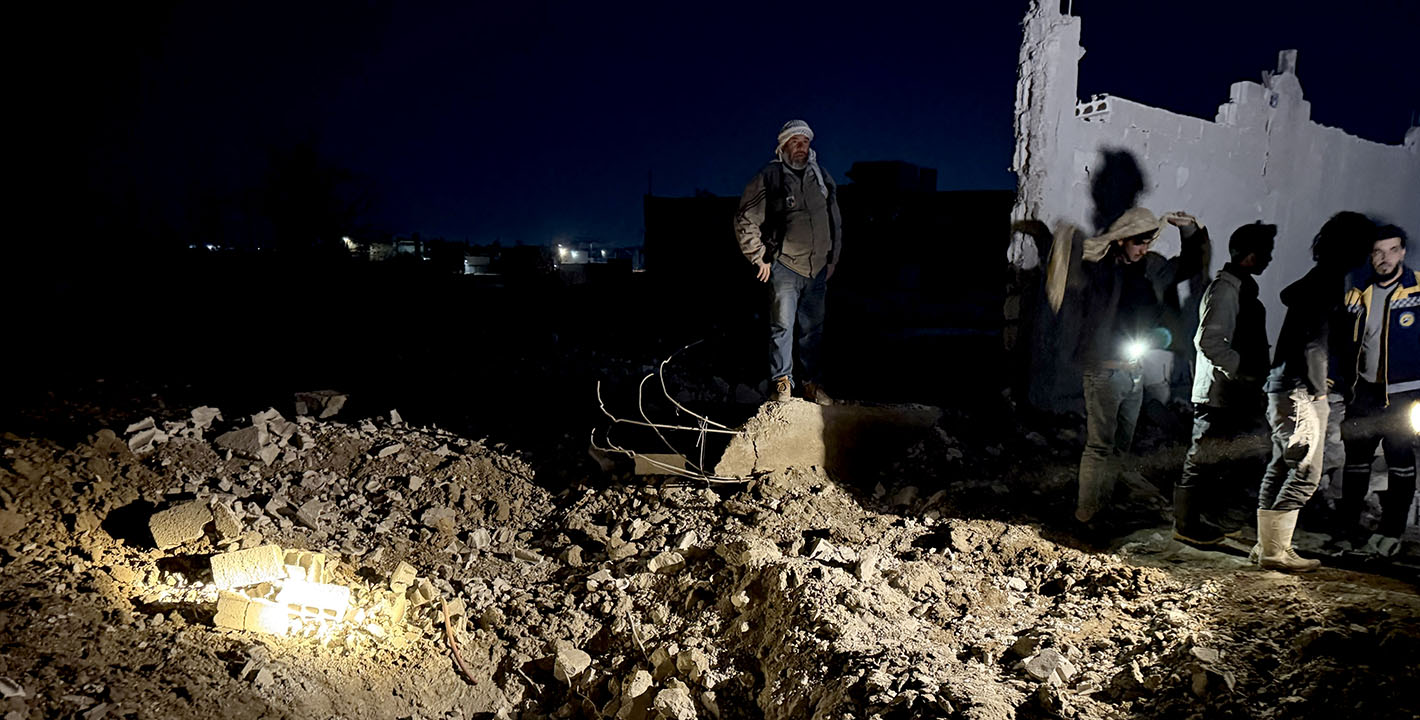
In an interview, Kheder Khaddour explains that Damascus is trying to stabilize its borders, but avoiding war isn’t guaranteed.

Michael Young
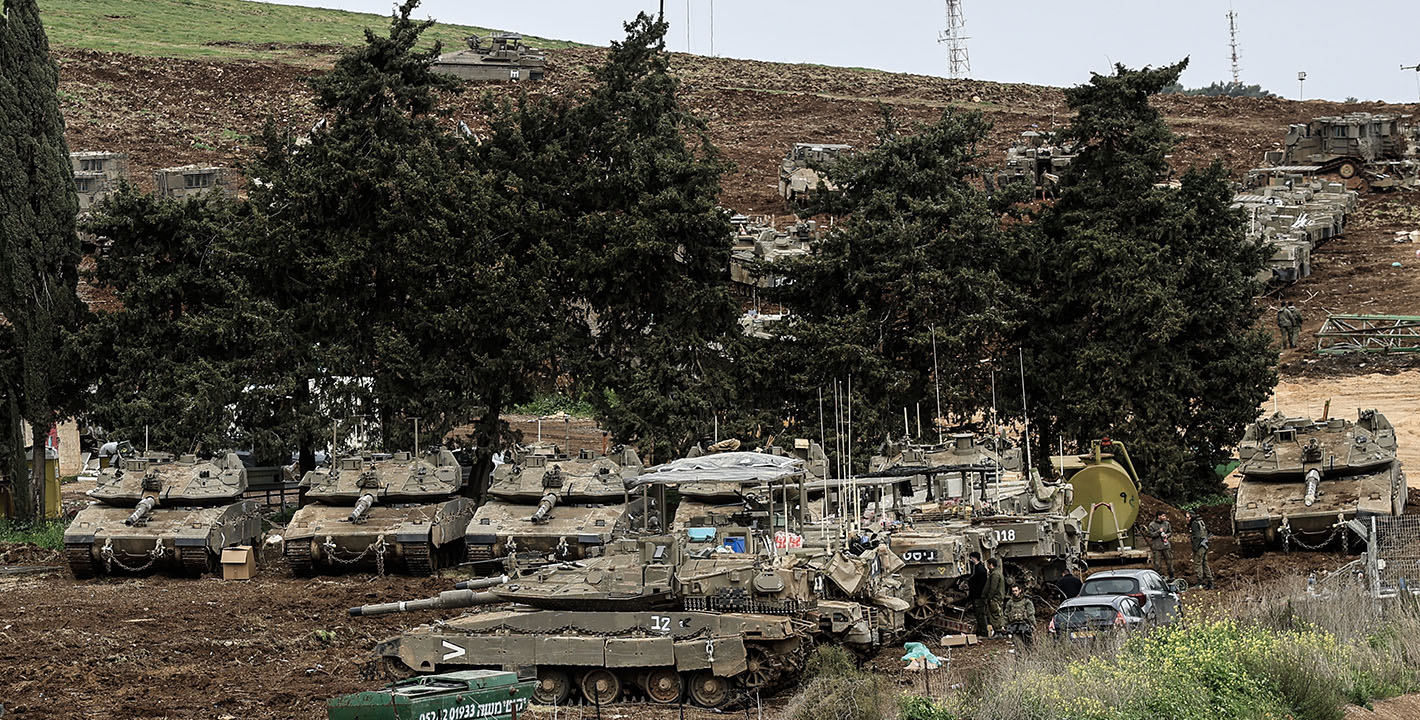
The country’s strategy is no longer focused on deterrence and diplomacy, it’s about dominance and degradation.

Nathan J. Brown
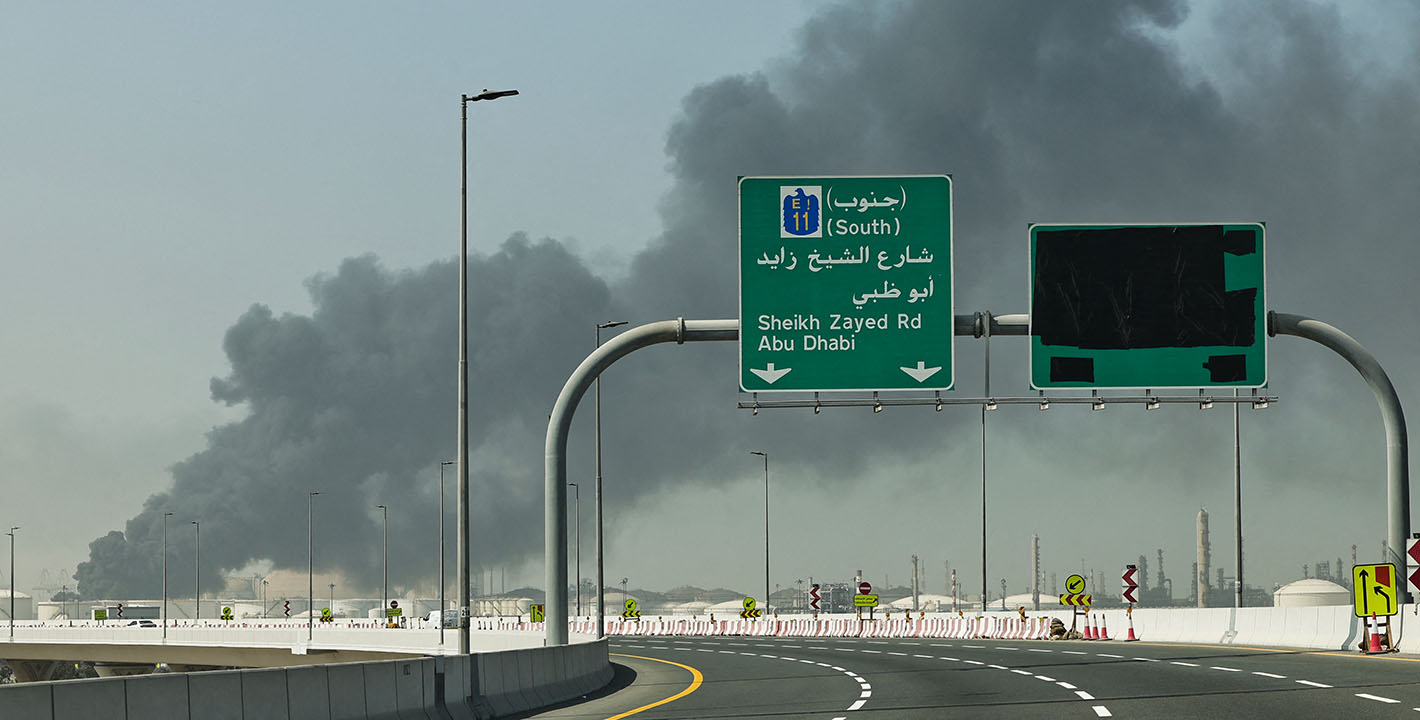
The countries in the region are managing the fallout from Iranian strikes in a paradoxical way.

Angie Omar

In an interview, Hassan Mneimneh discusses the ongoing conflict and the myriad miscalculations characterizing it.
Michael Young
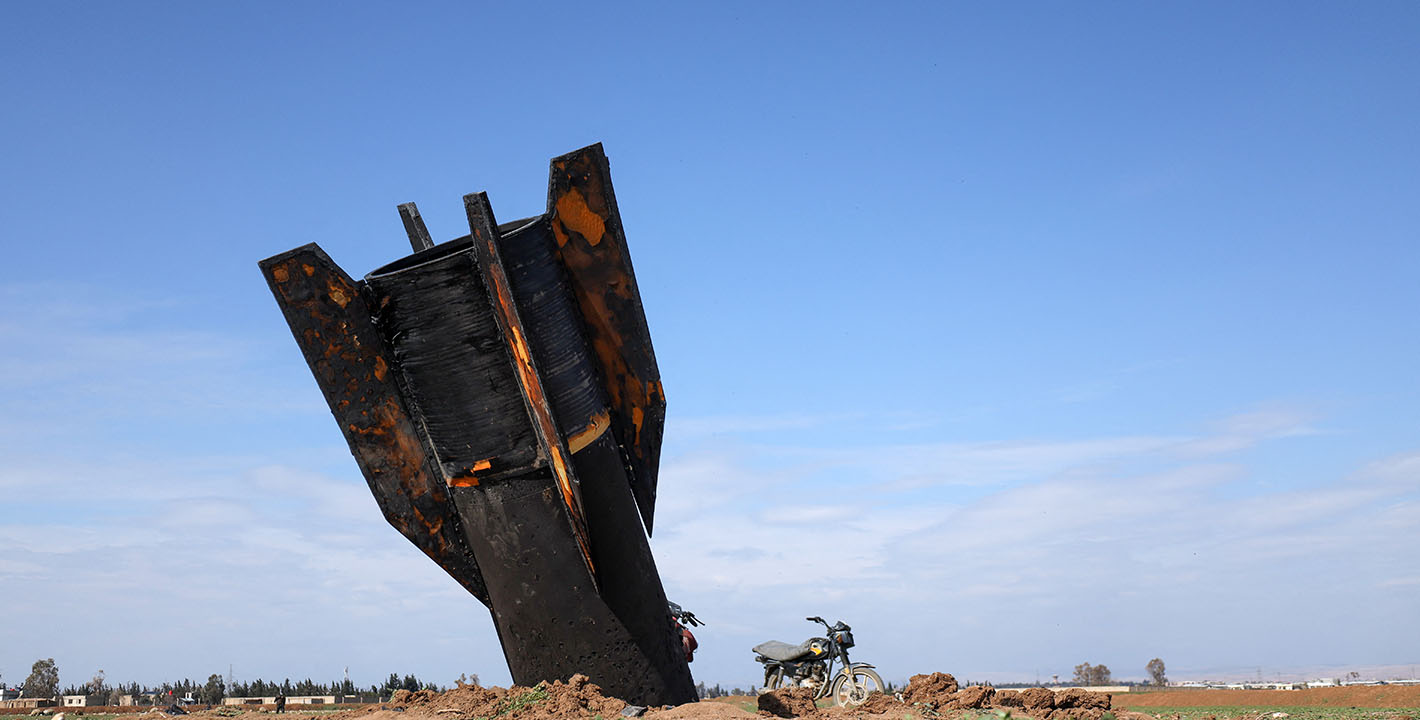
In an interview, Nicole Grajewski discusses the military dimension of the U.S. and Israeli attacks on Iran.
Michael Young