

Commentary
Implementing Phase 2 of Trump’s plan for the territory only makes sense if all in Phase 1 is implemented.
Yezid Sayigh
{
  "authors": [],
  "type": "other",
  "centerAffiliationAll": "",
  "centers": [
    "Carnegie Endowment for International Peace",
    "Carnegie Europe",
    "Carnegie China",
    "Malcolm H. Kerr Carnegie Middle East Center",
    "Carnegie Russia Eurasia Center"
  ],
  "collections": [
    "China’s Foreign Relations",
    "U.S.-China Relations"
  ],
  "englishNewsletterAll": "",
  "nonEnglishNewsletterAll": "",
  "primaryCenter": "Carnegie Endowment for International Peace",
  "programAffiliation": "",
  "programs": [],
  "projects": [],
  "regions": [
    "North America",
    "United States"
  ],
  "topics": [
    "Political Reform"
  ]
}
To help shed light on the fast-approaching U.S. presidential election, Carnegie offers a guide to America’s unique, and often confusing, electoral process.
To help shed light on the fast-approaching U.S. presidential election, Carnegie offers a guide to America’s unique, and often confusing, electoral process.
This new resource provides a concise overview of key dates and concepts from the primary election through the transition—including the two-party system, the difference between “red” states and “blue” states, what electoral votes are, and how candidates compete for and win office.
The United States holds a presidential election every four years. While only American citizens get to vote, the outcome has global implications. Here is how an American presidential election works. Click on the image to the left to launch.
Carnegie does not take institutional positions on public policy issues; the views represented herein are those of the author(s) and do not necessarily reflect the views of Carnegie, its staff, or its trustees.
Implementing Phase 2 of Trump’s plan for the territory only makes sense if all in Phase 1 is implemented.
Yezid Sayigh
Israeli-Lebanese talks have stalled, and the reason is that the United States and Israel want to impose normalization.

Michael Young
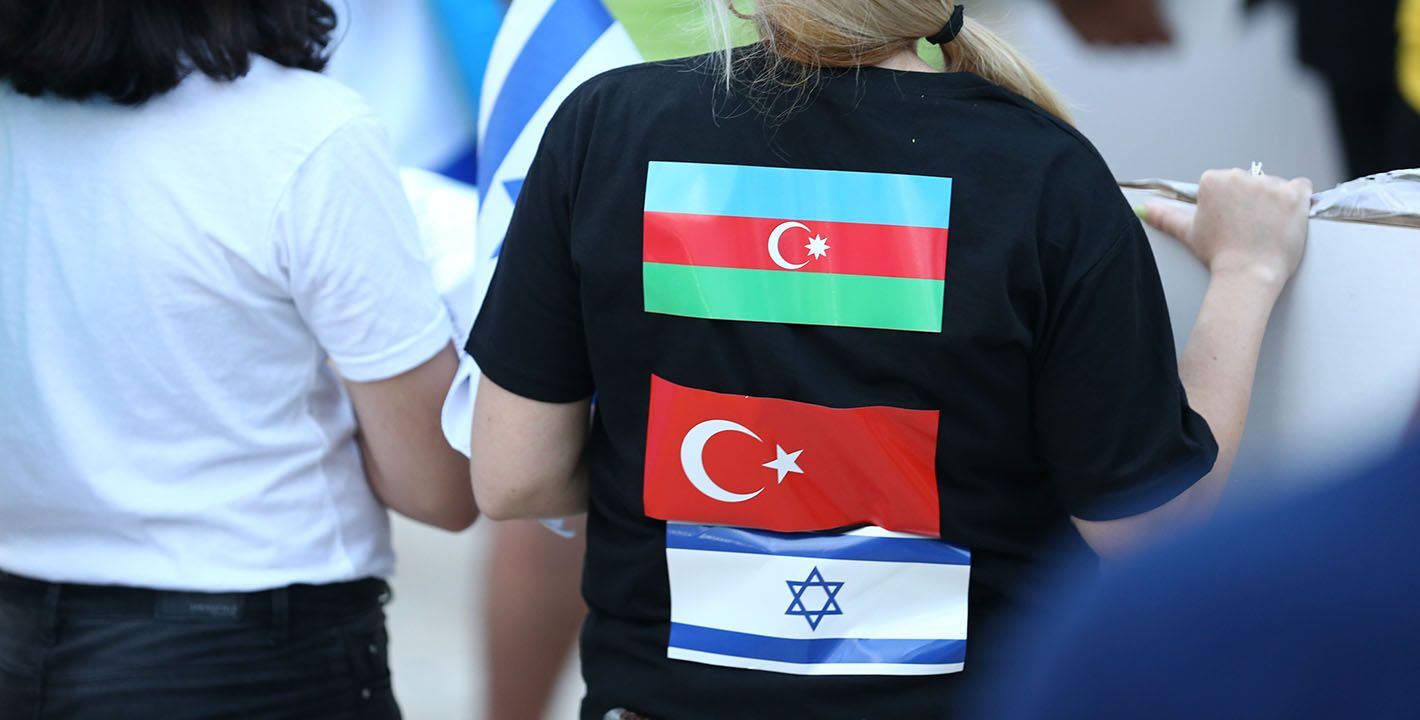
The country’s leadership is increasingly uneasy about multiple challenges from the Levant to the South Caucasus.
Armenak Tokmajyan
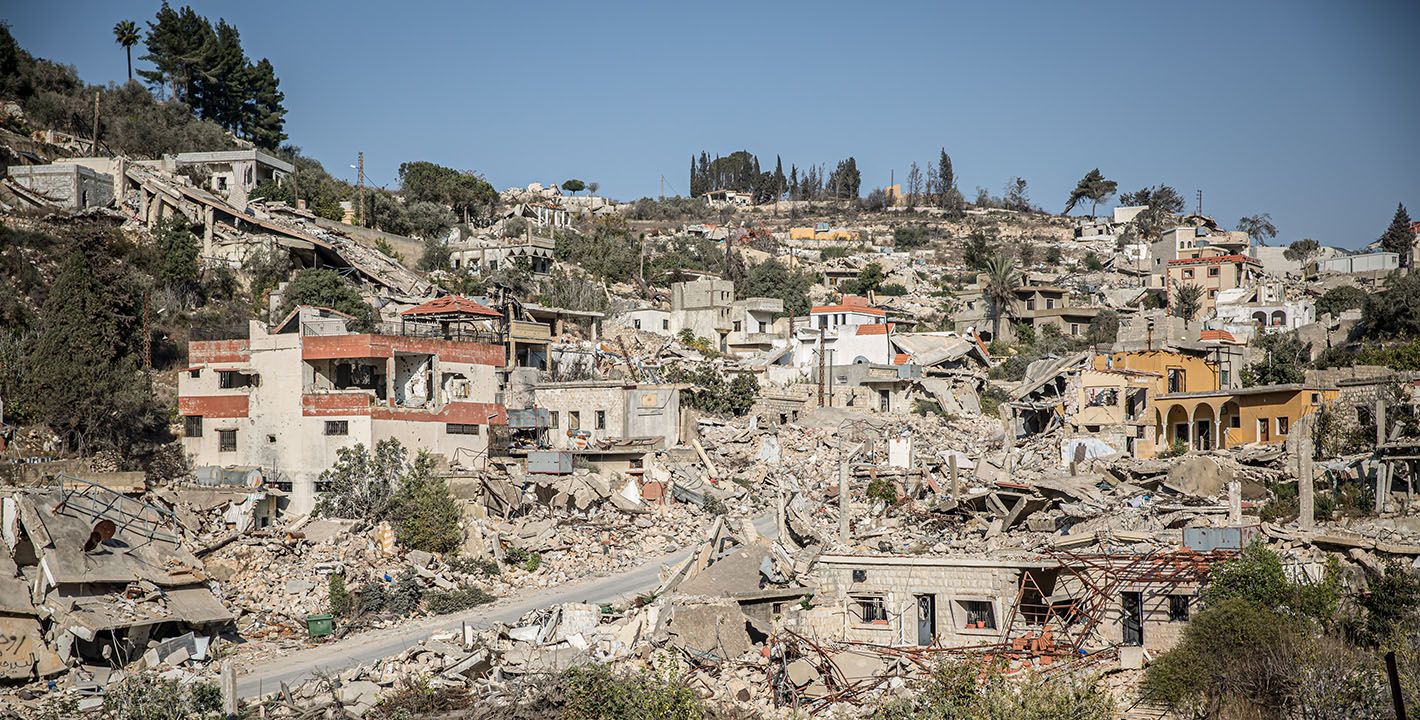
The U.S. is trying to force Lebanon and Syria to normalize with Israel, but neither country sees an advantage in this.
Michael Young
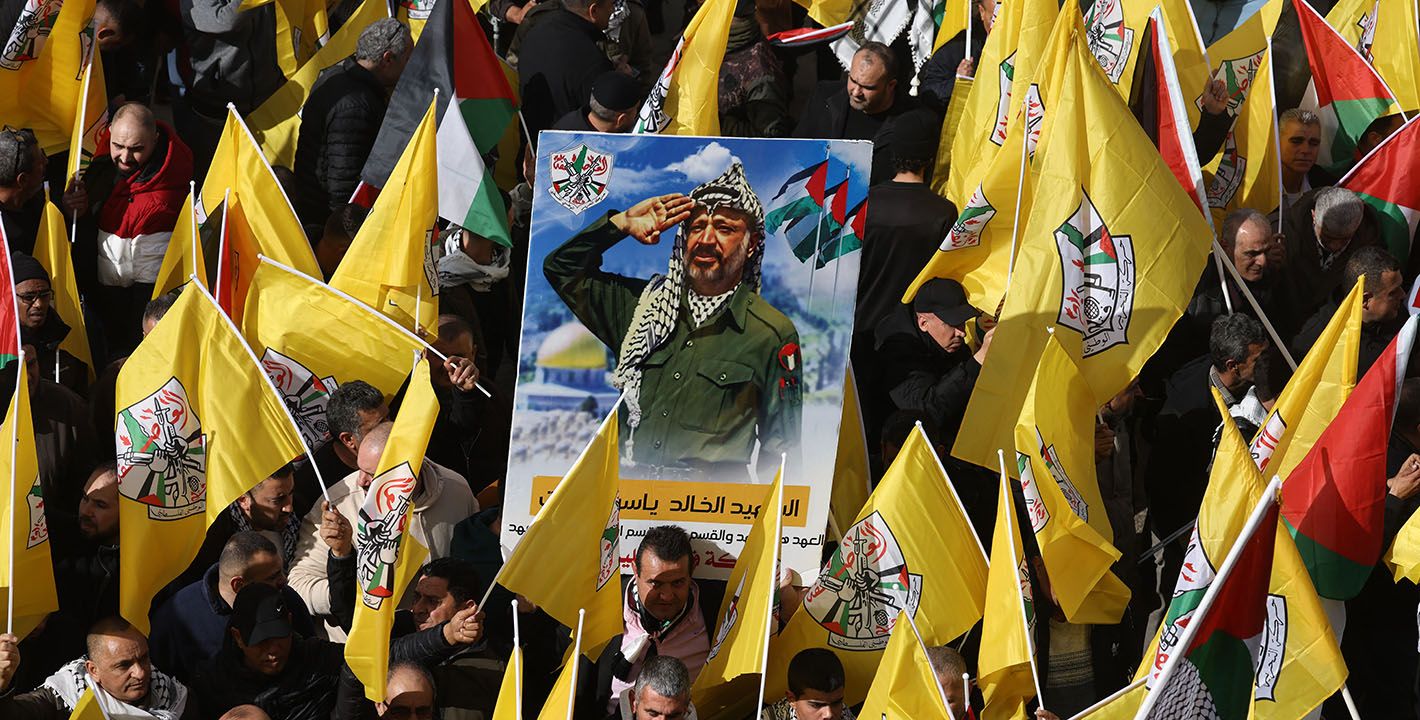
The objective is to lock Hamas out of political life, but the net effect may be negative indeed.

Nathan J. Brown