

Commentary
The country’s leadership is increasingly uneasy about multiple challenges from the Levant to the South Caucasus.
Armenak Tokmajyan
{
  "authors": [
    "James M. Acton"
  ],
  "type": "other",
  "centerAffiliationAll": "",
  "centers": [
    "Carnegie Endowment for International Peace"
  ],
  "collections": [
    "U.S. Nuclear Policy"
  ],
  "englishNewsletterAll": "",
  "nonEnglishNewsletterAll": "",
  "primaryCenter": "Carnegie Endowment for International Peace",
  "programAffiliation": "",
  "programs": [
    "Nuclear Policy"
  ],
  "projects": [],
  "regions": [
    "North America",
    "United States"
  ],
  "topics": [
    "Nuclear Policy",
    "Arms Control"
  ]
}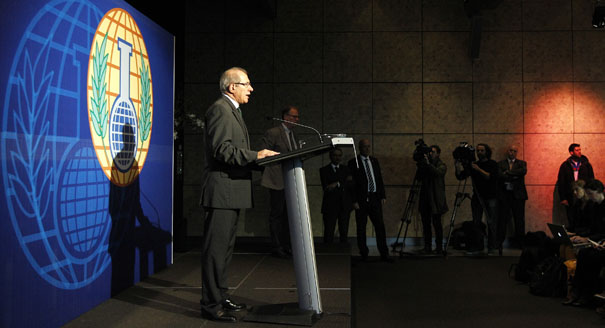
While intelligence sharing creates risks for both national intelligence agencies and international verification organizations, it is ultimately critical to the effective verification of arms control agreements.
Source: Intelligence and National Security
Both national intelligence agencies (NIAs) and international verification organizations (IVOs) attempt to assess compliance with arms control treaties. Their strengths and weaknesses are complementary. Because IVOs are seen as legitimate, they are able to conduct on-site inspections to verify declared activities and to confirm or disprove allegations of clandestine cheating.
NIAs are more flexible and have a greater ability to uncover preliminary evidence of clandestine activities on which further investigations can be based. Such investigations require NIAs to share intelligence with IVOs. While this kind of intelligence sharing is generally permitted by arms control agreements, it is controversial.Nonetheless, it appears to have become more common in recent years, particularly during the International Atomic Energy Agency’s investigation of Iran’s nuclear program. While intelligence sharing creates risks for both IVOs and NIAs, it is ultimately critical to the effective verification of arms control agreements and steps can and should be taken to ensure it becomes more common and less controversial....
The chapter "International Verification and Intelligence" was originally published in the special issue "Intelligence and Nuclear Proliferation" of Intelligence and National Security.
Carnegie does not take institutional positions on public policy issues; the views represented herein are those of the author(s) and do not necessarily reflect the views of Carnegie, its staff, or its trustees.
The country’s leadership is increasingly uneasy about multiple challenges from the Levant to the South Caucasus.

Armenak Tokmajyan
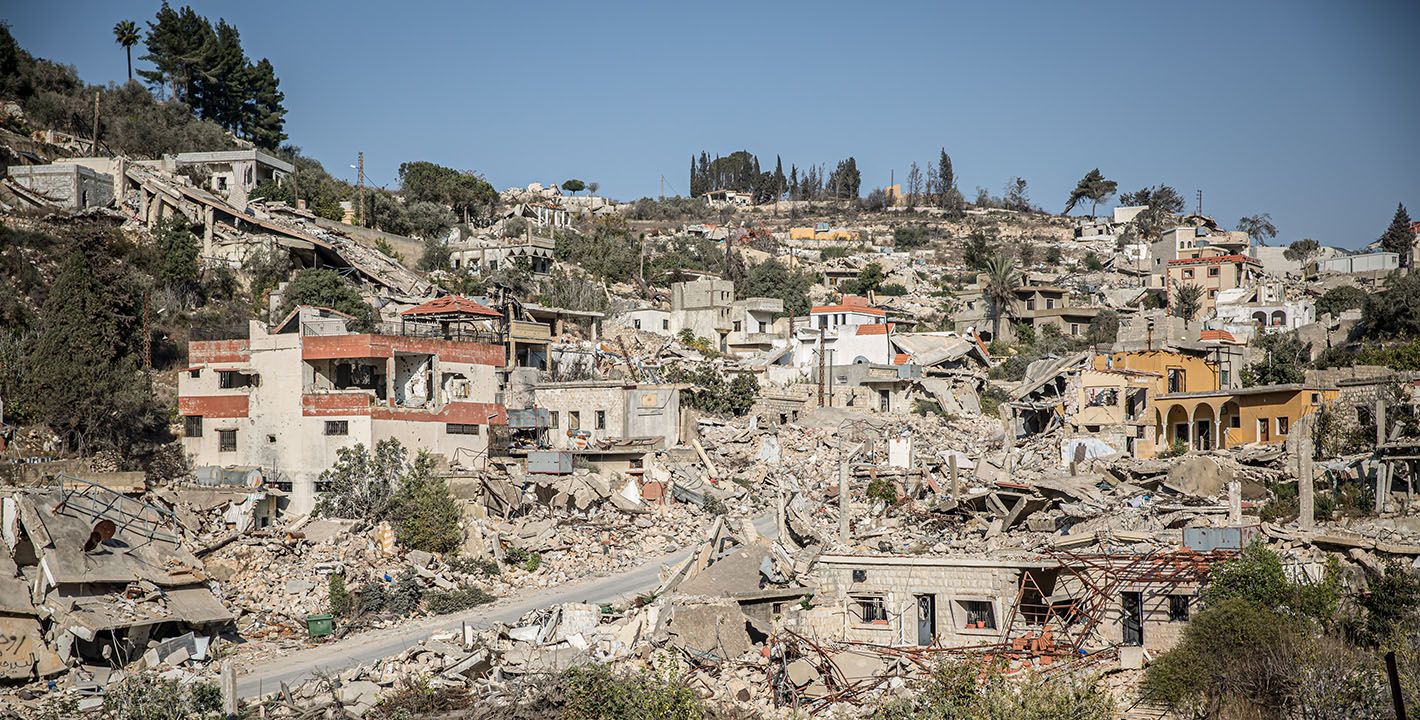
The U.S. is trying to force Lebanon and Syria to normalize with Israel, but neither country sees an advantage in this.

Michael Young
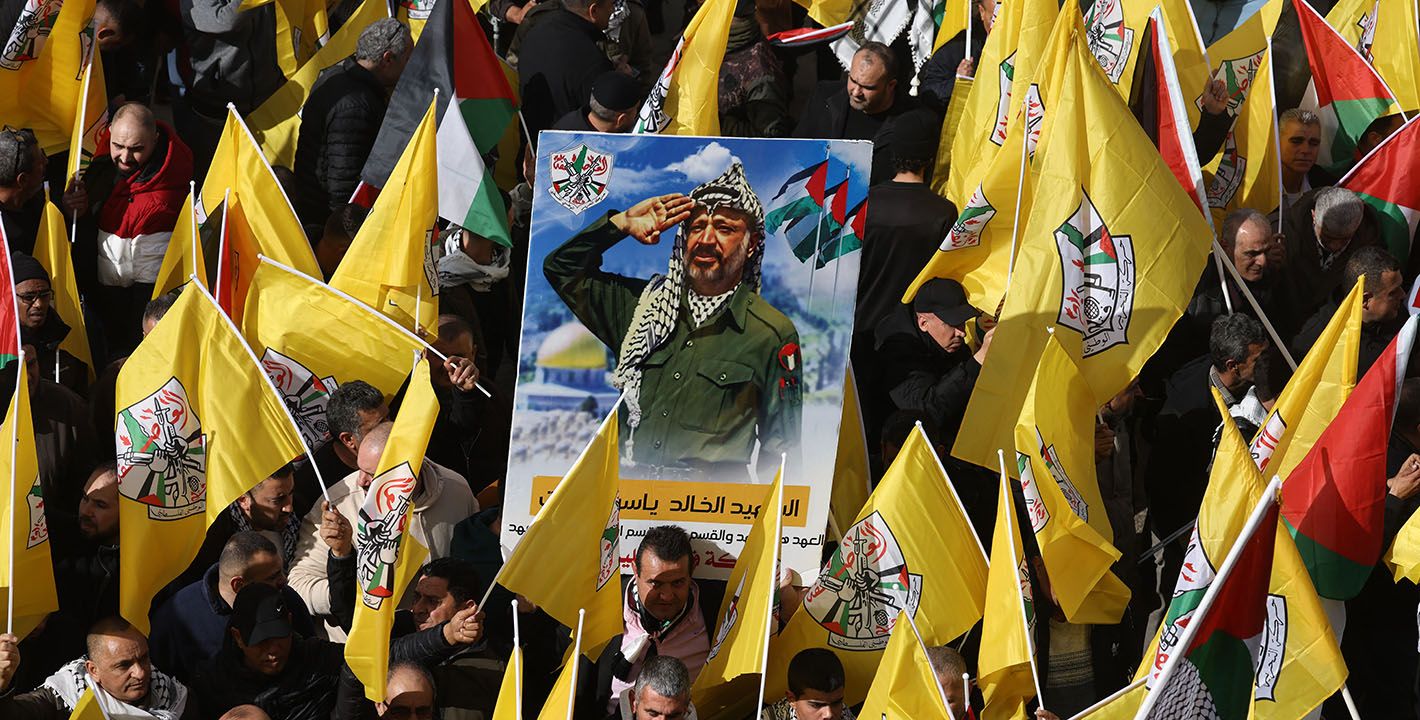
The objective is to lock Hamas out of political life, but the net effect may be negative indeed.

Nathan J. Brown

As Washington reduces its presence in the country, the success of its withdrawal and continued containment of the Islamic State will hinge on adopting an approach of flexible oversight built around three priorities, as well as balancing Turkish and Israeli red lines.
Kheder Khaddour, Issam Kayssi

The negotiator will have a delicate task of preserving Lebanon’s eroding sovereignty and getting on with Nabih Berri.
Michael Young