

Commentary
The burden of environmental degradation is felt not only through physical labor but also emotional and social loss.
Yasmine Zarhloule, Ella Williams
{
  "authors": [
    "Wang Tao"
  ],
  "type": "legacyinthemedia",
  "centerAffiliationAll": "",
  "centers": [
    "Carnegie Endowment for International Peace",
    "Carnegie China"
  ],
  "collections": [],
  "englishNewsletterAll": "",
  "nonEnglishNewsletterAll": "",
  "primaryCenter": "Carnegie China",
  "programAffiliation": "",
  "programs": [],
  "projects": [],
  "regions": [
    "East Asia",
    "China"
  ],
  "topics": [
    "Climate Change"
  ]
}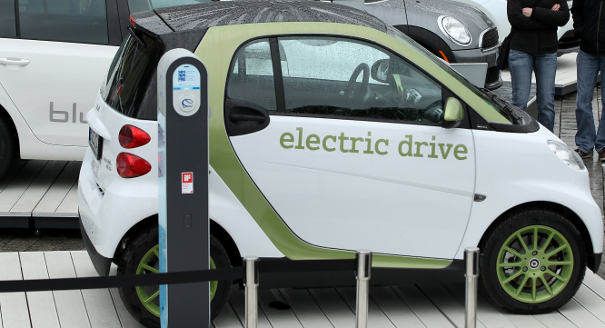
Beijing is implementing a policy to bring five million electric vehicles to Chinese roads by 2020.
Source: CCTV
Appearing on CCTV, Carnegie–Tsinghua’s Wang Tao discussed Beijing’s policy to bring five million electric vehicles to Chinese roads by 2020. The government is also introducing incentives to stimulate production and working towards expanding electric vehicle infrastructure, including charging stations, he said. Although these policies have helped increase electric vehicle purchases, Wang explained that most consumers remain concerned about the user experience and personal convenience of using electric vehicles and that there is currently a mismatch between those buying electric vehicles and the policies being introduced by the government. For example, he added, it costs more to purchase a private charging post than the electric vehicle itself and most public charging stations remain in the Beijing suburbs, not in the heart of the city where they are needed.
Carnegie does not take institutional positions on public policy issues; the views represented herein are those of the author(s) and do not necessarily reflect the views of Carnegie, its staff, or its trustees.
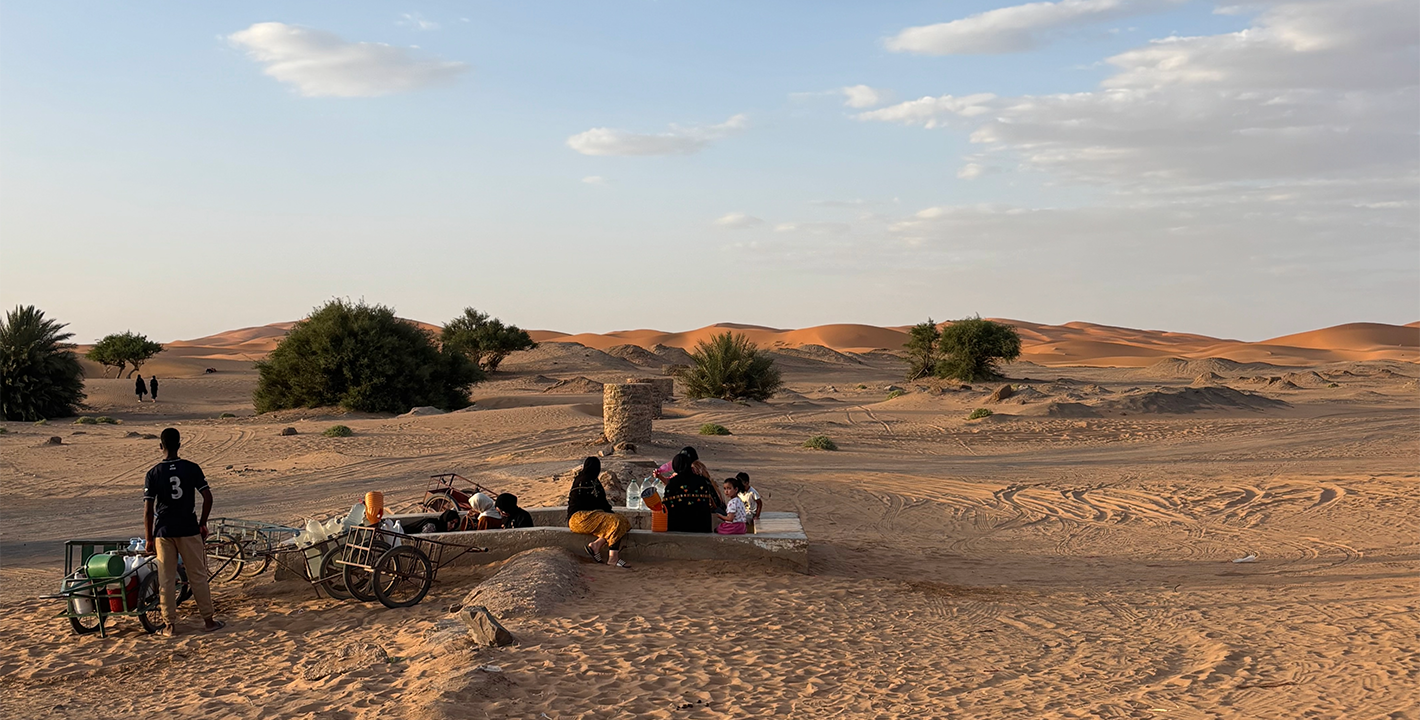
The burden of environmental degradation is felt not only through physical labor but also emotional and social loss.

Yasmine Zarhloule, Ella Williams
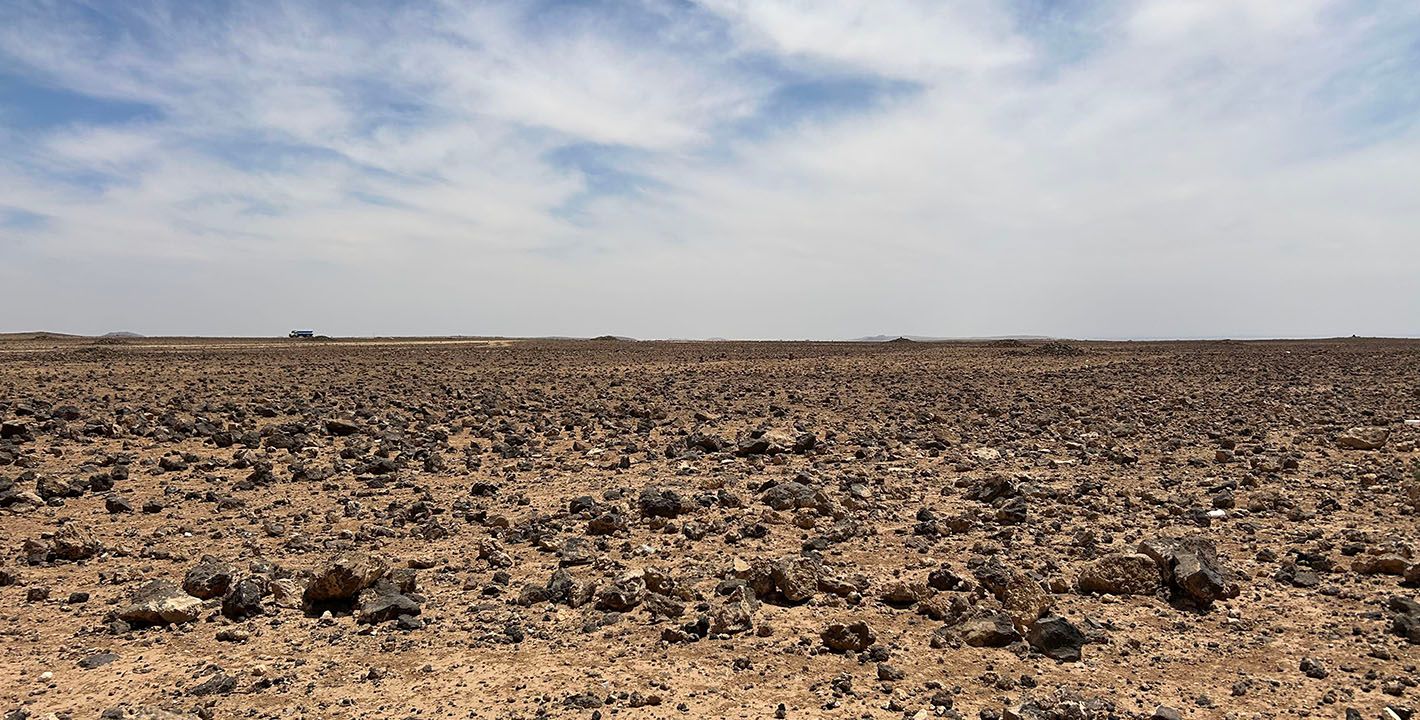
For settled descendants of nomadic or seminomadic communities on Jordan’s periphery, the future looks uncertain as government employment is declining, natural resources are dwindling, temperatures are rising, and traditional cross-border ties are restricted.

Armenak Tokmajyan, Laith Qerbaa
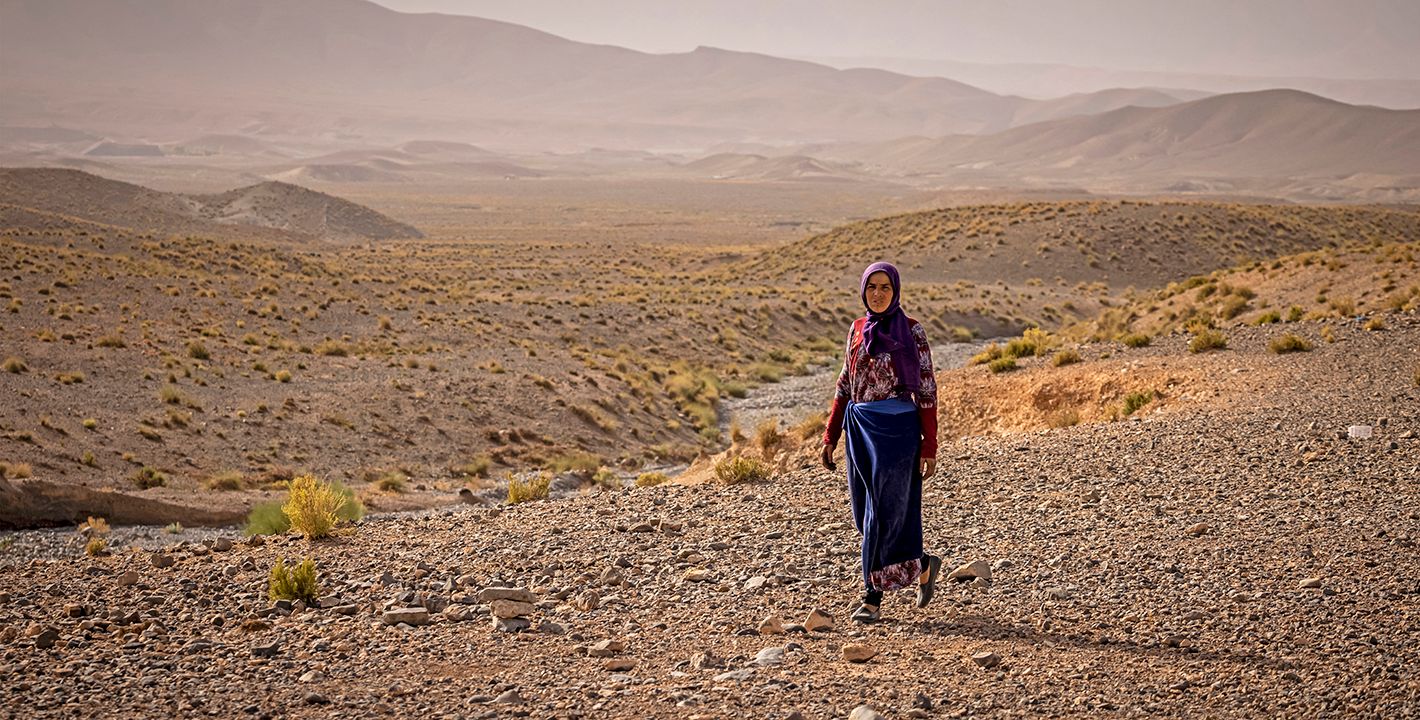
For the traditionally nomadic Amazigh pastoralists in the Draa-Tafilalet region, environmental change has exacerbated long-standing inequities, forcing the community to adapt, which has laid bare the blind spots of state-centered climate policy frameworks.
Yasmine Zarhloule, Ella Williams
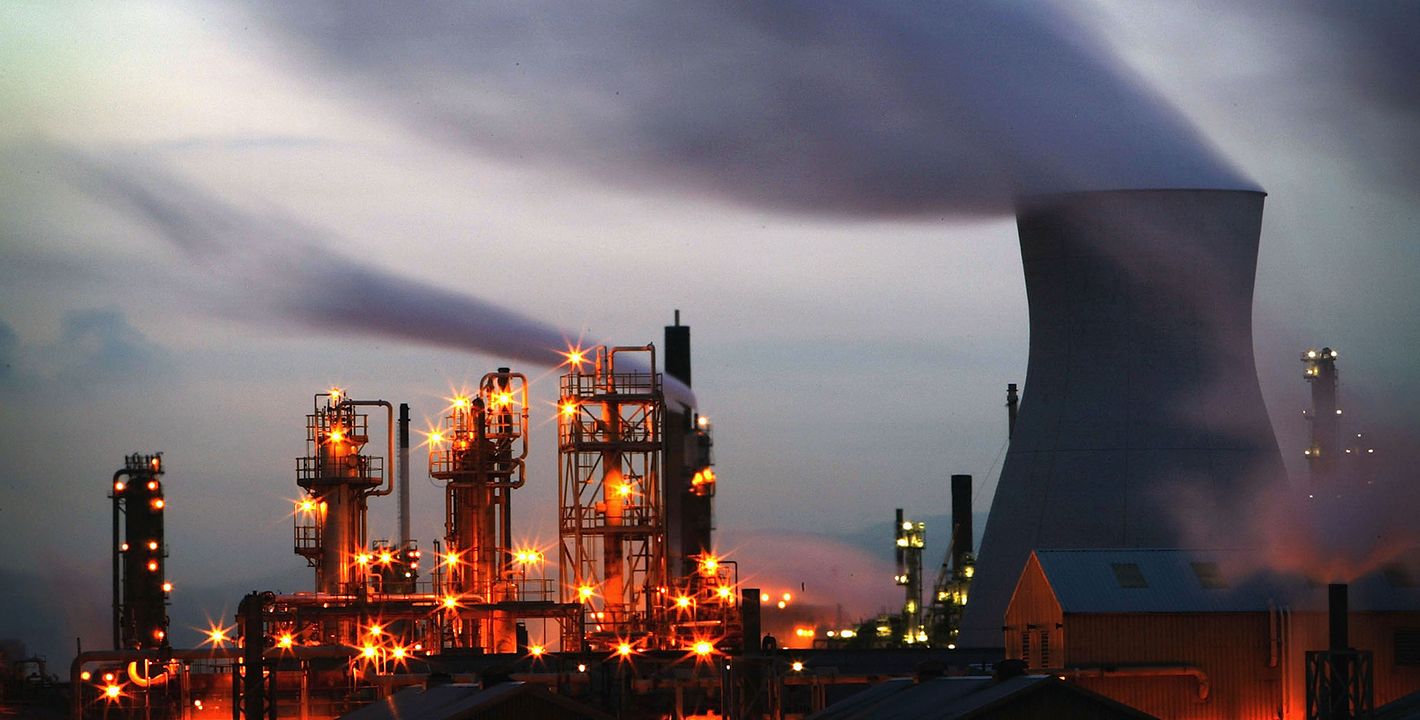
In an interview, Adam Hanieh looks at heavyweights past and present.

Yezid Sayigh
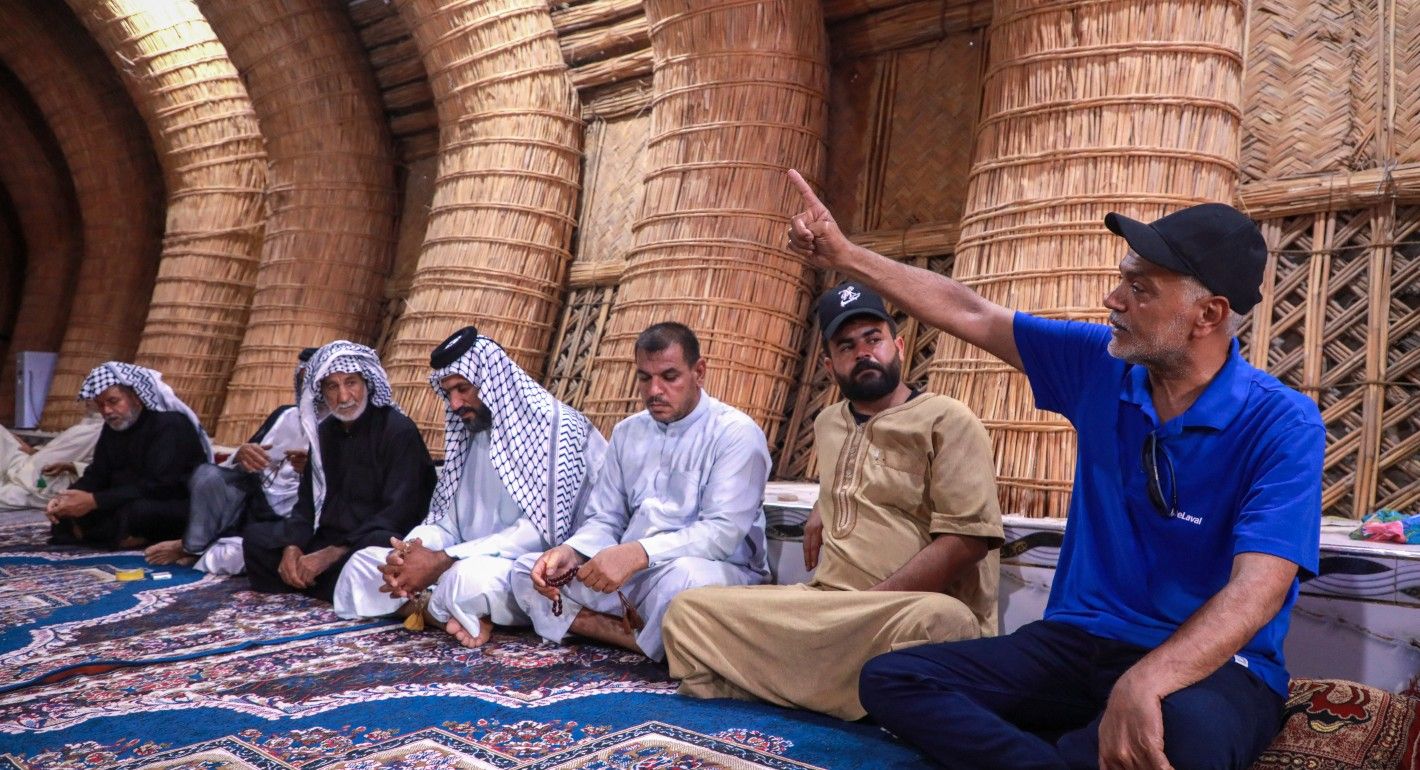
In fragmented political contexts, climate activism is a way to contest both ecological harm and the structures of violence and neglect that allow it to persist.
Issam Kayssi, Mohanad Hage Ali