• Research
  • Diwan
  • About
  • Experts
Carnegie Middle East logoCarnegie lettermark logo
PalestineSyria
{
  "authors": [
    "Milan Vaishnav",
    "Madhav Khosla"
  ],
  "type": "legacyinthemedia",
  "centerAffiliationAll": "",
  "centers": [
    "Carnegie Endowment for International Peace"
  ],
  "collections": [],
  "englishNewsletterAll": "",
  "nonEnglishNewsletterAll": "",
  "primaryCenter": "Carnegie Endowment for International Peace",
  "programAffiliation": "",
  "programs": [
    "South Asia"
  ],
  "projects": [],
  "regions": [
    "South Asia",
    "India"
  ],
  "topics": [
    "Democracy"
  ]
}
REQUIRED IMAGE

REQUIRED IMAGE

In The Media

The Three Faces of the Indian State

For more than seven decades, India’s Constitution has provided a framework for liberal democracy to flourish in one of the world’s most diverse societies. Legal changes and shifts in bureaucratic practices, however, have undermined the rule of law, equal citizenship, checks and balances, and democratic accountability.

Link Copied
By Milan Vaishnav and Madhav Khosla
Published on Jan 13, 2021

Journal of Democracy

Authors

Milan Vaishnav
Director and Senior Fellow, South Asia Program
Milan Vaishnav
Madhav Khosla
DemocracySouth AsiaIndia

Carnegie does not take institutional positions on public policy issues; the views represented herein are those of the author(s) and do not necessarily reflect the views of Carnegie, its staff, or its trustees.

More Work from Malcolm H. Kerr Carnegie Middle East Center

  • Civic Activisim in an Intensifying Climate Crisis
    Research
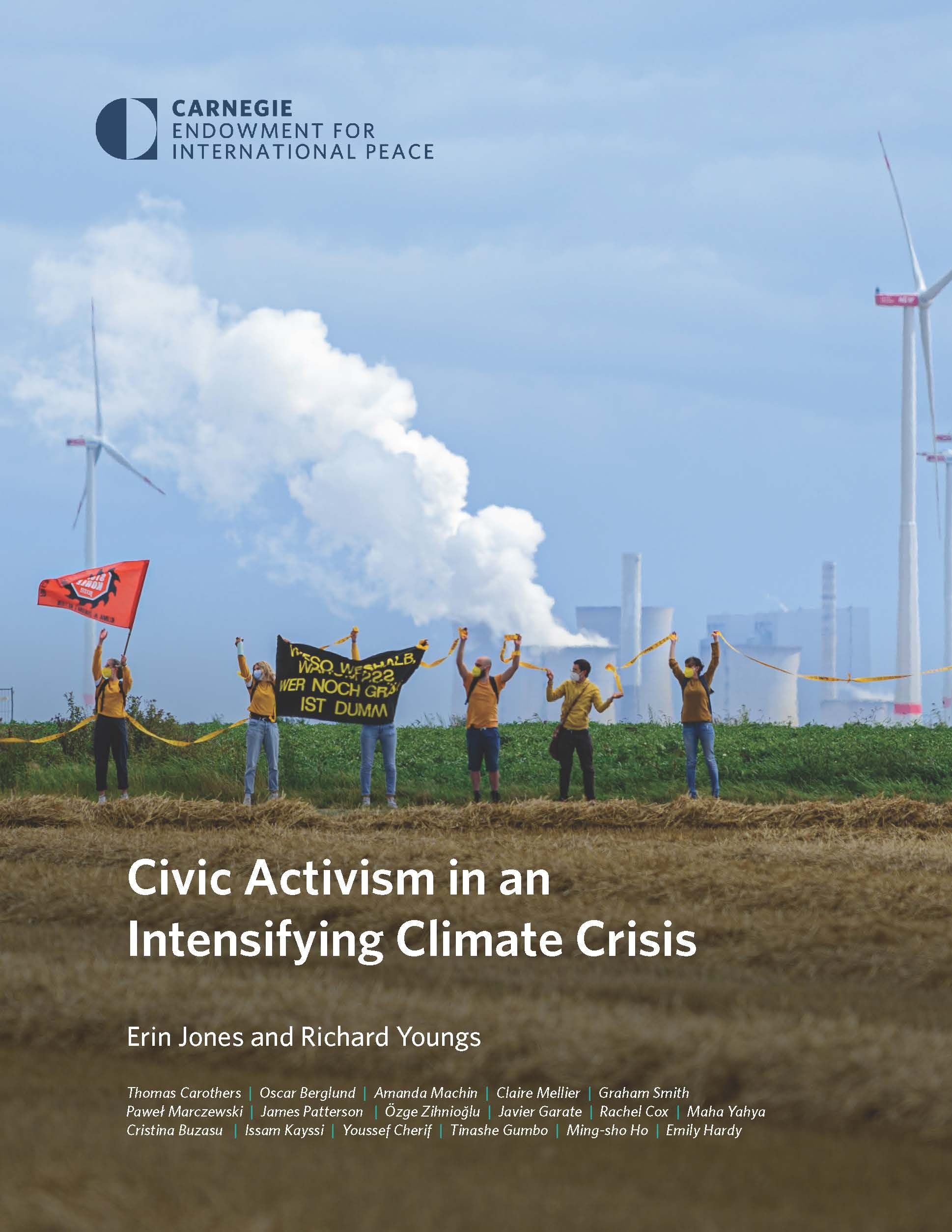
    Civic Activism in an Intensifying Climate Crisis

    To address the deepening climate crisis, climate activism is employing a wider variety of tactics and aiming at a broader set of goals. In response, the movement faces stronger repression and civic backlash against climate action.

      Erin Jones, Richard Youngs
  • Commentary
    Diwan
    Disquiet on the West Asian Front

    In an interview, Abhinav Pandya discusses the multiple facets of India’s ties with the Middle East.

      Armenak Tokmajyan

  • Research
    The Military and Private Business Actors in the Global South: The Politics of Market Access

    The interaction of national armed forces and private business sectors offers a useful lens for viewing the politics of numerous countries of the so-called Global South. A rising trend of military political activism—often accompanied by military commercial activity—underlines the importance of drivers and outcomes in these relationships.

      Yezid Sayigh, Hamza Meddeb

  • Article
    The GCC’s Multipolar Pivot: From Shifting Trade Patterns to New Financial and Diplomatic Alliances

    The Gulf Cooperation Council has shifted its energy export focus to Asia, particularly India and China. This is part of a broader shift as GCC members look to expand their geopolitical alliances away from the West.

      Alexandre Kateb

  • Commentary
    Sada
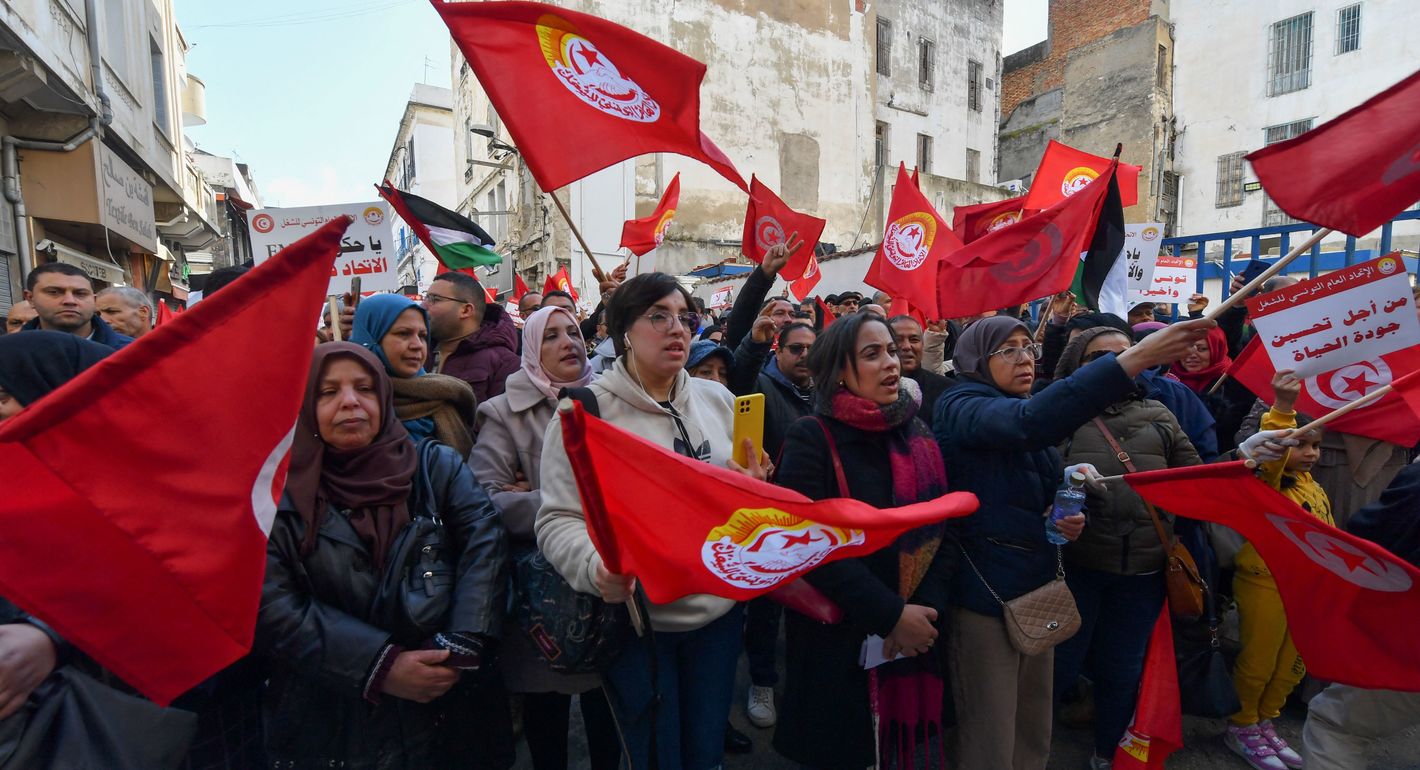
    Tunisian Trade Union Women: Agents of Change

    As members, organizers, and leaders, women continue to play an important role in the General Union of Tunisian Workers and advance its political advocacy.

      Heba F El-Shazli

Get more news and analysis from
Malcolm H. Kerr Carnegie Middle East Center
Carnegie Middle East logo, white
  • Research
  • Diwan
  • About
  • Experts
  • Projects
  • Events
  • Contact
  • Careers
  • Privacy
  • For Media
Get more news and analysis from
Malcolm H. Kerr Carnegie Middle East Center
© 2026 Carnegie Endowment for International Peace. All rights reserved.