

Commentary
Israeli-Lebanese talks have stalled, and the reason is that the United States and Israel want to impose normalization.
Michael Young
{
  "authors": [
    "Katie Auth"
  ],
  "type": "legacyinthemedia",
  "centerAffiliationAll": "",
  "centers": [
    "Carnegie Endowment for International Peace"
  ],
  "collections": [
    "Climate Change"
  ],
  "englishNewsletterAll": "",
  "nonEnglishNewsletterAll": "",
  "primaryCenter": "Carnegie Endowment for International Peace",
  "programAffiliation": "",
  "programs": [
    "Africa"
  ],
  "projects": [],
  "regions": [
    "North America",
    "United States"
  ],
  "topics": [
    "Economy",
    "Climate Change"
  ]
}
REQUIRED IMAGE
The U.S. Inflation Reduction Act, now headed to President Biden’s desk for signature, is predominantly a domestic bill – with huge ramifications for U.S. energy, decarbonization, industrial policy, and health care. But its ripple effects will be global, with some big potential impacts on emerging and frontier economies.
Carnegie does not take institutional positions on public policy issues; the views represented herein are those of the author(s) and do not necessarily reflect the views of Carnegie, its staff, or its trustees.
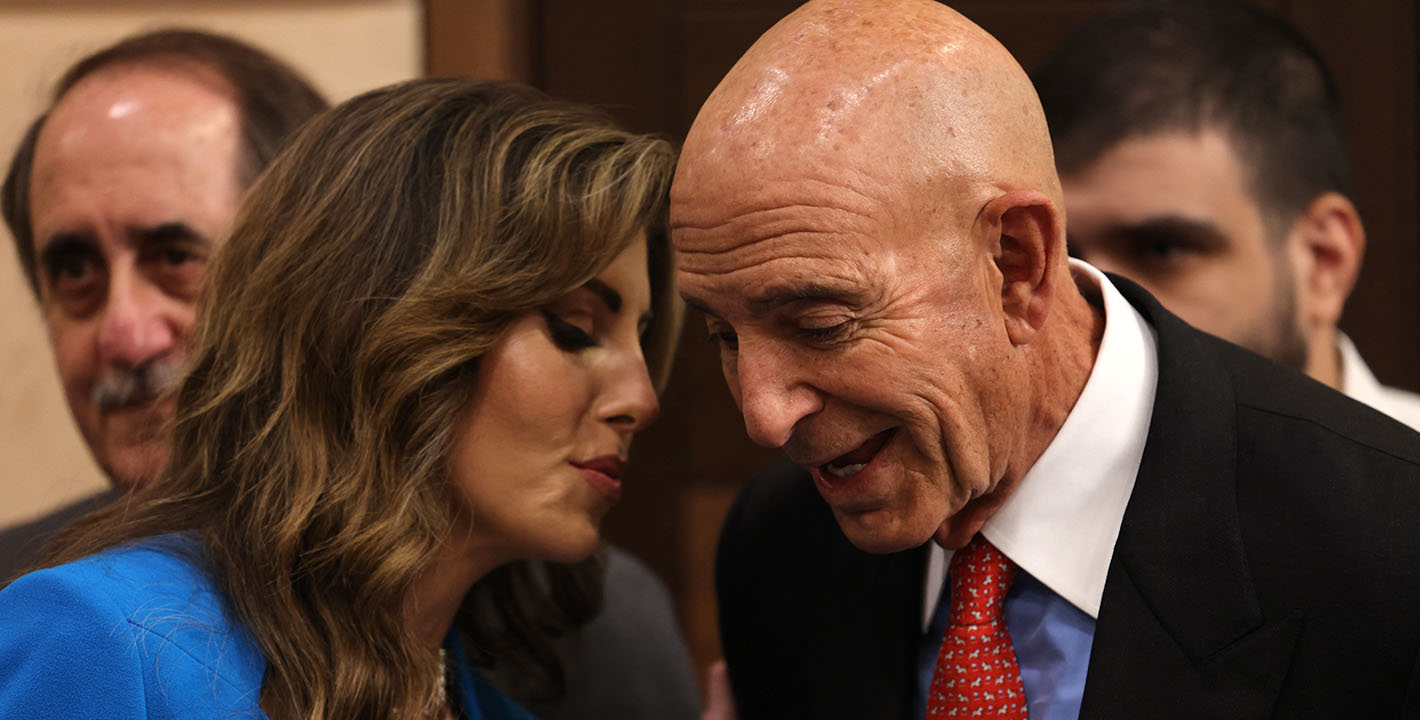
Israeli-Lebanese talks have stalled, and the reason is that the United States and Israel want to impose normalization.

Michael Young

The country’s leadership is increasingly uneasy about multiple challenges from the Levant to the South Caucasus.

Armenak Tokmajyan
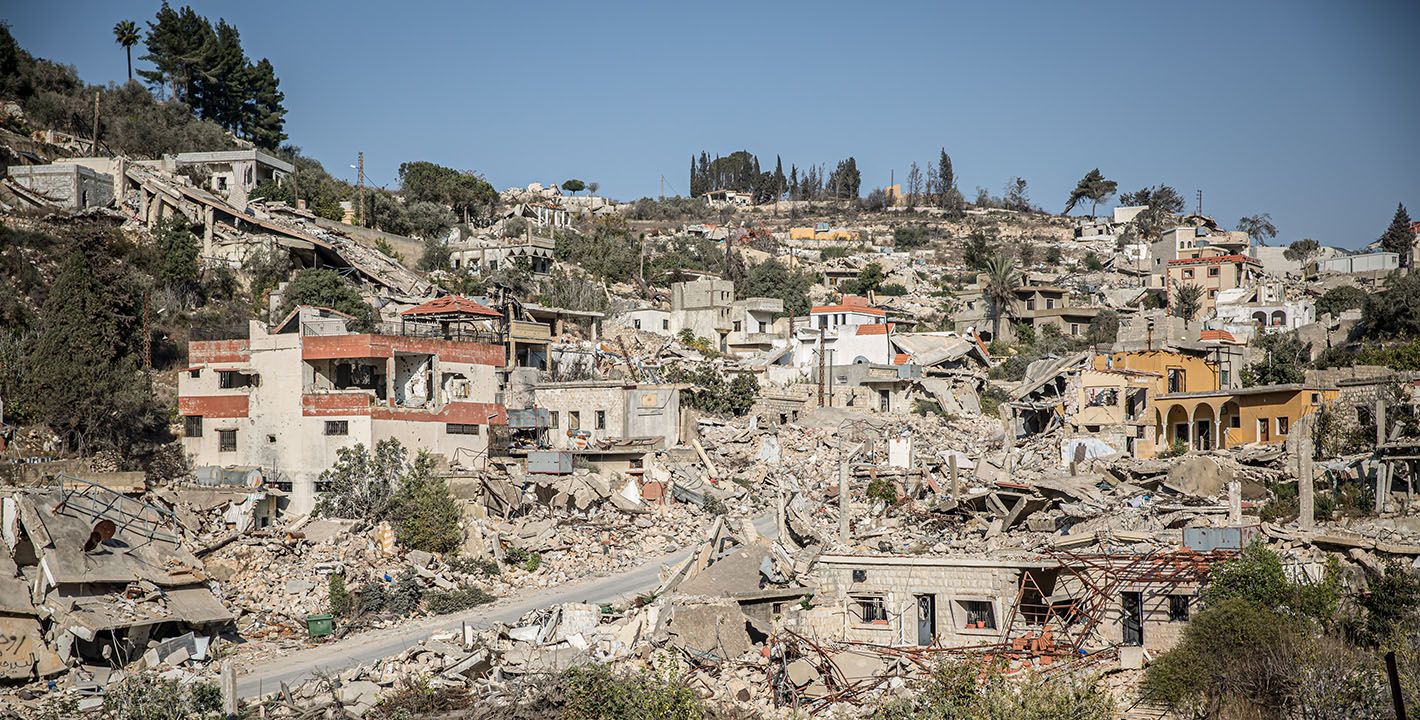
The U.S. is trying to force Lebanon and Syria to normalize with Israel, but neither country sees an advantage in this.
Michael Young
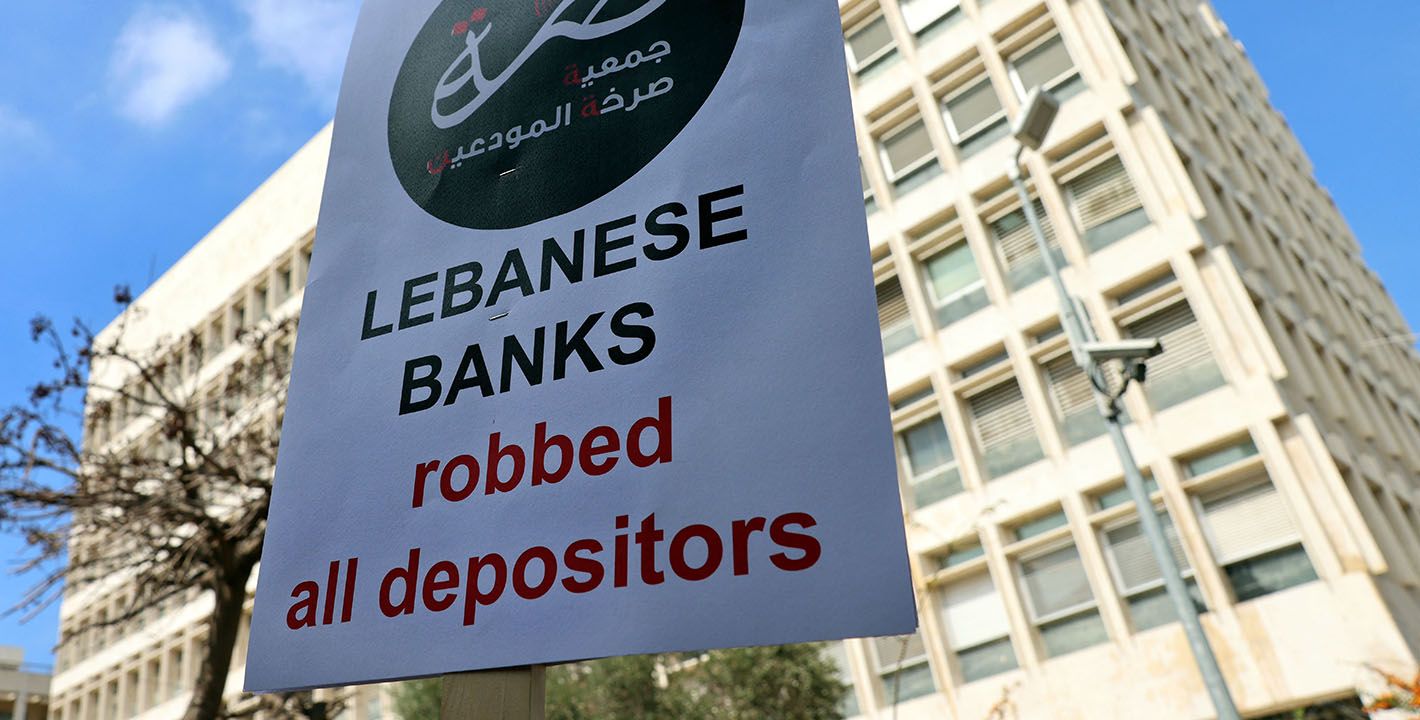
In an interview, Ishac Diwan looks at the merits and flaws in the draft legislation distributing losses from the financial collapse.
Michael Young
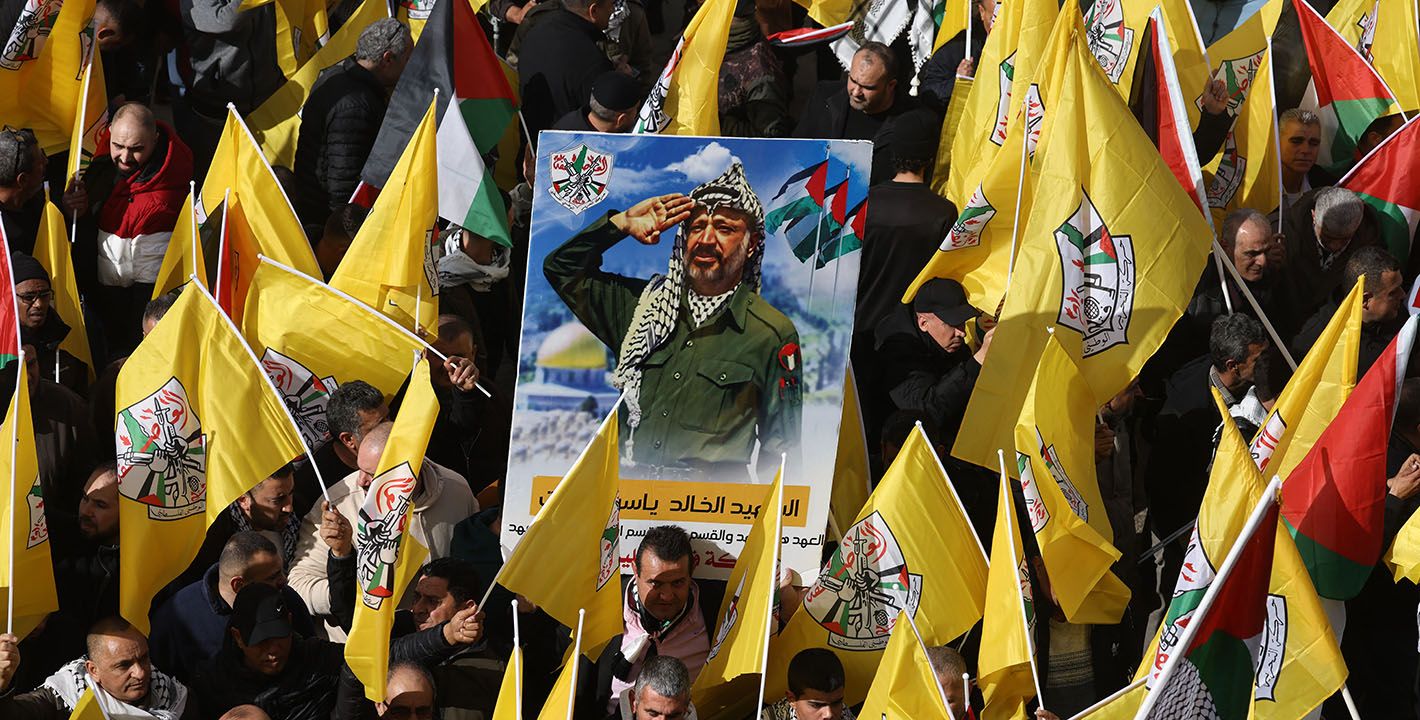
The objective is to lock Hamas out of political life, but the net effect may be negative indeed.

Nathan J. Brown