• Research
  • Diwan
  • About
  • Experts
Carnegie Middle East logoCarnegie lettermark logo
PalestineSyria
The California Report on Frontier AI Policy
Research

The California Report on Frontier AI Policy

The innovations emerging at the frontier of artificial intelligence are poised to create historic opportunities for humanity but also raise complex policy challenges. As the epicenter of global AI innovation, California has a unique opportunity to continue supporting developments in frontier AI while addressing substantial risks that could have far-reaching consequences for the state and beyond.

Link Copied
By Rishi Bommasani, Scott Singer, Ruth E. Appel, Sarah Cen, A. Feder Cooper, Elena Cryst, Lindsey A. Gailmard, Ian Klaus, Meredith M. Lee, Inioluwa Deborah Raji, Anka Reuel, Drew Spence, Alexander Wan, Angelina Wang, Daniel Zhang, Daniel E. Ho, Percy Liang, Dawn Song, Joseph E. Gonzalez, Jonathan Zittrain, Jennifer Tour Chayes, Mariano-Florentino (Tino) Cuéllar, Li Fei-Fei
Published on Jun 17, 2025
Read the Publication

Authors

Rishi Bommasani
Scott Singer
Fellow, Technology and International Affairs
Scott Singer
Ruth E. Appel
Sarah Cen
A. Feder Cooper
Elena Cryst
Lindsey A. Gailmard
Ian Klaus
Founding Director, Carnegie California
Ian Klaus
Meredith M. Lee
Inioluwa Deborah Raji
Anka Reuel
Drew Spence
Alexander Wan
Angelina Wang
Daniel Zhang
Daniel E. Ho
Percy Liang
Dawn Song
Joseph E. Gonzalez
Jonathan Zittrain
Nonresident Scholar, Technology and International Affairs Program
Jonathan Zittrain
Jennifer Tour Chayes
Mariano-Florentino (Tino) Cuéllar
President, Carnegie Endowment for International Peace
Mariano-Florentino (Tino) Cuéllar
Li Fei-Fei
AITechnologySubnational Affairs

Carnegie does not take institutional positions on public policy issues; the views represented herein are those of the author(s) and do not necessarily reflect the views of Carnegie, its staff, or its trustees.

More Work from Malcolm H. Kerr Carnegie Middle East Center

  • Commentary
    Diwan
    Exporting Fossil Fuels Through Cloud Computing

    The GCC states’ use of Artificial Intelligence will generate much leverage over the global digital infrastructure and climate talks.

      Camille Ammoun

  • Commentary
    Diwan
    The Promise and Risks of Artificial Intelligence

    Uneven investment in the technology will widen regional inequalities in the Middle East and North Africa.

      Nur Arafeh

  • People attend a conference during the Token2049 conference in Dubai on April 30, 2025. (
    Article
    The Future of Cryptocurrency in the Gulf Cooperation Council Countries

    The GCC states are, to varying degrees, opening up to digital finance. This is part of an effort to diversify their economies and wean themselves off U.S.-dominated monetary systems.

      Ala’a Kolkaila

  • Paper
    How Huawei’s Localization in North Africa Delivered Mixed Returns

    Algeria and Egypt pressed China’s telecom national champion Huawei for more value-added manufacturing and technology transfers. The company responded, but it ultimately improved its brand image without engaging in meaningful capacity building.

      Tin Hinane El Kadi
  • Report
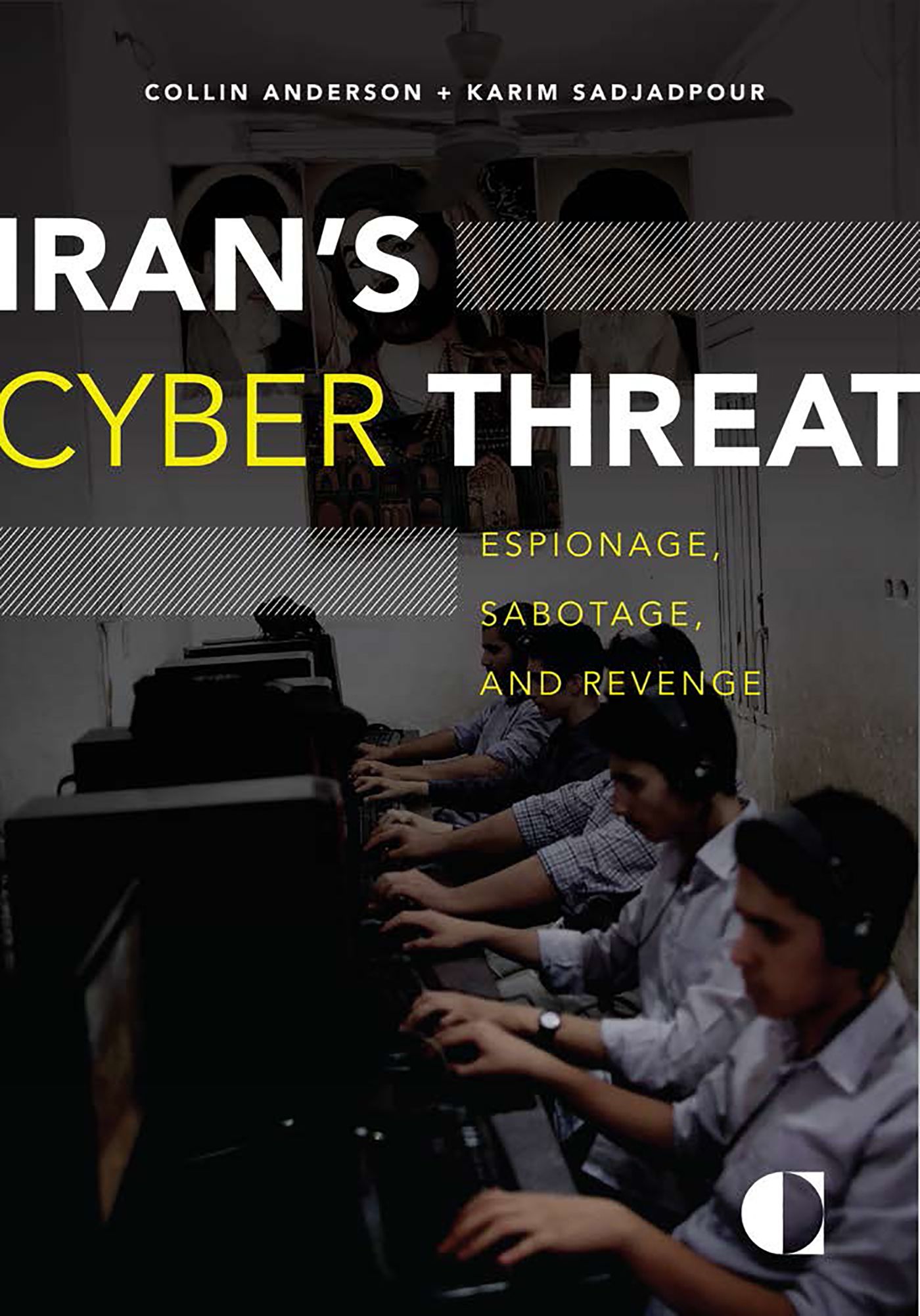
    Iran’s Cyber Threat: Espionage, Sabotage, and Revenge

    Incidents involving Iran have been among the most sophisticated, costly, and consequential attacks in the history of the internet.
      Collin Anderson, Karim Sadjadpour

Get more news and analysis from
Malcolm H. Kerr Carnegie Middle East Center
Carnegie Middle East logo, white
  • Research
  • Diwan
  • About
  • Experts
  • Projects
  • Events
  • Contact
  • Careers
  • Privacy
  • For Media
Get more news and analysis from
Malcolm H. Kerr Carnegie Middle East Center
© 2026 Carnegie Endowment for International Peace. All rights reserved.