

Commentary
Western negotiators often believe territory is just a bargaining chip when it comes to peace in Ukraine, but Putin is obsessed with empire-building.
Andrey Pertsev
{
  "authors": [
    "Nikita Smagin"
  ],
  "type": "commentary",
  "blog": "Carnegie Politika",
  "centerAffiliationAll": "",
  "centers": [
    "Carnegie Endowment for International Peace",
    "Carnegie Russia Eurasia Center"
  ],
  "englishNewsletterAll": "",
  "nonEnglishNewsletterAll": "",
  "primaryCenter": "Carnegie Russia Eurasia Center",
  "programAffiliation": "",
  "programs": [],
  "projects": [],
  "regions": [
    "Russia",
    "Iran",
    "Middle East",
    "Russia and Eurasia"
  ],
  "topics": [
    "Foreign Policy"
  ]
}
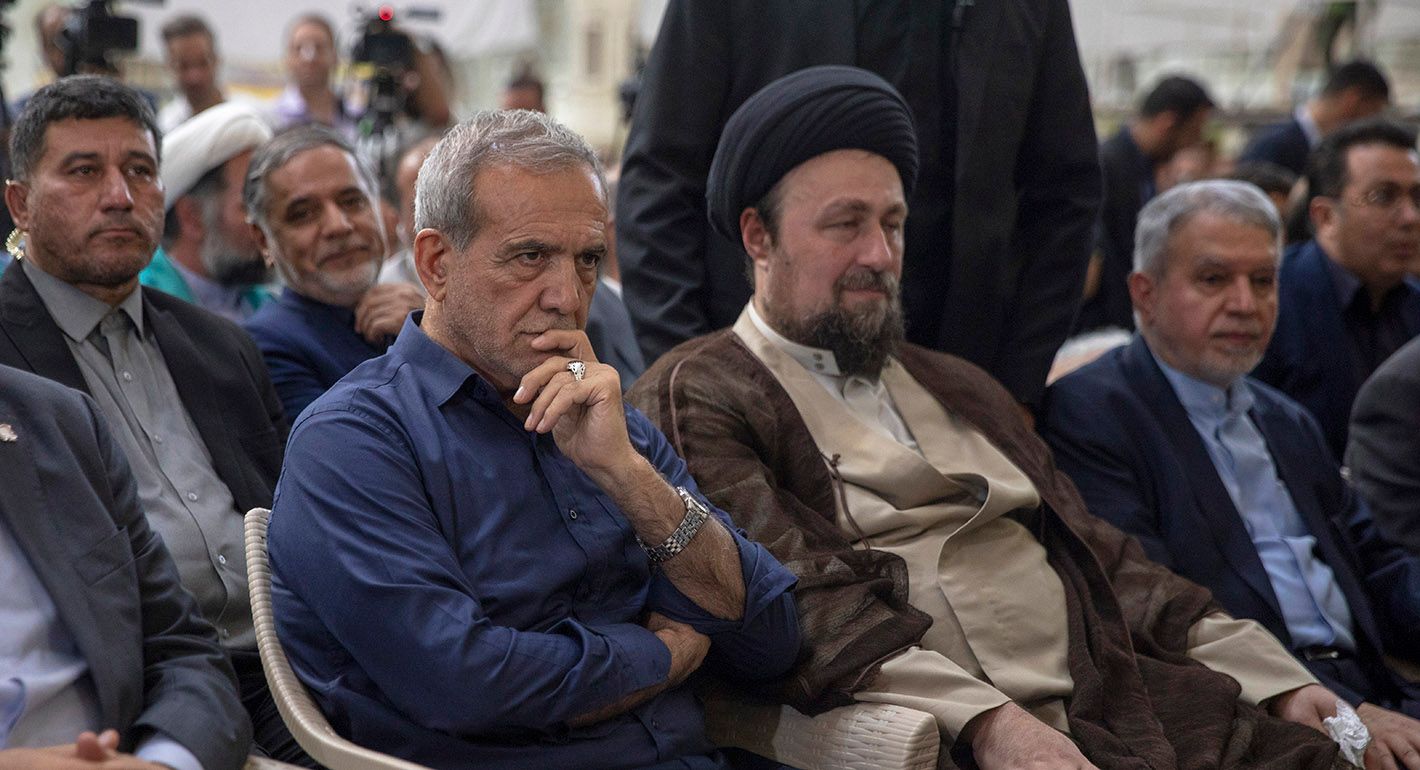
Photo: Majid Saeedi / Getty Images
Reform-minded voters in Iran oppose close cooperation with Russia and would like to see their country normalize relations with the West.
The unexpected victory of reformer Masoud Pezeshkian in Iran’s presidential elections this month showed that the country’s conservatives are increasingly unable to resist the growing demand for change. Among other things, the change being sought includes a new Iranian foreign policy—above all, normalizing relations with the West and moving away from Russia.
Since it is Iranian voters who are seeking change, rather than the ruling elite, Pezeshkian will not cause any immediate problems for Moscow. But anti-Russian feeling in Iranian society is not likely to disappear anytime soon, and Pezeshkian’s victory should serve as a warning sign for the Kremlin. Cooperation with Tehran could become much harder in the future.
Pezeshkian’s surprise win follows three years in which Iran’s conservatives controlled all branches of the government. When Ebrahim Raisi became president in 2021, it appeared that the conservatives had succeeded in taming the political system, and that all reformist candidates would be barred from standing. March’s elections to Iran’s Islamic Consultative Assembly, in which conservatives won 233 of 290 seats, seemed to confirm this view.
However, Pezeshkian’s victory in the elections after Raisi was killed in a helicopter crash shows the Iranian system can still produce surprises, even if the country’s elections can hardly be described as free or fair.
A fatal error by the conservatives was their failure to quell factional disputes and unite around a single candidate. As a result, conservative votes in the first round of voting were split between Saeed Jalili (40 percent) and Mohammad Bagher Ghalibaf (14.5 percent). In other words, if conservatives had put forward a single candidate, they could have triumphed in the first round (the threshold for a win is over 50 percent of the vote).
In addition, some of Ghalibaf’s supporters, who were angry at Jalili for refusing to compromise, ended up backing Pezeshkian. In many ways, the outcome was revealing: Iran’s conservatives have a leadership crisis, and are deeply divided by infighting.
Iran’s Supreme Leader Ali Khamenei could have brought an end to the squabbling—but he chose not to interfere, and appears to be satisfied by the reformist victory. Ever since the opposition protests of 2022 triggered a legitimacy crisis, the Iranian authorities have been testing the water for a return of reformers to top government jobs.
Pezeshkian was also helped over the line by a low turnout and by his popularity in the countryside, particularly among Kurds and Azerbaijanis (he has both Kurdish and Azeri roots and speaks both languages). Nevertheless, the main reason for his victory was a desire for change. The results suggested that even those usually loyal to the regime—like soldiers and officials—voted for reform.
When it comes to foreign policy, this desire for change manifests itself as wanting to see an end to Iran’s global isolation: in other words, the normalization of ties with the West. Pezeshkian spoke a lot about this during the election campaign, and, like past reformers, openly called for better relations with Europe and dialing down tensions with the United States.
At the same time, “normalization of ties with the West” is more of a convenient election slogan than a real foreign policy program. Even if Iran sincerely wanted to alter course, it’s unclear how it could actually achieve such a U-turn in the current situation. Tehran’s biggest problem is Western sanctions, which have grown in size and scope in recent years. Any attempts to resurrect the Iran Nuclear Deal from which President Donald Trump withdrew the United States in 2018 would likely be doomed to failure. It’s also unclear whether Washington and Europe are ready to lift sanctions—or even refrain from imposing new ones.
It’s unsurprising, therefore, that—despite all his pro-Western rhetoric—Pezeshkian spoke to Russian President Vladimir Putin soon after his win. The Iranian reformer promised Putin that in October, the two sides would sign a long-term strategic cooperation agreement that has been under discussion for many years.
Pezeshkian has little room for maneuver when it comes to rethinking Iran’s relationship with Russia. However strong the demand for a normalization of ties with the West, Tehran is more likely to deepen its relations with Moscow and Beijing in the coming years.
Long-term, however, things look different. Iran’s pro-reform electorate, as well as the country’s pro-reform media, see Moscow as the heir to the Russian and Soviet empires, and believe it is only interested in acquiring Iran’s assets and resources. There is a popular opinion in opposition circles that without Moscow’s support, the Iranian regime would have collapsed long ago.
In the final analysis, Pezeshkian’s win is extremely unlikely to mean that Russia and Iran will not increase their cooperation in the near future: the two sides need each other too much. At the same time, however, Iranian society is increasingly projecting its unhappiness with the domestic situation onto foreign policy. Critics of the authorities present Russia—fairly or otherwise—as one of those responsible for their country’s plight.
Pezeshkian’s victory is further proof of this trend. That means the new president is a potential threat for Moscow. After all, he was swept to power by a demand for change that is unmistakably tinged with anti-Russian feeling.
Carnegie does not take institutional positions on public policy issues; the views represented herein are those of the author(s) and do not necessarily reflect the views of Carnegie, its staff, or its trustees.
Western negotiators often believe territory is just a bargaining chip when it comes to peace in Ukraine, but Putin is obsessed with empire-building.

Andrey Pertsev
Unexpectedly, Trump’s America appears to have replaced Putin’s Russia’s as the world’s biggest disruptor.
Alexander Baunov
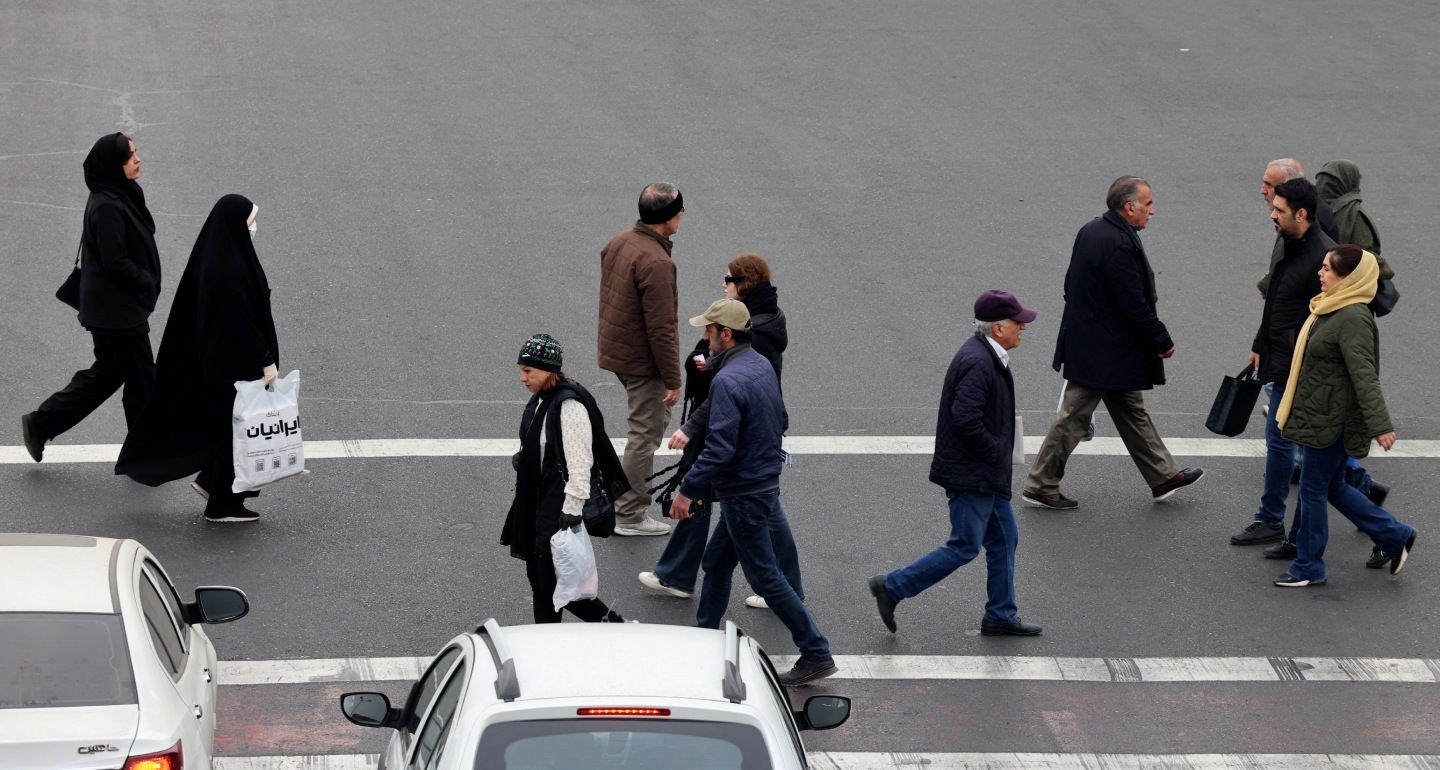
Baku may allow radical nationalists to publicly discuss “reunification” with Azeri Iranians, but the president and key officials prefer not to comment publicly on the protests in Iran.

Bashir Kitachaev
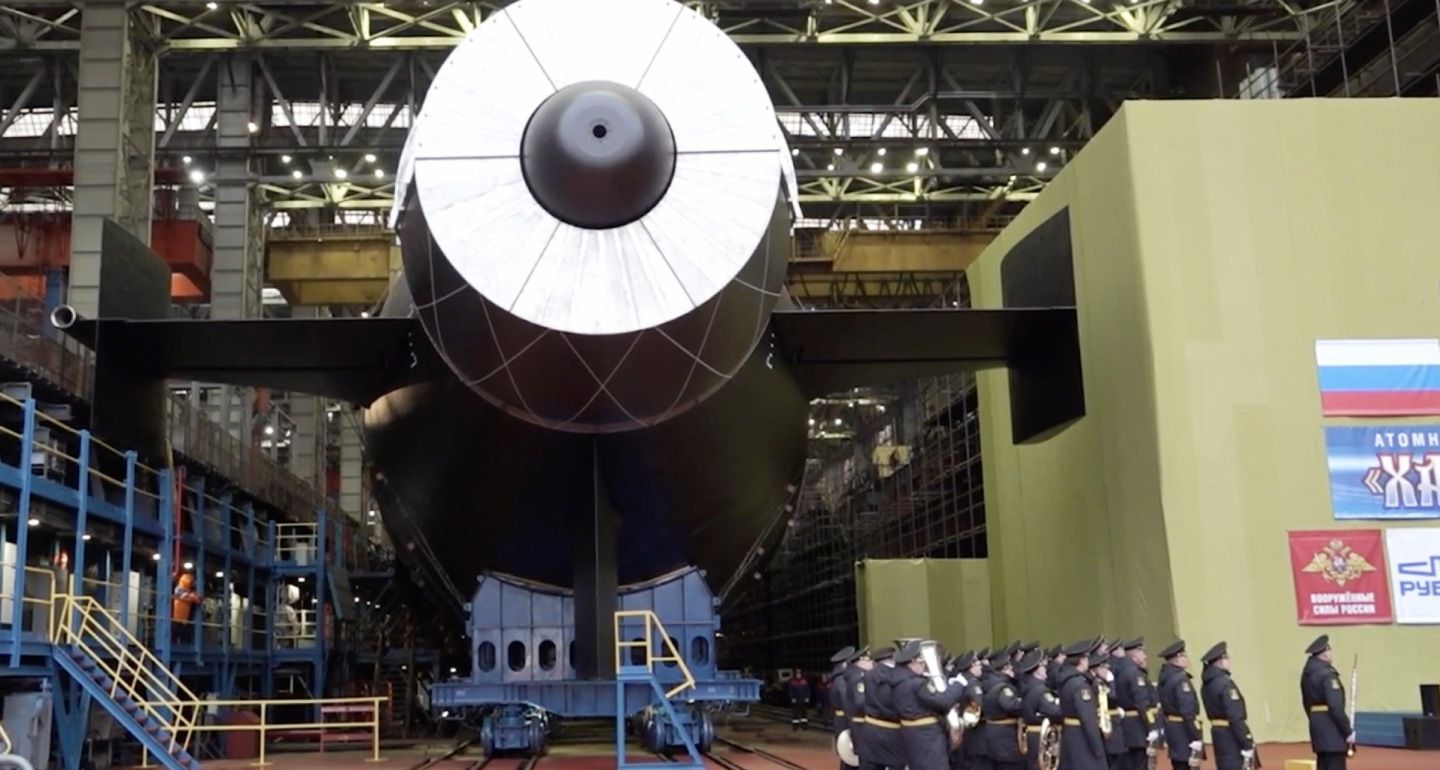
The Kremlin will only be prepared to negotiate strategic arms limitations if it is confident it can secure significant concessions from the United States. Otherwise, meaningful dialogue is unlikely, and the international system of strategic stability will continue to teeter on the brink of total collapse.
Maxim Starchak
For years, the Russian government has promoted “sovereign” digital services as an alternative to Western ones and introduced more and more online restrictions “for security purposes.” In practice, these homegrown solutions leave people vulnerable to data leaks and fraud.

Maria Kolomychenko