

Commentary
Baku may allow radical nationalists to publicly discuss “reunification” with Azeri Iranians, but the president and key officials prefer not to comment publicly on the protests in Iran.
Bashir Kitachaev
{
  "authors": [
    "Nikita Smagin"
  ],
  "type": "commentary",
  "blog": "Carnegie Politika",
  "centerAffiliationAll": "",
  "centers": [
    "Carnegie Endowment for International Peace",
    "Carnegie Russia Eurasia Center"
  ],
  "collections": [
    "Politika: The Best of 2025"
  ],
  "englishNewsletterAll": "",
  "nonEnglishNewsletterAll": "",
  "primaryCenter": "Carnegie Russia Eurasia Center",
  "programAffiliation": "",
  "programs": [],
  "projects": [],
  "regions": [
    "Russia",
    "Middle East",
    "United States"
  ],
  "topics": [
    "Foreign Policy",
    "Security",
    "Global Governance"
  ]
}
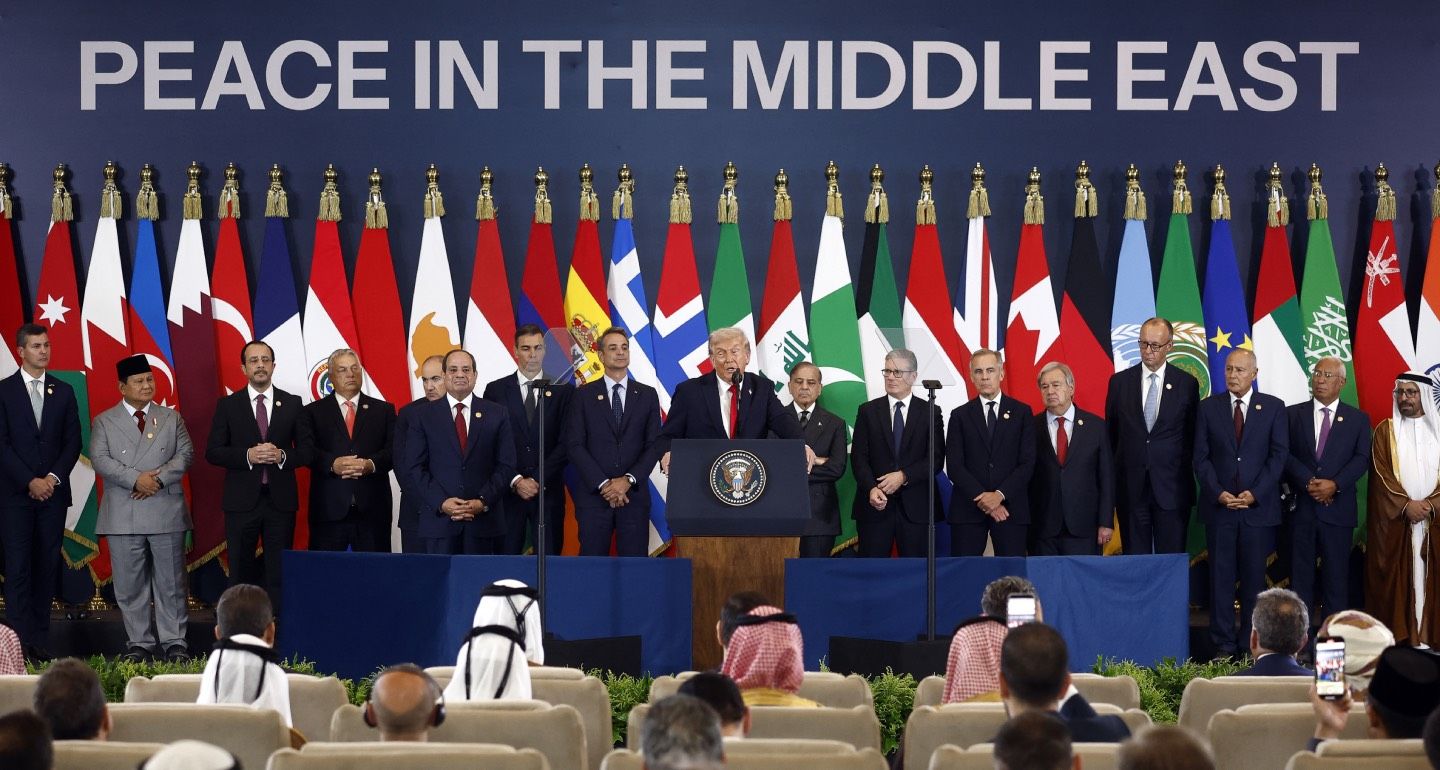
Trump’s Egypt summit may have thwarted the Kremlin’s attempts to get Middle Eastern leaders to congregate in Moscow, but Middle Eastern states are less and less convinced that the West can be relied upon, which is inevitably pushing them toward deals with Russia.
This week’s summit in the Egyptian resort of Sharm el-Sheikh looks like nothing short of a triumph for the United States in the Middle East. U.S. President Donald Trump met with representatives of thirty countries, and the declaration signed there to end the war in Gaza stands in stark contrast with the Kremlin’s failed attempts to hold its own summit with Arab states in Moscow at around the same time.
Yet behind this picture of Russia’s apparent failure and the Trump administration’s success in the Middle East lies a more complex reality. In the last two years, the Middle East has undergone a profound transformation that has created uncertainty and fault lines that Moscow will try to use to its advantage.
One watershed moment came in late 2024 with the collapse of Syria’s Assad dynasty, which had ruled the country for over half a century. The new authorities in Damascus are pro-Turkish, making Ankara one of the key powers in the region.
An equally significant change is a radical decline in Iran’s influence in the region, brought about by Israel’s war against Hamas in Gaza, the strikes against the Houthis in Yemen, the defeat of Hezbollah’s military wing in Lebanon, and the overthrow of Bashar al-Assad in Syria, not to mention Israel’s bombing of Iran itself this summer.
The Middle East is also changing under the influence of Israel’s new, far more militant course, upon which it embarked following the terrorist attacks of October 7, 2023. Prime Minister Benjamin Netanyahu’s government has become determined to eliminate the enemies that surround it, eliciting major concerns in most of the region’s states. Those concerns reached a new level after the Israeli strike on Hamas leaders in Qatar in September, which was unanimously condemned by the Gulf states.
The reverberations from these changes in the Middle East have altered Western perceptions of the region. Criticism of Israel’s actions has led to a wave of leading EU countries officially recognizing Palestine and even to the imposition of targeted European sanctions against Israeli individuals. As a result, the Israeli leadership is beginning to assume that the country will not be on good terms with much of the West for a long time to come. Even if the Gaza peace agreement is fully implemented, Israel will continue to fight in Lebanon and Syria, and with Iran.
These new configurations are forging new fault lines, along with a sense of uncertainty for most countries in the region. The Gulf monarchies no longer know whether they can count on U.S. protection. Israeli politicians are questioning just how strong their ties with the West are. Iran is becoming conclusively disillusioned with international guarantees, and is starting to believe that the only thing that can ensure its protection is nuclear weapons.
The uncertainty is forcing countries to opt for maximum pragmatism on the basis that no one will help them but themselves. That maxim is close to Russia’s notion of an ideal world order, especially now that the Middle East has become a key foreign policy focus for Moscow following its isolation from the West.
First and foremost, such pragmatism helps Russia to mitigate the impact of Western sanctions. If U.S. policy reverses every time there is a new president in the White House, making U.S. security guarantees unreliable, then Middle Eastern countries have little reason to adhere to Western restrictions. Turkey and the United Arab Emirates are already proving extremely reluctant to even partially comply with sanctions against Russia, and only make any moves in that direction under significant pressure. And the less trust there is in the West, the greater the desire to trade with those who make it profitable to do so.
The volatile security situation also plays into Russia’s hands, as evidenced by the new Syrian government’s volte face with regard to Russia. For the first six months, the Syrian Islamists—who had spent nearly ten years being bombed by Russian forces—focused on cultivating relations with Turkey, the Gulf monarchies, and the West. The latter lifted the main sanctions against Damascus, which responded by ousting Russia from the Syrian economy and making life difficult at Russia’s military bases inside the country.
But internal instability, coupled with constant Israeli attacks, has convinced the Syrian leadership that for now, it needs Moscow as a counterweight to the Israeli army. This approach will likely be temporary, but for the time being, Syrian Islamists are making inroads toward Russia.
Similar scenarios could unfold in the future if the United States fails to allay the concern in the region over Israel’s actions. Several years ago, Turkey’s purchase of S-400 missile systems from Russia against U.S. objections was a major story. Now the likelihood of something similar recurring may increase, especially if the fighting in Ukraine stops.
Even now, despite the war and a decline in arms exports, Russia continues to sell to Algeria, service its hardware in Turkey, and plan large-scale aircraft deliveries to Iran. Going forward, the expanding Russian military-industrial complex will seek ways to maintain production volumes and jobs, and Middle Eastern markets will be very useful in that regard.
The instability in the Middle East also opens up new opportunities for Russia to recruit experienced fighters as mercenaries, particularly from the region’s poorer countries. Russian headhunters are already active there, and the $2,500–3,000 per month Moscow offers is a strong incentive in a region where $300–500 is considered a good salary.
Of course, even in this new reality, Russia cannot aspire to a leadership role in the Middle East: it lacks the financial, human, and cultural resources for that. But Moscow is attempting to compensate for that with decisive action. It is far less cautious than China, and openly positions itself as the “anti-West.”
Criticism of Western double standards remains the core message of Russian policy in the Middle East. This allows it to find common ground both with Muslim countries outraged by Israel’s actions in Gaza and with Israel itself, disappointed by European criticism and recognition of Palestine.
Moscow’s proposal is simple and clear: yes, we are cynical realists and have no values, but if you fall out with the West, we are ready to lend a hand. A major bonus is that Russia guarantees its closest partners asylum for their authoritarian leaders and their families, as demonstrated by Assad’s experience. In a region where almost all the countries are autocracies to varying degrees, this argument could be decisive.
Of course, all this certainty and endless wars could sound the death knell for Moscow’s own projects in the Middle East. It’s unclear what will happen to the Kremlin’s grandiose plans in Iran, where Russia had counted on building a new logistics bridge to the Persian Gulf and a gas hub. With Iran in a state of de facto war with Israel, the fate of all these initiatives is now in doubt.
Still, regardless of these difficulties, Moscow has not become a pariah in the Middle East, and nor will it. Trump’s Egypt summit may have thwarted the Kremlin’s attempt to get Middle Eastern leaders to congregate in Moscow, but that is largely a symbolic moment that has little impact on reality on the ground. Middle Eastern states are less and less convinced that the West can be relied upon, which is inevitably pushing them toward deals with Russia.
Carnegie does not take institutional positions on public policy issues; the views represented herein are those of the author(s) and do not necessarily reflect the views of Carnegie, its staff, or its trustees.
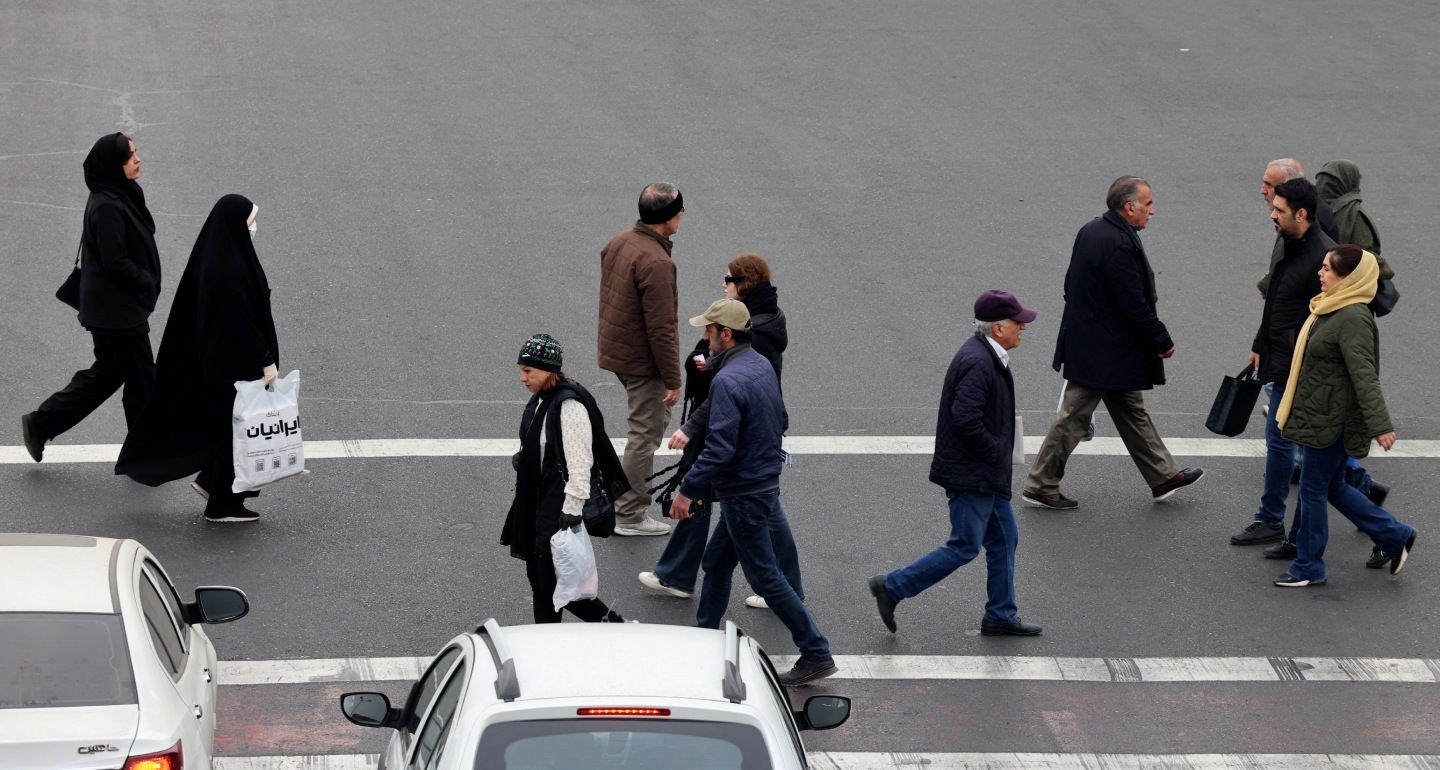
Baku may allow radical nationalists to publicly discuss “reunification” with Azeri Iranians, but the president and key officials prefer not to comment publicly on the protests in Iran.

Bashir Kitachaev
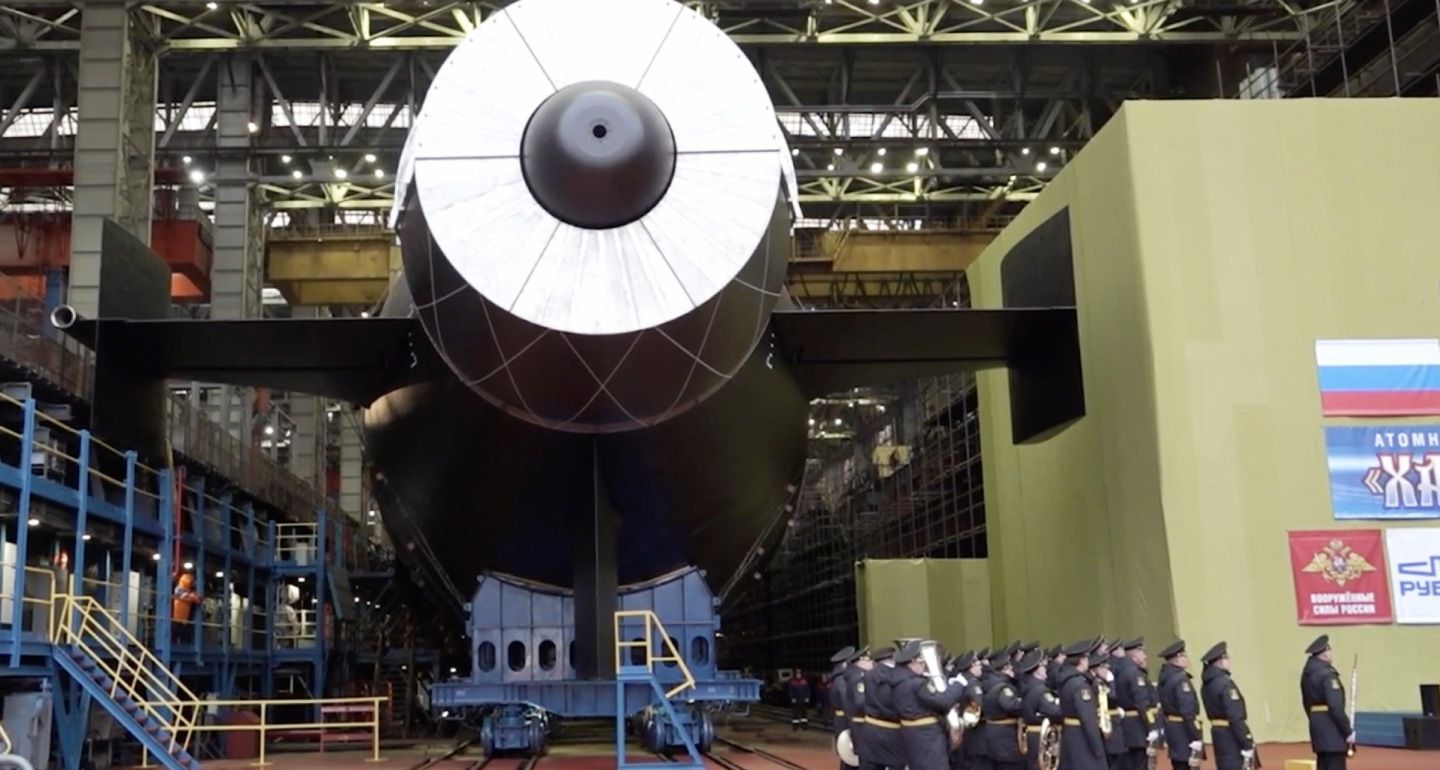
The Kremlin will only be prepared to negotiate strategic arms limitations if it is confident it can secure significant concessions from the United States. Otherwise, meaningful dialogue is unlikely, and the international system of strategic stability will continue to teeter on the brink of total collapse.

Maxim Starchak
For years, the Russian government has promoted “sovereign” digital services as an alternative to Western ones and introduced more and more online restrictions “for security purposes.” In practice, these homegrown solutions leave people vulnerable to data leaks and fraud.

Maria Kolomychenko
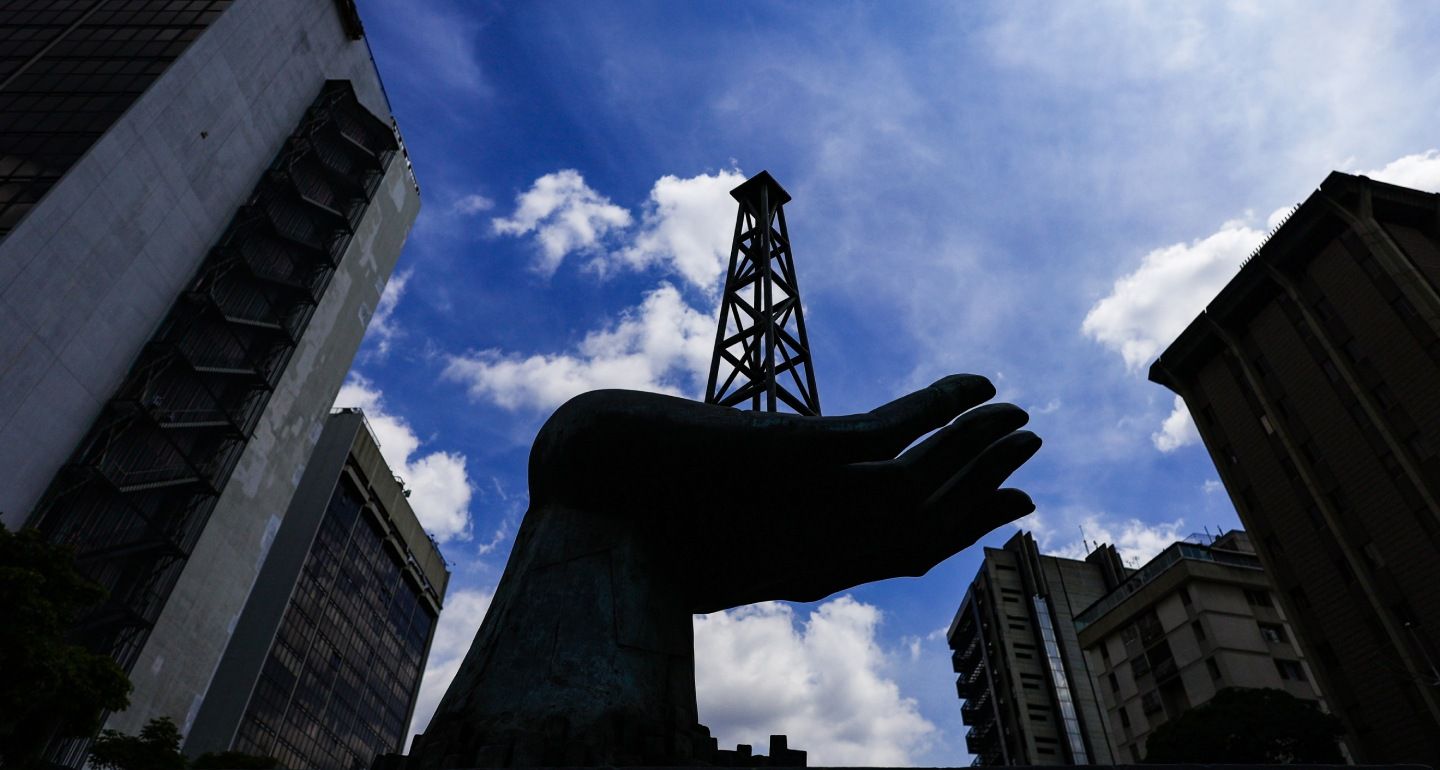
Geological complexity and years of mismanagement mean the Venezuelan oil industry is not the big prize officials in Moscow and Washington appear to believe.
Sergey Vakulenko
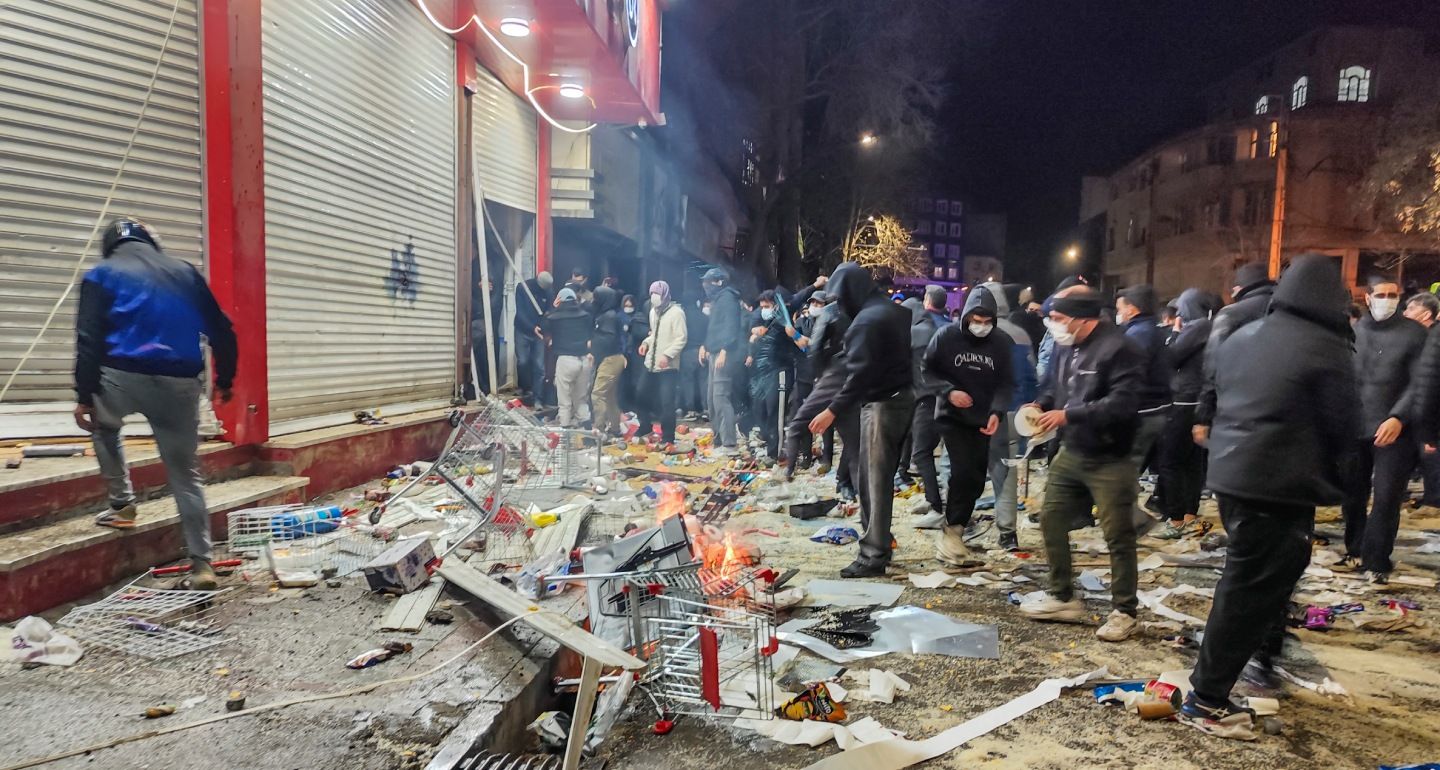
It’s one thing to export Russian helicopters to Iran to fight the insurgency, and it’s easy to imagine Moscow becoming a haven for fleeing Iranian leaders. But it’s very difficult to imagine Russian troops defending the Iranian regime on the ground.
Nikita Smagin