

Commentary
Baku may allow radical nationalists to publicly discuss “reunification” with Azeri Iranians, but the president and key officials prefer not to comment publicly on the protests in Iran.
Bashir Kitachaev
{
  "authors": [
    "Husain Haqqani"
  ],
  "type": "other",
  "centerAffiliationAll": "",
  "centers": [
    "Carnegie Endowment for International Peace"
  ],
  "collections": [],
  "englishNewsletterAll": "",
  "nonEnglishNewsletterAll": "",
  "primaryCenter": "Carnegie Endowment for International Peace",
  "programAffiliation": "",
  "programs": [
    "Russia and Eurasia"
  ],
  "projects": [],
  "regions": [
    "Middle East",
    "India",
    "Afghanistan",
    "Pakistan"
  ],
  "topics": []
}
REQUIRED IMAGE
Source: Carnegie
Pakistan has become a strategic U.S. ally in the war against al Qaeda. For now, Washington's support of General Pervez Musharraf's military regime is untempered by any insistence on the restoration of democracy. But military rule is likely to increase hostility between Pakistan and India and undercut efforts to root out Islamic extremists, who have been the armed forces' political allies in the past.
Despite intervals of strained relations, the United States and Pakistan were allies for most of the Cold War. Like past periods of engagement, the present spell of close relations is likely to sour into disillusion unless the United States strongly encourages Pakistan to return to democracy. A democratic regime, however flawed, is more likely to provide long-term stability to Pakistan. Specifically, democratic rule would help contain Islamic militancy and would probably lead to improved India-Pakistan relations.
Click on link above for full text of this Policy Brief.
A limited number of print copies will be available.
Request a copy
About the Author
Husain Haqqani, a leading journalist, diplomat, and former advisor to Pakistan prime ministers, is a visiting scholar in Carnegie’s Russian and Eurasian Program.
Carnegie does not take institutional positions on public policy issues; the views represented herein are those of the author(s) and do not necessarily reflect the views of Carnegie, its staff, or its trustees.
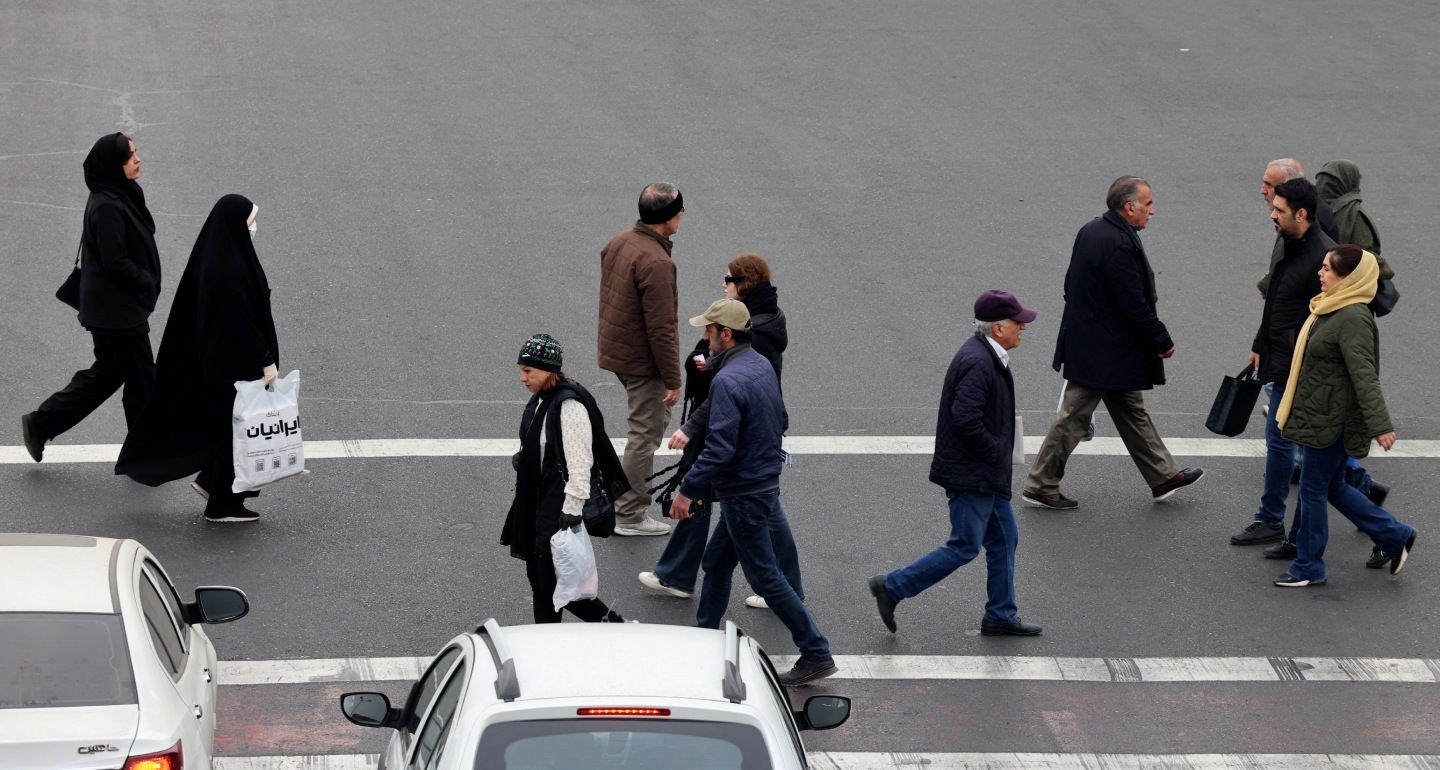
Baku may allow radical nationalists to publicly discuss “reunification” with Azeri Iranians, but the president and key officials prefer not to comment publicly on the protests in Iran.

Bashir Kitachaev
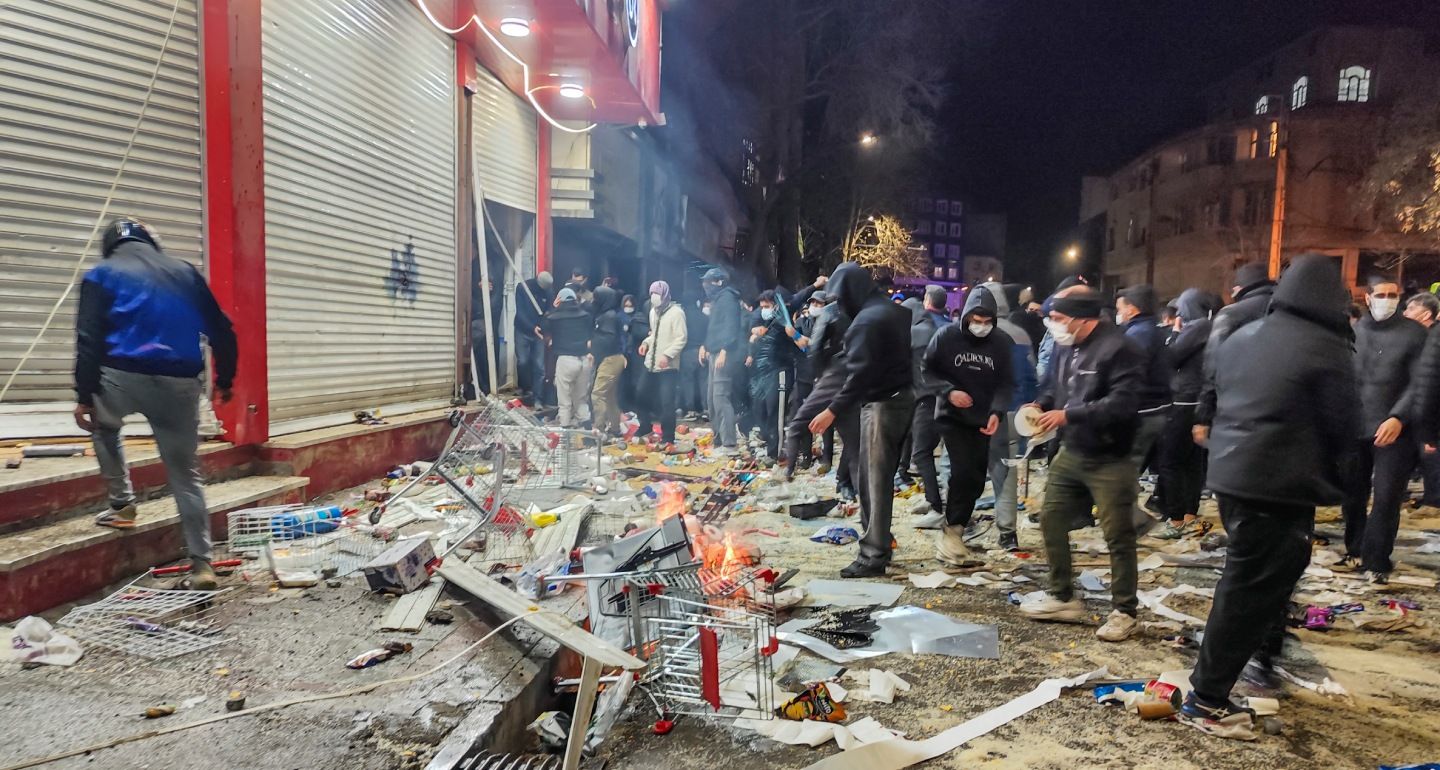
It’s one thing to export Russian helicopters to Iran to fight the insurgency, and it’s easy to imagine Moscow becoming a haven for fleeing Iranian leaders. But it’s very difficult to imagine Russian troops defending the Iranian regime on the ground.
Nikita Smagin
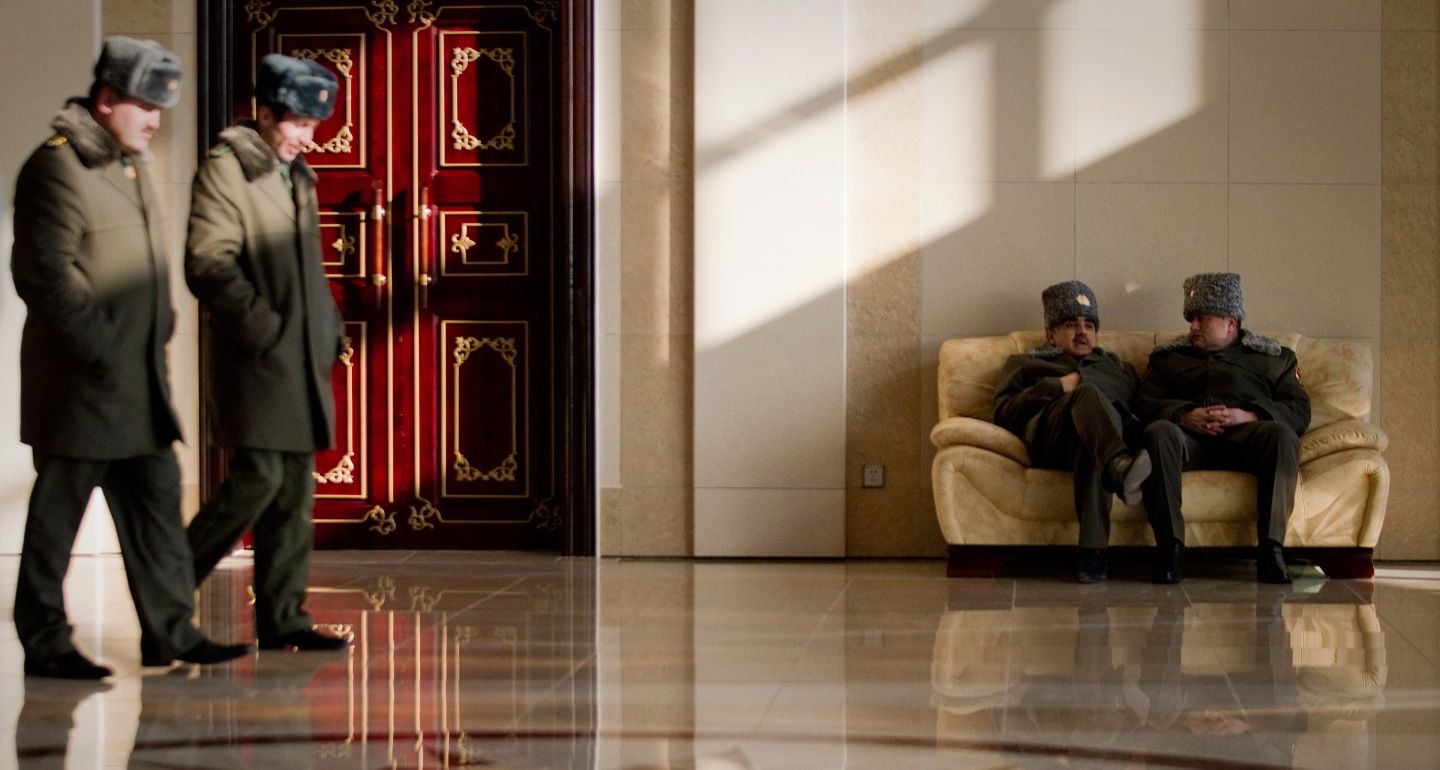
While the fighting continues in Ukraine, Moscow will seek to avoid getting drawn into guaranteeing security on the long border between Afghanistan and Tajikistan.
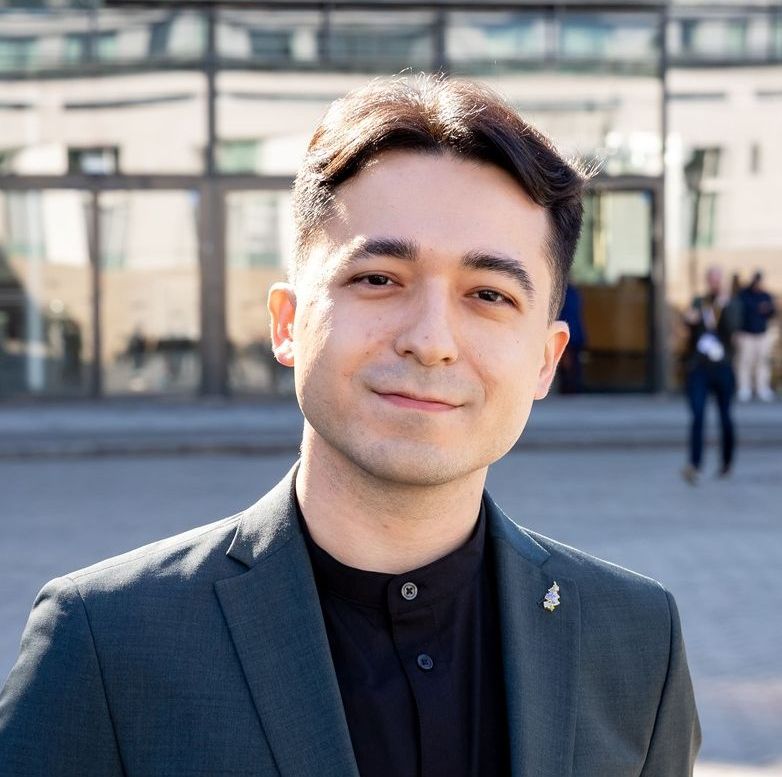
Temur Umarov
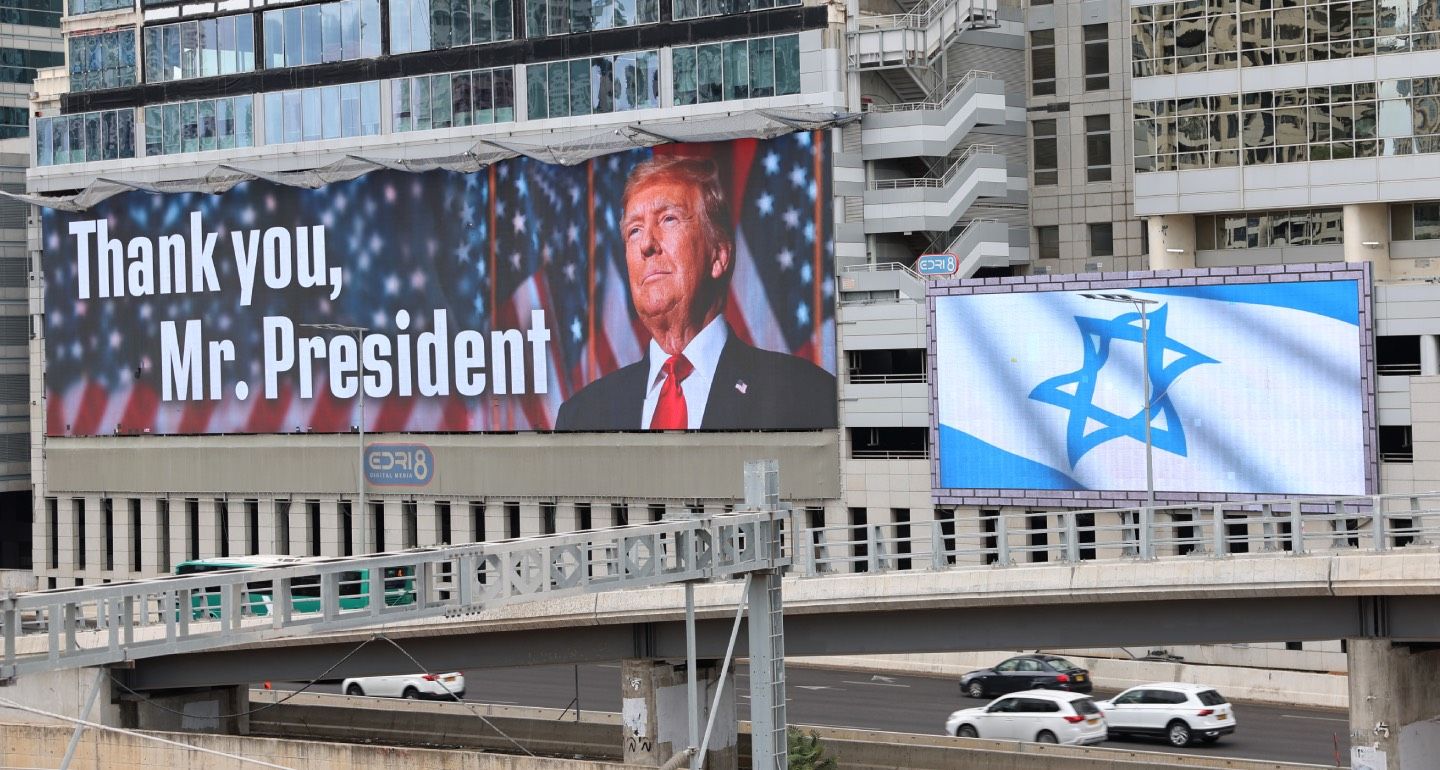
The U.S. president’s successful imposition of a ceasefire on notorious sworn enemies who have both agreed to make concessions only highlights Putin’s intransigence and his lack of competence and reason.
Alexander Baunov
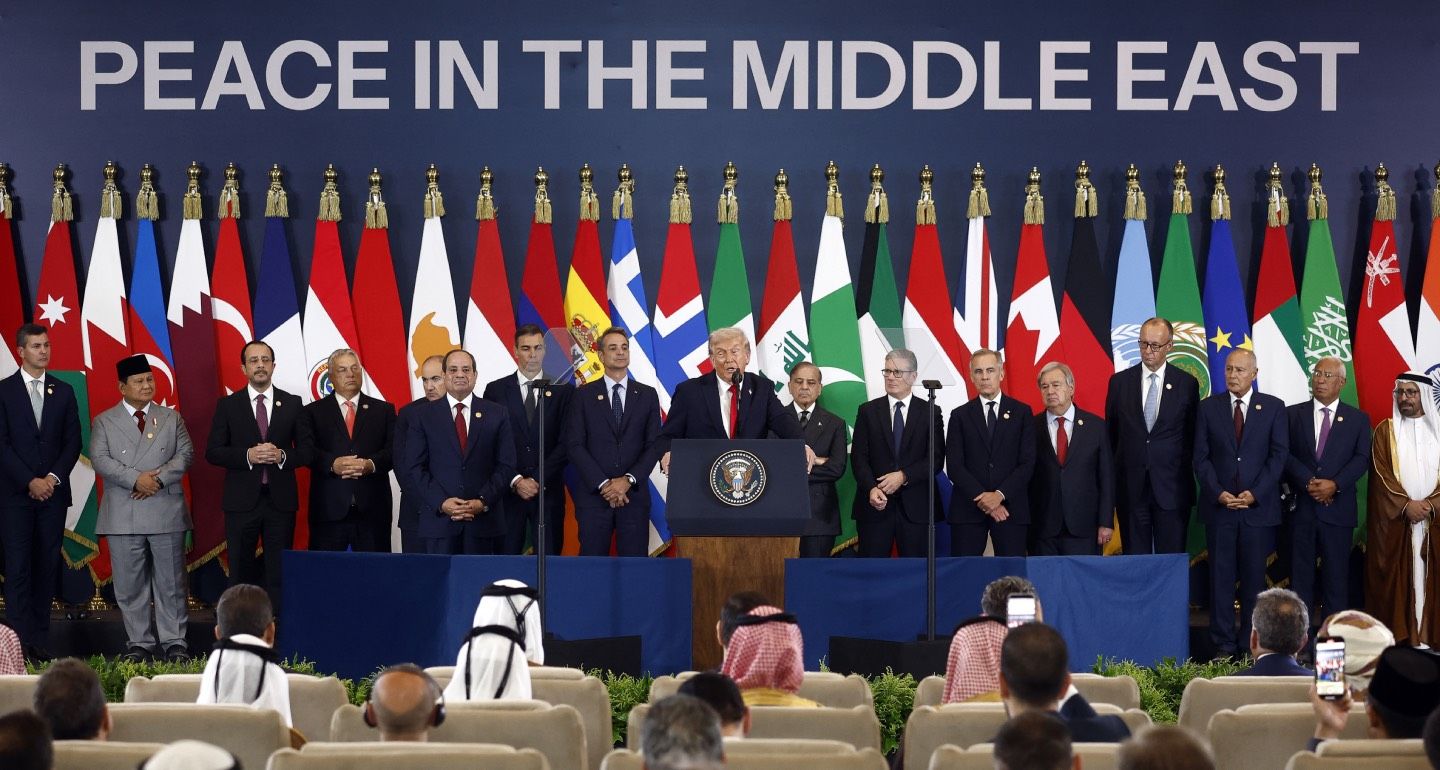
Trump’s Egypt summit may have thwarted the Kremlin’s attempts to get Middle Eastern leaders to congregate in Moscow, but Middle Eastern states are less and less convinced that the West can be relied upon, which is inevitably pushing them toward deals with Russia.
Nikita Smagin