

Commentary
Western negotiators often believe territory is just a bargaining chip when it comes to peace in Ukraine, but Putin is obsessed with empire-building.
Andrey Pertsev
{
  "authors": [],
  "type": "pressRelease",
  "centerAffiliationAll": "",
  "centers": [
    "Carnegie Endowment for International Peace"
  ],
  "collections": [],
  "englishNewsletterAll": "",
  "nonEnglishNewsletterAll": "",
  "primaryCenter": "Carnegie Endowment for International Peace",
  "programAffiliation": "",
  "programs": [
    "Asia"
  ],
  "projects": [],
  "regions": [],
  "topics": []
}
REQUIRED IMAGE
For Immediate Relase: August 7, 2003
Contact: Cara Santos Pianesi, 202-939-2211, csantos@ceip.org
Kimsey China Scholar Begins Term at Carnegie Endowment
Yayun Li's Research Focuses on Chinese Judicial Independence
The Carnegie Endowment for International Peace announces its newest visiting scholar from China's Central Party School in Beijing. Yayun Li, associate professor of law, joined the Endowment in the beginning of August. Her primary research focus is China's effort to improve judicial independence. As a three-month Kimsey Scholar, she is a participant in an Endowment effort to foster the exchange of ideas between Chinese and U.S. experts. The initiative, funded by the Kimsey Foundation, is designed to influence political reform in China and inform U.S. policymakers about Chinese political trends.
"Yayun's presence will increase our understanding of the Chinese judicial system and its attempts at reform. More generally, she will enhance the work of the Endowment's China Program and bring current, first-hand experience to Washington policy discussions," said Jessica Mathews, president of the Carnegie Endowment for International Peace.
Yayun Li is an associate professor of law at the Central Party School of the Communist Party of China and also serves as the director of the school's law department and women's studies center. In addition, Li is a part-time lawyer for the Beijing law firm Jing Yi; member of the Labor Law Committee of the Beijing Lawyer's Association; juror of the Intermediate People's Court of Bejing; and arbitrator of the Arbitration Committee of Labor Law. Li researches commercial, economic, labor and social security law and has published numerous articles. She received her Bachelor of Law degree from the Law College of Peking University and a postgraduate degree from the Central Party School.
###
Carnegie does not take institutional positions on public policy issues; the views represented herein are those of the author(s) and do not necessarily reflect the views of Carnegie, its staff, or its trustees.

Western negotiators often believe territory is just a bargaining chip when it comes to peace in Ukraine, but Putin is obsessed with empire-building.
Andrey Pertsev
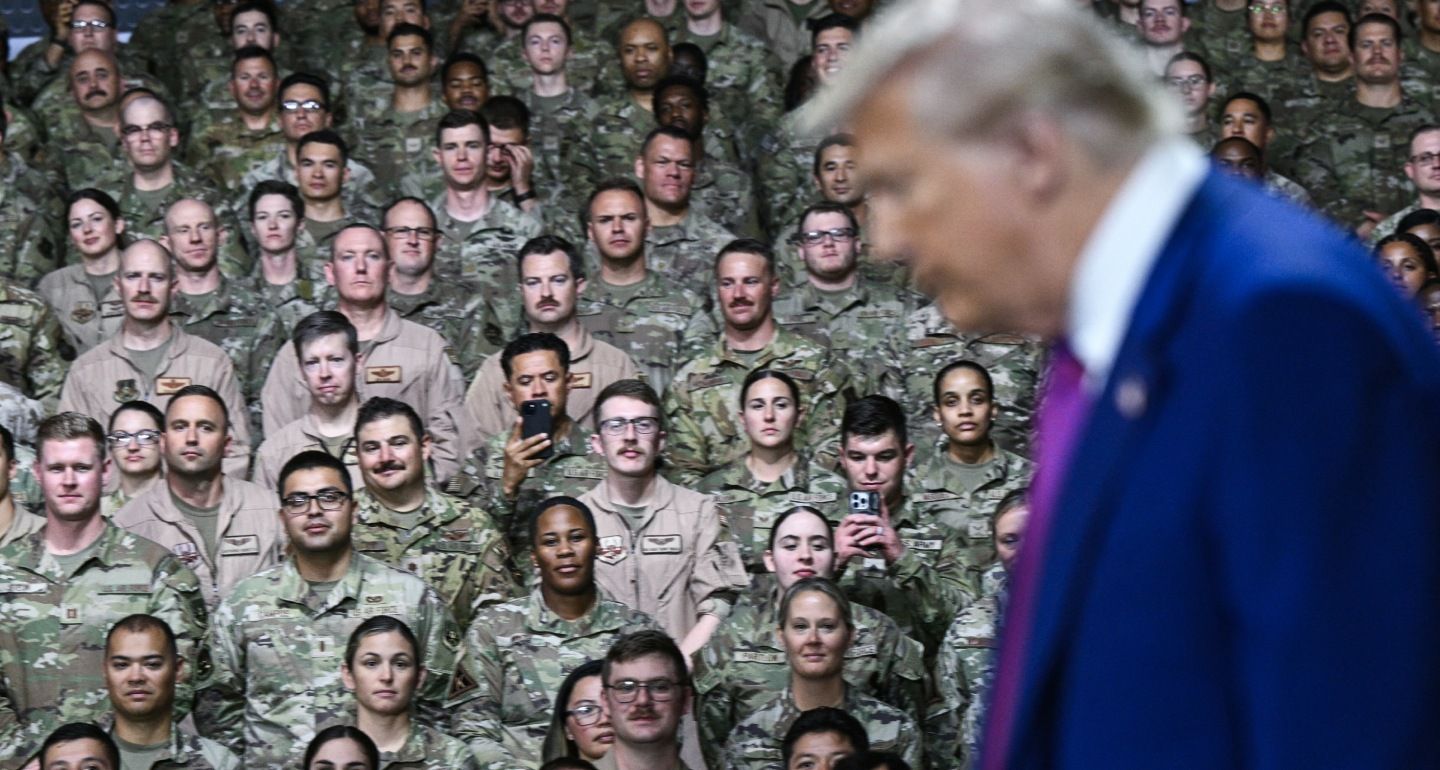
Unexpectedly, Trump’s America appears to have replaced Putin’s Russia’s as the world’s biggest disruptor.
Alexander Baunov

Baku may allow radical nationalists to publicly discuss “reunification” with Azeri Iranians, but the president and key officials prefer not to comment publicly on the protests in Iran.
Bashir Kitachaev

The Kremlin will only be prepared to negotiate strategic arms limitations if it is confident it can secure significant concessions from the United States. Otherwise, meaningful dialogue is unlikely, and the international system of strategic stability will continue to teeter on the brink of total collapse.
Maxim Starchak
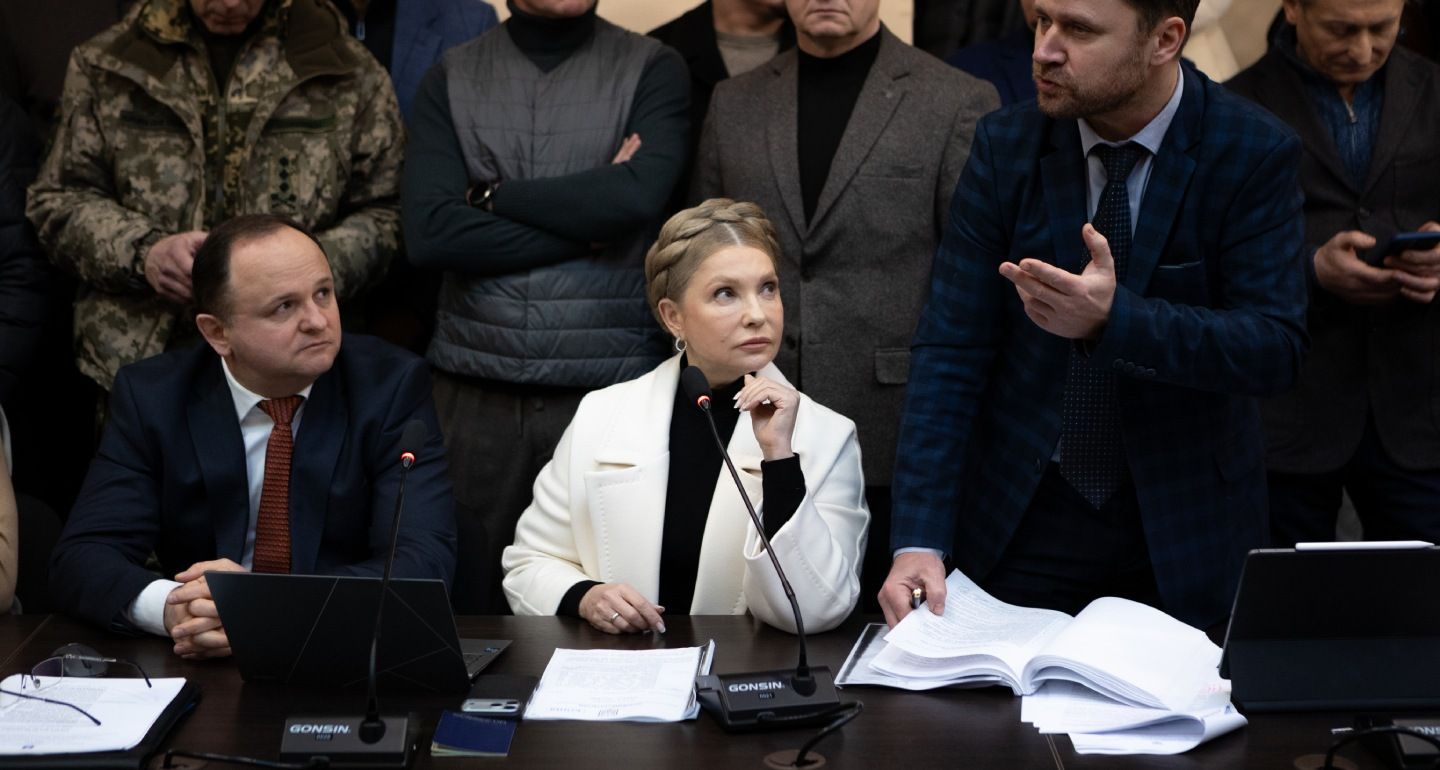
The story of a has-been politician apparently caught red-handed is intersecting with the larger forces at work in the Ukrainian parliament.

Konstantin Skorkin