

Commentary
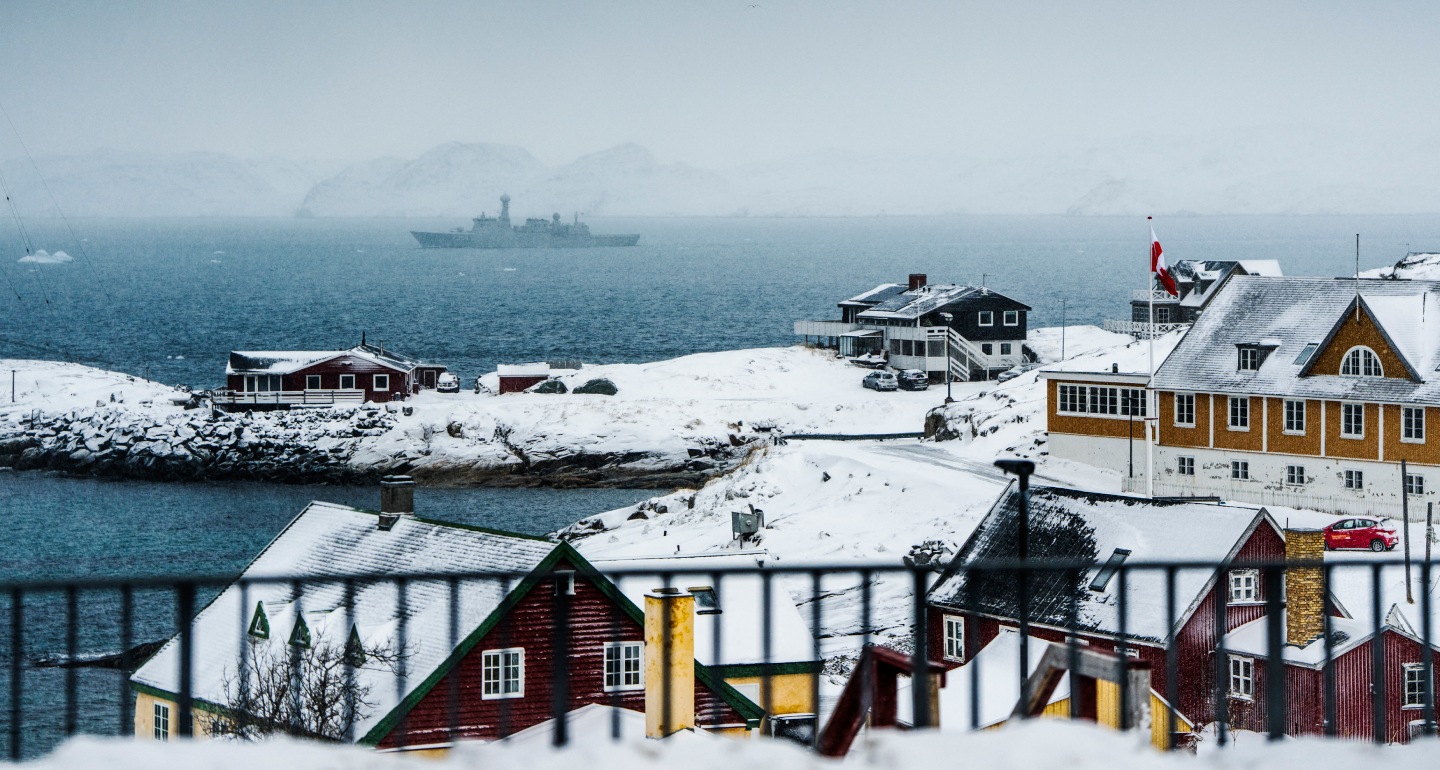
The supposed threats from China and Russia pose far less of a danger to both Greenland and the Arctic than the prospect of an unscrupulous takeover of the island.
Andrei Dagaev
{
  "authors": [
    "Joseph Cirincione"
  ],
  "type": "legacyinthemedia",
  "centerAffiliationAll": "",
  "centers": [
    "Carnegie Endowment for International Peace"
  ],
  "collections": [
    "U.S. Nuclear Policy"
  ],
  "englishNewsletterAll": "",
  "nonEnglishNewsletterAll": "",
  "primaryCenter": "Carnegie Endowment for International Peace",
  "programAffiliation": "",
  "programs": [
    "Nuclear Policy"
  ],
  "projects": [],
  "regions": [
    "North America",
    "United States",
    "Middle East",
    "Iran"
  ],
  "topics": [
    "Nuclear Policy",
    "Nuclear Energy"
  ]
}
REQUIRED IMAGE
Source: Foreign Policy
Does this story line sound familiar? The vice president of the United States gives a major speech focused on the threat from an oil-rich nation in the Middle East. The U.S. secretary of state tells congress that the same nation is our most serious global challenge. The secretary of defense calls that nation the leading supporter of global terrorism. The president blames it for attacks on U.S. troops. The intelligence agencies say the nuclear threat from this nation is 10 years away, but the director of intelligence paints a more ominous picture. A new U.S. national security strategy trumpets preemptive attacks and highlights the country as a major threat. And neoconservatives beat the war drums, as the cable media banner their stories with words like “countdown” and “showdown.”
The nation making headlines today, of course, is Iran, not Iraq. But the parallels are striking. Three years after senior administration officials systematically misled the nation into a disastrous war, they could well be trying to do it again.
Nothing is clear, yet. For months, I have told interviewers that no senior political or military official was seriously considering a military attack on Iran. In the last few weeks, I have changed my view. In part, this shift was triggered by colleagues with close ties to the Pentagon and the executive branch who have convinced me that some senior officials have already made up their minds: They want to hit Iran.
Click here to read more.
Carnegie does not take institutional positions on public policy issues; the views represented herein are those of the author(s) and do not necessarily reflect the views of Carnegie, its staff, or its trustees.
The supposed threats from China and Russia pose far less of a danger to both Greenland and the Arctic than the prospect of an unscrupulous takeover of the island.

Andrei Dagaev
Western negotiators often believe territory is just a bargaining chip when it comes to peace in Ukraine, but Putin is obsessed with empire-building.

Andrey Pertsev
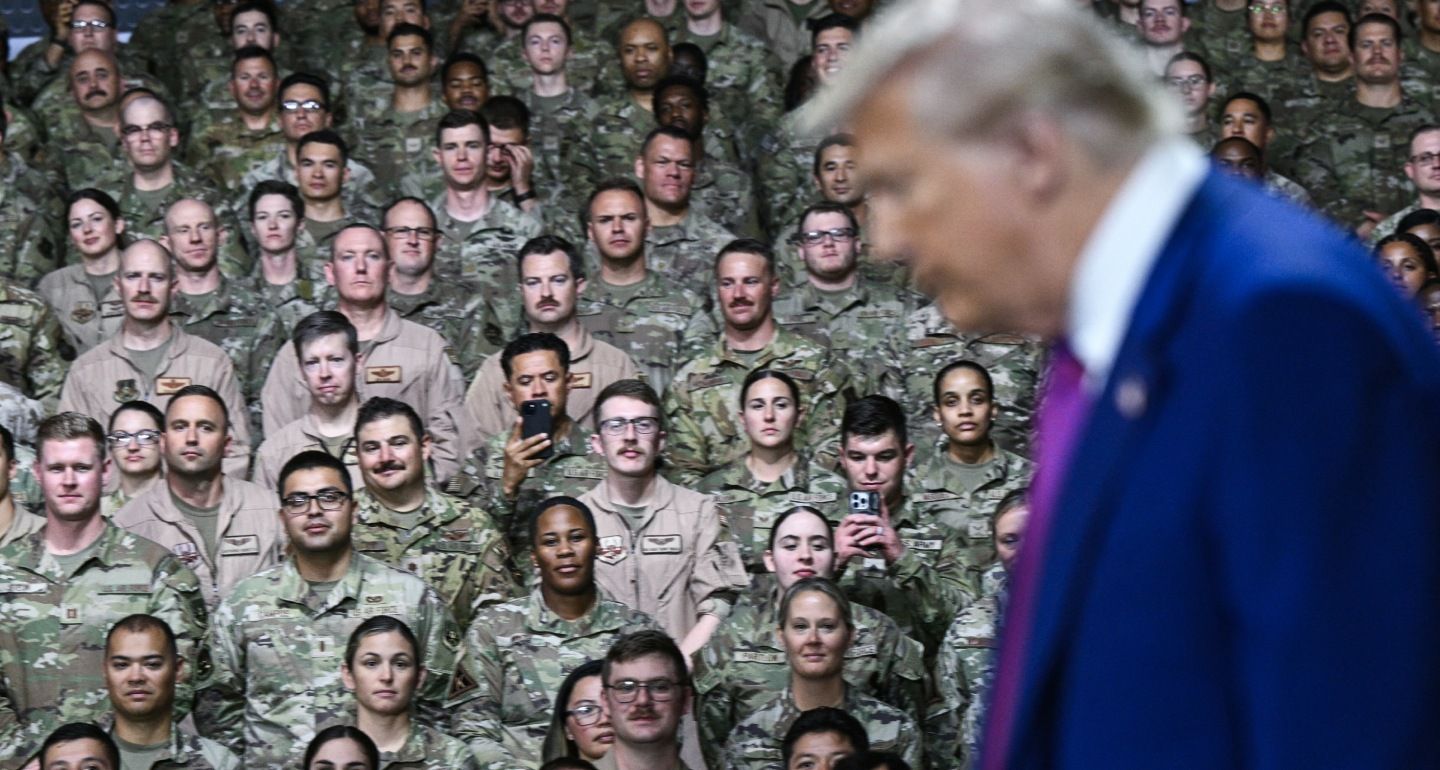
Unexpectedly, Trump’s America appears to have replaced Putin’s Russia’s as the world’s biggest disruptor.

Alexander Baunov
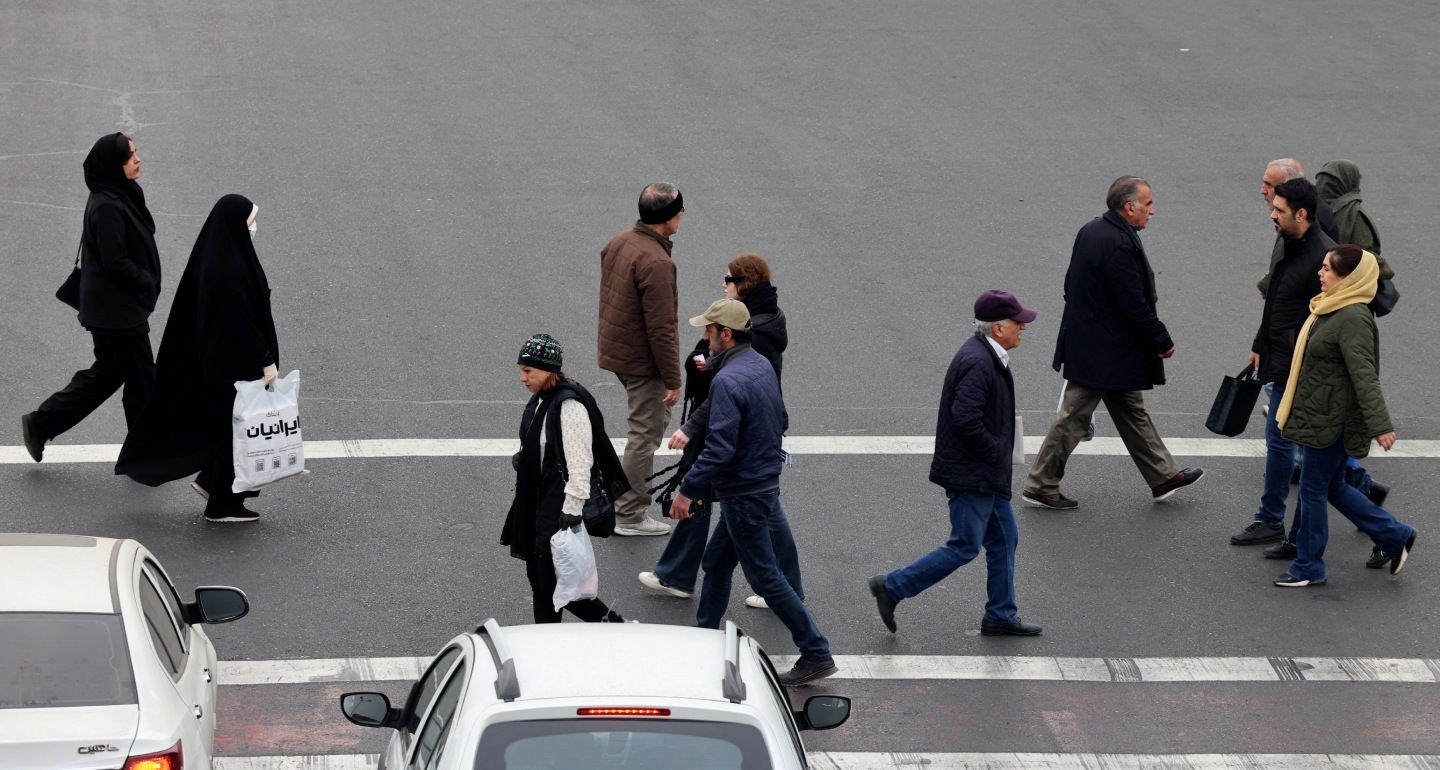
Baku may allow radical nationalists to publicly discuss “reunification” with Azeri Iranians, but the president and key officials prefer not to comment publicly on the protests in Iran.

Bashir Kitachaev
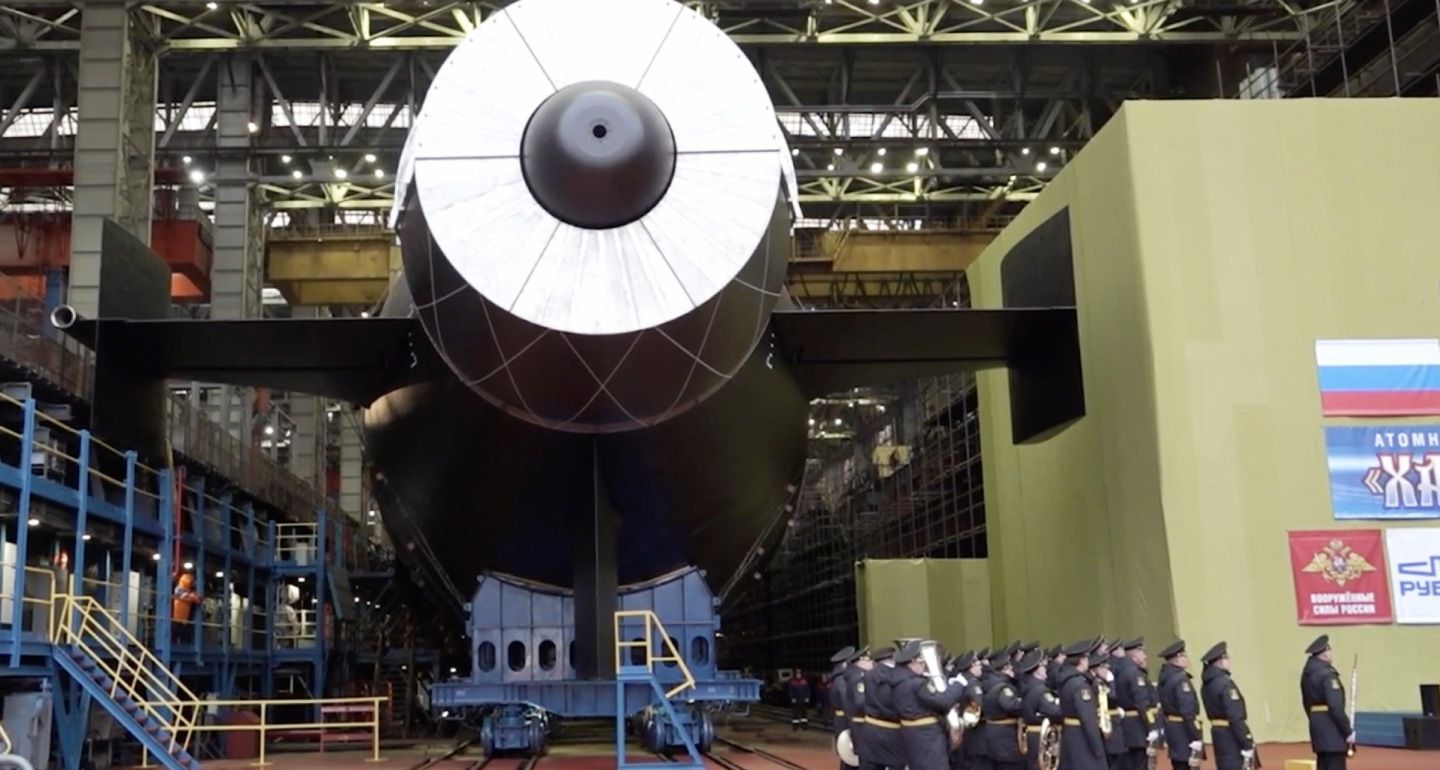
The Kremlin will only be prepared to negotiate strategic arms limitations if it is confident it can secure significant concessions from the United States. Otherwise, meaningful dialogue is unlikely, and the international system of strategic stability will continue to teeter on the brink of total collapse.

Maxim Starchak