

Commentary
What should happen when sanctions designed to weaken the Belarusian regime end up enriching and strengthening the Kremlin?
Denis Kishinevsky
{
  "authors": [
    "Robert Kagan"
  ],
  "type": "legacyinthemedia",
  "centerAffiliationAll": "",
  "centers": [
    "Carnegie Endowment for International Peace"
  ],
  "collections": [],
  "englishNewsletterAll": "",
  "nonEnglishNewsletterAll": "",
  "primaryCenter": "Carnegie Endowment for International Peace",
  "programAffiliation": "",
  "programs": [],
  "projects": [],
  "regions": [
    "North America",
    "United States",
    "Middle East",
    "Iraq"
  ],
  "topics": [
    "Foreign Policy"
  ]
}
REQUIRED IMAGE
Source: The Washington Post
It's quite a juxtaposition. In Iraq, American soldiers are finally beginning the hard job of establishing a measure of peace, security and order in critical sections of Baghdad -- the essential prerequisite for the lasting political solution everyone claims to want. They've launched attacks on Sunni insurgent strongholds and begun reining in Moqtada al-Sadr's militia. And they've embarked on these operations with the expectation that reinforcements will soon be on the way: the more than 20,000 troops President Bush has ordered to Iraq and the new commander he has appointed to fight the insurgency as it has not been fought since the war began.
Back in Washington, however, Democratic and Republican members of Congress are looking for a different kind of political solution: the solution to their problems in presidential primaries and elections almost two years off. Resolutions disapproving the troop increase have proliferated on both sides of the aisle. Many of their proponents frankly, even proudly, admit they are responding to the current public mood, as if that is what they were put in office to do. Those who think they were elected sometimes to lead rather than follow seem to be in a minority.
The most popular resolutions simply oppose the troop increase without offering much useful guidance on what to do instead, other than perhaps go back to the Baker-Hamilton commission's vague plan for a gradual withdrawal. Sen. Hillary Clinton wants to cap the number of troops in Iraq at 137,500. No one explains why this is the right number, why it shouldn't be 20,000 troops lower or higher. But that's not really the point, is it?
Other critics claim that these are political cop-outs, which they are. These supposedly braver critics demand a cutoff of funds for the war and the start of a withdrawal within months. But they're not honest either, since they refuse to answer the most obvious and necessary questions: What do they propose the United States do when, as a result of withdrawal, Iraq explodes and ethnic cleansing on a truly horrific scale begins? What do they propose our response should be when the entire region becomes a war zone, when al-Qaeda and other terrorist organizations establish bases in Iraq from which to attack neighboring states as well as the United States? Even the Iraq Study Group acknowledged that these are likely consequences of precipitate withdrawal.
Those who call for an "end to the war" don't want to talk about the fact that the war in Iraq and in the region will not end but will only grow more dangerous. Do they recommend that we then do nothing, regardless of the consequences? Or are they willing to say publicly, right now, that they would favor sending U.S. troops back into Iraq to confront those new dangers? Answering those questions really would be honest and brave.
Of course, most of the discussion of Iraq isn't about Iraq at all. The war has become a political abstraction, a means of positioning oneself at home.
To the extent that people think about Iraq, many seem to believe it is a problem that can be made to go away. Once American forces depart, Iraq will no longer be our problem. Joseph Biden, one of the smartest foreign policy hands in the Senate, recently accused President Bush of sending more troops so that he could pass the Iraq war on to his successor. Biden must assume that if the president took his advice and canceled the troop increase, then somehow Iraq would no longer be a serious crisis when President Biden entered the White House in 2009.
This is a delusion, but it is by no means only a Democratic delusion. Many conservatives and Republicans, including erstwhile supporters of the war, have thrown up their hands in anger at the Iraqi people or the Iraqi government. They, too, seem to believe that if American troops leave, because Iraqis don't "deserve" our help, then somehow the whole mess will solve itself or simply fade away. Talk about a fantasy. The fact is, the United States cannot escape the Iraq crisis, or the Middle East crisis of which it is a part, and will not be able to escape it for years. And if Iraq does collapse, it will not be the end of our problems but the beginning of a new and much bigger set of problems.
I would think that anyone wanting to be president in January 2009 would be hoping and praying that the troop increase works. The United States will be dealing with Iraq one way or another in 2009, no matter what anyone says or does today. The only question is whether it is an Iraq that is salvageable or an Iraq sinking further into chaos and destruction and dragging America along with it.
A big part of the answer will come soon in the battle for Baghdad. Politicians in both parties should realize that success in this mission is in their interest, as well as the nation's. Here's a wild idea: Forget the political posturing, be responsible, and provide the moral and material support our forces need and expect. The next president will thank you.
Robert Kagan, a senior associate at the Carnegie Endowment for International Peace and transatlantic fellow at the German Marshall Fund, writes a monthly column for The Post. His latest book is "Dangerous Nation," a history of American foreign policy.
Carnegie does not take institutional positions on public policy issues; the views represented herein are those of the author(s) and do not necessarily reflect the views of Carnegie, its staff, or its trustees.
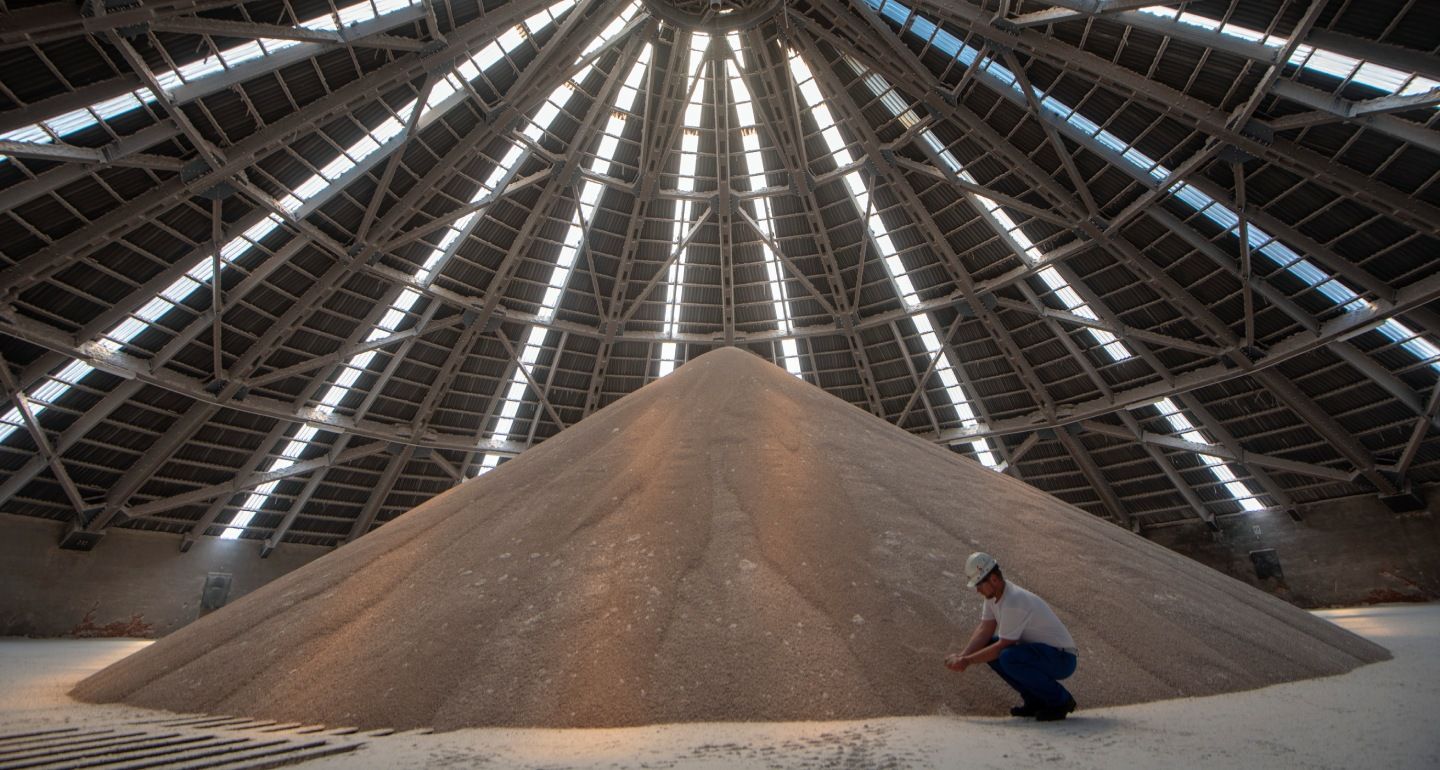
What should happen when sanctions designed to weaken the Belarusian regime end up enriching and strengthening the Kremlin?

Denis Kishinevsky
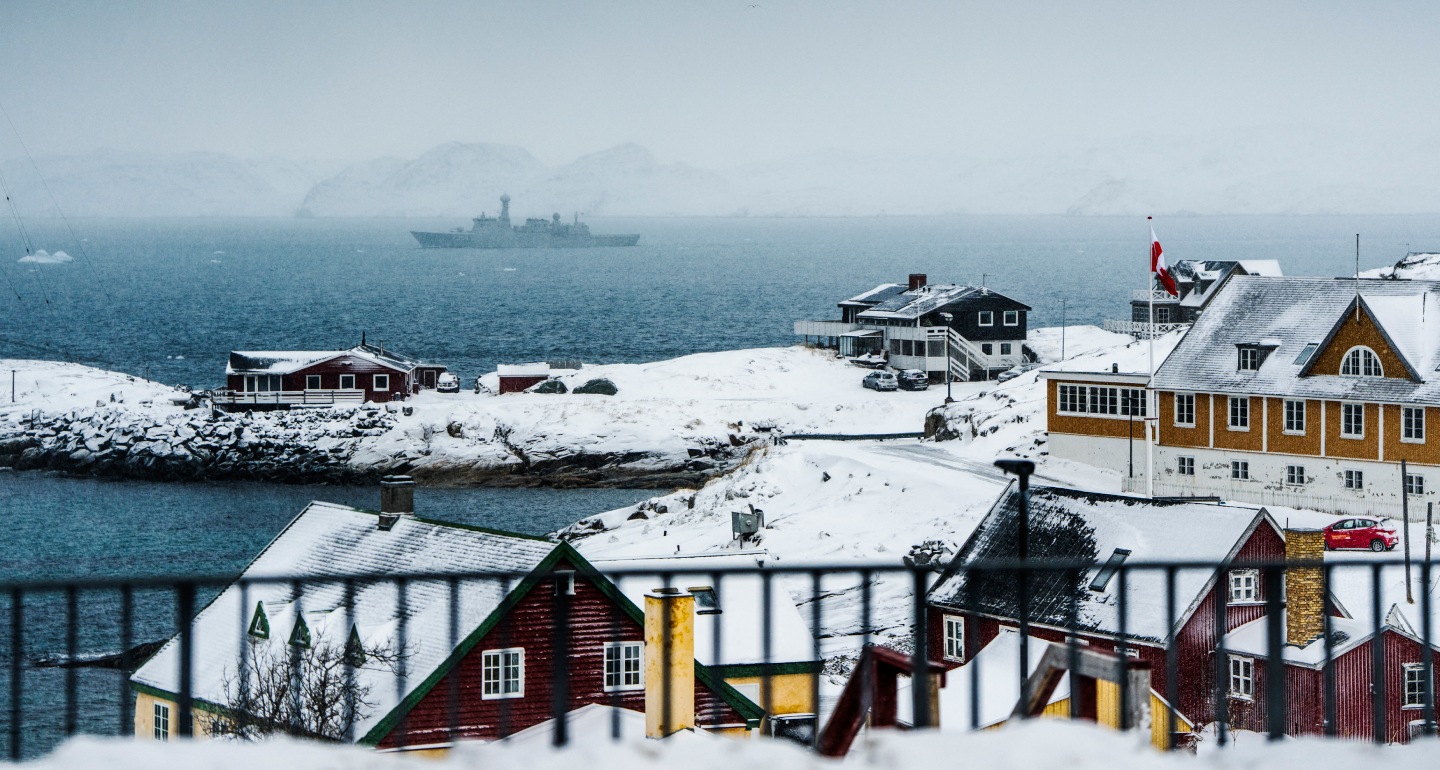
The supposed threats from China and Russia pose far less of a danger to both Greenland and the Arctic than the prospect of an unscrupulous takeover of the island.

Andrei Dagaev
Western negotiators often believe territory is just a bargaining chip when it comes to peace in Ukraine, but Putin is obsessed with empire-building.

Andrey Pertsev
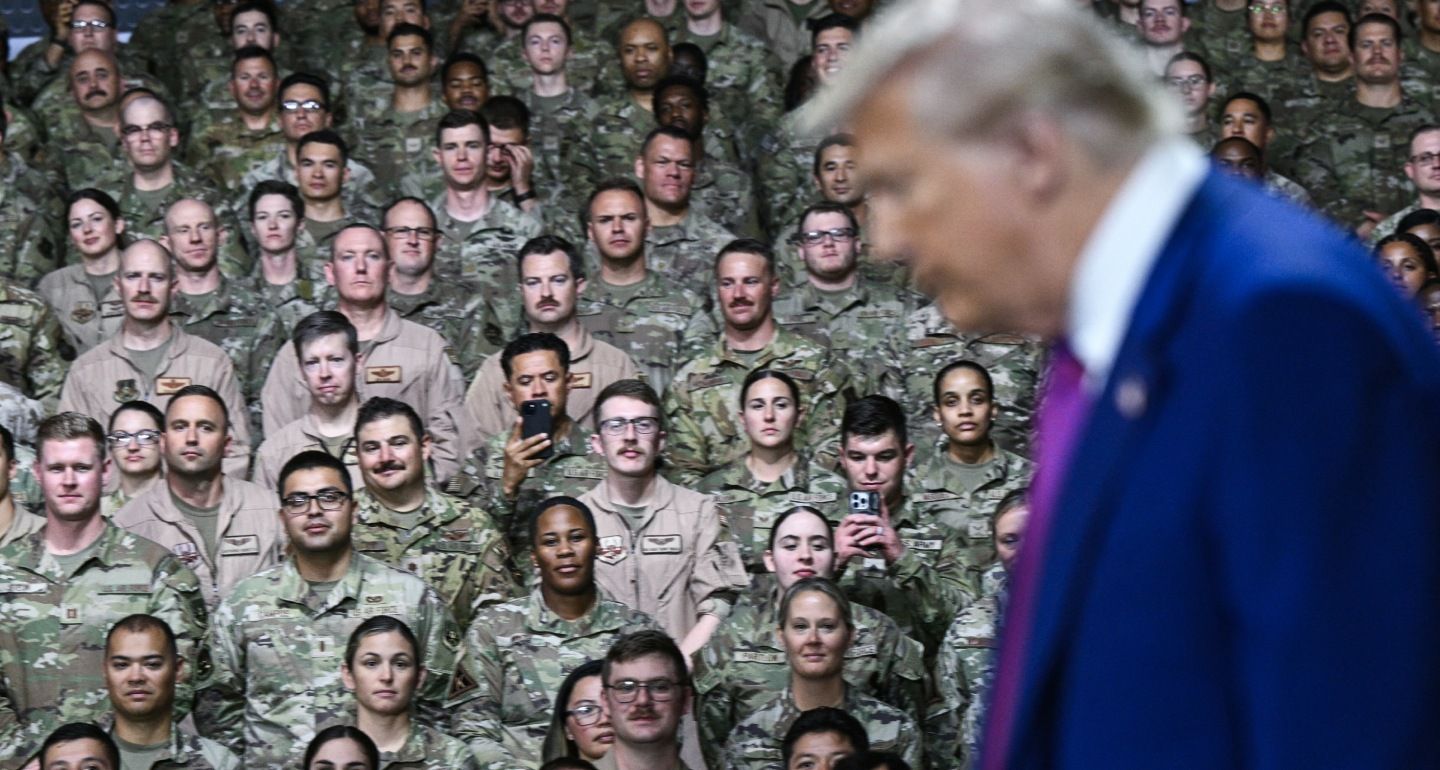
Unexpectedly, Trump’s America appears to have replaced Putin’s Russia’s as the world’s biggest disruptor.
Alexander Baunov
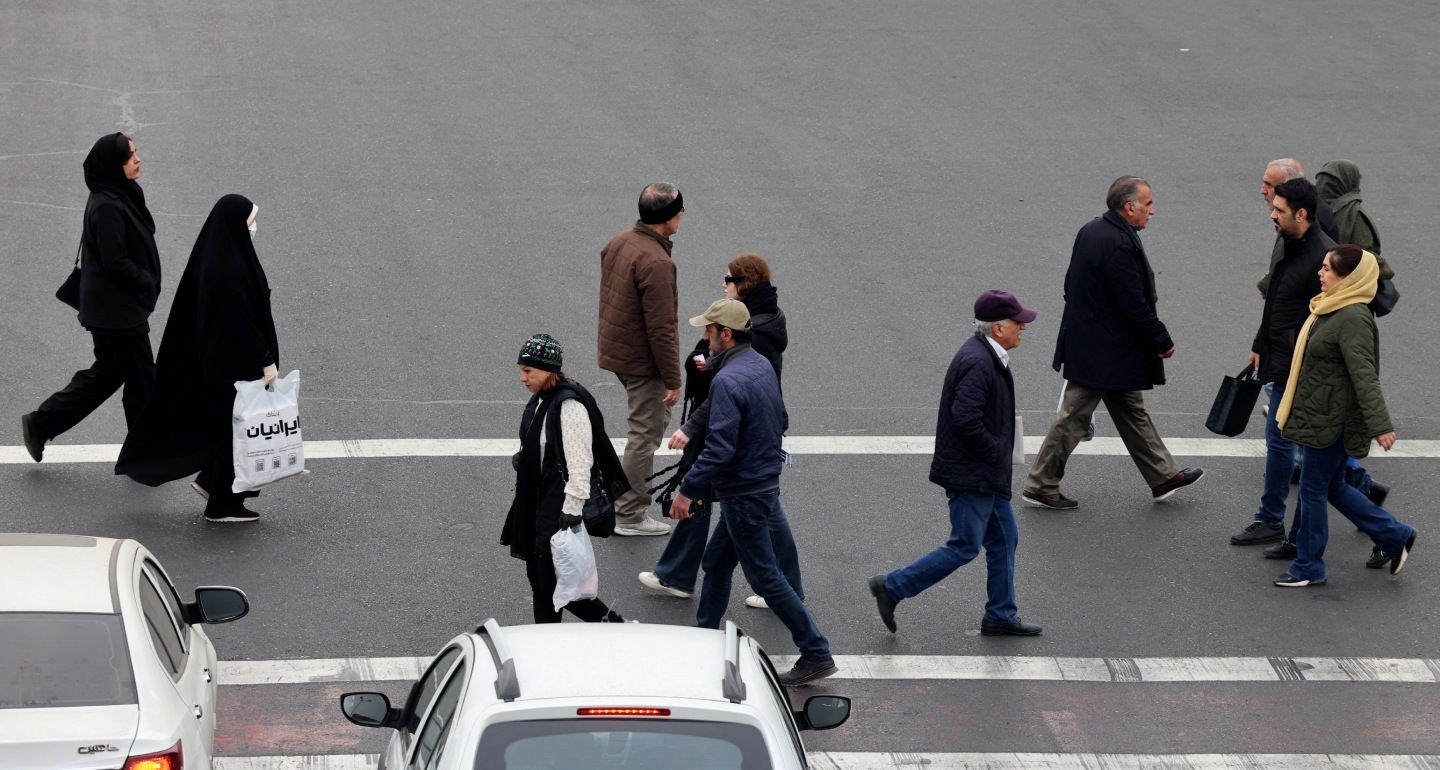
Baku may allow radical nationalists to publicly discuss “reunification” with Azeri Iranians, but the president and key officials prefer not to comment publicly on the protests in Iran.

Bashir Kitachaev