

Commentary
The current U.S. indifference to human rights means Astana no longer has any incentive to refuse extradition requests from its authoritarian neighbors—including Russia.
Temur Umarov
{
  "authors": [],
  "type": "pressRelease",
  "centerAffiliationAll": "dc",
  "centers": [
    "Carnegie Endowment for International Peace"
  ],
  "collections": [],
  "englishNewsletterAll": "asia",
  "nonEnglishNewsletterAll": "",
  "primaryCenter": "Carnegie Endowment for International Peace",
  "programAffiliation": "AP",
  "programs": [
    "Asia"
  ],
  "projects": [],
  "regions": [
    "North America",
    "United States",
    "China"
  ],
  "topics": [
    "Economy",
    "Foreign Policy"
  ]
}
REQUIRED IMAGE
China’s economy will surpass that of the United States by 2035 and be twice its size by midcentury, a new report by Albert Keidel concludes. China’s rapid growth is driven by domestic demand—not exports—and will sustain high single-digit growth rates well into this century.
WASHINGTON, July 8—China’s economy will surpass that of the United States by 2035 and be twice its size by midcentury, a new report by Albert Keidel concludes. China’s rapid growth is driven by domestic demand—not exports—and will sustain high single-digit growth rates well into this century.
In China’s Economic Rise—Fact and Fiction, Keidel examines China’s likely economic trajectory and its implications for global commercial, institutional, and military leadership.
Key Conclusions:
"China’s economic performance clearly is no flash in the pan. Its growth this decade has averaged more than 10 percent a year and is still going strong in the first half of 2008. Because its success in recent decades has not been export-led but driven by domestic demand, its rapid growth can continue well into the twenty-first century, unfettered by world market limitation. China’s likely continued success will eventually bring an end to America’s global economic preeminence, requiring strategic reassessment by all major economies—especially the United States, the European Union, Japan, and even China itself."
###

Carnegie does not take institutional positions on public policy issues; the views represented herein are those of the author(s) and do not necessarily reflect the views of Carnegie, its staff, or its trustees.

The current U.S. indifference to human rights means Astana no longer has any incentive to refuse extradition requests from its authoritarian neighbors—including Russia.

Temur Umarov
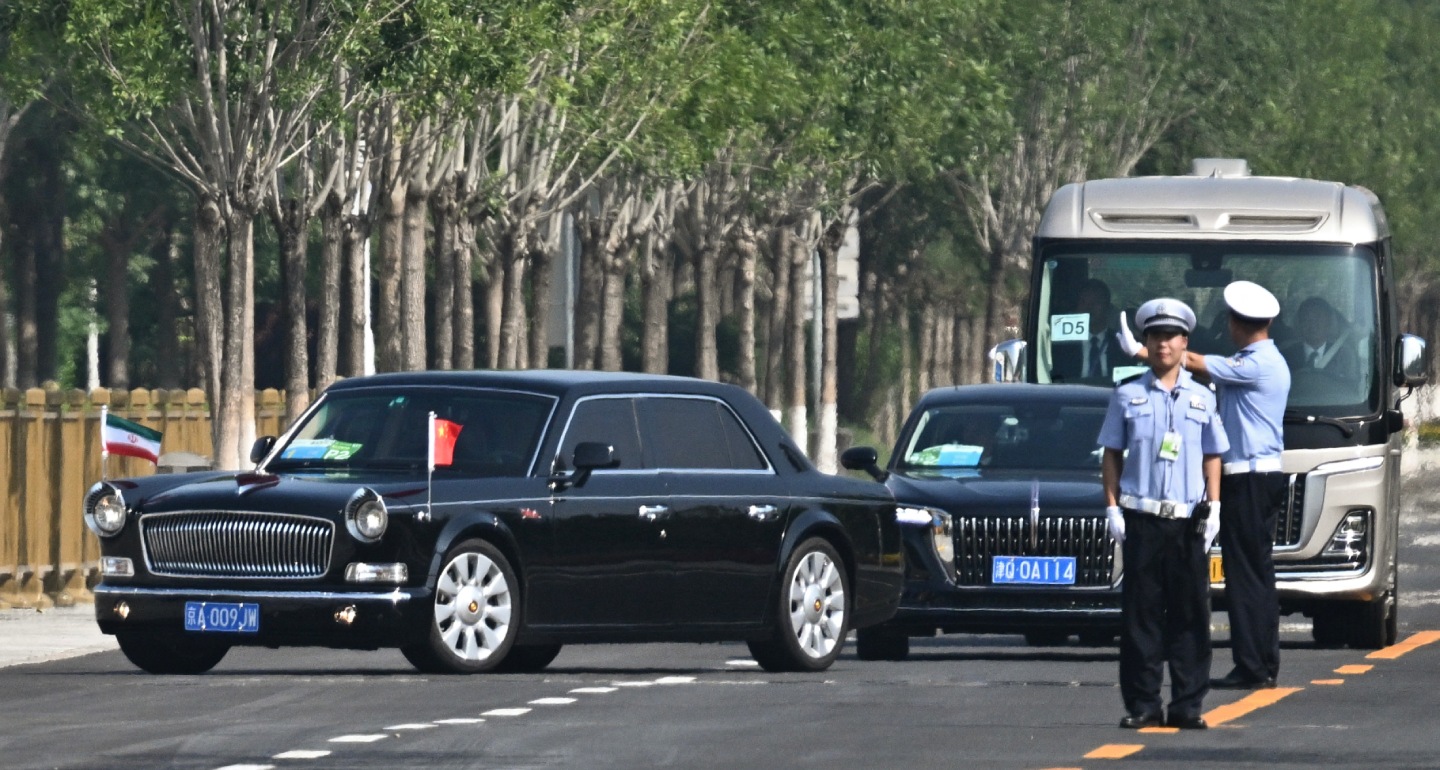
Most of Moscow’s military resources are tied up in Ukraine, while Beijing’s foreign policy prioritizes economic ties and avoids direct conflict.

Alexander Gabuev, Temur Umarov
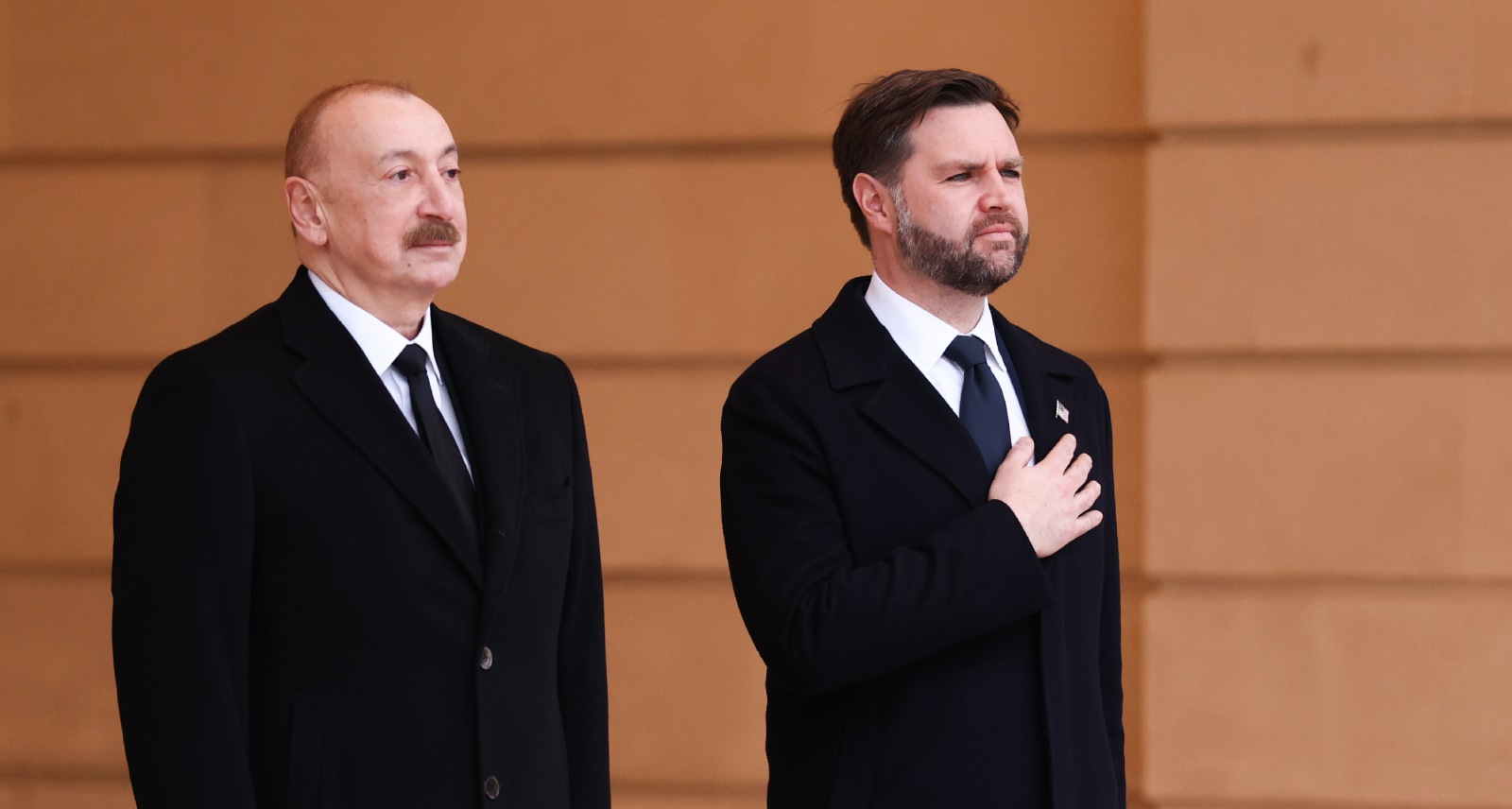
With the White House only interested in economic dealmaking, Georgia finds itself eclipsed by what Armenia and Azerbaijan can offer.

Bashir Kitachaev
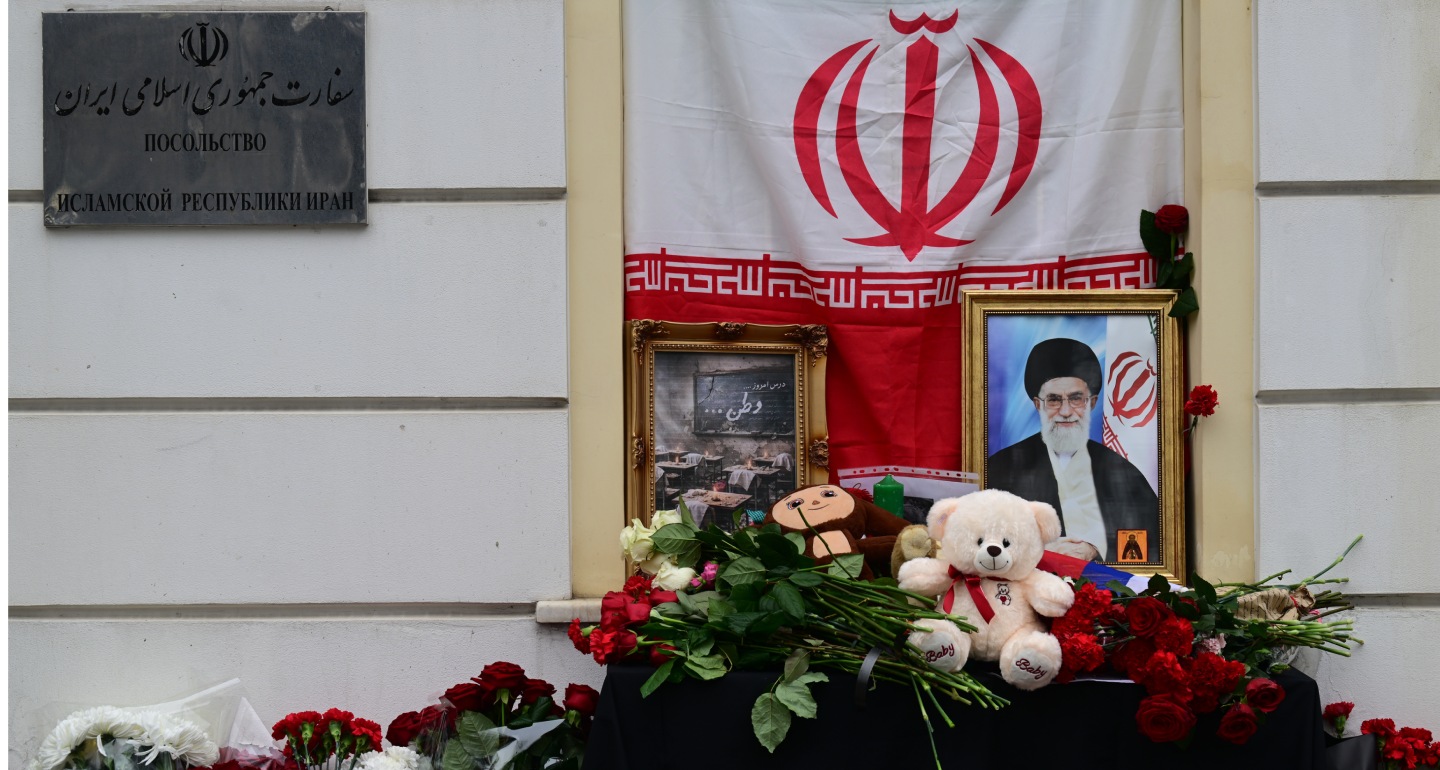
If the regime in Tehran survives, it could be obliged to hand Moscow significant political influence in exchange for supplies of weapons and humanitarian aid.

Nikita Smagin

The interventions in Iran and Venezuela are in keeping with Trump’s strategy of containing China, but also strengthen Russia’s position.

Mikhail Korostikov