

Commentary
The Russian army is not currently struggling to recruit new contract soldiers, though the number of people willing to go to war for money is dwindling.
Dmitry Kuznets
{
  "authors": [],
  "type": "pressRelease",
  "centerAffiliationAll": "",
  "centers": [
    "Carnegie Endowment for International Peace"
  ],
  "collections": [],
  "englishNewsletterAll": "",
  "nonEnglishNewsletterAll": "",
  "primaryCenter": "Carnegie Endowment for International Peace",
  "programAffiliation": "",
  "programs": [],
  "projects": [],
  "regions": [
    "North America",
    "South America",
    "East Asia",
    "Eastern Europe"
  ],
  "topics": [
    "Economy"
  ]
}
REQUIRED IMAGE
There is no single solution to the effects of the financial crisis on middle-income countries, but, introducing fundamental labor markets reforms to create high-paying jobs will be the key to restarting economic growth.
WASHINGTON, July 13—There is no single solution to the effects of the financial crisis on middle-income countries, but, introducing fundamental labor markets reforms to create high-paying jobs will be the key to restarting economic growth, according to a new report by Carnegie’s Alejandro Foxley, the former foreign and finance minister of Chile.
Labor reform is always politically contentious, but the current crisis, by illustrating the dangers of ignoring necessary long-term reforms, has made it easier to reach consensus on the need for action. If policy makers undertake the right reforms, middle-income countries could achieve higher growth, better standards of living, and more effective government.
Key points:
Foxley concludes:
“There are no magic formulas, no shortcuts, no miracles, and no ‘models’ as far as development is concerned. Economic growth and development is a several-decades-long proposition that requires consistent policies, persistence in moving in a certain direction, and adaptability to shocks and changes and the opportune correction of policy mistakes.”
###
NOTES
Alejandro Foxley is a senior associate in the Carnegie International Economics Program, and at the Corporación de Estudios para Latinoamérica (CIEPLAN) in Santiago, Chile. Before joining Carnegie, Foxley was minister of foreign affairs of the Republic of Chile (2006–2009).
The Carnegie International Economics Program (IEP) monitors and analyzes short- and long-term trends in the global economy, including macroeconomic developments, trade, commodities, and capital flows, and draws out policy implications. The initial focus of the Program will be the global financial crisis and the policy issues raised. Among other research, the Program will examine the ramifications of the rising weight of developing countries in the global economy.
The International Economic Bulletin draws on the expertise of Carnegie's global centers to provide a candid view of the economic crisis and its political implications. Addressing the momentous challenges of the economic downturn will require objectivity, and the ability to analyze the political dimensions of reforms around the world. Experts on Russia, China, the Middle East, and Africa weigh in on how policy makers in each region can do more to counteract the crisis.
Press Contact: Jessica Jennings, 202/939-2265, jjennings@ceip.org
Carnegie does not take institutional positions on public policy issues; the views represented herein are those of the author(s) and do not necessarily reflect the views of Carnegie, its staff, or its trustees.
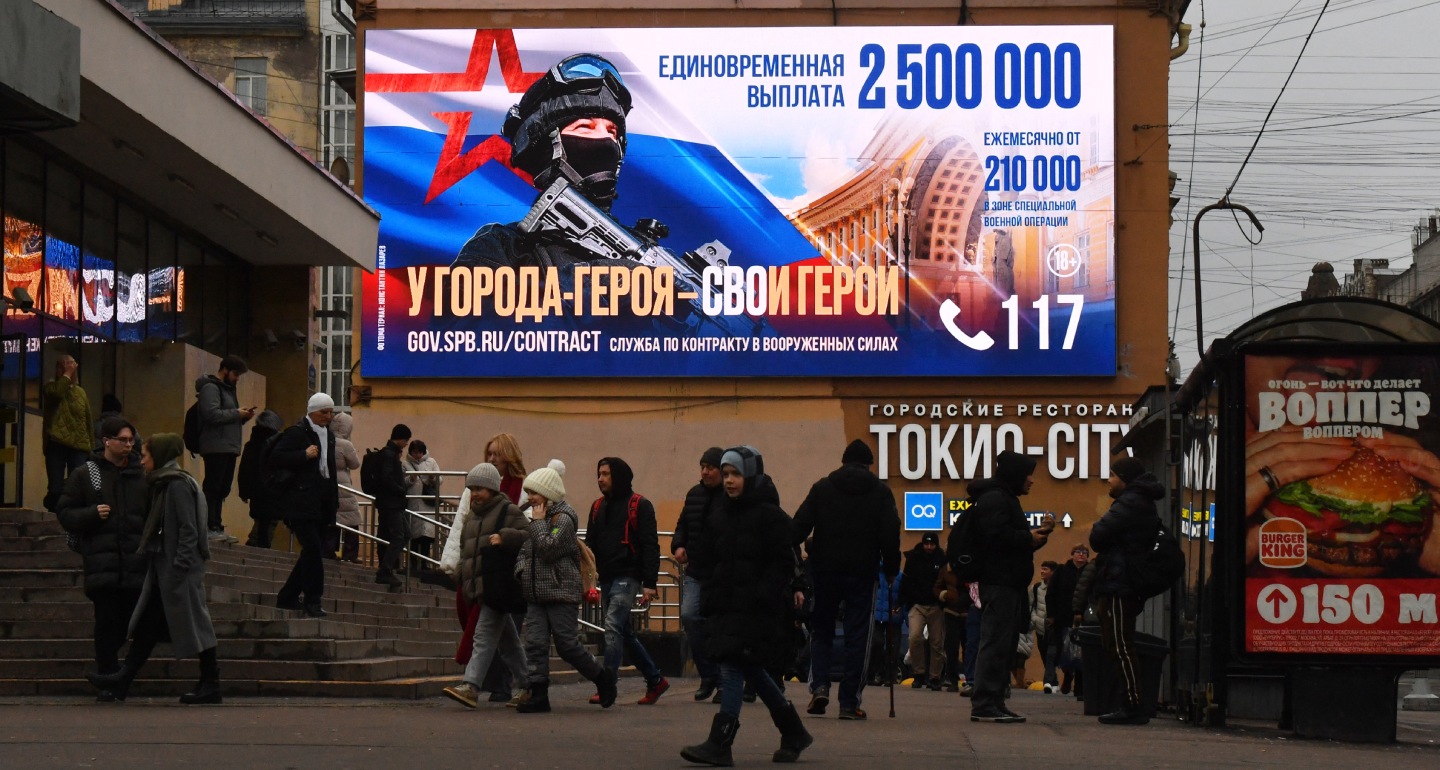
The Russian army is not currently struggling to recruit new contract soldiers, though the number of people willing to go to war for money is dwindling.

Dmitry Kuznets

Geological complexity and years of mismanagement mean the Venezuelan oil industry is not the big prize officials in Moscow and Washington appear to believe.

Sergey Vakulenko
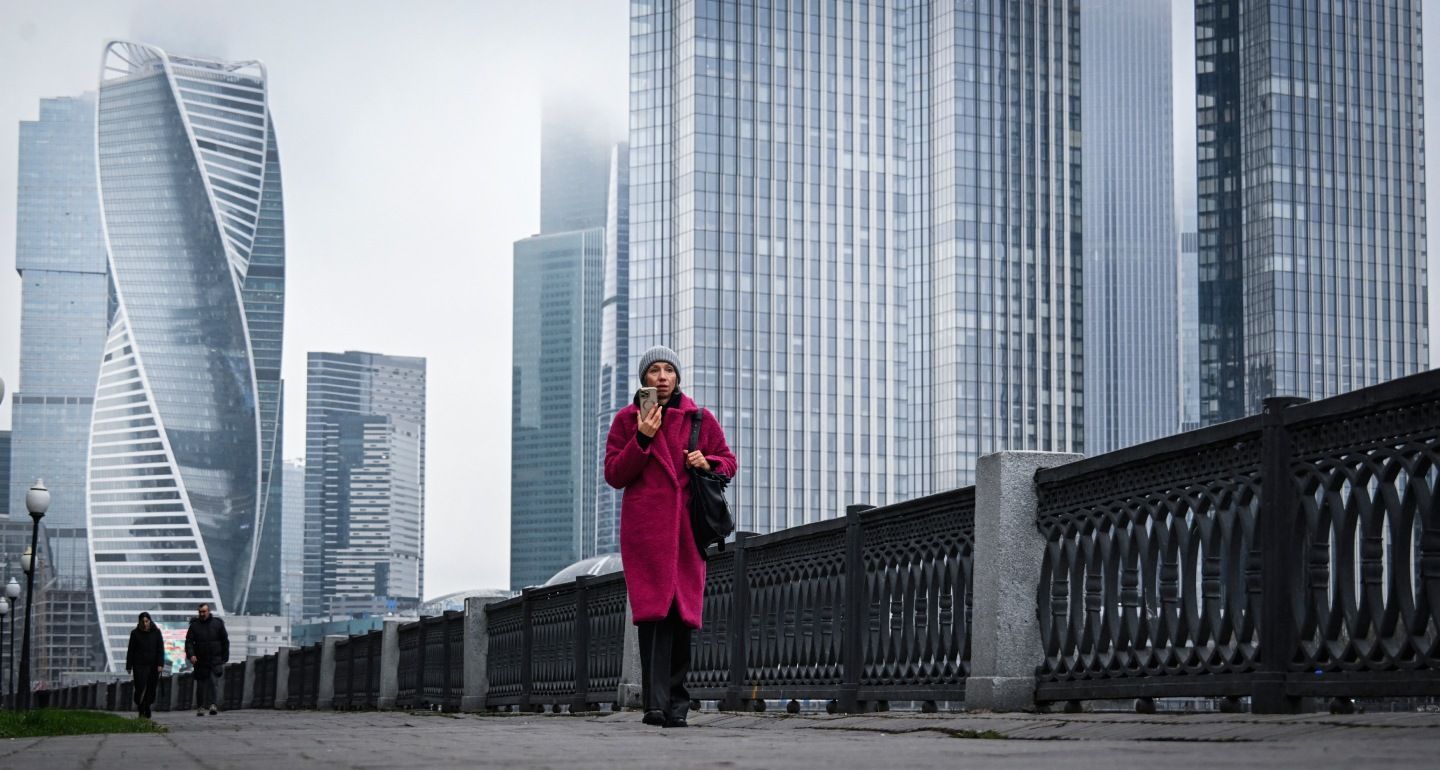
The paradox of the European Commission’s decision is that the main victims will not be those it formally targets. Major Russian businesses associated with the Putin regime have long adapted to sanctions with the help of complex schemes involving third countries, offshore companies, and nonpublic entities.
Alexandra Prokopenko
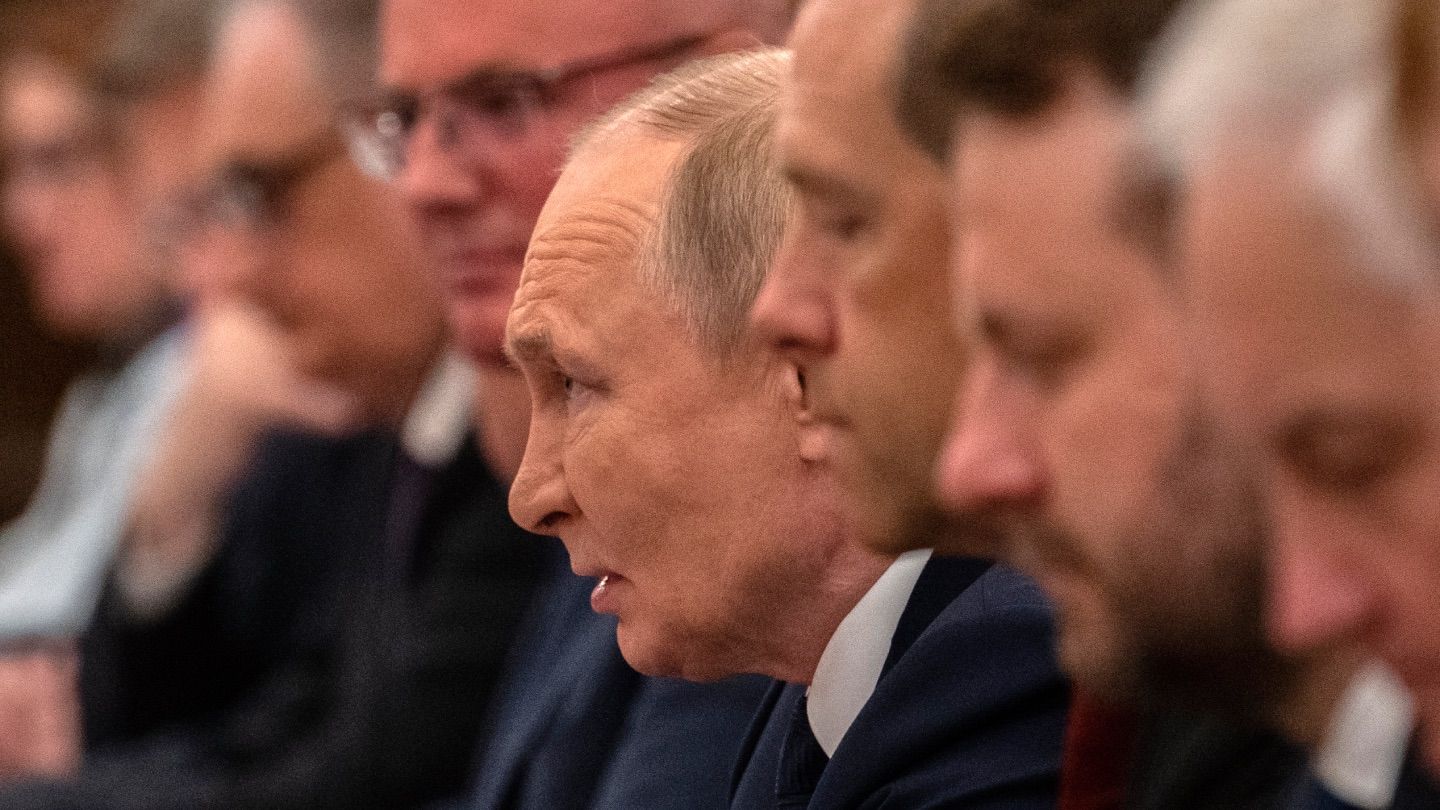
A new book by Alexandra Prokopenko looks at why the Russian ruling class became the regime’s willing servants—and how they might fare in a post-Putin world.
Vladislav Gorin
The volume of frozen private assets might seem insignificant compared with Russia’s sovereign reserves, but these are the savings of millions of people who believed that foreign securities were a safe investment and in the institution of private property.
Yulia Starostina