
• Research
  • Politika
  • About
Carnegie Russia Eurasia center logoCarnegie lettermark logo
  • Donate
{
  "authors": [
    "Christopher Boucek"
  ],
  "type": "legacyinthemedia",
  "centerAffiliationAll": "",
  "centers": [
    "Carnegie Endowment for International Peace"
  ],
  "collections": [],
  "englishNewsletterAll": "",
  "nonEnglishNewsletterAll": "",
  "primaryCenter": "Carnegie Endowment for International Peace",
  "programAffiliation": "",
  "programs": [
    "Middle East"
  ],
  "projects": [],
  "regions": [
    "Middle East",
    "Yemen"
  ],
  "topics": [
    "Political Reform",
    "Economy",
    "Foreign Policy"
  ]
}

Source: Getty

In The Media

The Importance of Yemen

An international approach is needed to mitigate Yemen’s economic and security challenges before it becomes a failed state, creating a harbor for extremists on the border of Saudi Arabia, the world’s largest oil producer.

Link Copied
By Christopher Boucek
Published on Jan 5, 2010

Source: Dan Rather Reports

Please Download Flash Plugin

The failed Christmas day bombing attempt drew the attention of the United States and the international community to the threat of terrorism emanating from Yemen. Yet the resurgence of al-Qaeda in Yemen is only one of the myriad challenges the country faces. Endemic corruption, rapidly depleting water and oil reserves, a civil war in the North, and a secessionist movement in the South all threaten to render Yemen a failed state. Yemen's failure would have dire security and economic ramifications for the entire region. In order to prevent this, “an international approach is needed. These challenges need to be met immediately or it could be too late for Yemen,” warns Christopher Boucek. 

Christopher Boucek
Former Associate, Middle East Program
Christopher Boucek
Political ReformEconomyForeign PolicyMiddle EastYemen

Carnegie does not take institutional positions on public policy issues; the views represented herein are those of the author(s) and do not necessarily reflect the views of Carnegie, its staff, or its trustees.

More Work from Carnegie Russia Eurasia Center

  • Commentary
    Carnegie Politika
    A New World Police: How Chinese Security Became a Global Export

    China has found a unique niche for itself within the global security ecosystem, eschewing military alliances to instead bolster countries’ internal stability using law enforcement. Authoritarian regimes from the Central African Republic to Uzbekistan are signing up.

      Temur Umarov
  • Commentary
    Carnegie Politika
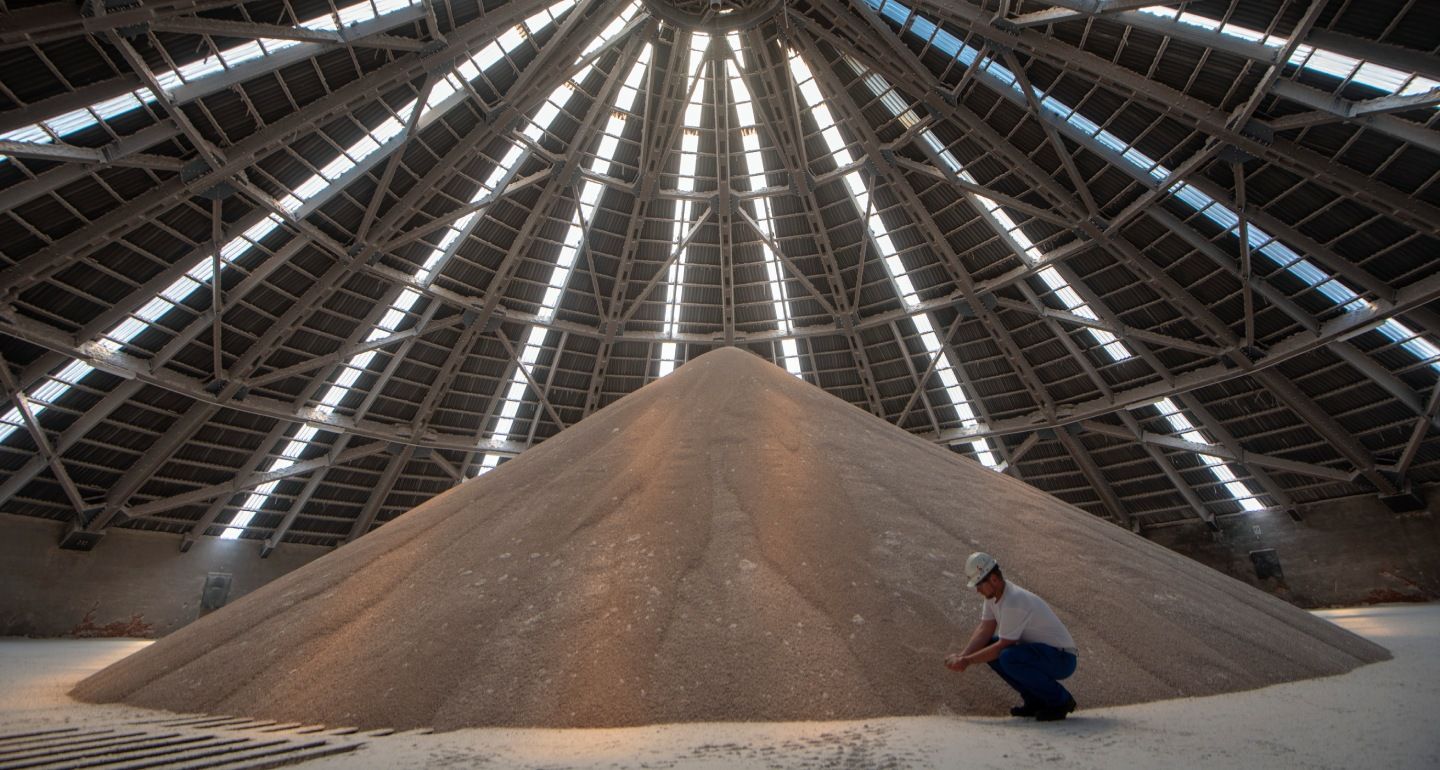
    Lithuania’s Potash Dilemma Raises Questions About Sanctions’ Effectiveness

    What should happen when sanctions designed to weaken the Belarusian regime end up enriching and strengthening the Kremlin?  

      Denis Kishinevsky

  • Commentary
    Carnegie Politika
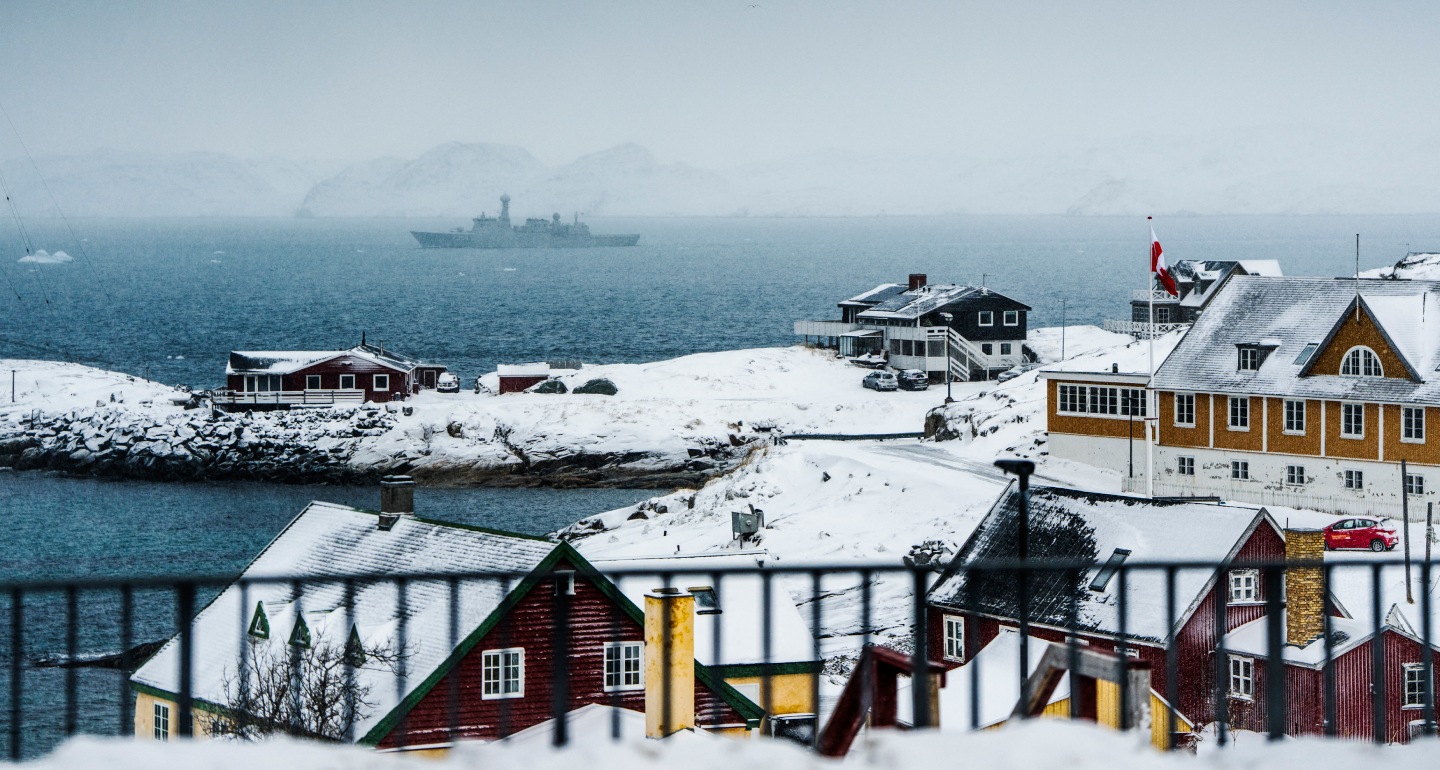
    Is There Really a Threat From China and Russia in Greenland?

    The supposed threats from China and Russia pose far less of a danger to both Greenland and the Arctic than the prospect of an unscrupulous takeover of the island.

      Andrei Dagaev

  • Commentary
    Carnegie Politika
    Ukrainian Villages Are a Bigger Prize for Putin Than a Deal With Trump

    Western negotiators often believe territory is just a bargaining chip when it comes to peace in Ukraine, but Putin is obsessed with empire-building. 

      Andrey Pertsev

  • Commentary
    Carnegie Politika
    Has Trump the Destroyer Eclipsed Putin the Destroyer?

    Unexpectedly, Trump’s America appears to have replaced Putin’s Russia’s as the world’s biggest disruptor.

      Alexander Baunov

Get more news and analysis from
Carnegie Russia Eurasia Center
Carnegie Russia Eurasia logo, white
  • Research
  • Politika
  • About
  • Experts
  • Events
  • Contact
  • Privacy
Get more news and analysis from
Carnegie Russia Eurasia Center
© 2026 Carnegie Endowment for International Peace. All rights reserved.