

In The Media
Michele Dunne, Robert Kagan
{
  "authors": [
    "Robert Kagan"
  ],
  "type": "legacyinthemedia",
  "centerAffiliationAll": "",
  "centers": [
    "Carnegie Endowment for International Peace",
    "Carnegie Europe"
  ],
  "collections": [],
  "englishNewsletterAll": "",
  "nonEnglishNewsletterAll": "",
  "primaryCenter": "Carnegie Endowment for International Peace",
  "programAffiliation": "",
  "programs": [],
  "projects": [],
  "regions": [
    "North America",
    "United States"
  ],
  "topics": [
    "Political Reform",
    "Security",
    "Foreign Policy"
  ]
}
Source: Getty
In spite of discussions highlighting the intense partisanship of U.S. politics, there is a strong bipartisan consensus on the key issues of U.S. foreign policy, including Afghanistan, Iraq, and Iran.
Source: Bloggingheads.tv
Robert Wright of bloggingheads.tv and Carnegie’s Robert Kagan debated a host of issues, ranging from the recent diplomatic tensions between the United States and Israel to the strong bipartisan consensus on the key issues of the Obama administration’s foreign policy agenda.
The Israeli announcement that new Jewish housing would be built in East Jerusalem, made during U.S. Vice President Biden’s visit to Israel, has created a strain in U.S.-Israeli relations. Kagan spoke about his concern with the Obama administration's response to the Jewish settlement declaration in East Jerusalem, which he described as relatively insignificant.
On the major foreign policy issue areas of Afghanistan, Iraq, and Iran, Kagan explained that a strong bipartisan consensus had emerged in spite of the partisan wrangling over domestic politics.
Kagan and Wright also discussed the issue of Google’s withdraw from China. Kagan expressed interest in how this is going to play out, noting that the belief that the internet will be a liberalizing and democratic force may be severely challenged “if China can run out a major internet provider and suffer no consequences for it."

Former Senior Associate
Kagan, author of the recent book, The Return of History and the End of Dreams (Knopf 2008), writes a monthly column on world affairs for the Washington Post and is a contributing editor at both the Weekly Standard and the New Republic.
Recent Work

Michele Dunne, Robert Kagan
Robert Kagan, Michele Dunne
Carnegie does not take institutional positions on public policy issues; the views represented herein are those of the author(s) and do not necessarily reflect the views of Carnegie, its staff, or its trustees.

The current U.S. indifference to human rights means Astana no longer has any incentive to refuse extradition requests from its authoritarian neighbors—including Russia.

Temur Umarov

Most of Moscow’s military resources are tied up in Ukraine, while Beijing’s foreign policy prioritizes economic ties and avoids direct conflict.

Alexander Gabuev, Temur Umarov
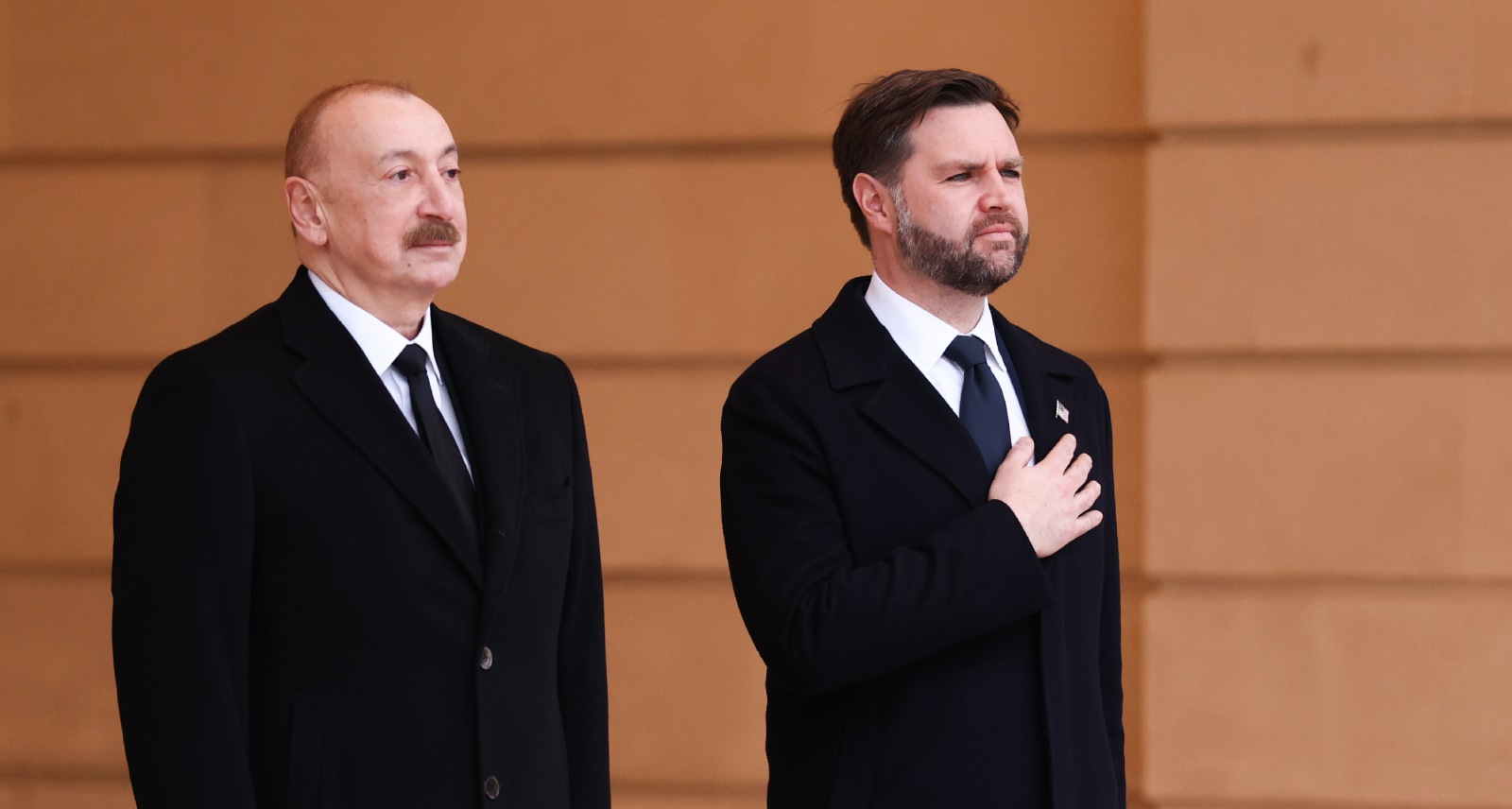
With the White House only interested in economic dealmaking, Georgia finds itself eclipsed by what Armenia and Azerbaijan can offer.

Bashir Kitachaev
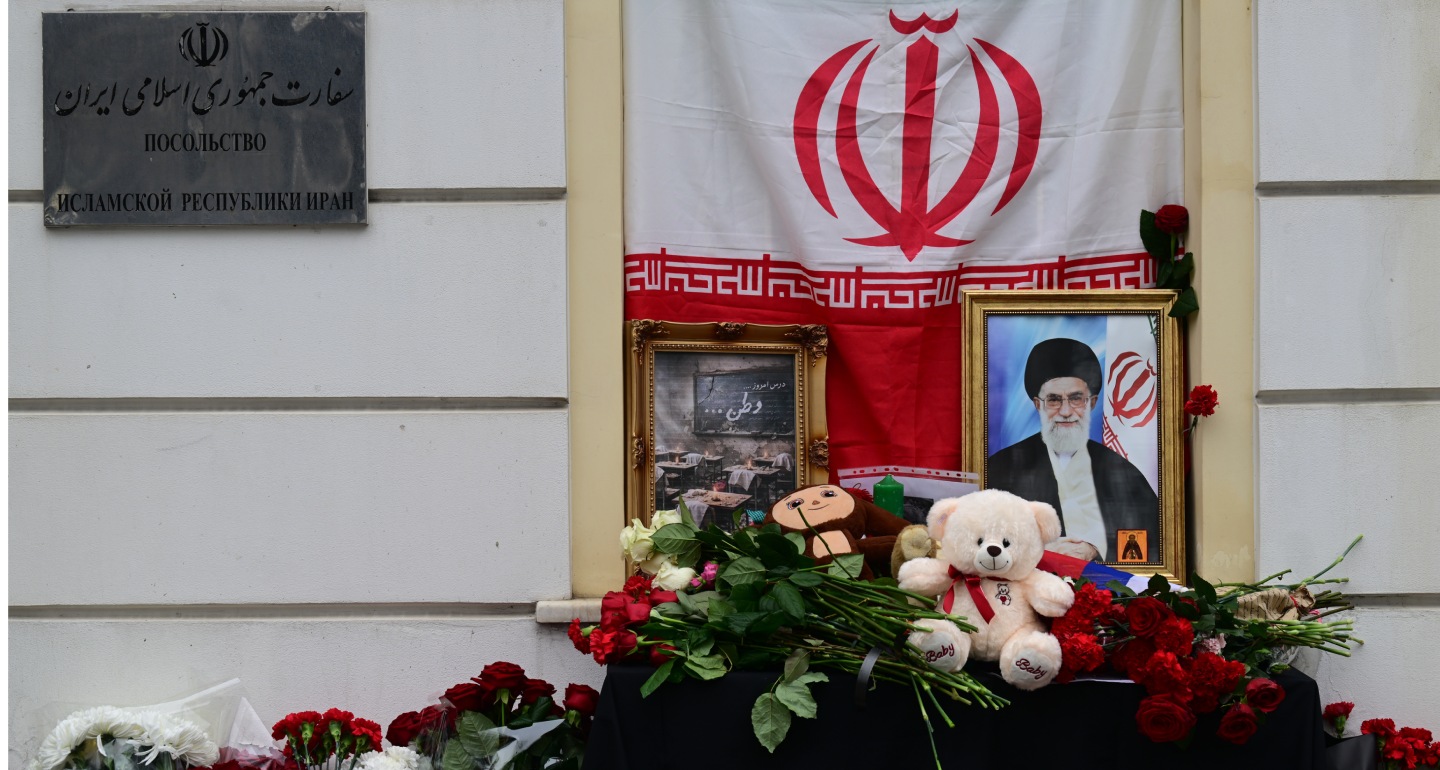
If the regime in Tehran survives, it could be obliged to hand Moscow significant political influence in exchange for supplies of weapons and humanitarian aid.

Nikita Smagin

The interventions in Iran and Venezuela are in keeping with Trump’s strategy of containing China, but also strengthen Russia’s position.

Mikhail Korostikov