• Research
  • Politika
  • About
Carnegie Russia Eurasia center logoCarnegie lettermark logo
  • Donate
{
  "authors": [
    "Lora Saalman"
  ],
  "type": "other",
  "centerAffiliationAll": "",
  "centers": [
    "Carnegie Endowment for International Peace",
    "Carnegie China"
  ],
  "collections": [
    "U.S. Nuclear Policy"
  ],
  "englishNewsletterAll": "",
  "nonEnglishNewsletterAll": "",
  "primaryCenter": "Carnegie Endowment for International Peace",
  "programAffiliation": "",
  "programs": [
    "Nuclear Policy"
  ],
  "projects": [],
  "regions": [
    "North America",
    "United States",
    "East Asia",
    "China"
  ],
  "topics": [
    "Nuclear Policy",
    "Arms Control"
  ]
}
Other

U.S. Nuclear Posture Review

While strategic stability in China has traditionally reflected a concern for maintaining balance, the discussion has broadened in the past years to include concerns over issues such as nuclear terrorism and disarmament.

Link Copied
By Lora Saalman
Published on Jun 16, 2011

Source: Asian Institute for Policy Studies

Carnegie's Beijing-based associate Lora Saalman spoke at The Asian Institute for Policy Studies' panel on the U.S. Nuclear Posture Review. Saalman pointed out that strategic stability in China is a concept that has a lot to do with balance. Between 2000 and 2003, discussions in China focused mostly on the imbalance between China, the United States, and Russia. Today the discussions in China focus less on the strategic imbalance between China and the United States and more on the Nuclear Non-Proliferation Treaty, nuclear terrorism, disarmament, as well as extended deterrence.

Lora Saalman
Former Nonresident Associate, Nuclear Policy Program
Lora Saalman
Nuclear PolicyArms ControlNorth AmericaUnited StatesEast AsiaChina

Carnegie does not take institutional positions on public policy issues; the views represented herein are those of the author(s) and do not necessarily reflect the views of Carnegie, its staff, or its trustees.

More Work from Carnegie Russia Eurasia Center

  • Commentary
    Carnegie Politika
    Russia’s Latest Weapons Have Left Strategic Stability on the Brink of Collapse

    The Kremlin will only be prepared to negotiate strategic arms limitations if it is confident it can secure significant concessions from the United States. Otherwise, meaningful dialogue is unlikely, and the international system of strategic stability will continue to teeter on the brink of total collapse.

      Maxim Starchak

  • Commentary
    Carnegie Politika
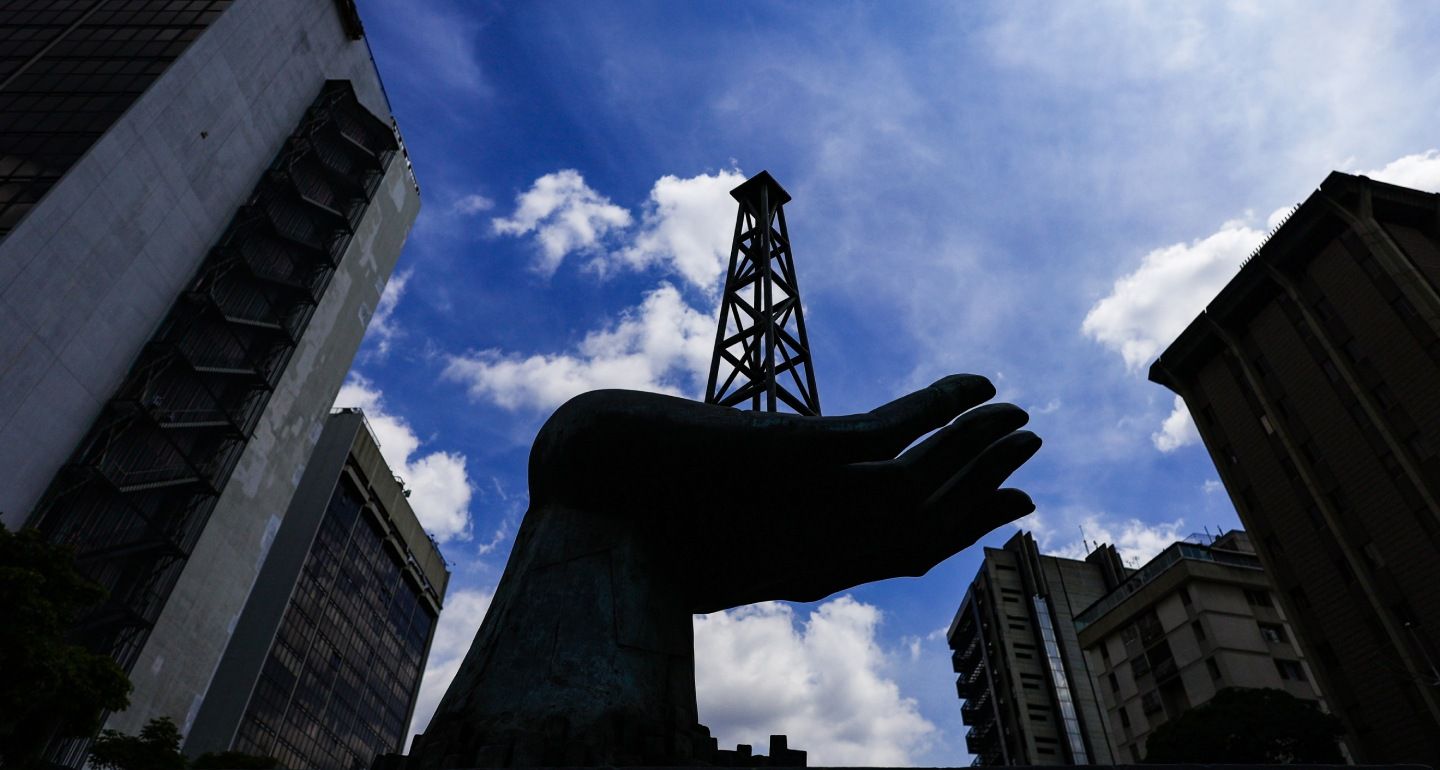
    Venezuela Is No Oil Eldorado, Despite U.S. and Russian Claims

    Geological complexity and years of mismanagement mean the Venezuelan oil industry is not the big prize officials in Moscow and Washington appear to believe.

      • Sergey Vakulenko

      Sergey Vakulenko

  • Commentary
    Carnegie Politika
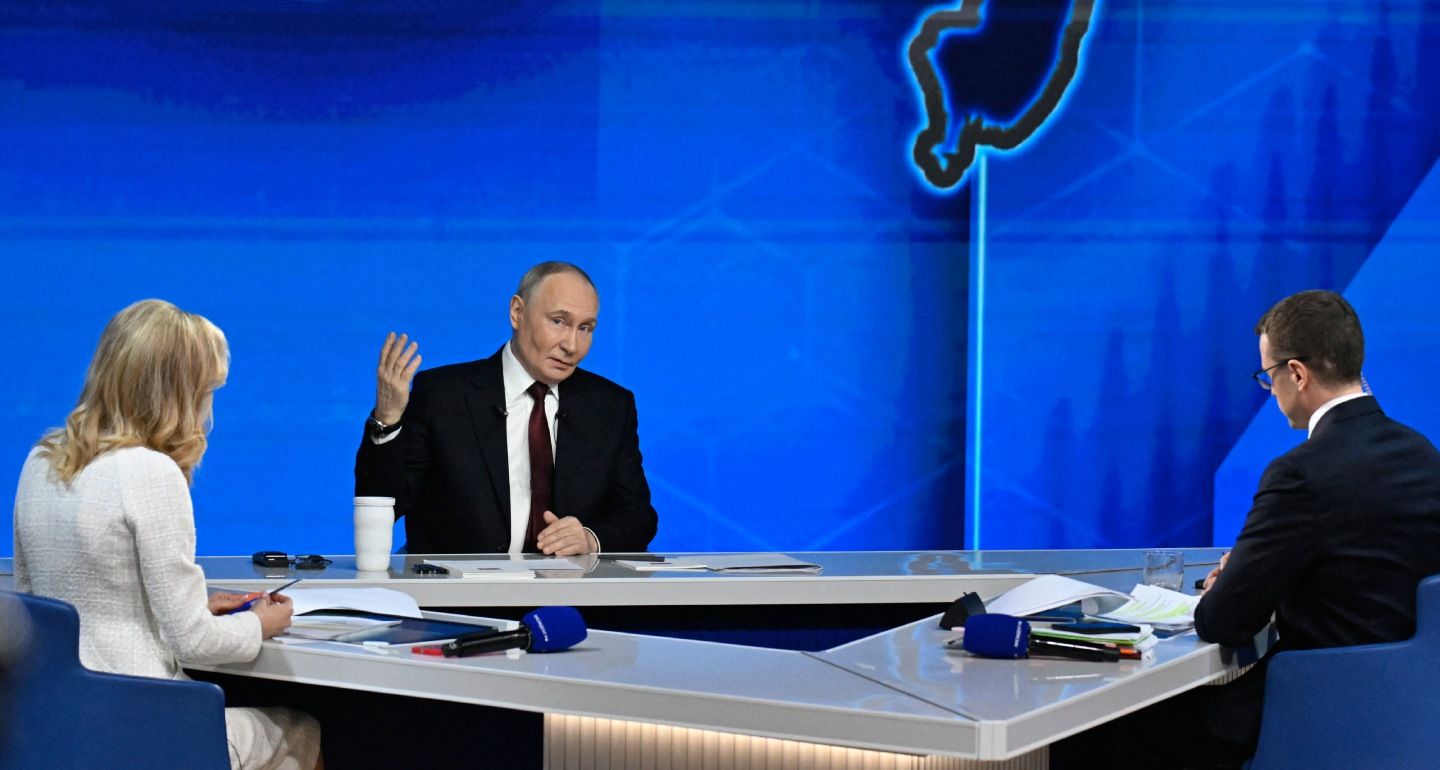
    Putin Uses End-of-Year Presser to Send Message to Trump

    Putin used his annual Q&A to make it perfectly clear: he will not agree to an end to the war until he at least gets control of the entire Donbas.

      Vladislav Gorin

  • Commentary
    Carnegie Politika
    What Will the Latest U.S-Belarusian Concessions Change?

    Lukashenko is using the same approach in his dealings with Trump that has long proven successful with Putin.

      Artyom Shraibman

  • Commentary
    Carnegie Politika
    Is a Ukraine Peace Deal Finally in Sight?

    The White House wants to take advantage of Kyiv’s mounting problems—on and off the battlefield—to impose a peace agreement more favorable to Russia.

      Tatiana Stanovaya

Get more news and analysis from
Carnegie Russia Eurasia Center
Carnegie Russia Eurasia logo, white
  • Research
  • Politika
  • About
  • Experts
  • Events
  • Contact
  • Privacy
Get more news and analysis from
Carnegie Russia Eurasia Center
© 2026 Carnegie Endowment for International Peace. All rights reserved.