

Commentary
The coronavirus crisis has impacted Moscow’s Middle Eastern policies, while also creating opportunities.
Dmitri Trenin
{
  "authors": [
    "Alexey Malashenko"
  ],
  "type": "legacyinthemedia",
  "centerAffiliationAll": "",
  "centers": [
    "Carnegie Endowment for International Peace",
    "Malcolm H. Kerr Carnegie Middle East Center",
    "Carnegie Russia Eurasia Center"
  ],
  "collections": [],
  "englishNewsletterAll": "",
  "nonEnglishNewsletterAll": "",
  "primaryCenter": "Carnegie Russia Eurasia Center",
  "programAffiliation": "",
  "programs": [],
  "projects": [
    "Eurasia in Transition"
  ],
  "regions": [
    "Egypt",
    "Gulf",
    "Levant",
    "Maghreb"
  ],
  "topics": []
}
Russia plays an extremely important role as mediator in the current Libyan conflict. If Moscow can succeed in this role, there would be a clear positive benefit to Libya and its neighbors.
Source: RIA Novosti's Russian Angle

Speaking on RIA Novosti, Carnegie Moscow's Alexey Malashenko notes that Russia plays an extremely important role as mediator in the current Libyan conflict. If Russia can succeed in this role, there would be a clear positive benefit to Libya and its neighbors. Turning to the increasing violence in other parts of the region, Malashenko argued that a Libya-style involvement by the West in Syria would be a “big mistake,” as it could destabilize the region in unpredictable ways, and that a revolution in Yemen could lead to Islamic radicalization in neighboring states, including as Sudan, Somalia, and Eritrea.
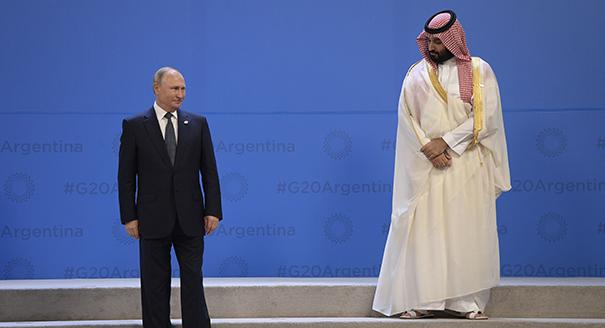
The coronavirus crisis has impacted Moscow’s Middle Eastern policies, while also creating opportunities.
Dmitri Trenin
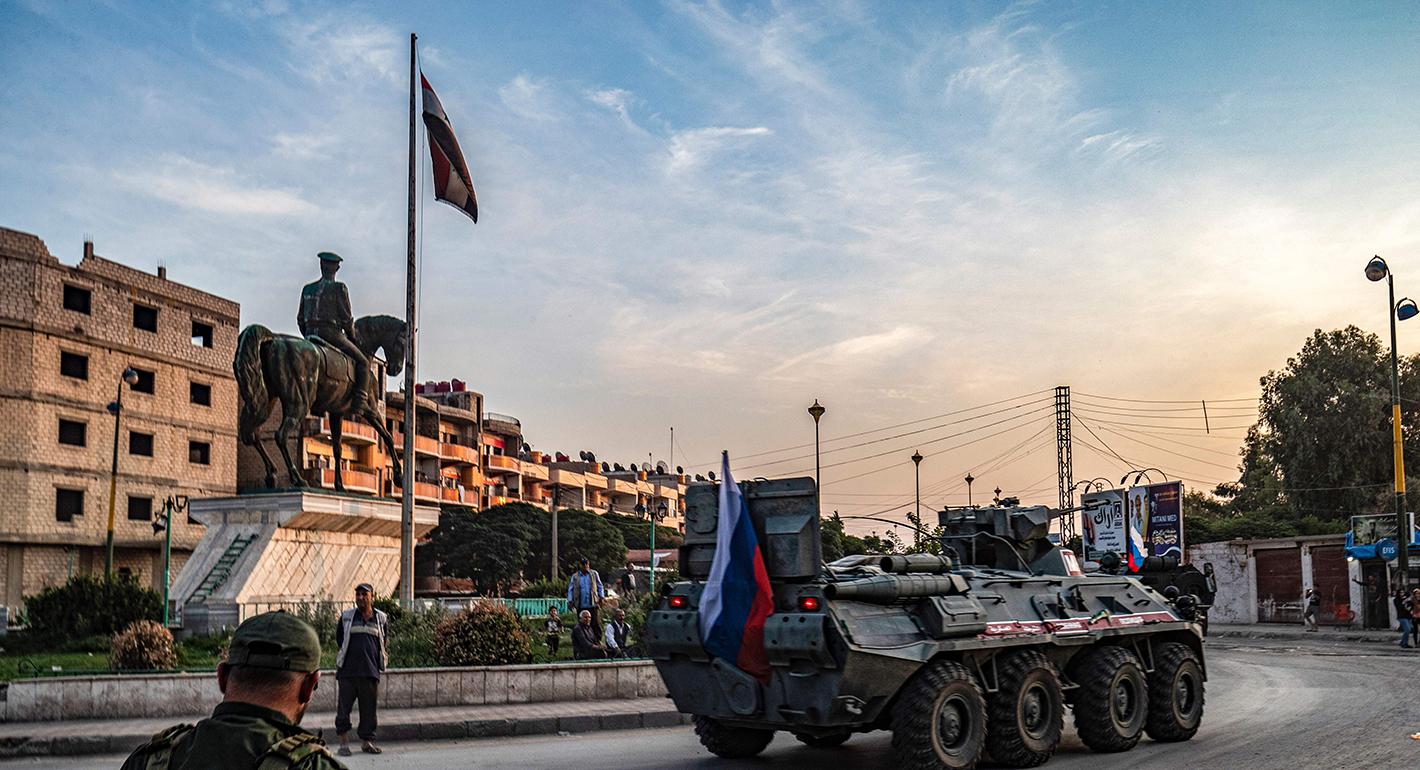
Russia faces opportunities and challenges as it seeks to restructure and reform the Syrian armed forces, which it sees as a key to concluding the civil war on terms favorable to the Assad regime, containing Iranian involvement, and winding down Russia’s combat role.
Yezid Sayigh
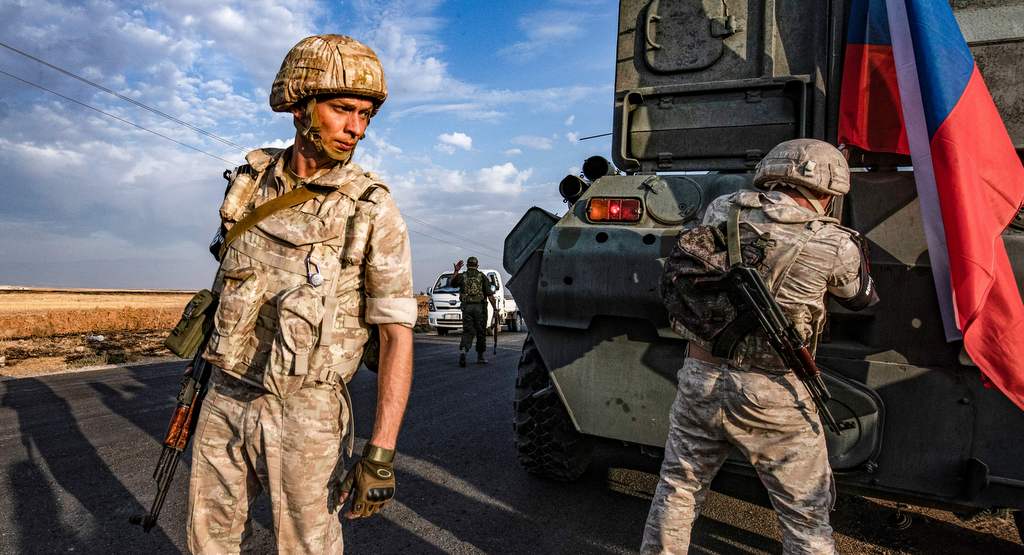
Russia is back and here to stay. Others had better accept it and learn to deal with it — without undue expectations, but also without inordinate fear.
Dmitri Trenin
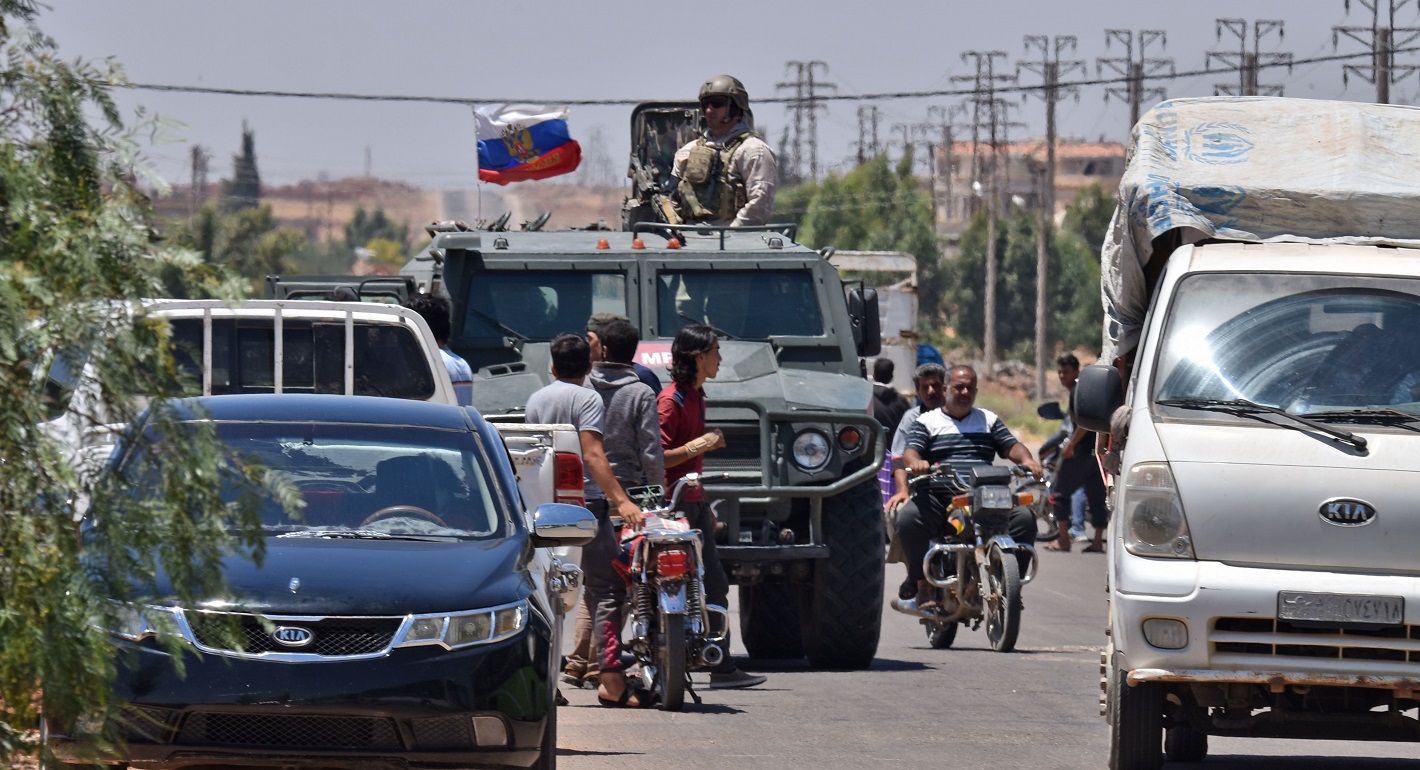
America’s withdrawal creates an opportunity and a challenge for Moscow.
Dmitri Trenin
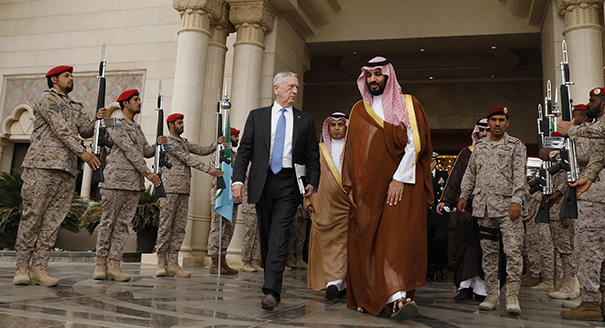
Mohammed bin Salman will weather the Khashoggi murder, his tightening grip over Saudi security explains why.
Yezid Sayigh