• Research
  • Politika
  • About
Carnegie Russia Eurasia center logoCarnegie lettermark logo
  • Donate
{
  "authors": [
    "Uri Dadush"
  ],
  "type": "other",
  "centerAffiliationAll": "",
  "centers": [
    "Carnegie Endowment for International Peace"
  ],
  "collections": [],
  "englishNewsletterAll": "",
  "nonEnglishNewsletterAll": "",
  "primaryCenter": "Carnegie Endowment for International Peace",
  "programAffiliation": "",
  "programs": [],
  "projects": [],
  "regions": [
    "Western Europe",
    "Germany"
  ],
  "topics": [
    "Economy"
  ]
}
Source: Getty

Other

The Missing EU Approach

The German position (no new money, no ECB guarantees, and no euro bonds) would place the whole burden essentially on troubled countries to reform with very little additional help from eurozone partners.

Link Copied
By Uri Dadush
Published on Nov 22, 2011
Are there signs of a comprehensive EU approach to the crisis?
Uri Dadush
No. The last EU summit on October 27 issued a communiqué that contained references to all the needed reforms—increased capacity of the European Financial Stability Facility (EFSF), bank recapitalization, and Greek debt restructuring. It also opened the door for longer-term reforms to the set up of the Economic and Monetary Union (EMU) that would require treaty changes.

However, the devil is in the details and there was no new money pledged for the EFSF, the bank recapitalization gave scope for banks to cut back instead of increase lending, and the Greek debt restructuring lacked crucial elements that still require negotiation. And the intention to reform EMU governance, requiring approval by parliaments across the eurozone, is not sufficiently specified or credible.

Read more

The result is that very little remains of the October 27 package, which is one reason markets are so jittery, and so much has been placed in the lap of the European Central Bank (ECB). The German position (no new money, no ECB guarantees, and no euro bonds) would place the whole burden essentially on troubled countries to reform with very little additional help from eurozone partners. This is unrealistic.

About the Author

Uri Dadush

Former Senior Associate, International Economics Program

Dadush was a senior associate at the Carnegie Endowment for International Peace. He focuses on trends in the global economy and is currently tracking developments in the eurozone crisis.

    Recent Work

  • Commentary
    The Labors of Tsipras

      Uri Dadush

  • In The Media
    Greece, Complacency, and the Euro

      Uri Dadush

Uri Dadush
Former Senior Associate, International Economics Program
Uri Dadush
EconomyWestern EuropeGermany

Carnegie does not take institutional positions on public policy issues; the views represented herein are those of the author(s) and do not necessarily reflect the views of Carnegie, its staff, or its trustees.
More Work from Carnegie Russia Eurasia Center

  • Commentary
    Carnegie Politika
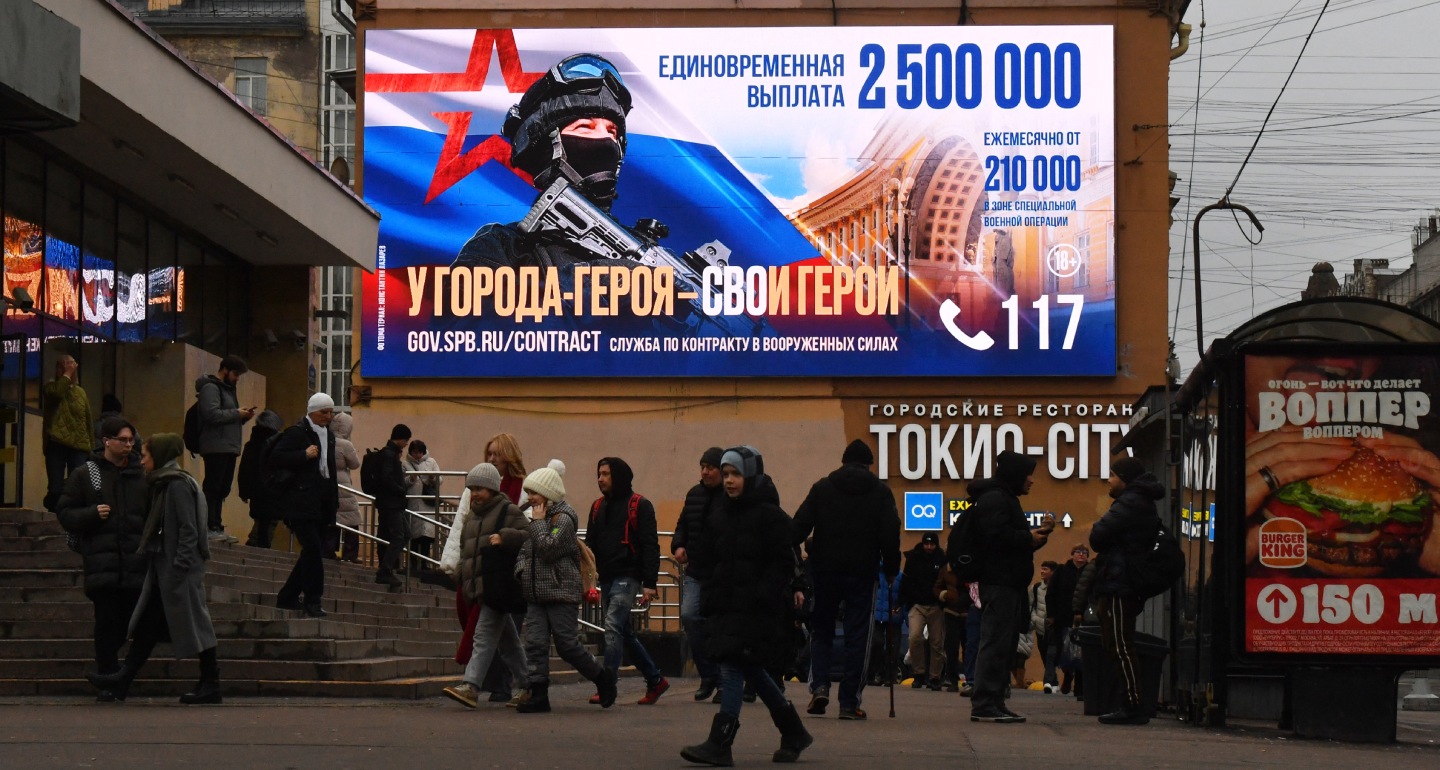
    Does Russia Have Enough Soldiers to Keep Waging War Against Ukraine?

    The Russian army is not currently struggling to recruit new contract soldiers, though the number of people willing to go to war for money is dwindling.

      Dmitry Kuznets
  • Commentary
    Carnegie Politika
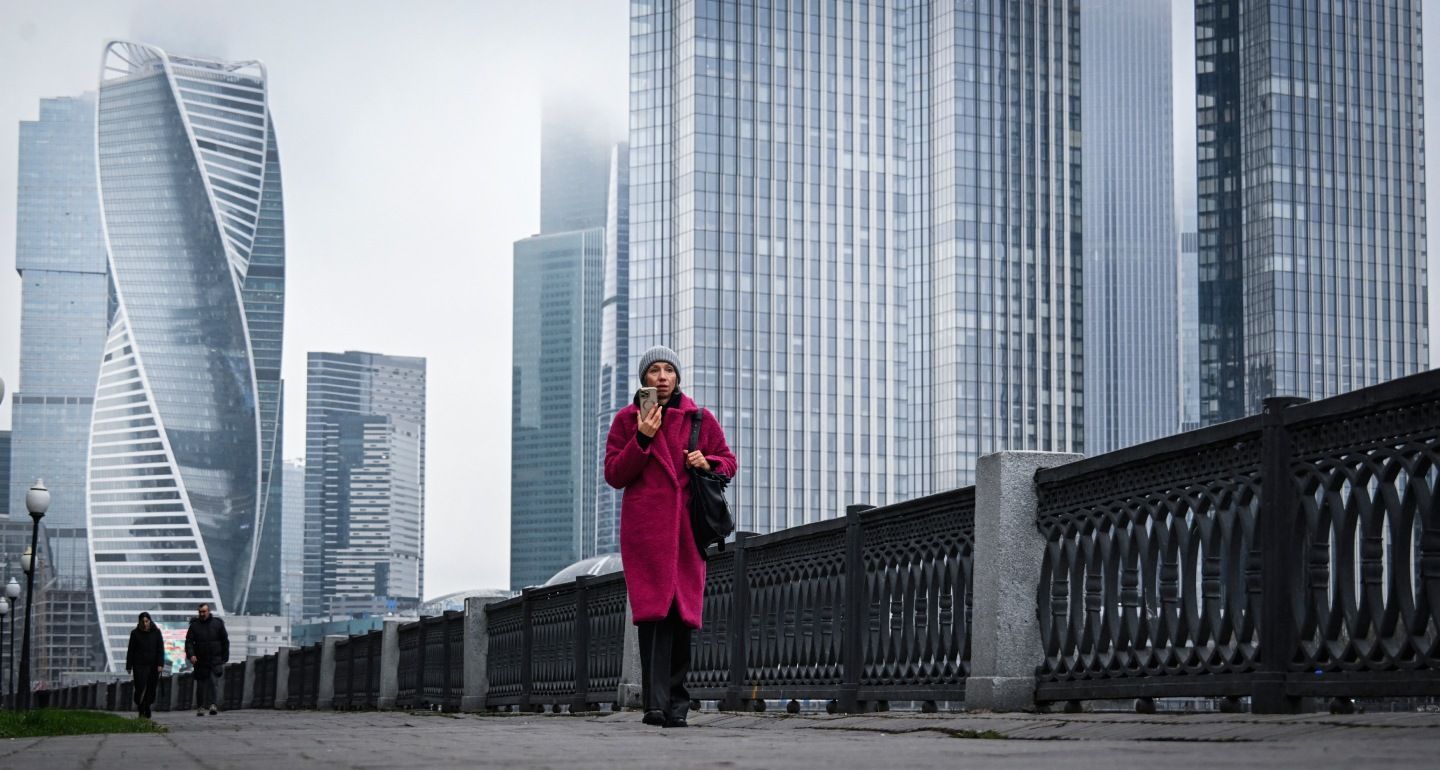
    Including Russia on the EU Financial Blacklist Will Hurt Ordinary People, Not the Kremlin

    The paradox of the European Commission’s decision is that the main victims will not be those it formally targets. Major Russian businesses associated with the Putin regime have long adapted to sanctions with the help of complex schemes involving third countries, offshore companies, and nonpublic entities.
      Alexandra Prokopenko
  • Commentary
    Carnegie Politika
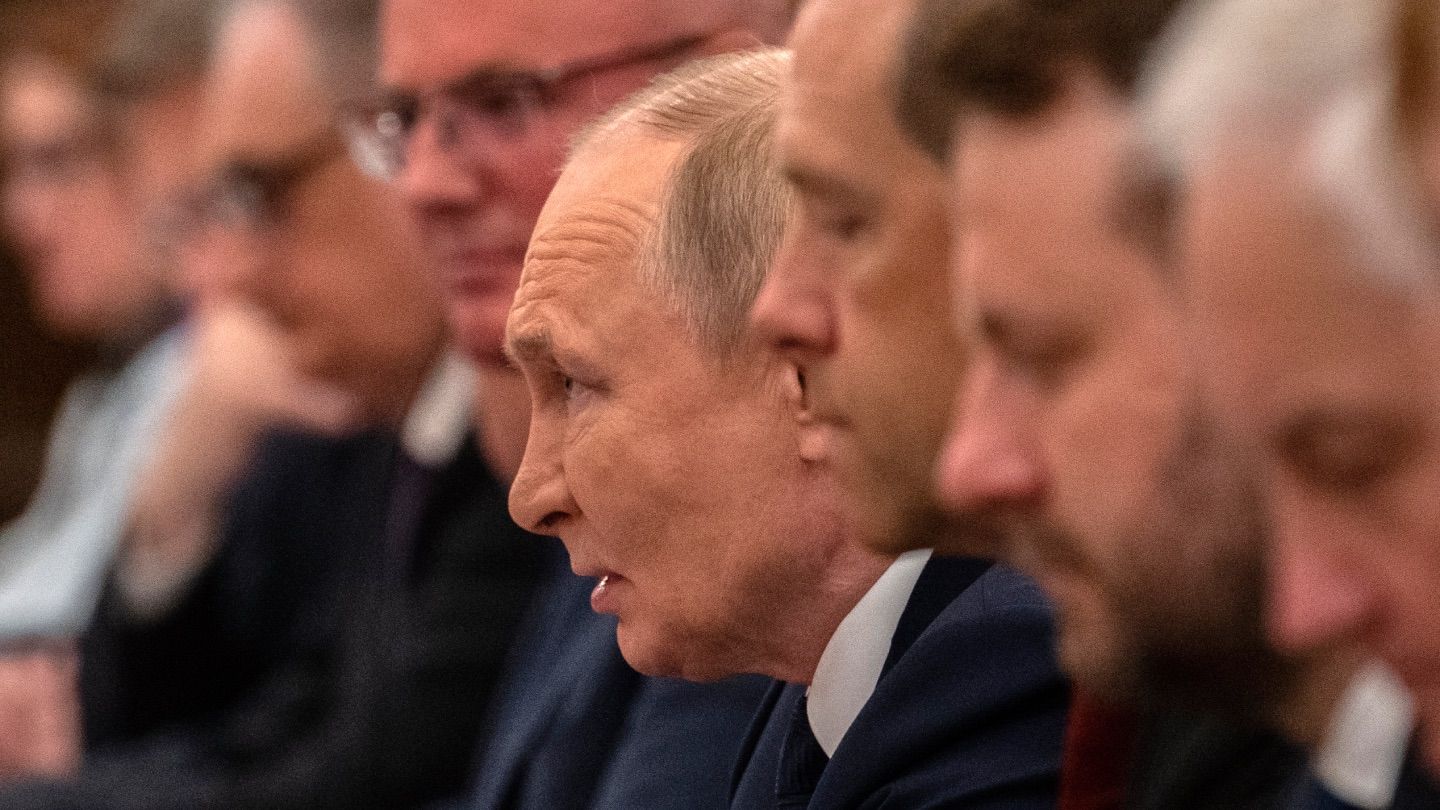
    Why Didn’t the Ukraine War Turn Russia’s Ruling Class Against Putin?

    A new book by Alexandra Prokopenko looks at why the Russian ruling class became the regime’s willing servants—and how they might fare in a post-Putin world.
      Vladislav Gorin
  • Commentary
    Carnegie Politika
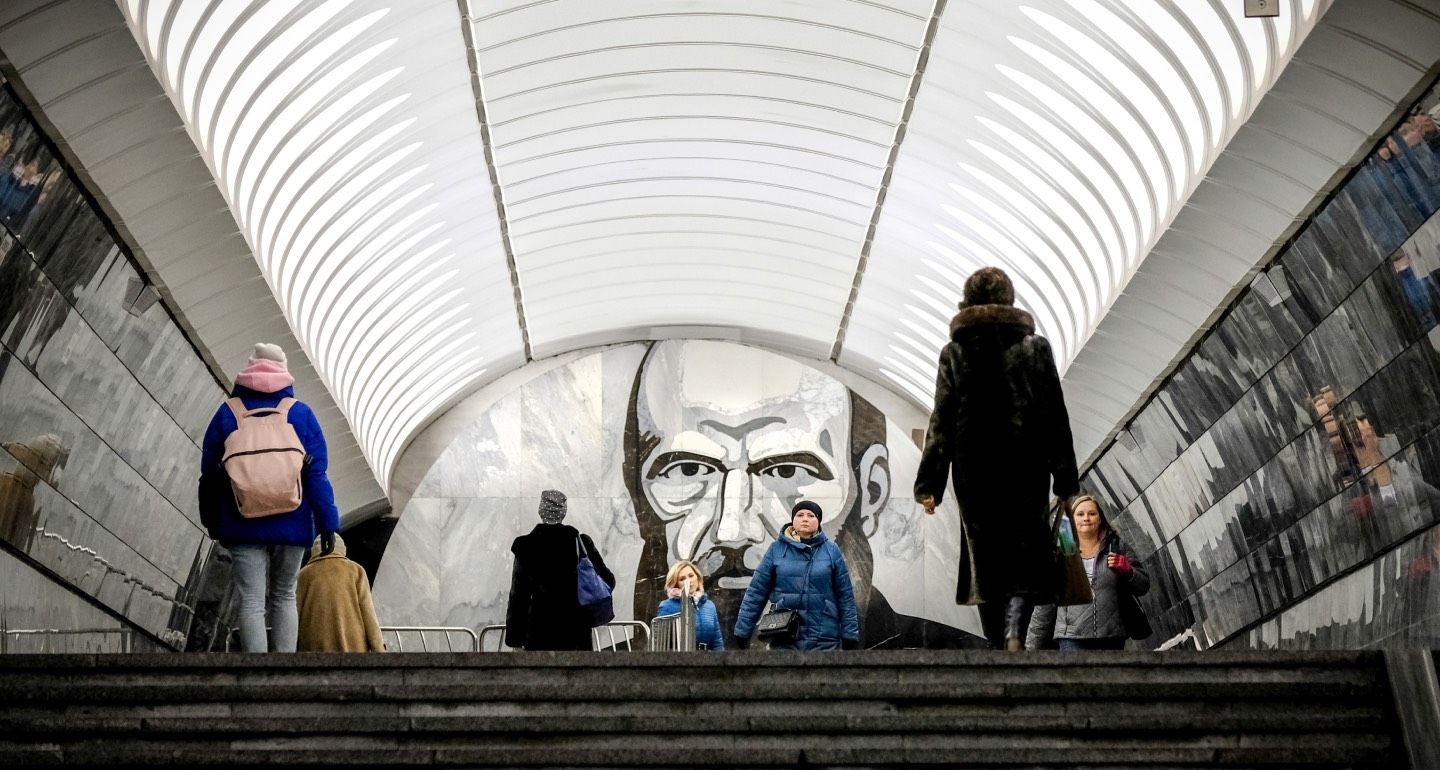
    Collateral Damage: The Frozen Foreign Assets of Middle-Class Russians

    The volume of frozen private assets might seem insignificant compared with Russia’s sovereign reserves, but these are the savings of millions of people who believed that foreign securities were a safe investment and in the institution of private property.

      Yulia Starostina
  • Commentary
    Carnegie Politika
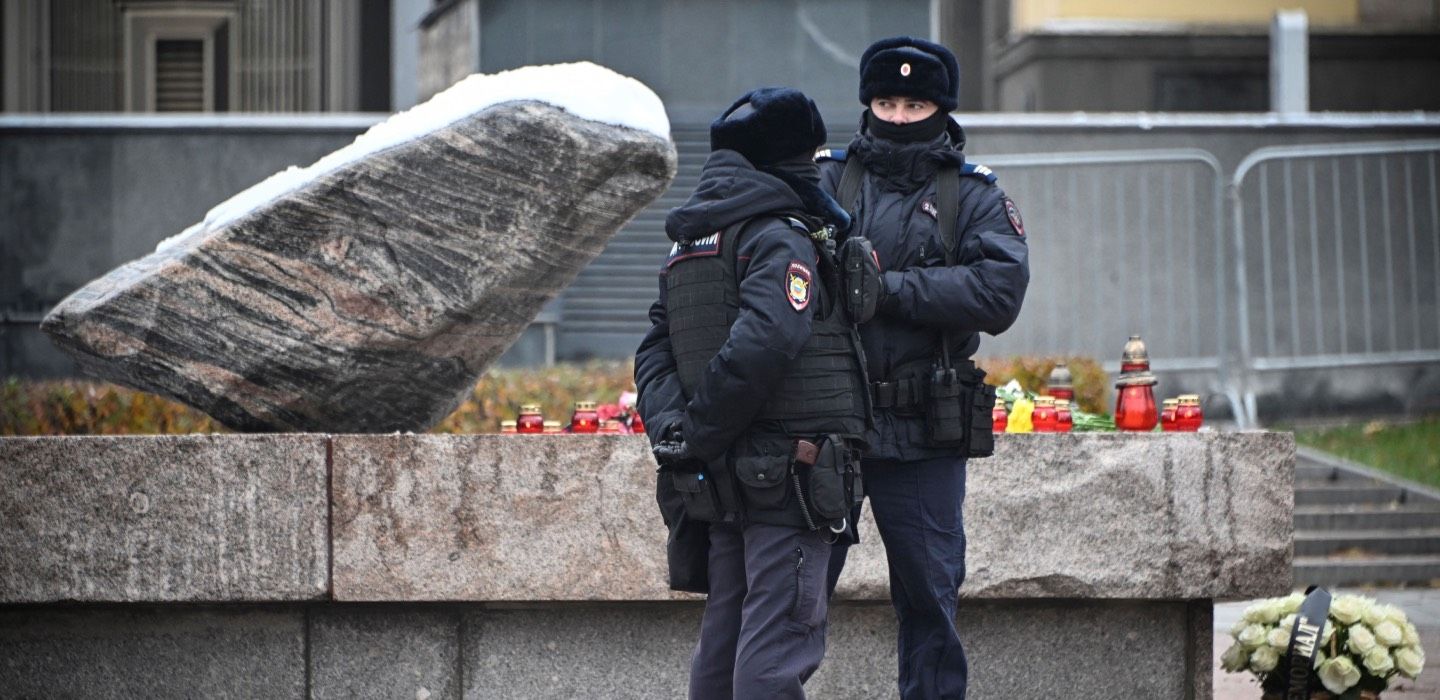
    The Kremlin Has Weaponized Western Financial Checks to Punish Russian Dissidents

    International compliance and anti-money laundering standards are currently formulated in such a way that the Western financial system does not differentiate between Russian political prisoners and ISIS militants.

      Alexandra Prokopenko

Get more news and analysis from
Carnegie Russia Eurasia Center
Carnegie Russia Eurasia logo, white
  • Research
  • Politika
  • About
  • Experts
  • Events
  • Contact
  • Privacy
Get more news and analysis from
Carnegie Russia Eurasia Center
© 2026 Carnegie Endowment for International Peace. All rights reserved.