

Commentary
Unexpectedly, Trump’s America appears to have replaced Putin’s Russia’s as the world’s biggest disruptor.
Alexander Baunov
{
  "authors": [
    "Dmitri Trenin"
  ],
  "type": "legacyinthemedia",
  "centerAffiliationAll": "",
  "centers": [
    "Carnegie Endowment for International Peace",
    "Carnegie Russia Eurasia Center"
  ],
  "collections": [],
  "englishNewsletterAll": "",
  "nonEnglishNewsletterAll": "",
  "primaryCenter": "Carnegie Russia Eurasia Center",
  "programAffiliation": "",
  "programs": [],
  "projects": [
    "Eurasia in Transition"
  ],
  "regions": [],
  "topics": []
}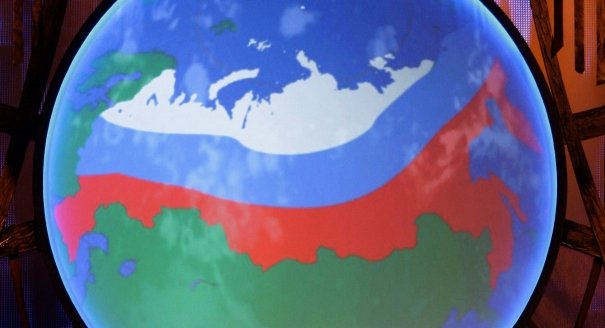
Eurasia today is much broader than two decades ago, but it is also more interconnected. In this new environment, Russia should define its post-imperial role in ways that are appropriate for the 21st century.
Source: Global Times

Yugoslavia, a country long regarded as "almost Western" and even touted in the 1980s as a candidate to join the European Economic Community, went down in flames and rivers of blood. The Soviet Union, with many more ethnicities and 20,000 nuclear weapons, did not become a nuclear Yugoslavia.
Russia, the builder and owner of the empire, led the way out of it in an attempt to rejuvenate and modernize itself. The Russian parliament declared the new Republic's sovereignty in June 1990, 18 months before the final demise of the Soviet Union. It was then Russian President, Boris Yeltsin, who directly challenged the Soviet President, Mikhail Gorbachev, and led the leaders of two of the other republics that had founded the Soviet Union, Ukraine and Belarus, to formally dissolve the USSR.
The other crucial factor was the refusal of the Soviet military to defend the empire and its acceptance of not only the collapse of the Soviet Union, but also its own dismemberment.
Two decades later, "Russia as Eurasia" is over. However, the US has failed to step into the void as the indispensable power in Eurasia, as some confidently predicted at the turn of the century. In the aftermath of the 2008 Georgia war, NATO's enlargement to the East has essentially run its course.
Eurasia today has become a much broader, but also much more interconnected neighborhood. China and India are on the rise, and are emerging as regional and eventually global powers. Turkey has turned itself into a major player on the crossroads between Europe and the Middle East. Indonesia is advancing as an important actor in Southeast Asia, and the future of Pakistan concerns everyone in Eurasia.
The EU and China are becoming progressively intertwined, not only economically and financially, but also politically. So are China, Russia and Central Asian states, Turkey and Afghanistan, Japan and India. With more interaction, there is no one country which is clearly dominant, even though the US has resolved to bolster its role in the Asia-Pacific region.
In this new environment, Russia, now post-imperial, rather than neo-imperial, has a useful role to play. It faces a triple challenge of establishing a close economic and also political association with Europe, to whom Russia belongs culturally; of integrating itself into the Asia-Pacific region, its 21st century frontier; and, finally, of finding appropriate substance and form in Moscow's new relations with the new independent states.
Russian Prime Minister Putin's recent initiative of the "Eurasian Union" deserves a closer look. Putin's plan is simultaneously realistic, idealistic and pragmatic. What is realistic is close economic integration among Russia, Kazakhstan, and Belarus, all the way to a common market, free movement of capital and labor, and currency alignment.
What is idealistic is to expect the trio either to expand to include other countries without a major dilution of the integrationist effort, or, alternatively, to consolidate to form a political union. The pragmatic bit is for Russia to use the post-Soviet integration to improve Moscow's bargaining position vis-à-vis the European Union.
It is often said of former empires that, having lost their possessions, they then failed to find a new role in the world. It is crucial, then, that Russia defines its post-imperial place and role in ways that are appropriate for the 21st century. Whether the Russian leaders, elites and the public are up to this task will determine the country's position in the 21st century.
Carnegie does not take institutional positions on public policy issues; the views represented herein are those of the author(s) and do not necessarily reflect the views of Carnegie, its staff, or its trustees.
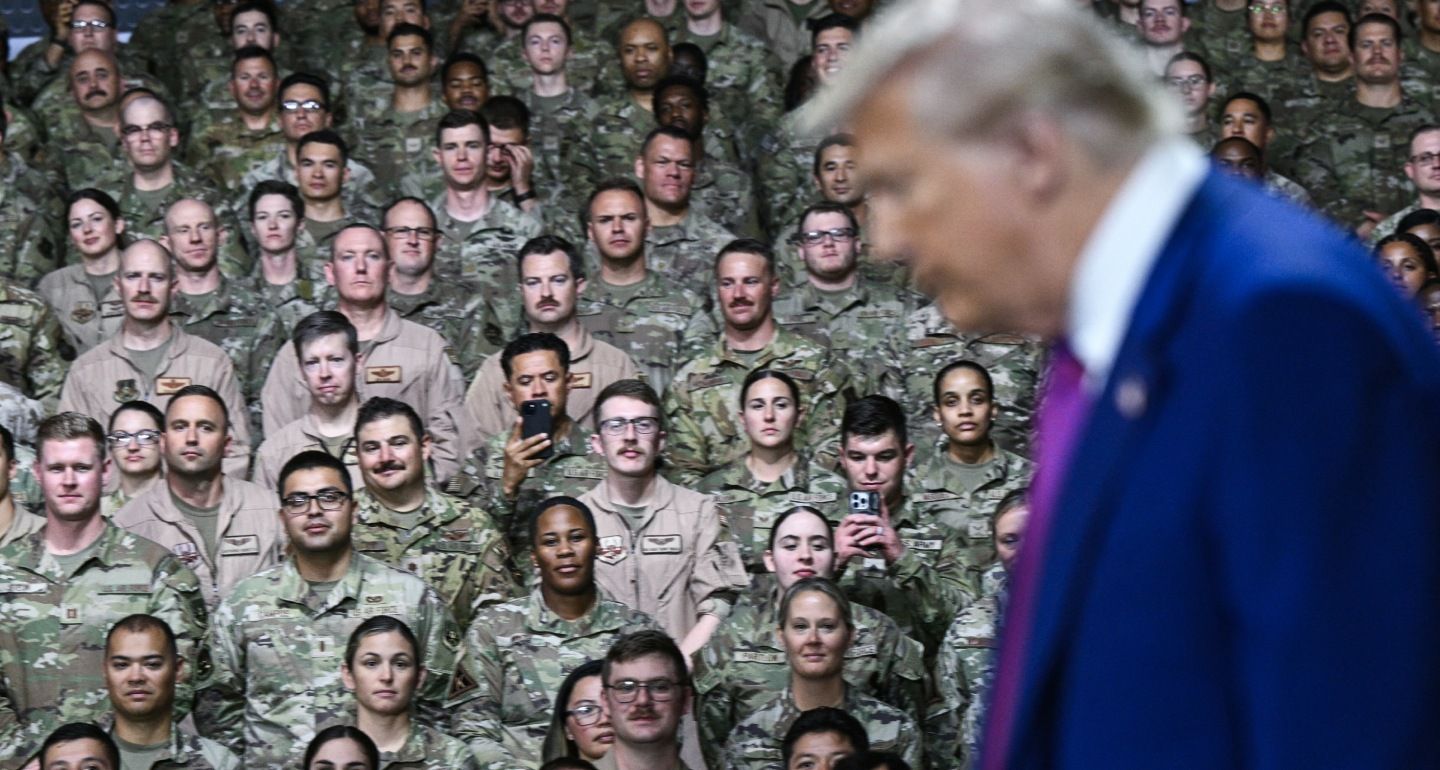
Unexpectedly, Trump’s America appears to have replaced Putin’s Russia’s as the world’s biggest disruptor.
Alexander Baunov
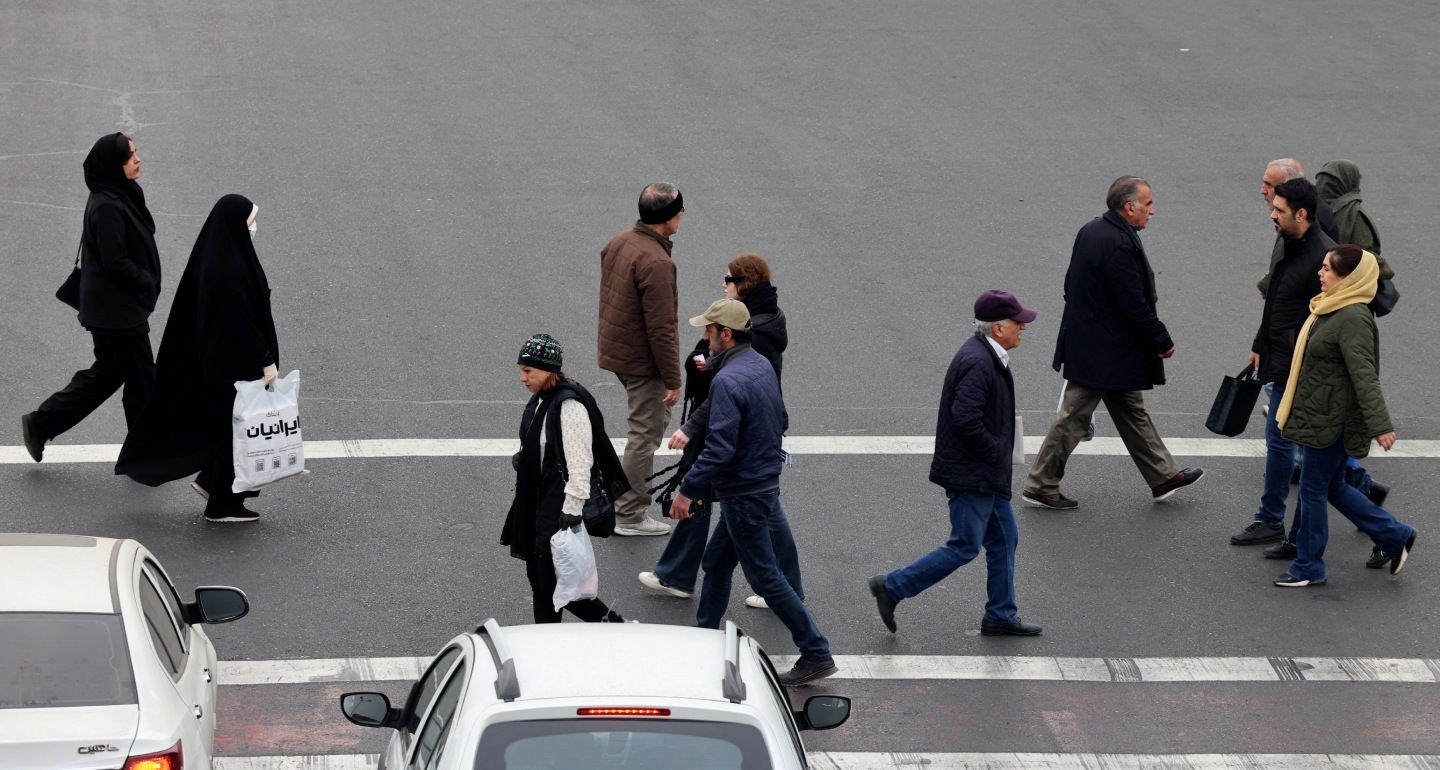
Baku may allow radical nationalists to publicly discuss “reunification” with Azeri Iranians, but the president and key officials prefer not to comment publicly on the protests in Iran.

Bashir Kitachaev
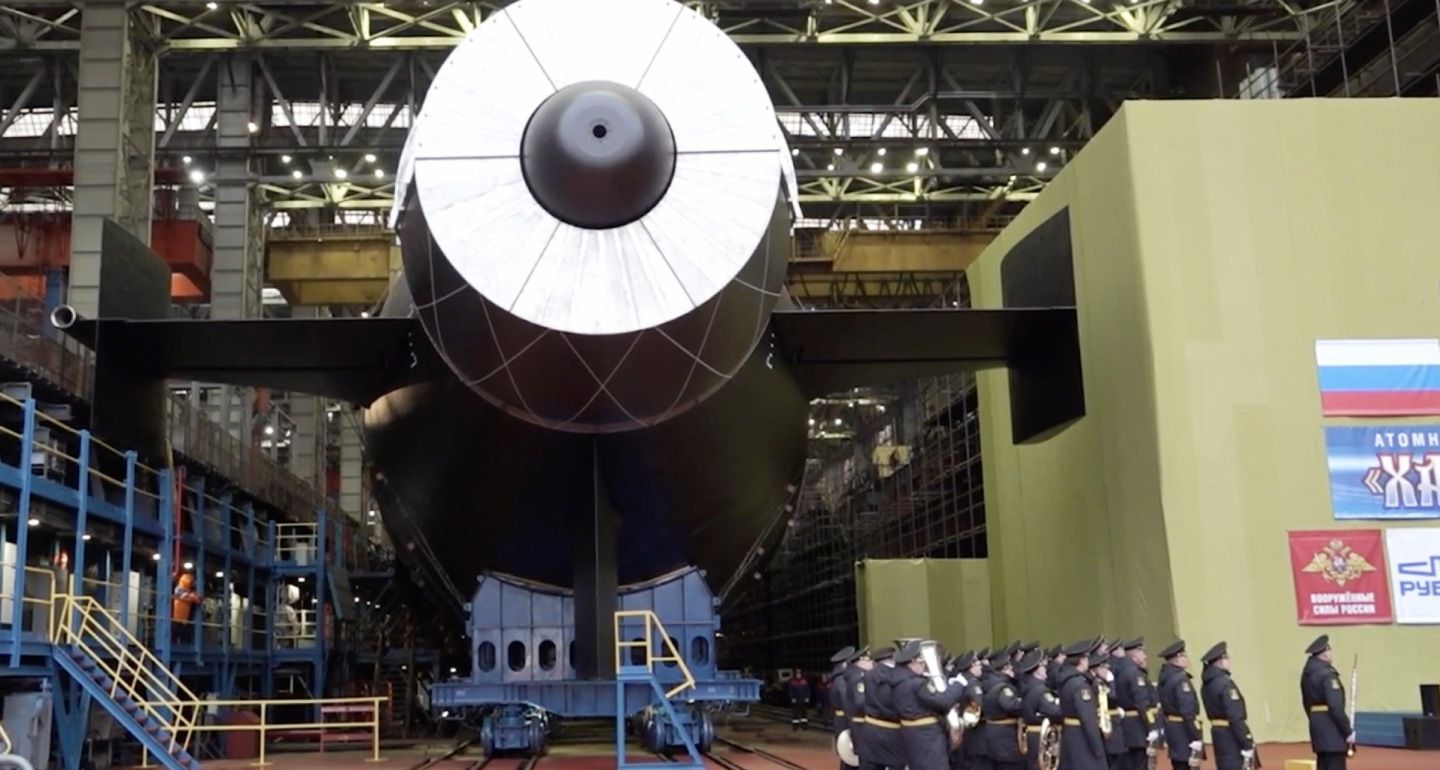
The Kremlin will only be prepared to negotiate strategic arms limitations if it is confident it can secure significant concessions from the United States. Otherwise, meaningful dialogue is unlikely, and the international system of strategic stability will continue to teeter on the brink of total collapse.
Maxim Starchak
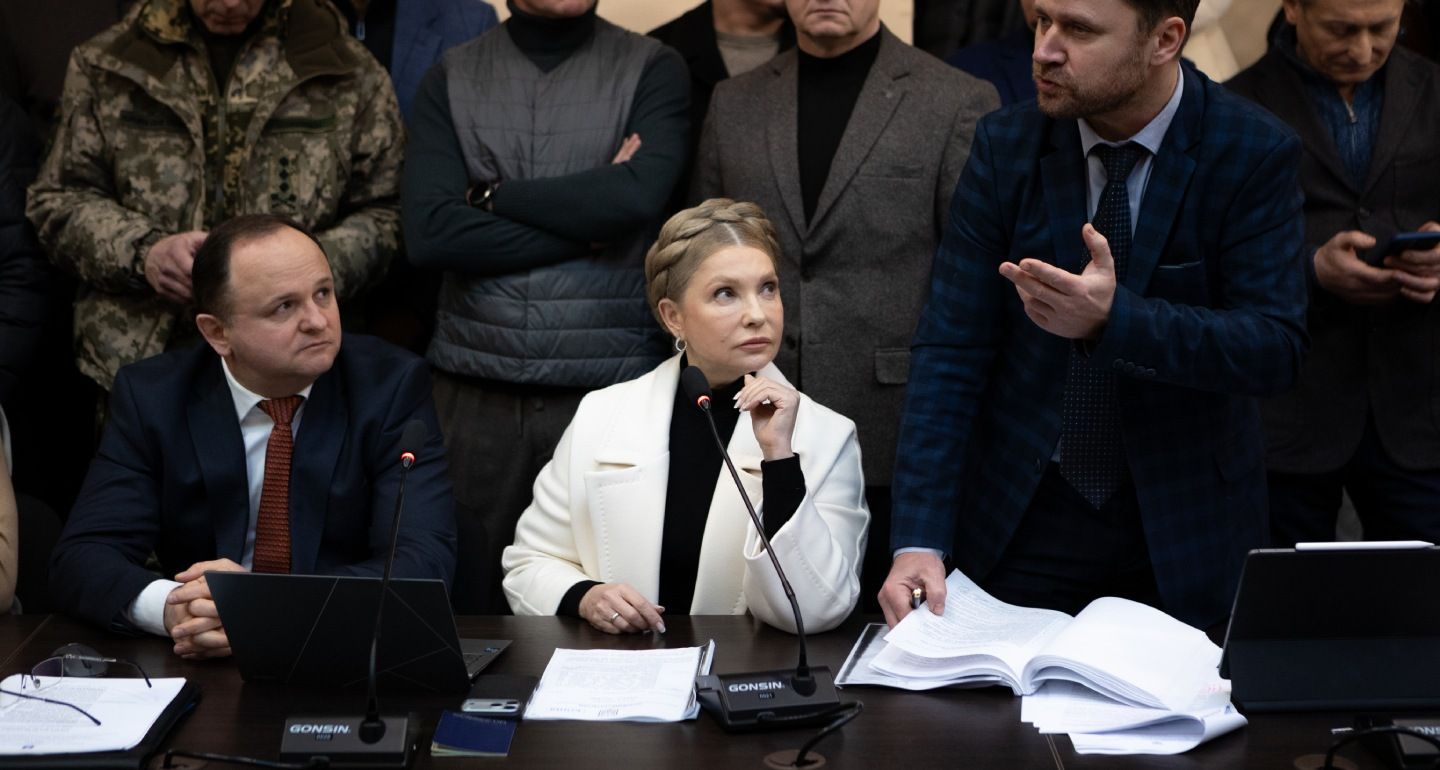
The story of a has-been politician apparently caught red-handed is intersecting with the larger forces at work in the Ukrainian parliament.

Konstantin Skorkin
For years, the Russian government has promoted “sovereign” digital services as an alternative to Western ones and introduced more and more online restrictions “for security purposes.” In practice, these homegrown solutions leave people vulnerable to data leaks and fraud.

Maria Kolomychenko