

Commentary
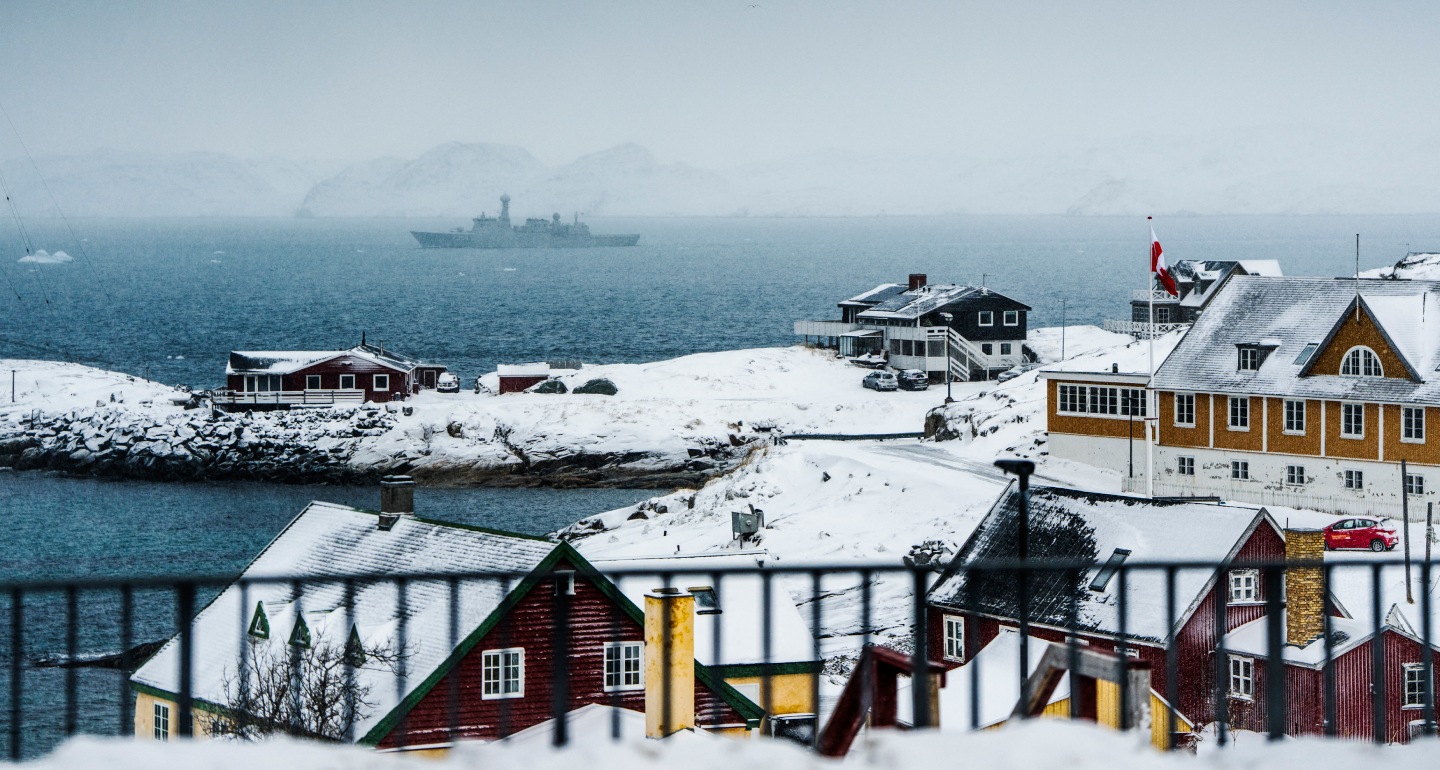
The supposed threats from China and Russia pose far less of a danger to both Greenland and the Arctic than the prospect of an unscrupulous takeover of the island.
Andrei Dagaev
{
  "authors": [
    "Tedo Japaridze"
  ],
  "type": "commentary",
  "centerAffiliationAll": "",
  "centers": [
    "Carnegie Endowment for International Peace",
    "Carnegie Russia Eurasia Center"
  ],
  "collections": [],
  "englishNewsletterAll": "",
  "nonEnglishNewsletterAll": "",
  "primaryCenter": "Carnegie Russia Eurasia Center",
  "programAffiliation": "",
  "programs": [],
  "projects": [],
  "regions": [],
  "topics": []
}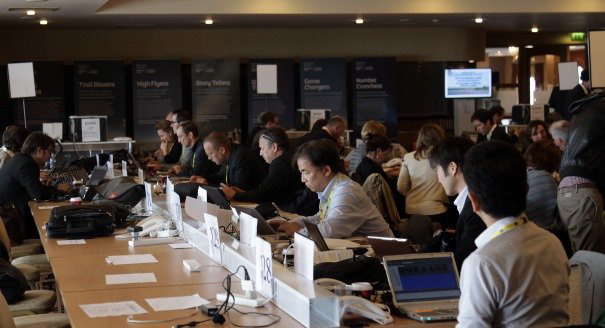
There is a wide scope for policy coordination amongst the leading economic and military powers on a global level. In this sense, the “G8 plus Five” format maybe more relevant at this point in time, given a “transition” in global governance.
Evaluating the relevance of a forum that has been running in various formats since 1975 is no easy task. The G8 is a flexible and contextually sensitive forum for policy coordination that is simply unmatched. The cataclysmic effects following September 2008, or indeed September 2001, indicate that there is an ever wider scope for policy coordination amongst the leading economic and military powers on a global level. In this sense, the “G8 plus Five” format maybe more relevant at this point in time, given a “transition” in global governance. In sum, there is scope for a review.
In terms of process, as in every institution, traditions are binding. The prolonged participation of several EU nations within this planetary Board of Directors is in-itself an expression of the deepest causes of the European crisis. Moreover, G8 Summits reflect a post-Cold War reality, which is clearly not adequate when discussing global monetary affairs or indeed trade in the 21st century. However, the group’s outreach practices mitigate this phenomenon, although it is clear that the agenda setting role is something that emerging global actors will be seeking to renegotiate in the years to come. Indeed, the G8 Plus format probably engulfs the key stakeholders in global governance, in a forum that is of course no substitute for institutionalized and protocol rigid international organizations, such as the World Bank, the International Monetary Fund and the United Nations.
It is clear that the G8 seems to have a reactive agenda orientation, geared towards crisis management. However, as global governance is becoming more complex, developing a long term agenda might be constructive in restoring what is actually missed from the days of the Cold War, that is, a sense of effective predictability even if in former times this was based on a balance of terror. For a country caught in-between the “Greater Middle East” and the “Greater Caucasus” this is an obvious national concern, but arguably, of global relevance. If there is a transition in global governance, it is best if it were managed rather than renegotiated through “blood and iron.”
Tedo Japaridze is chairman of the Committee on Foreign Relations in the Parliament of Georgia.
Carnegie does not take institutional positions on public policy issues; the views represented herein are those of the author(s) and do not necessarily reflect the views of Carnegie, its staff, or its trustees.
The supposed threats from China and Russia pose far less of a danger to both Greenland and the Arctic than the prospect of an unscrupulous takeover of the island.

Andrei Dagaev
Western negotiators often believe territory is just a bargaining chip when it comes to peace in Ukraine, but Putin is obsessed with empire-building.
Andrey Pertsev
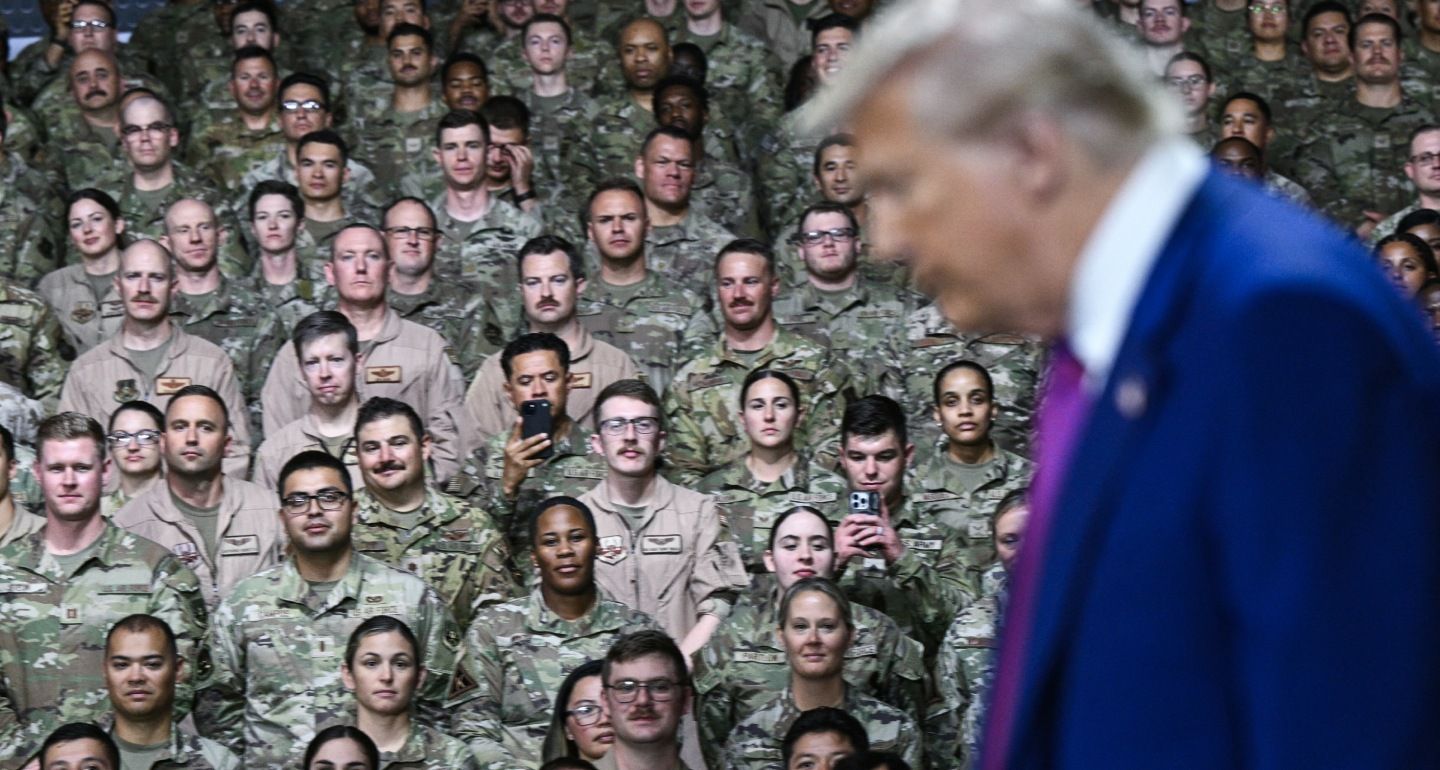
Unexpectedly, Trump’s America appears to have replaced Putin’s Russia’s as the world’s biggest disruptor.
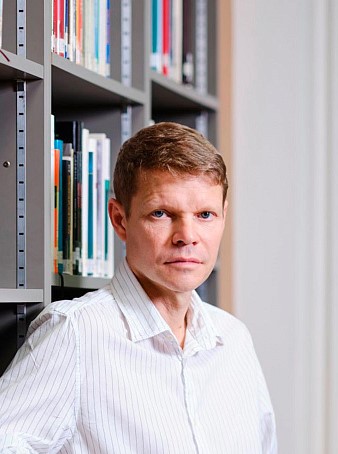
Alexander Baunov
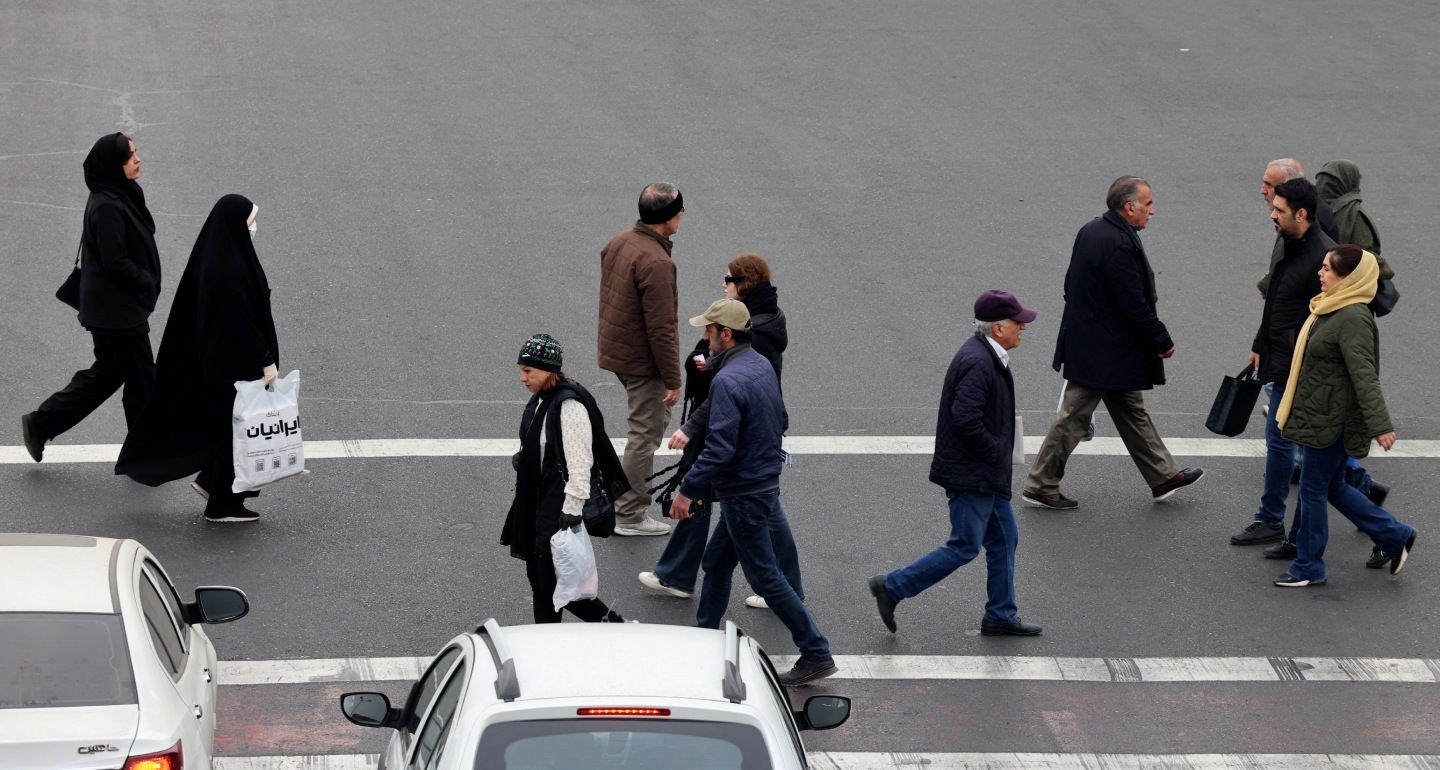
Baku may allow radical nationalists to publicly discuss “reunification” with Azeri Iranians, but the president and key officials prefer not to comment publicly on the protests in Iran.

Bashir Kitachaev
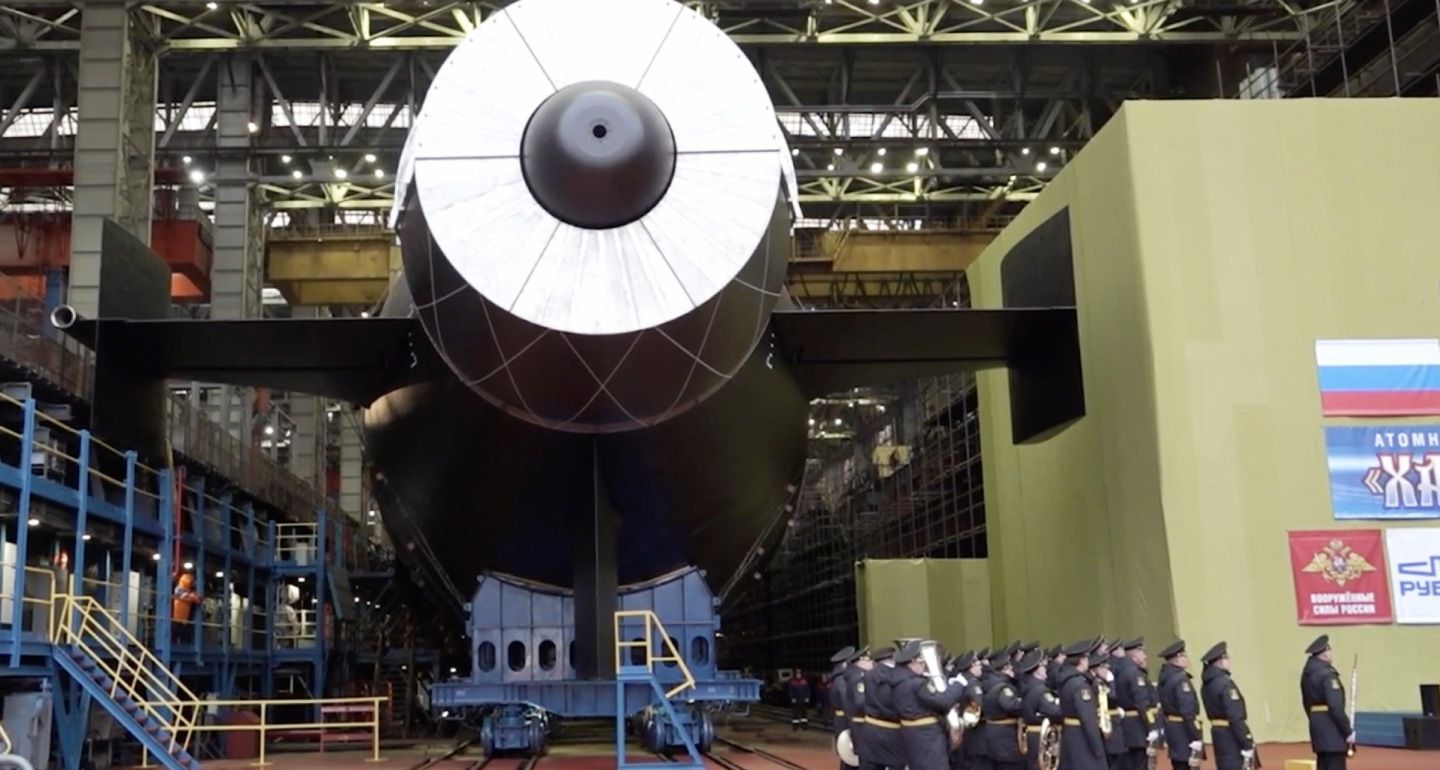
The Kremlin will only be prepared to negotiate strategic arms limitations if it is confident it can secure significant concessions from the United States. Otherwise, meaningful dialogue is unlikely, and the international system of strategic stability will continue to teeter on the brink of total collapse.

Maxim Starchak