

Commentary
Western negotiators often believe territory is just a bargaining chip when it comes to peace in Ukraine, but Putin is obsessed with empire-building.
Andrey Pertsev
{
  "authors": [
    "Maria Lipman"
  ],
  "type": "commentary",
  "centerAffiliationAll": "",
  "centers": [
    "Carnegie Endowment for International Peace",
    "Carnegie Russia Eurasia Center"
  ],
  "collections": [],
  "englishNewsletterAll": "",
  "nonEnglishNewsletterAll": "",
  "primaryCenter": "Carnegie Russia Eurasia Center",
  "programAffiliation": "",
  "programs": [],
  "projects": [],
  "regions": [],
  "topics": []
}
The post-Moscow-election situation, rather than consolidating the support for, and legitimacy of the system, has generated new uncertainties.
The Moscow mayoral election came as a failure for all major pollsters who had forecast about 60 percent for the incumbent Sergey Sobyanin, while his officially confirmed result is just over 51 percent. But the Moscow vote on Sunday was also a graphic illustration of dwindling public support for Putin’s system.
In recent years, polling numbers have shown some decline in the high approval ratings for the powers that be, yet the actual numbers remained at a high enough level, enviable for any democratically elected government. What approval ratings fail to register, however, is the nature of the support which can be generally described as passive acceptance. Passive acceptance is fine when the system is purged of any competition, elections have pre-ordained results, and voters almost universally assume that all choices are made “at the top” and nothing depends on “us, people.”
But the situation has changed: Moscow rallies of 2011-2012 protesting rigged parliamentary election marked an end to acquiescence at least among a fraction of the electorate. As a result, the Kremlin, facing another election in Moscow, chose to open the door a crack and allow a modicum of competition in order to let off steam. As it permitted an element of uncertainty in the previously tightly controlled political system, the Kremlin apparently counted on the support of the status-quo majority—indeed public opinion polls reported an over 60 percent electoral base for the incumbent mayor. Sobyanin’s campaign was business-as-usual operation in which the actual campaigning, that is reaching out to constituencies and mobilizing the vote, was reduced to a minimum.
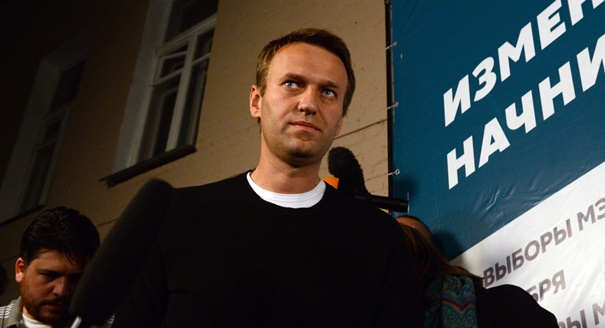
Meanwhile the anti-establishment candidate Alexey Navalny’s campaign was all about reaching out to the people. His campaign was fresh, creative, energetic, and, since it drew on all kinds of volunteers and driven supporters, many Muscovites, their friends and families developed strong personal feelings about the outcome of the vote. Hence the amazing result of Alexey Navalny who, despite being barred from the largest-audience media and despite other hurdles and harassment directed against him and his campaigners, was able to gain the support of over a quarter of Muscovites.
The post-Moscow-election situation, rather than consolidating the support for, and legitimacy of the system, has generated new uncertainties. The officials have announced that the campaign is over and Sobyanin is the winner. Navalny and his headquarters insist on a second round, claiming that they have evidence of rigging and that Sobyanin failed to gain over half of the vote needed for victory. Just how the standoff will be resolved, what will happen to Navalny, and what the higher court’s ruling will be on his verdict? The Kremlin still has the unchecked authority to act, but with Navalny backed by at least twenty-seven percent of the Muscovites these choices will be hard to make.
Carnegie does not take institutional positions on public policy issues; the views represented herein are those of the author(s) and do not necessarily reflect the views of Carnegie, its staff, or its trustees.
Western negotiators often believe territory is just a bargaining chip when it comes to peace in Ukraine, but Putin is obsessed with empire-building.
Andrey Pertsev
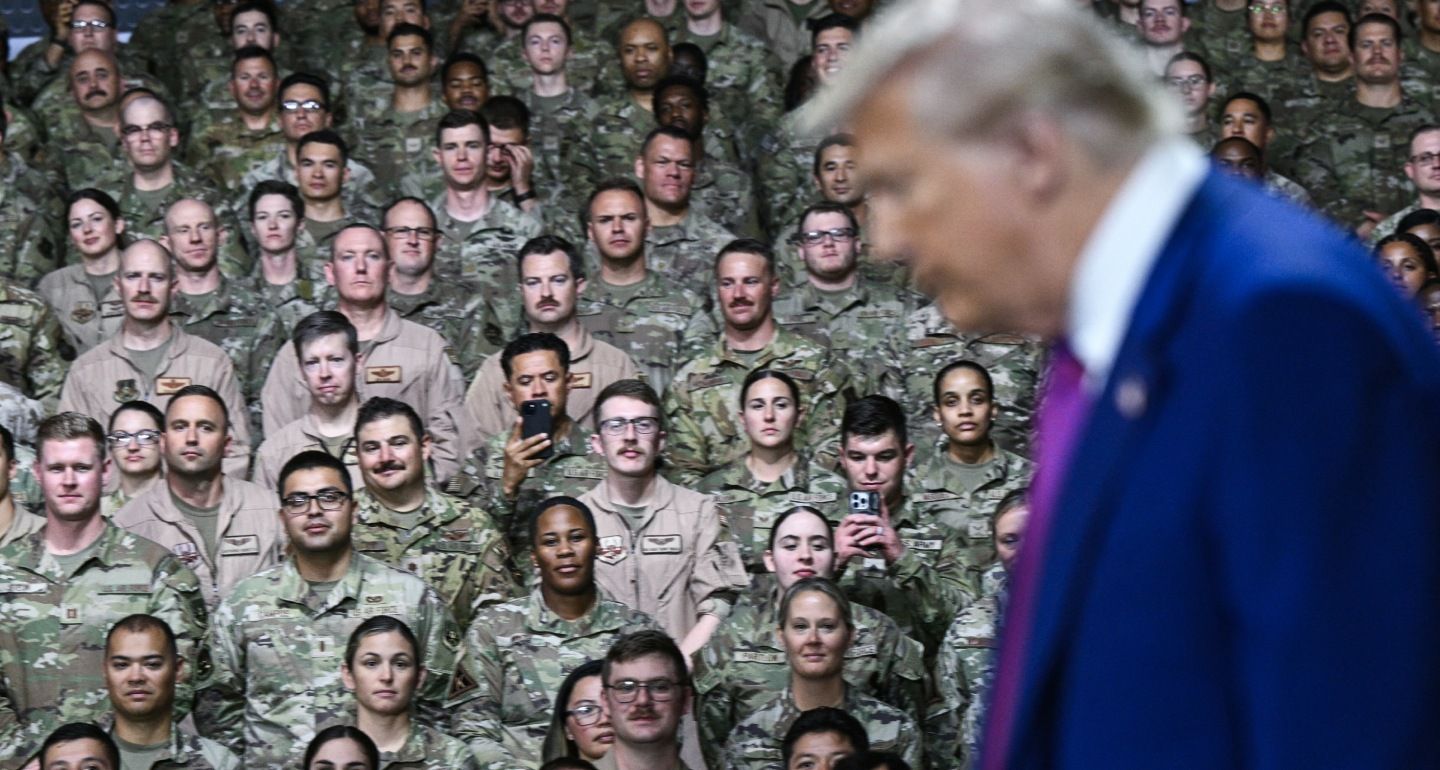
Unexpectedly, Trump’s America appears to have replaced Putin’s Russia’s as the world’s biggest disruptor.
Alexander Baunov
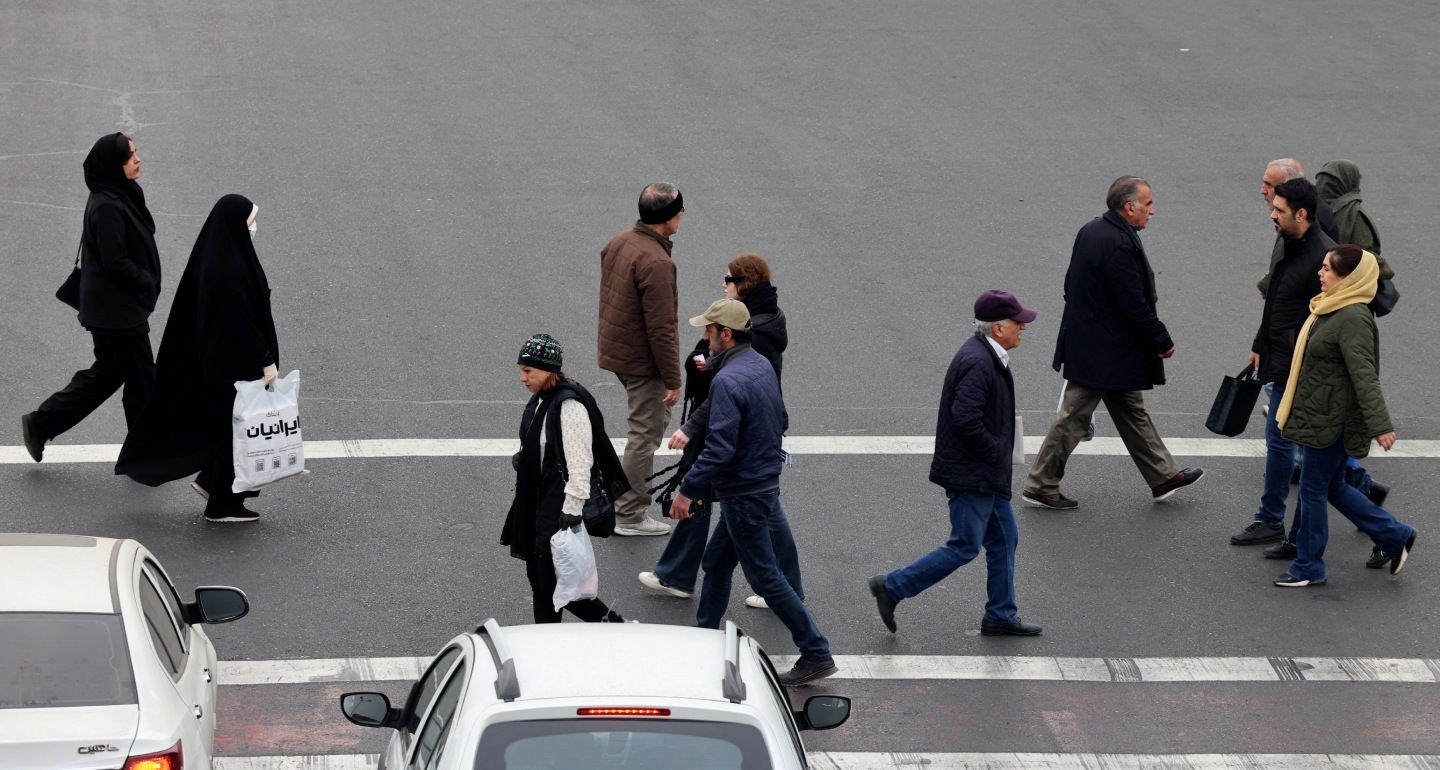
Baku may allow radical nationalists to publicly discuss “reunification” with Azeri Iranians, but the president and key officials prefer not to comment publicly on the protests in Iran.

Bashir Kitachaev
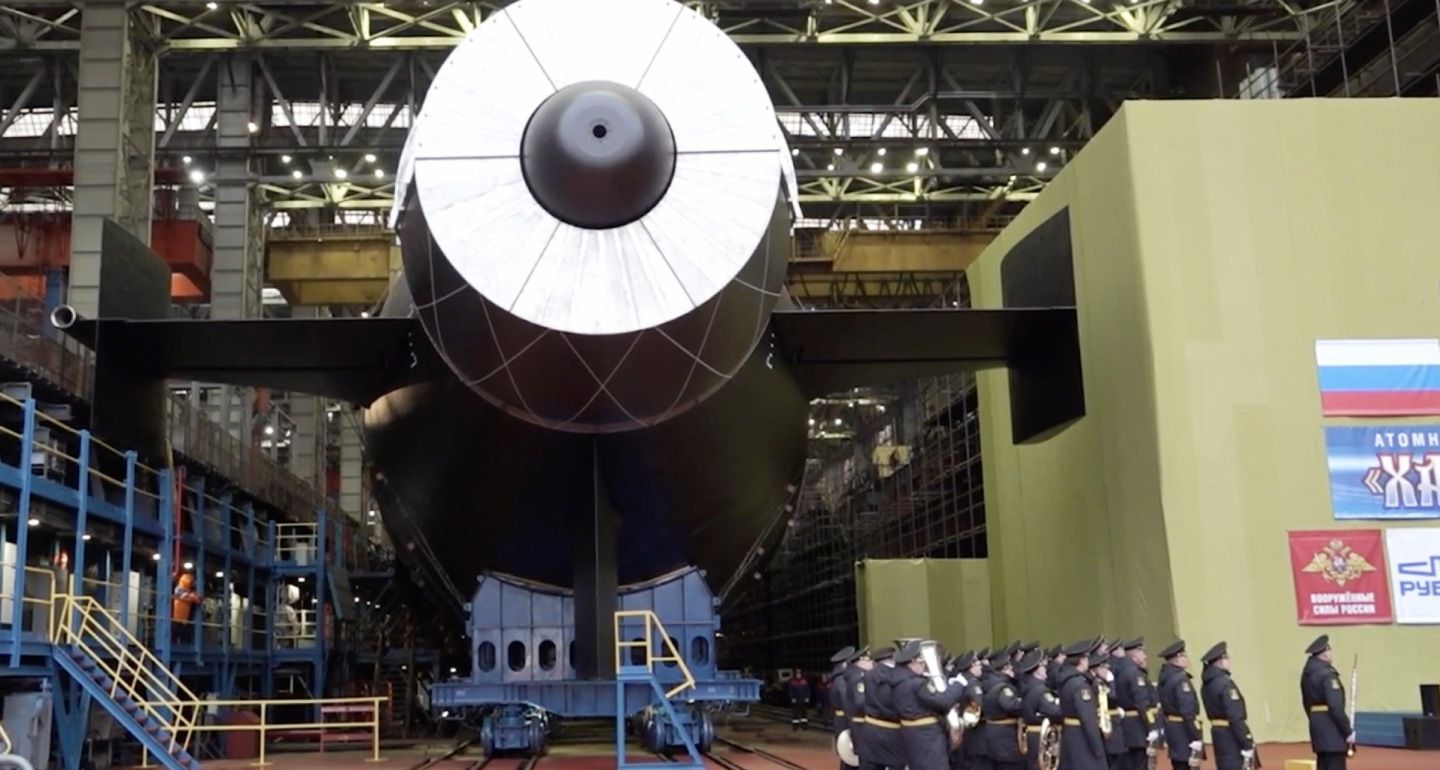
The Kremlin will only be prepared to negotiate strategic arms limitations if it is confident it can secure significant concessions from the United States. Otherwise, meaningful dialogue is unlikely, and the international system of strategic stability will continue to teeter on the brink of total collapse.
Maxim Starchak
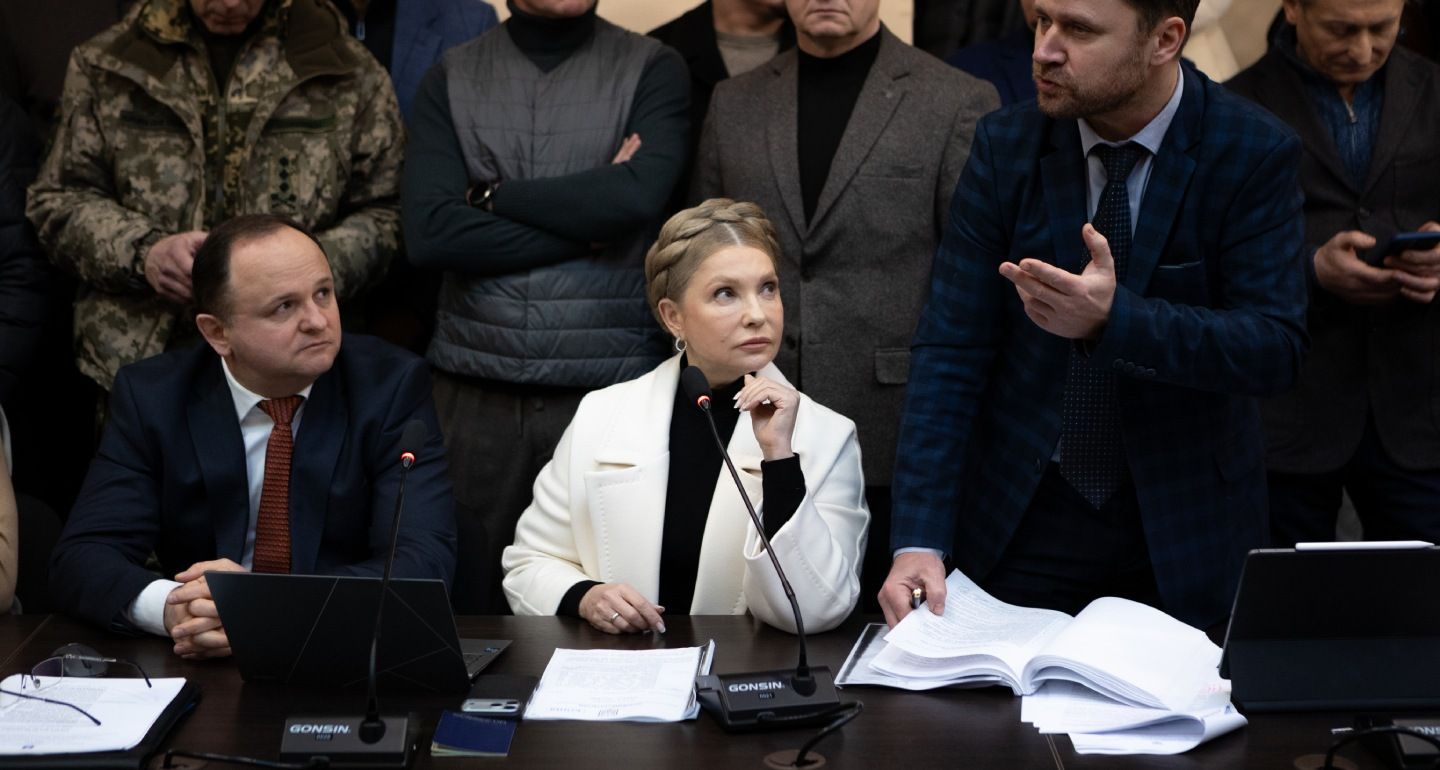
The story of a has-been politician apparently caught red-handed is intersecting with the larger forces at work in the Ukrainian parliament.
Konstantin Skorkin