

Commentary
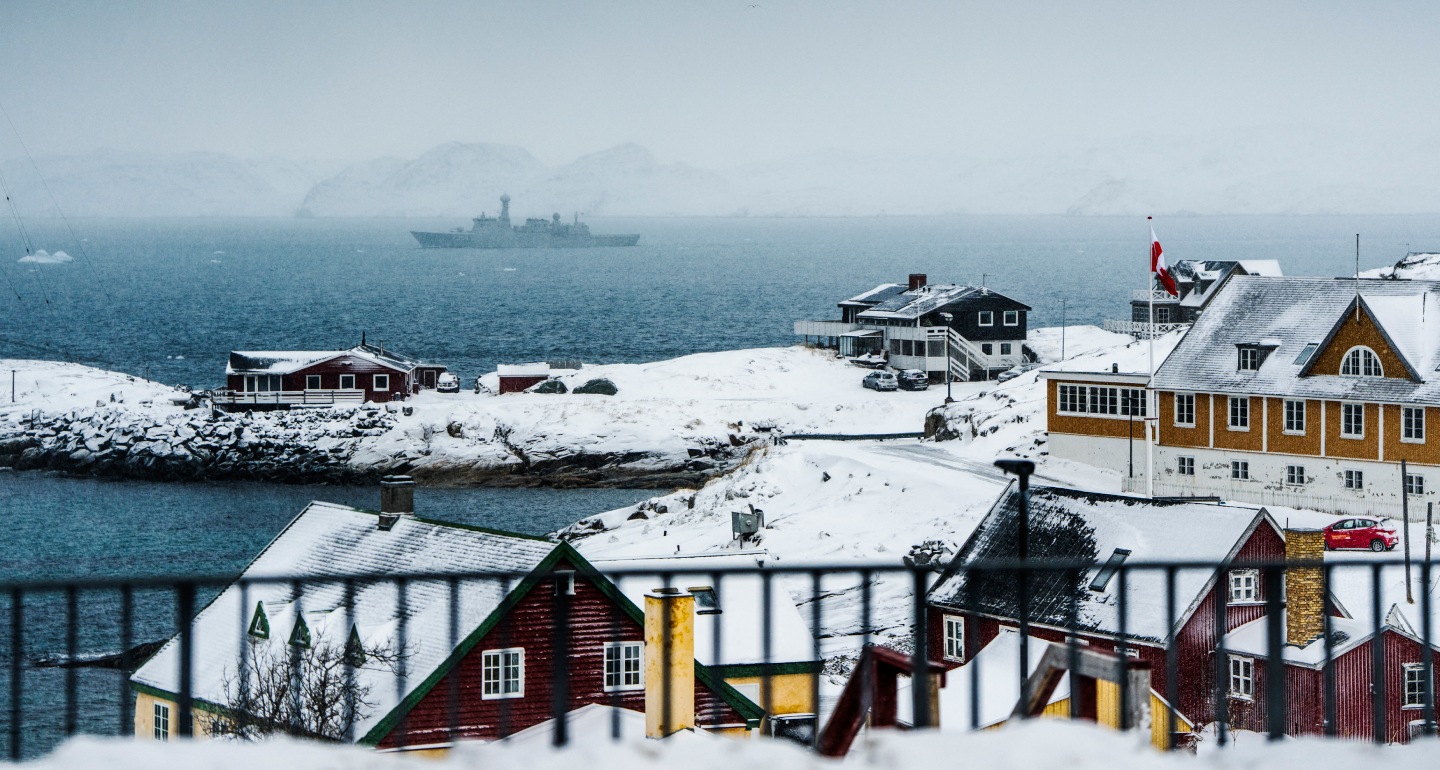
The supposed threats from China and Russia pose far less of a danger to both Greenland and the Arctic than the prospect of an unscrupulous takeover of the island.
Andrei Dagaev
{
  "authors": [
    "Andrew S. Weiss"
  ],
  "type": "legacyinthemedia",
  "centerAffiliationAll": "",
  "centers": [
    "Carnegie Endowment for International Peace"
  ],
  "collections": [],
  "englishNewsletterAll": "",
  "nonEnglishNewsletterAll": "",
  "primaryCenter": "Carnegie Endowment for International Peace",
  "programAffiliation": "",
  "programs": [
    "Russia and Eurasia"
  ],
  "projects": [],
  "regions": [
    "Russia"
  ],
  "topics": []
}
Source: Getty
American perceptions of Russia differ greatly from the reality in the country and the changes that have occurred since the collapse of the Soviet Union.
Source: MSNBC’s Weekends With Alex Witt
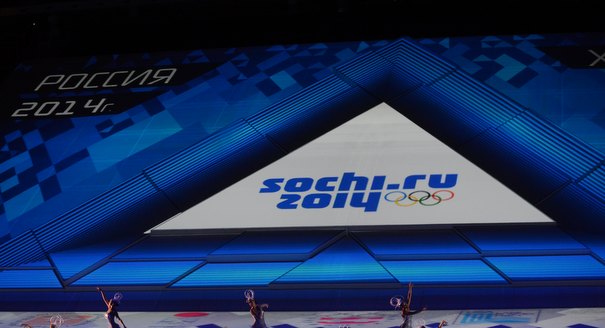
Speaking with MSNBC’s Alex Witt, Carnegie’s Andrew Weiss explained that the corruption in Sochi can largely be attributed to the “Klondike”-like atmosphere tied with a such a major development project. “Anyone who could get one of this construction contracts, anyone whose relatives could get involved in the construction projects seized on that opportunity,” he said. At the same time, Weiss emphasized that American perceptions of Russia differ greatly from the reality in the country and the changes that have occurred since the collapse of the Soviet Union. There are still serious problems in Russia, but many people still have a “frozen in time” image of the country that is not accurate. “It’s amazing Russia has $50 billion to spend on an Olympics at the moment,” Weiss said. “That’s not something that any of the people in the field would have anticipated ten year [or] twenty years ago.”
Carnegie does not take institutional positions on public policy issues; the views represented herein are those of the author(s) and do not necessarily reflect the views of Carnegie, its staff, or its trustees.
The supposed threats from China and Russia pose far less of a danger to both Greenland and the Arctic than the prospect of an unscrupulous takeover of the island.
Andrei Dagaev
Western negotiators often believe territory is just a bargaining chip when it comes to peace in Ukraine, but Putin is obsessed with empire-building.
Andrey Pertsev
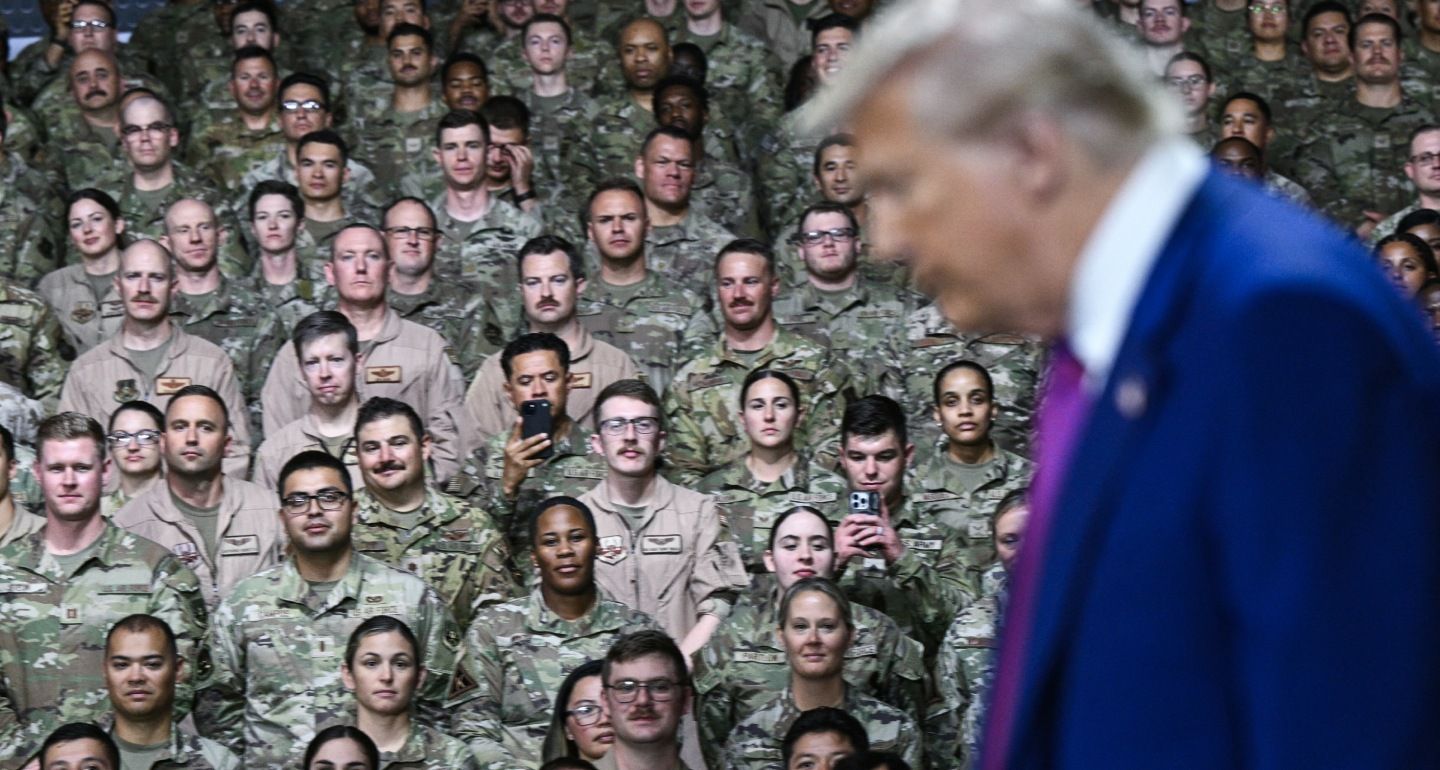
Unexpectedly, Trump’s America appears to have replaced Putin’s Russia’s as the world’s biggest disruptor.
Alexander Baunov
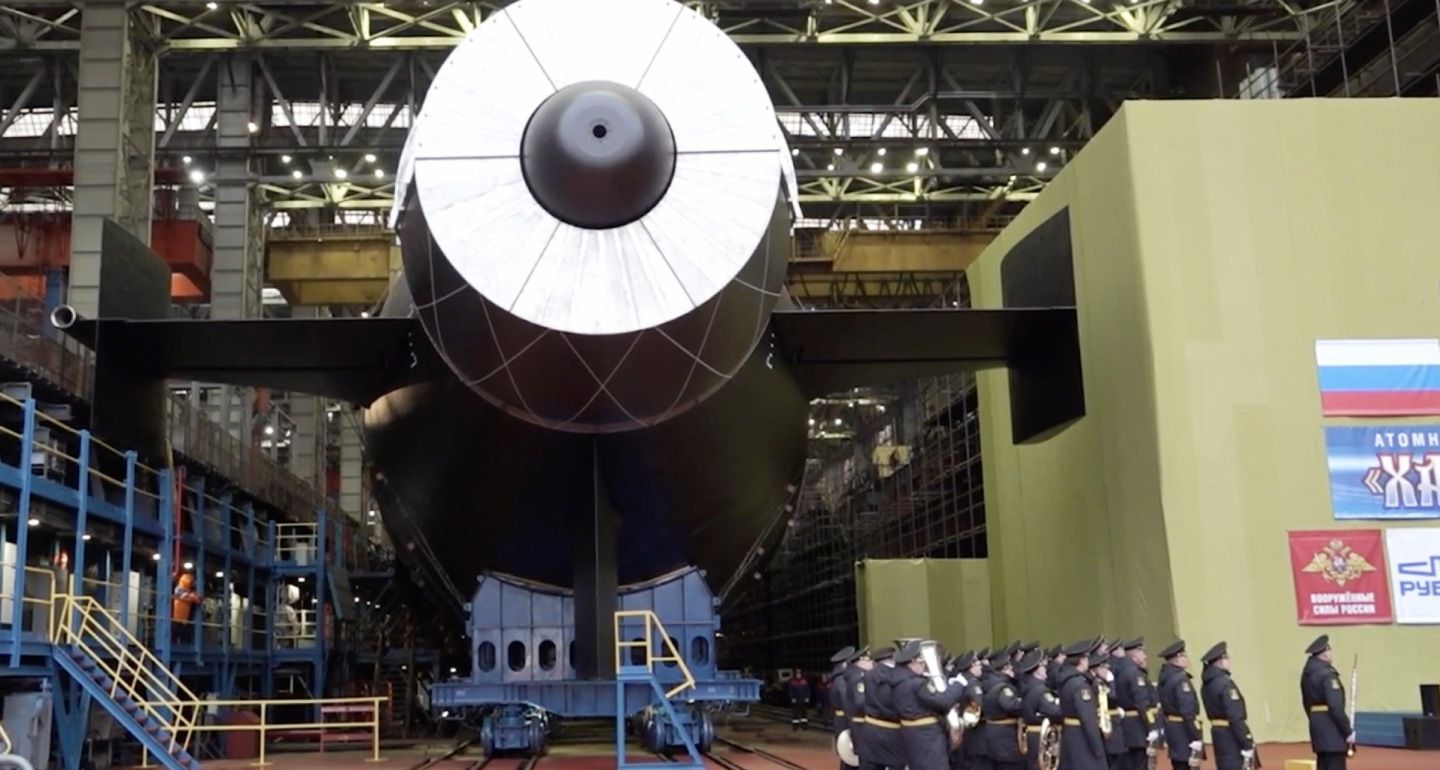
The Kremlin will only be prepared to negotiate strategic arms limitations if it is confident it can secure significant concessions from the United States. Otherwise, meaningful dialogue is unlikely, and the international system of strategic stability will continue to teeter on the brink of total collapse.
Maxim Starchak
For years, the Russian government has promoted “sovereign” digital services as an alternative to Western ones and introduced more and more online restrictions “for security purposes.” In practice, these homegrown solutions leave people vulnerable to data leaks and fraud.

Maria Kolomychenko