• Research
  • Politika
  • About
Carnegie Russia Eurasia center logoCarnegie lettermark logo
  • Donate
{
  "authors": [
    "James M. Acton"
  ],
  "type": "other",
  "centerAffiliationAll": "",
  "centers": [
    "Carnegie Endowment for International Peace"
  ],
  "collections": [
    "U.S. Nuclear Policy"
  ],
  "englishNewsletterAll": "",
  "nonEnglishNewsletterAll": "",
  "primaryCenter": "Carnegie Endowment for International Peace",
  "programAffiliation": "",
  "programs": [
    "Nuclear Policy"
  ],
  "projects": [],
  "regions": [
    "North America",
    "United States"
  ],
  "topics": [
    "Nuclear Policy",
    "Arms Control"
  ]
}
Other

International Verification and Intelligence

While intelligence sharing creates risks for both national intelligence agencies and international verification organizations, it is ultimately critical to the effective verification of arms control agreements.

Link Copied
By James M. Acton
Published on Jun 4, 2014

Source: Intelligence and National Security

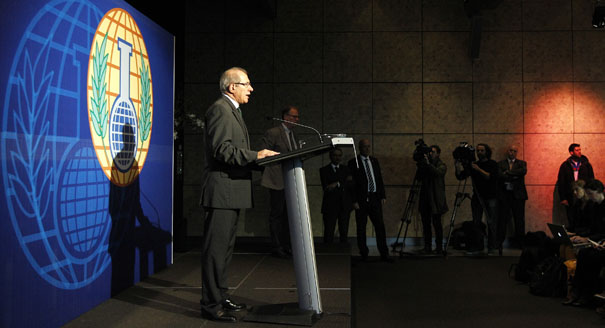
Both national intelligence agencies (NIAs) and international verification organizations (IVOs) attempt to assess compliance with arms control treaties. Their strengths and weaknesses are complementary. Because IVOs are seen as legitimate, they are able to conduct on-site inspections to verify declared activities and to confirm or disprove allegations of clandestine cheating. 

NIAs are more flexible and have a greater ability to uncover preliminary evidence of clandestine activities on which further investigations can be based. Such investigations require NIAs to share intelligence with IVOs. While this kind of intelligence sharing is generally permitted by arms control agreements, it is controversial.

Nonetheless, it appears to have become more common in recent years, particularly during the International Atomic Energy Agency’s investigation of Iran’s nuclear program. While intelligence sharing creates risks for both IVOs and NIAs, it is ultimately critical to the effective verification of arms control agreements and steps can and should be taken to ensure it becomes more common and less controversial....

The chapter "International Verification and Intelligence" was originally published in the special issue "Intelligence and Nuclear Proliferation" of Intelligence and National Security. 

James M. Acton
Jessica T. Mathews Chair, Co-director, Nuclear Policy Program
James M. Acton
Nuclear PolicyArms ControlNorth AmericaUnited States

Carnegie does not take institutional positions on public policy issues; the views represented herein are those of the author(s) and do not necessarily reflect the views of Carnegie, its staff, or its trustees.

More Work from Carnegie Russia Eurasia Center

  • Commentary
    Carnegie Politika
    Russia’s Latest Weapons Have Left Strategic Stability on the Brink of Collapse

    The Kremlin will only be prepared to negotiate strategic arms limitations if it is confident it can secure significant concessions from the United States. Otherwise, meaningful dialogue is unlikely, and the international system of strategic stability will continue to teeter on the brink of total collapse.

      Maxim Starchak

  • Commentary
    Carnegie Politika
    Venezuela Is No Oil Eldorado, Despite U.S. and Russian Claims

    Geological complexity and years of mismanagement mean the Venezuelan oil industry is not the big prize officials in Moscow and Washington appear to believe.

      • Sergey Vakulenko

      Sergey Vakulenko

  • Commentary
    Carnegie Politika
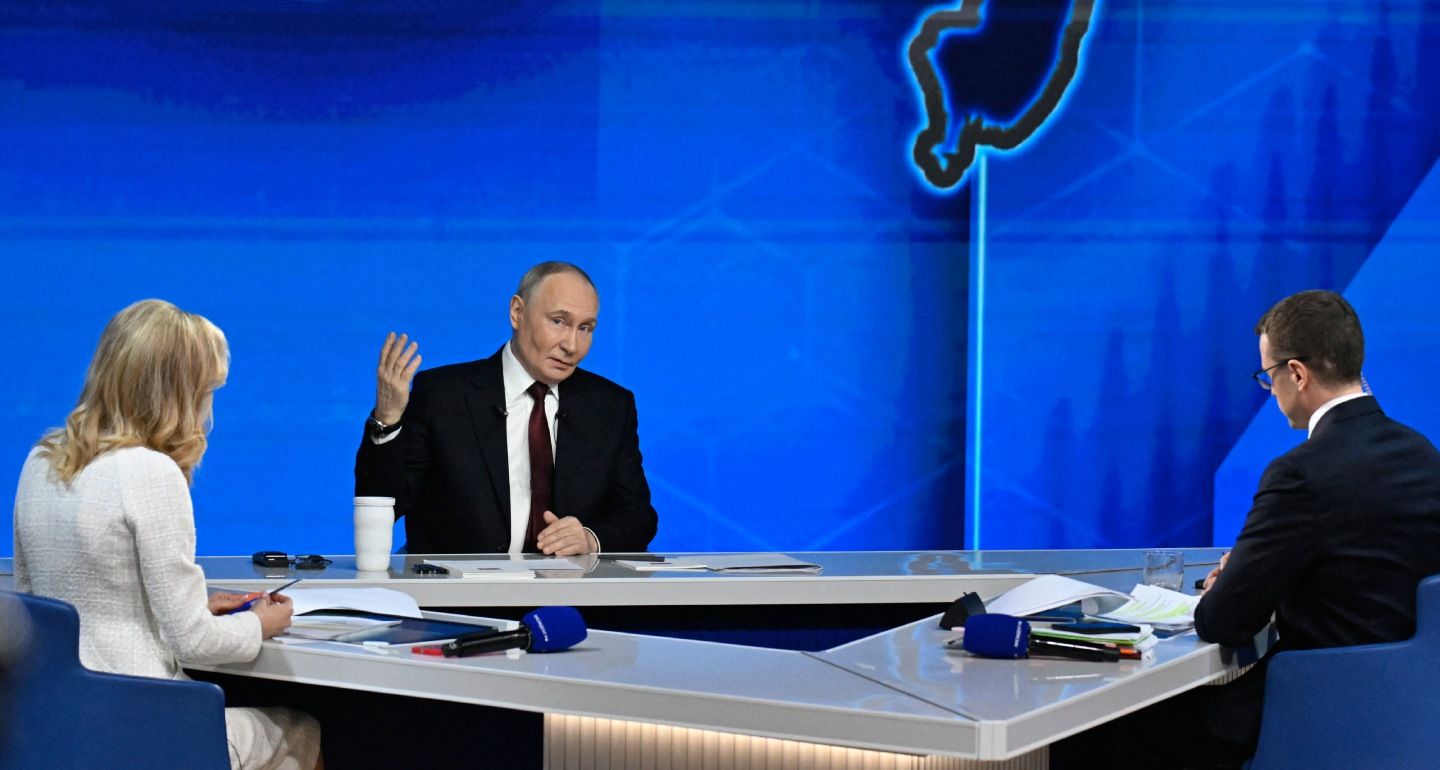
    Putin Uses End-of-Year Presser to Send Message to Trump

    Putin used his annual Q&A to make it perfectly clear: he will not agree to an end to the war until he at least gets control of the entire Donbas.

      Vladislav Gorin

  • Commentary
    Carnegie Politika
    What Will the Latest U.S-Belarusian Concessions Change?

    Lukashenko is using the same approach in his dealings with Trump that has long proven successful with Putin.

      Artyom Shraibman

  • Commentary
    Carnegie Politika
    Is a Ukraine Peace Deal Finally in Sight?

    The White House wants to take advantage of Kyiv’s mounting problems—on and off the battlefield—to impose a peace agreement more favorable to Russia.

      Tatiana Stanovaya

Get more news and analysis from
Carnegie Russia Eurasia Center
Carnegie Russia Eurasia logo, white
  • Research
  • Politika
  • About
  • Experts
  • Events
  • Contact
  • Privacy
Get more news and analysis from
Carnegie Russia Eurasia Center
© 2026 Carnegie Endowment for International Peace. All rights reserved.