

Commentary
Baku may allow radical nationalists to publicly discuss “reunification” with Azeri Iranians, but the president and key officials prefer not to comment publicly on the protests in Iran.
Bashir Kitachaev
{
  "authors": [],
  "type": "pressRelease",
  "centerAffiliationAll": "",
  "centers": [
    "Carnegie Endowment for International Peace",
    "Carnegie Russia Eurasia Center",
    "Malcolm H. Kerr Carnegie Middle East Center",
    "Carnegie China"
  ],
  "collections": [],
  "englishNewsletterAll": "",
  "nonEnglishNewsletterAll": "",
  "primaryCenter": "Carnegie Endowment for International Peace",
  "programAffiliation": "",
  "programs": [],
  "projects": [],
  "regions": [],
  "topics": []
}
REQUIRED IMAGE
The Honorable William J. Burns, former U.S. deputy secretary of state, begins today as president of the Carnegie Endowment for International Peace. Ambassador Burns is Carnegie’s ninth president in its 105-year history.
Prior to joining Carnegie, Burns served as deputy secretary of state for more than three years, only the second serving career diplomat to hold the title. He holds the rank of career ambassador, the highest in the U.S. Foreign Service. Among other posts during his 33-year diplomatic career, he served as undersecretary for political affairs from 2008 to 2011, ambassador to Russia from 2005 to 2008, assistant secretary of state for Near Eastern affairs from 2001 to 2005, and ambassador to Jordan from 1998 to 2001.
Accepting the position, Burns said, “I am delighted to be coming to Carnegie and honored to follow in the footsteps of Jessica Mathews. Since announcing my retirement from the State Department in April, I have thought long and hard about what I wanted to do next. And I believe that Carnegie, with its five centers around the world and superb staff and scholars, offers an extraordinary opportunity to be able to continue to play an important and constructive role in global affairs from outside government service.”
Harvey V. Fineberg, chairman of Carnegie’s Board of Trustees, said, “We are all very enthusiastic about the prospect of Bill’s leadership at Carnegie. He will bring an unparalleled grasp of international affairs and respect from across the political spectrum, as well as an extraordinary network of relationships and connections to the highest levels of governments around the world.”
Jessica Tuchman Mathews has stepped down as president after 18 years in the post. She will continue at Carnegie as a distinguished fellow, researching and writing on U.S. foreign policy and the global agenda.
At a farewell gala in honor of Mathews on Monday night that was attended by dignitaries from the foreign policy community, U.S. Secretary of State John Kerry said, “I don’t know of anyone in our generation who can match Jessica’s breadth of vision, her ability to see the whole picture—to take into account the economic, technological, cultural, political, and security dimensions of any problem and distill them all into a single narrative that makes complete sense. [She’s] the Stephen Hawking of public policy—always several steps ahead of everyone else.”
The Carnegie Endowment for International Peace is a unique global network of policy research centers in Russia, China, Europe, the Middle East, and the United States. Our mission, dating back more than a century, is to advance the cause of peace through analysis and development of fresh policy ideas and direct engagement and collaboration with decisionmakers in government, business, and civil society. Working together, our centers bring the inestimable benefit of multiple national viewpoints to bilateral, regional, and global issues.
The latest University of Pennsylvania worldwide think tank rankings placed Carnegie #3 in the world and #1 for most innovative policy ideas out of 6,600 institutions. The Carnegie Middle East Center in Beirut and the Carnegie Moscow Center were both named #1 in their respective regions.
Carnegie does not take institutional positions on public policy issues; the views represented herein are those of the author(s) and do not necessarily reflect the views of Carnegie, its staff, or its trustees.
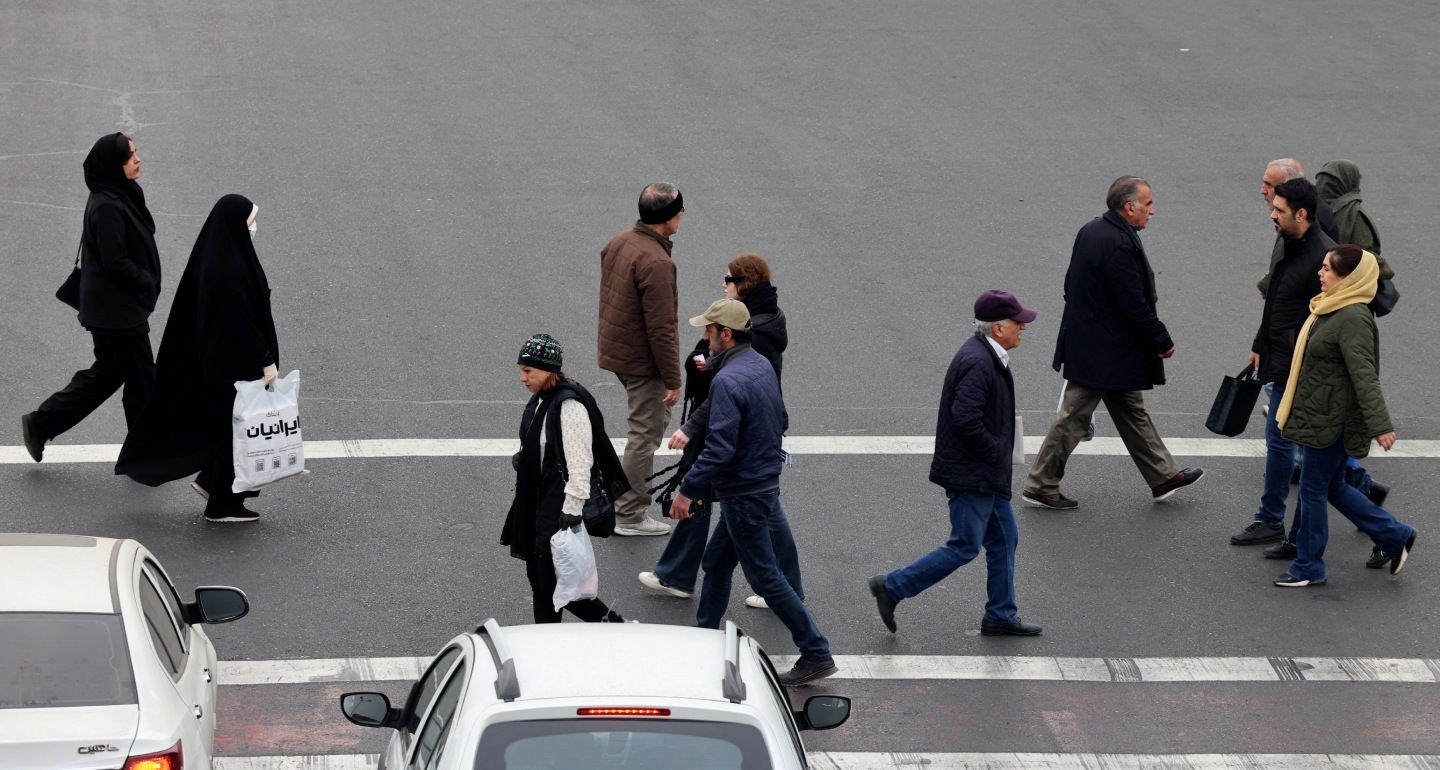
Baku may allow radical nationalists to publicly discuss “reunification” with Azeri Iranians, but the president and key officials prefer not to comment publicly on the protests in Iran.

Bashir Kitachaev
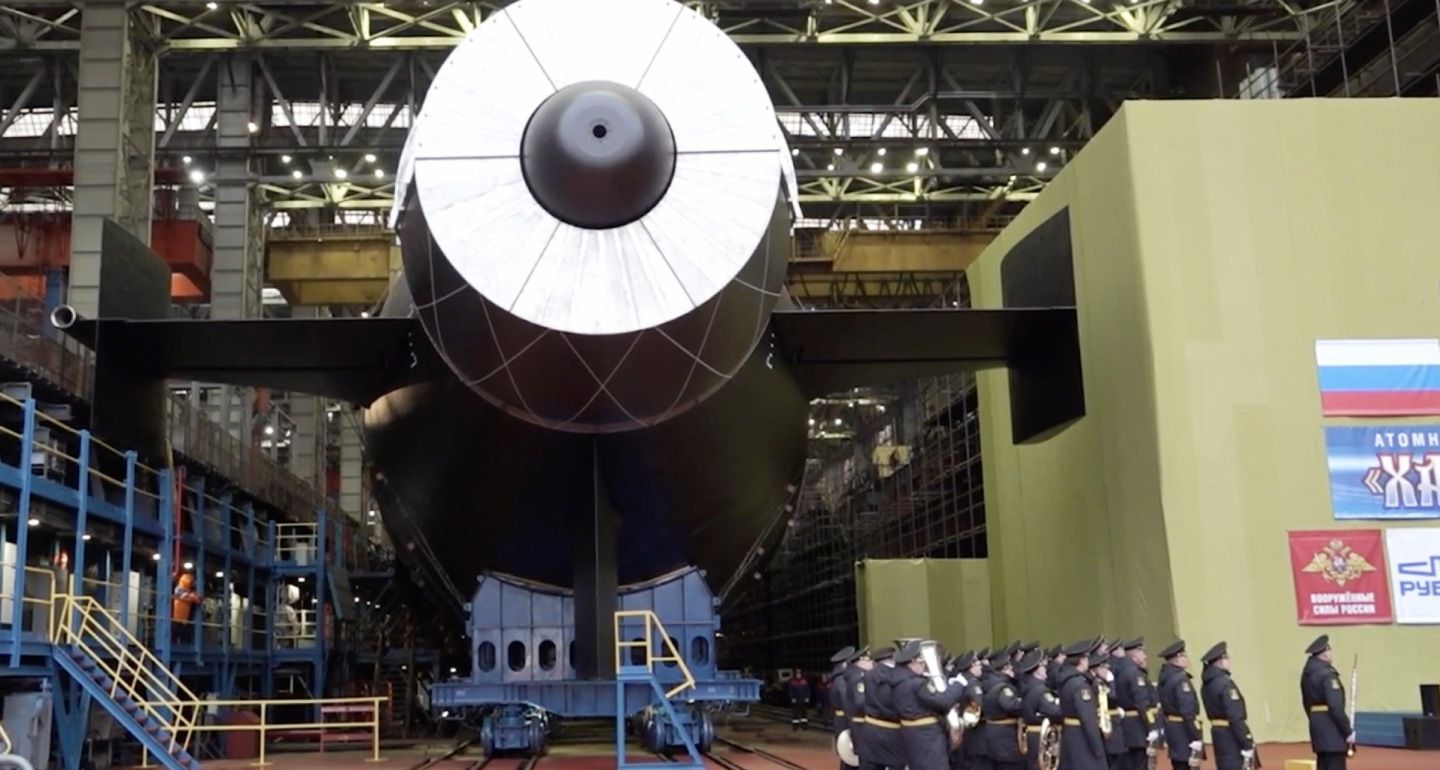
The Kremlin will only be prepared to negotiate strategic arms limitations if it is confident it can secure significant concessions from the United States. Otherwise, meaningful dialogue is unlikely, and the international system of strategic stability will continue to teeter on the brink of total collapse.
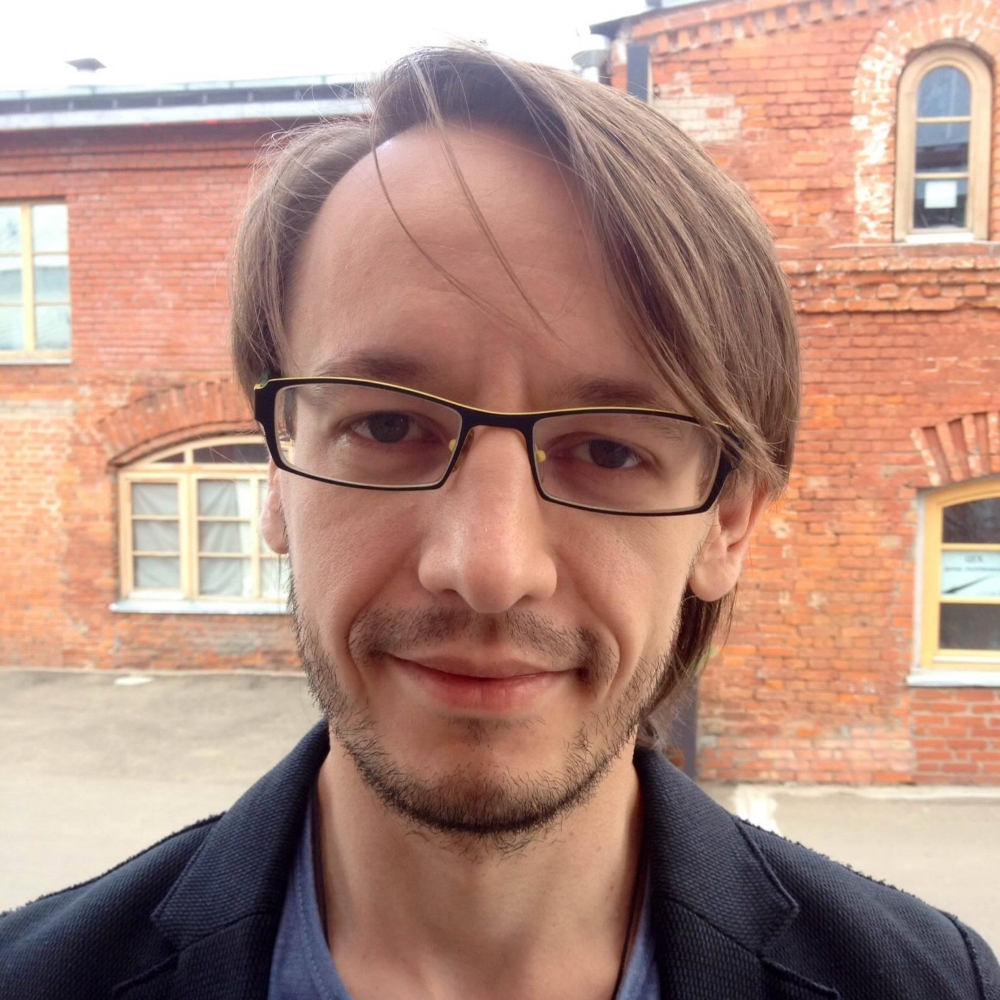
Maxim Starchak
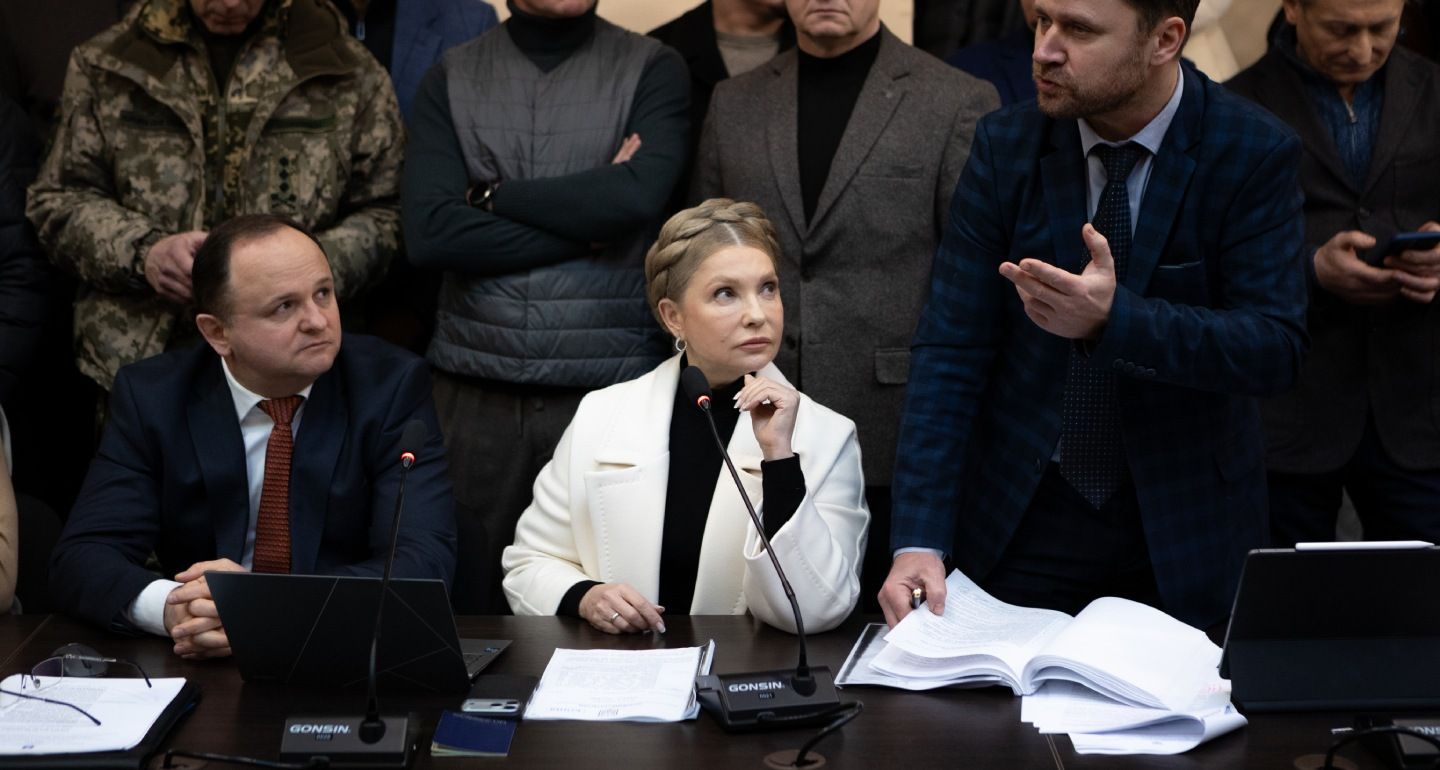
The story of a has-been politician apparently caught red-handed is intersecting with the larger forces at work in the Ukrainian parliament.
Konstantin Skorkin
For years, the Russian government has promoted “sovereign” digital services as an alternative to Western ones and introduced more and more online restrictions “for security purposes.” In practice, these homegrown solutions leave people vulnerable to data leaks and fraud.

Maria Kolomychenko

Geological complexity and years of mismanagement mean the Venezuelan oil industry is not the big prize officials in Moscow and Washington appear to believe.
Sergey Vakulenko