

Commentary
Baku may allow radical nationalists to publicly discuss “reunification” with Azeri Iranians, but the president and key officials prefer not to comment publicly on the protests in Iran.
Bashir Kitachaev
{
  "authors": [
    "C. Raja Mohan"
  ],
  "type": "legacyinthemedia",
  "centerAffiliationAll": "",
  "centers": [
    "Carnegie Endowment for International Peace",
    "Carnegie India"
  ],
  "collections": [],
  "englishNewsletterAll": "",
  "nonEnglishNewsletterAll": "",
  "primaryCenter": "Carnegie Endowment for International Peace",
  "programAffiliation": "",
  "programs": [
    "South Asia"
  ],
  "projects": [],
  "regions": [
    "Asia",
    "South Asia",
    "Pakistan",
    "India",
    "East Asia",
    "China",
    "North America",
    "United States",
    "Middle East",
    "Iran"
  ],
  "topics": [
    "Foreign Policy",
    "Security",
    "Economy",
    "Trade"
  ]
}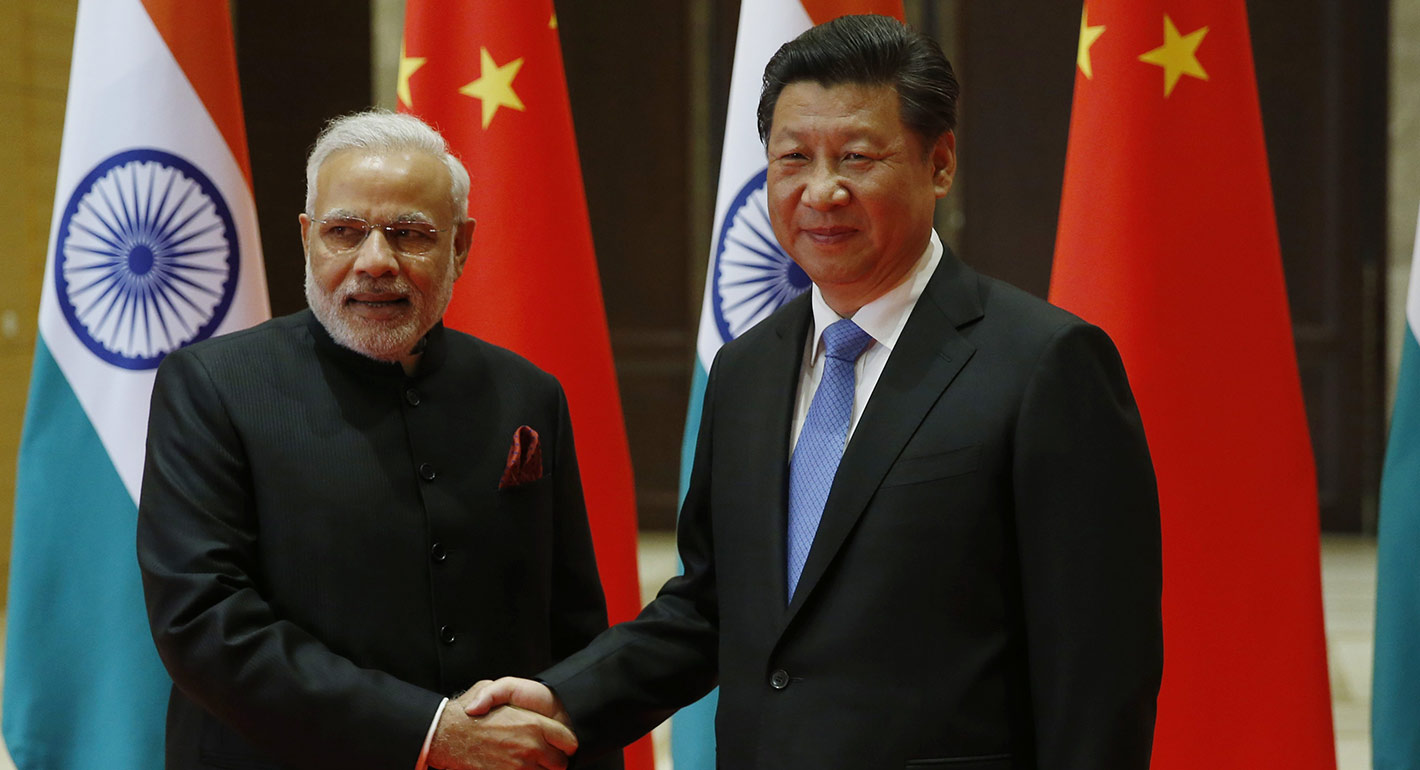
As Prime Minister Narendra Modi consolidates the strategic partnership with the United States, critics and doubters have questions about the cost of becoming real friends with America.
Source: Indian Express
As Prime Minister Narendra Modi consolidates the strategic partnership with the United States, critics and doubters have questions about the cost of becoming real friends with America. Might the “price” of American partnership be too high?
All major actions in the world of foreign policy, as elsewhere, have consequences; some intended and other unintended. Some would use that fact to avoid any diplomatic action. Some tend to neglect the impact of one’s actions and are surprised by the responses of others. Contemporary India has plenty of experience in both directions. We know that the first leads to the “do-nothing” strategy and the second to a smug and blinkered view of the world.Modi’s challenge, therefore, is two-fold: Move decisively to take full advantage of the entente with America; at the same time, anticipate and manage some of the inevitable consequences of the new strategic warmth towards Washington. If external possibilities saw India wring its hands in the past, Delhi must now broaden its diplomatic activism to reduce the potential costs and maximise benefits.
The do-nothing approach very much defined the decade-long UPA rule. There was constant pressure from the Congress leadership on Prime Minister Manmohan Singh to limit the partnership with the United States, despite the unprecedented opportunities opened up by the Bush Administration. The apprehensions that paralysed the UPA government included the potential loss of support from key political constituencies at home and the much-vaunted strategic autonomy abroad.
Singh had a very different, and a much better, judgement on the costs and benefits of drawing closer to America. It was only when he threatened to quit in 2008 that the Congress leadership relented and let him have the nuclear deal. But the high command of the party had the last laugh in the second term when it simply cut Singh’s room for manoeuvre on foreign policy.
The UPA II put the implementation of the nuclear deal in cold storage and steadily walked back from the agreed framework of defence cooperation in 2005. No one in the government was ready to count the costs of doing nothing. The do-nothing strategy was not just aimed at the United States. It was even more evident vis a vis Pakistan. Remember that Singh had invested a lot more in improving ties with Pakistan than the United States.
His first term saw productive negotiations on resolving disputes like Siachen and Sir Creek. There was an extended back channel negotiation on the Kashmir question that produced a framework agreement on the issue. The Congress leadership would not let him move forward on Pakistan. After all, there might be a terrible “price” for doing things with Pakistan. Singh, for all his interest and investment, could not even make one trip to Pakistan in his decade-long tenure.
The exaggerated sense of costs prevented Singh from moving forward on the boundary dispute with Bangladesh. At the command of the Congress leadership, he even had to scrap his plans to attend the Commonwealth Summit in Colombo.
The party’s electoral calculus in Bengal and Tamil Nadu seemed to prevail over the logic of national interest with two key neighbours.
If the costs of a do-nothing strategy are significant, so are the dangers of ignoring the consequences of what one does. Nothing illustrates this better than Delhi’s collective failure in anticipating the reactions of Pakistan, China and the West to a series of moves that Prime Minister Indira Gandhi made during 1971-75. These bold moves included an alliance with the Soviet Union, breaking up Pakistan by liberating Bangladesh, conducting the first nuclear test, and integrating Sikkim into the Indian Union.
The problem was never with the merits of the strategic choices that India made. It was the failure to assess the consequences and deal with them. These included Pakistan’s quest for nuclear weapons, China’s decision to lend atomic support for Pakistan, the international efforts to isolate India in the high technology domain, the deepening fears of Indian hegemony among the South Asian neighbours and the image of India as a Soviet pawn in Asia. By the time India woke up to the consequences, the scale of the effort needed to cope with them had become much larger. In some ways, we are still struggling to come to terms with the events of that period.
The Modi government, however, appears aware of the need to reassure its other partners in the international arena, especially Russia and China, who have some concerns about India’s relations with the United States. A similar effort will also be needed with our neighbours.
While the reaction in Pakistan to Modi’s US visit has been overwrought, there are fears in other countries that stronger bonds with America might make Delhi more domineering than before.
The Modi government now has expansive diplomatic leverage and political agency to broaden relations with all the major powers and deepen its engagement with neighbours. After the entente with America, India must have the self-assurance to shed its other “hesitations of history”, especially towards China and Pakistan.
Carnegie does not take institutional positions on public policy issues; the views represented herein are those of the author(s) and do not necessarily reflect the views of Carnegie, its staff, or its trustees.
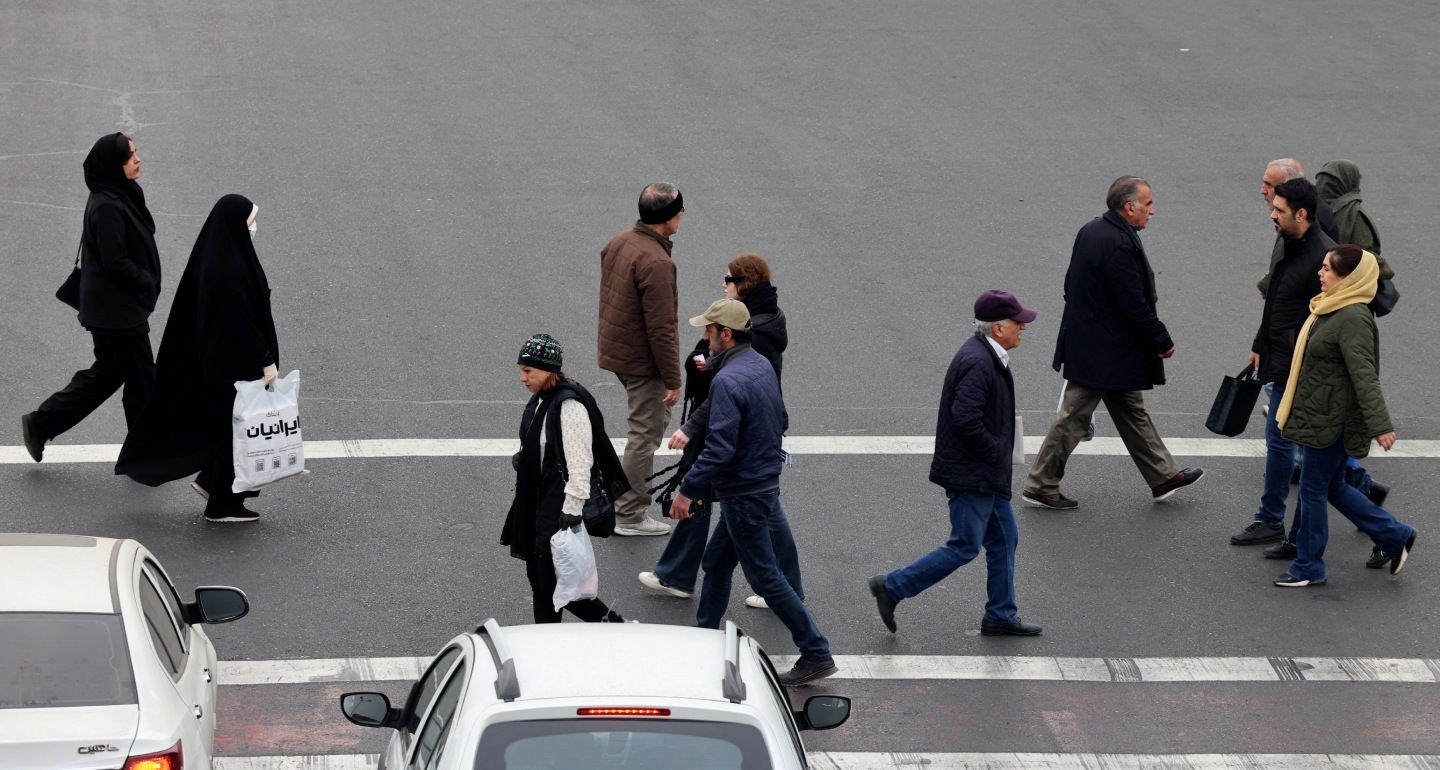
Baku may allow radical nationalists to publicly discuss “reunification” with Azeri Iranians, but the president and key officials prefer not to comment publicly on the protests in Iran.

Bashir Kitachaev
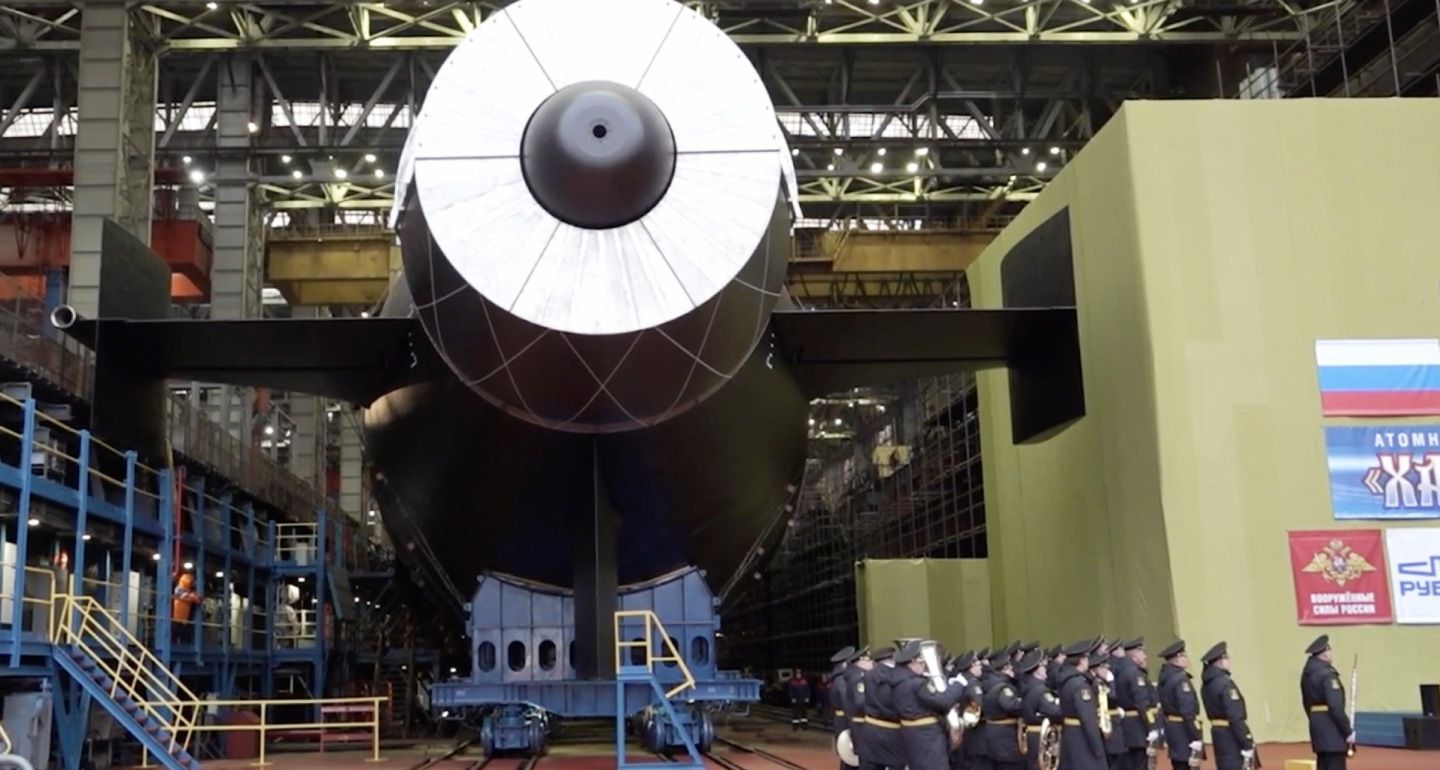
The Kremlin will only be prepared to negotiate strategic arms limitations if it is confident it can secure significant concessions from the United States. Otherwise, meaningful dialogue is unlikely, and the international system of strategic stability will continue to teeter on the brink of total collapse.

Maxim Starchak
For years, the Russian government has promoted “sovereign” digital services as an alternative to Western ones and introduced more and more online restrictions “for security purposes.” In practice, these homegrown solutions leave people vulnerable to data leaks and fraud.

Maria Kolomychenko
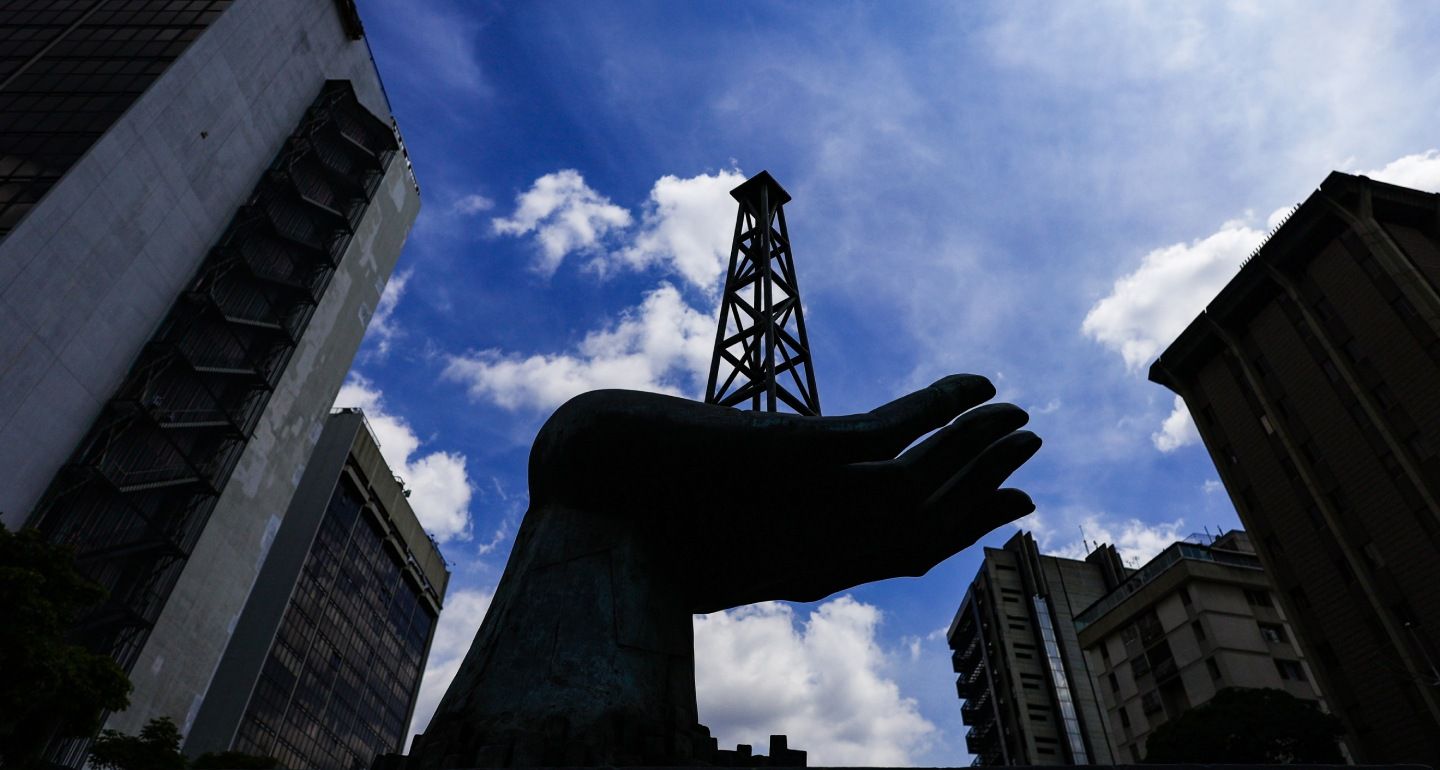
Geological complexity and years of mismanagement mean the Venezuelan oil industry is not the big prize officials in Moscow and Washington appear to believe.

Sergey Vakulenko
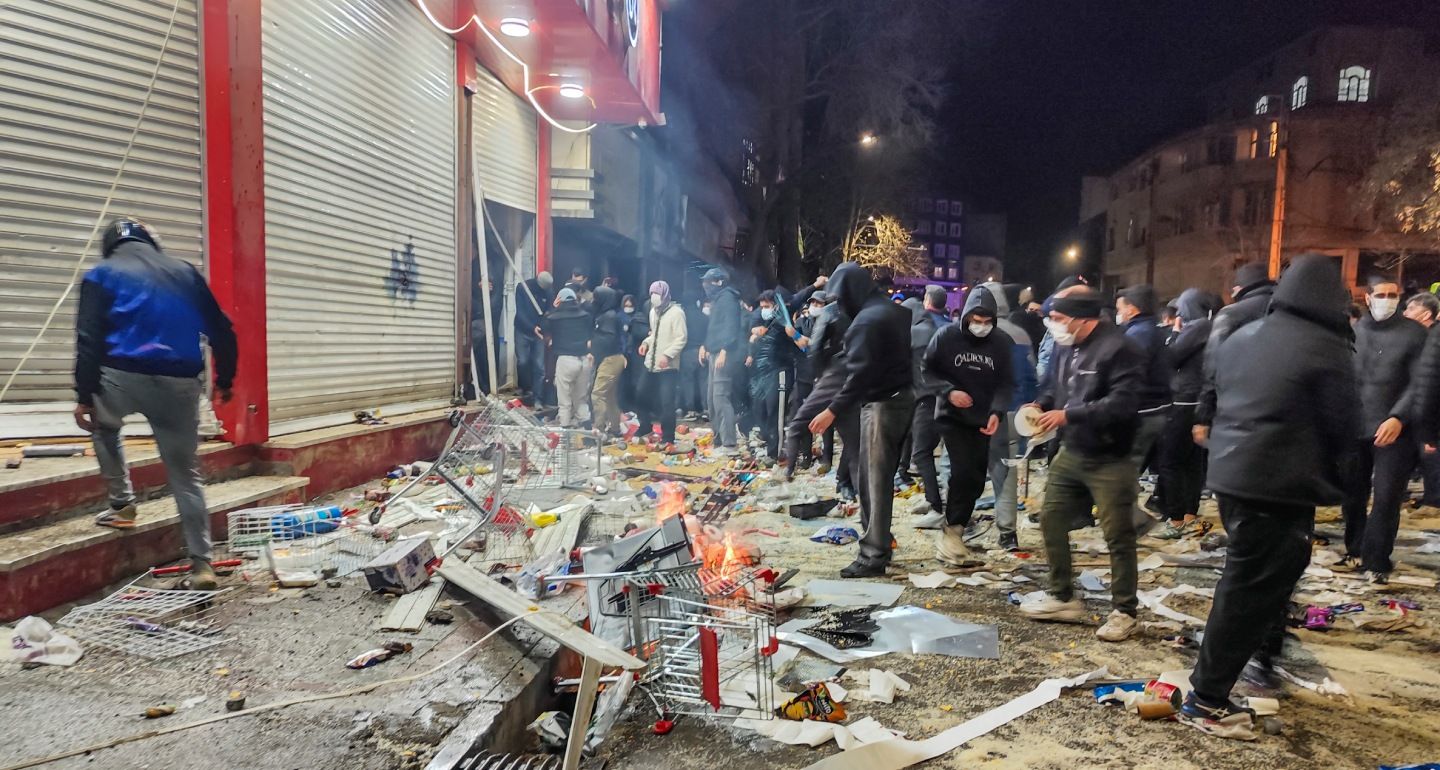
It’s one thing to export Russian helicopters to Iran to fight the insurgency, and it’s easy to imagine Moscow becoming a haven for fleeing Iranian leaders. But it’s very difficult to imagine Russian troops defending the Iranian regime on the ground.
Nikita Smagin