

Commentary
The story of a has-been politician apparently caught red-handed is intersecting with the larger forces at work in the Ukrainian parliament.
Konstantin Skorkin
{
  "authors": [
    "Milan Vaishnav"
  ],
  "type": "other",
  "centerAffiliationAll": "",
  "centers": [
    "Carnegie Endowment for International Peace"
  ],
  "collections": [],
  "englishNewsletterAll": "",
  "nonEnglishNewsletterAll": "",
  "primaryCenter": "Carnegie Endowment for International Peace",
  "programAffiliation": "",
  "programs": [
    "South Asia"
  ],
  "projects": [],
  "regions": [
    "South Asia",
    "India"
  ],
  "topics": [
    "Political Reform",
    "Democracy"
  ]
}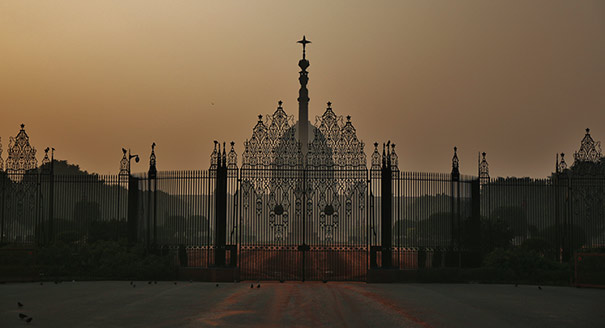
Indian voters do not elect criminals out of ignorance. Instead, candidates with serious criminal records are sometimes preferred because their criminality signals their credibility.
Source: Governance: An International Journal of Policy, Administration, and Institutions
In democracies around the world, candidates who stand accused or convicted of criminal misconduct routinely win elections and assume important positions. According to data collected by Transparência Brasil, 60% of Brazil’s federal legislators have either been convicted of a crime or are the subject of an ongoing criminal investigation. Ahead of Nigeria’s 2015 election, candidates openly brandished their allegiances to militia groups or criminal gangs while canvassing for votes. The cozy relationship between criminal malfeasance and democratic politics is by no means restricted to the developing world. A May 2016 report in the New York Times revealed that as many as 30 current and former state legislators in New York have been convicted, indicted, or accused of engaging in criminal wrongdoing in the past decade alone.....
Carnegie does not take institutional positions on public policy issues; the views represented herein are those of the author(s) and do not necessarily reflect the views of Carnegie, its staff, or its trustees.
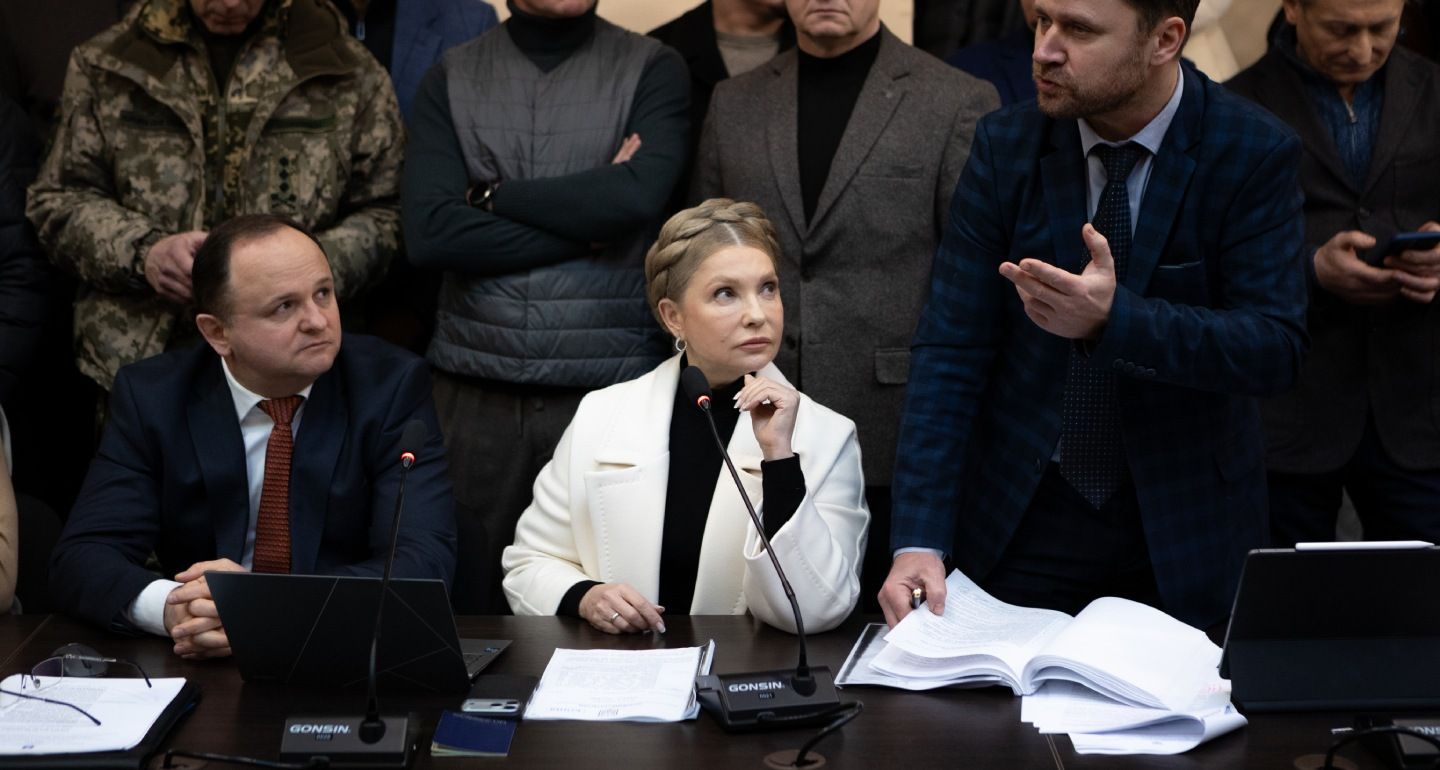
The story of a has-been politician apparently caught red-handed is intersecting with the larger forces at work in the Ukrainian parliament.

Konstantin Skorkin
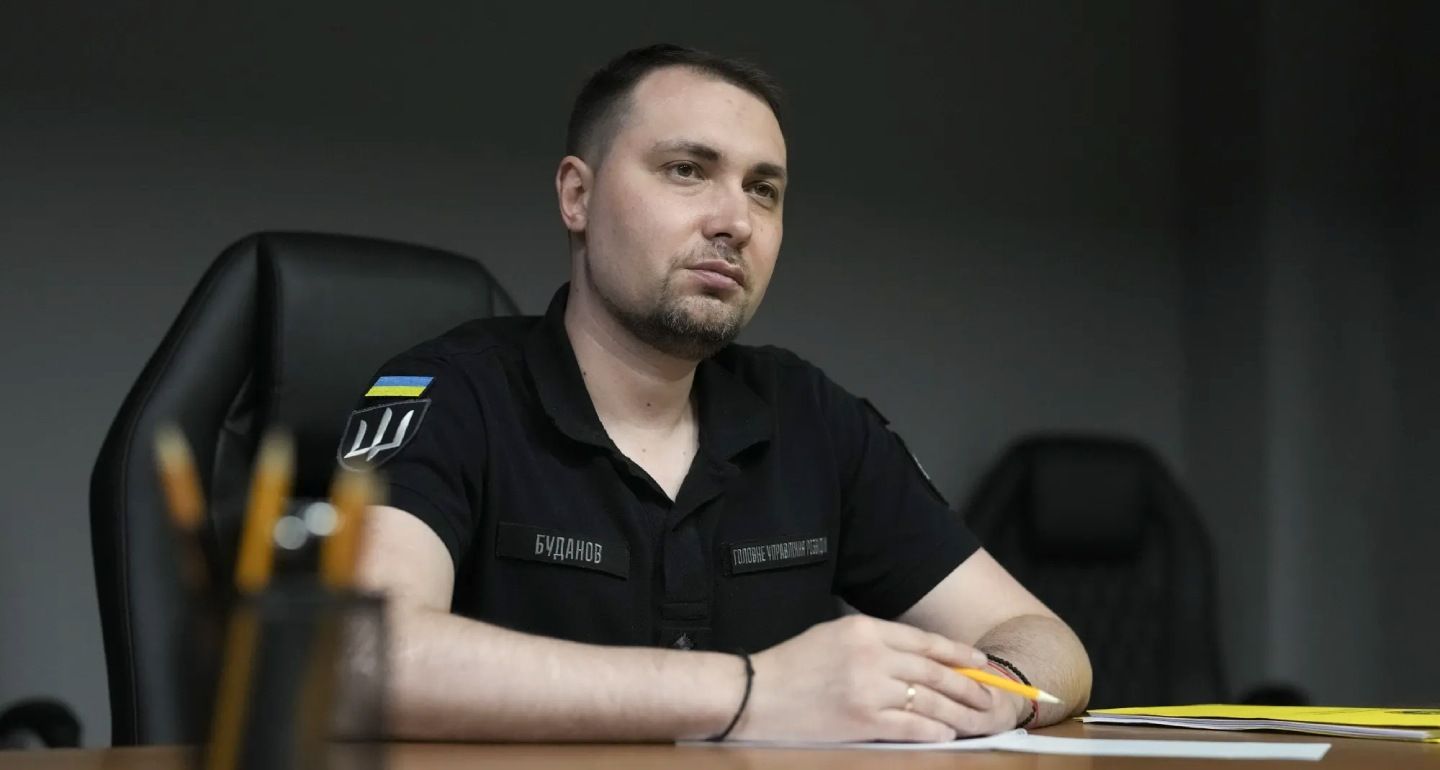
While appointing Kyrylo Budanov will help shore up Zelensky’s political authority and balance the president’s inner circle, the spy chief’s political ambitions mean he could be a threat.
Konstantin Skorkin
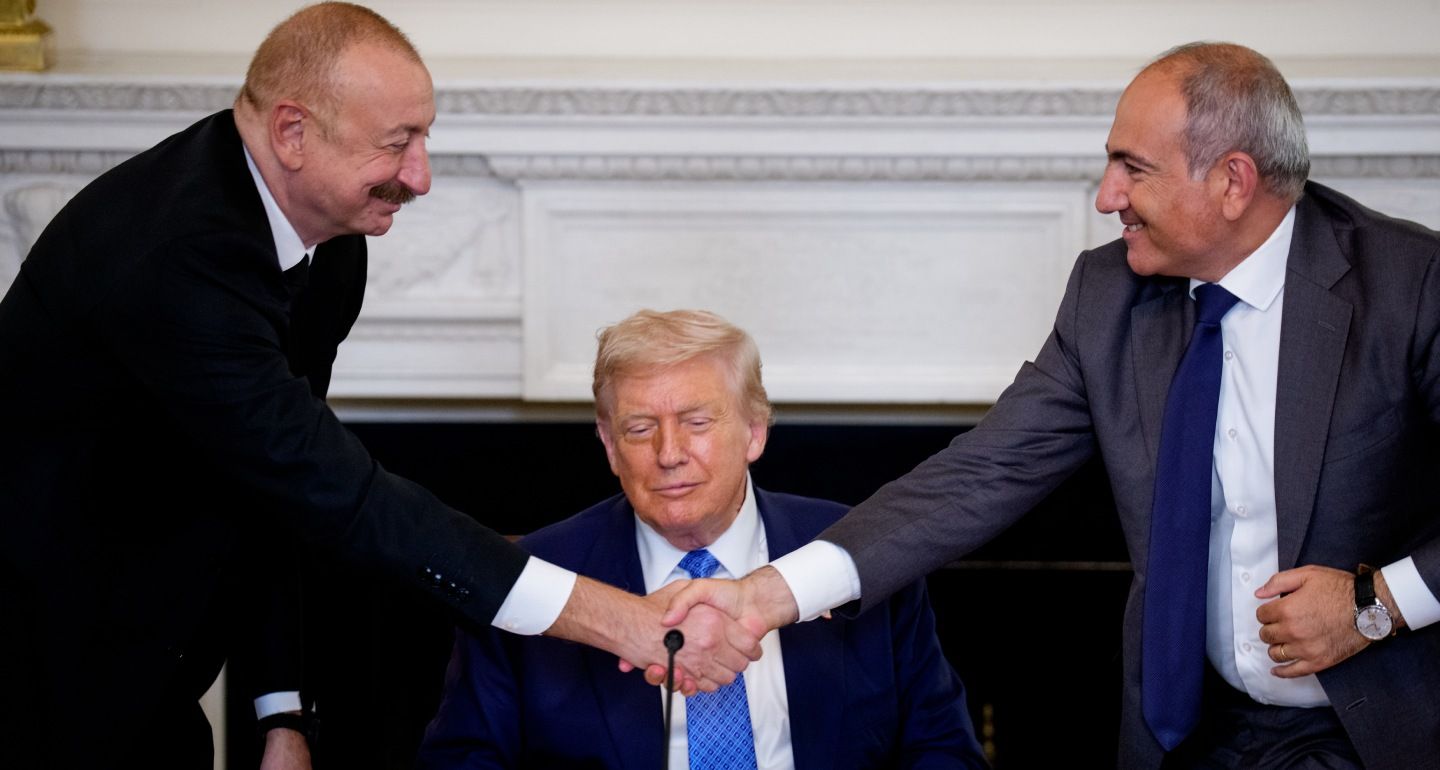
While signaling internationally that it wants peace, the Azerbaijani regime continues to promote anti-Armenian sentiment at home to mobilize domestic support.

Bashir Kitachaev
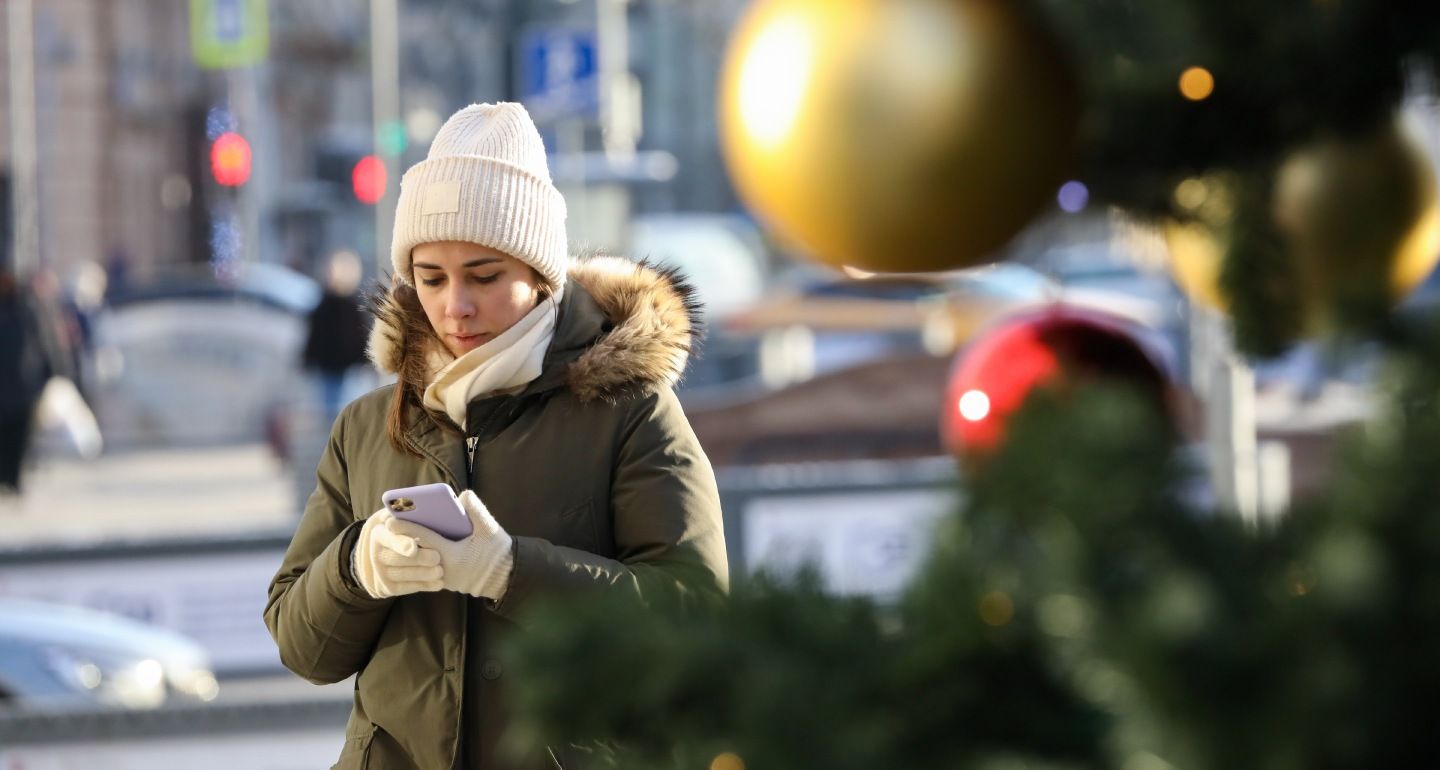
In an attempt to stop Ukrainian drones from reaching their targets, the Russian authorities have significantly ramped up online repression.

Maria Kolomychenko
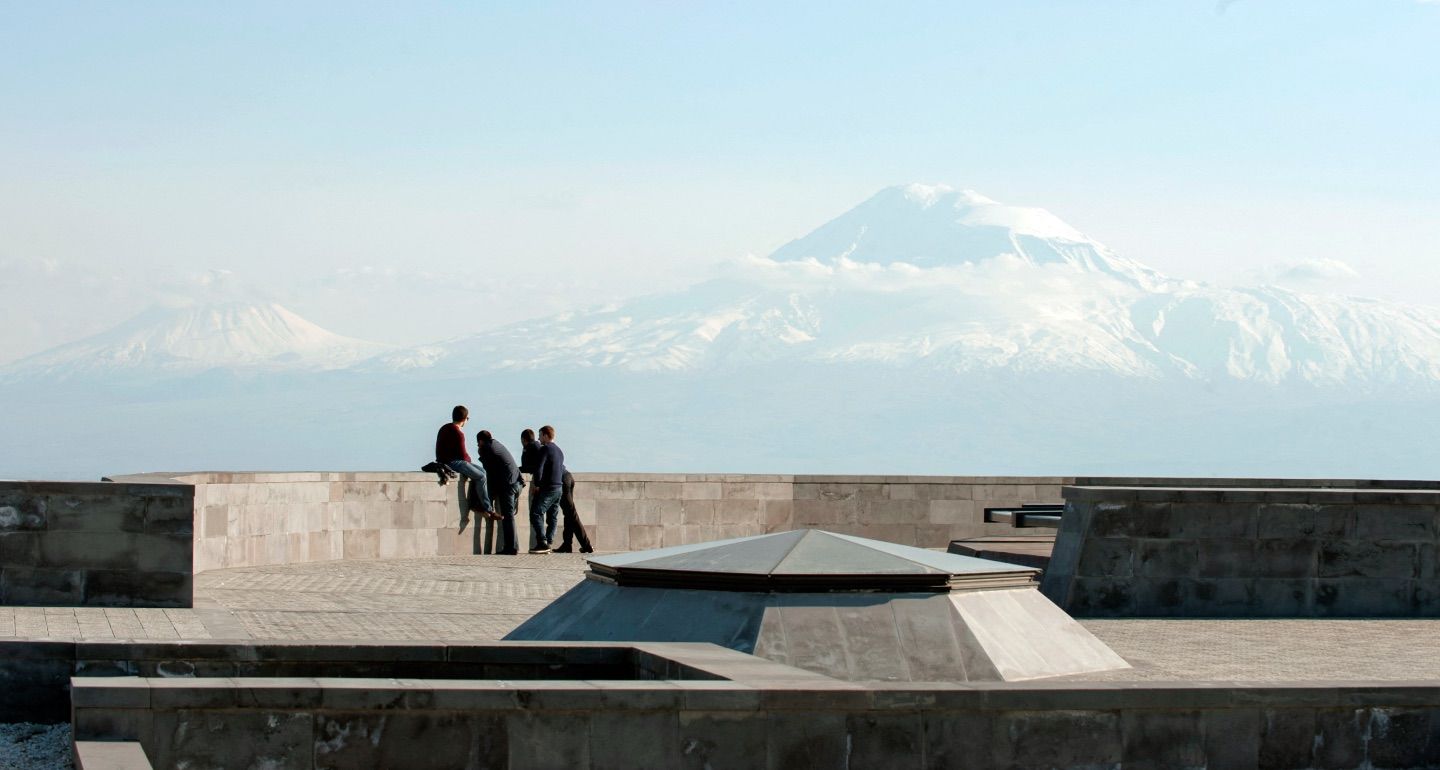
The Armenian government’s efforts to reshape foreign policy after Baku seized control of Nagorno-Karabakh require the country to grapple with its national identity: something far from all Armenians are prepared to do.
Mikayel Zolyan