

Commentary
Unexpectedly, Trump’s America appears to have replaced Putin’s Russia’s as the world’s biggest disruptor.
Alexander Baunov
{
  "authors": [
    "Ashley J. Tellis"
  ],
  "type": "questionAnswer",
  "centerAffiliationAll": "",
  "centers": [
    "Carnegie Endowment for International Peace",
    "Carnegie India"
  ],
  "collections": [],
  "englishNewsletterAll": "",
  "nonEnglishNewsletterAll": "",
  "primaryCenter": "Carnegie Endowment for International Peace",
  "programAffiliation": "",
  "programs": [
    "South Asia"
  ],
  "projects": [],
  "regions": [
    "North America",
    "United States",
    "South Asia",
    "India",
    "East Asia",
    "China"
  ],
  "topics": [
    "Foreign Policy"
  ]
}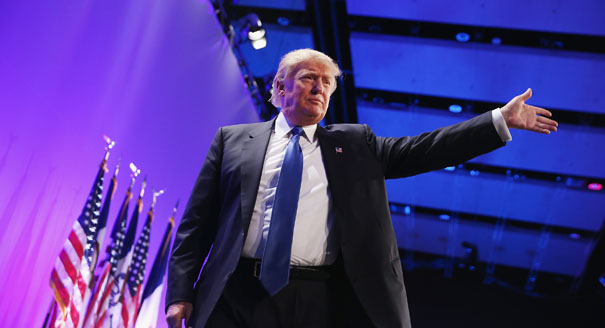
The upcoming meeting between Prime Minister Modi and President Trump offers a chance for Modi to clearly articulate India’s interests, and perhaps help Trump think of India as an opportunity.
Source: Asian Age
Ashley Tellis, who has over more than two decades provided much of the intellectual ballast that has shaped and underpinned the close India-U.S. relationship, says it is frustrating to watch American apathy and antipathy towards the liberal international order, and what it means for the India-U.S. relationship. Excerpts from an interview with S. Raghotham:
It is impossible to predict how PM Modi’s meetings with President Trump will go. The President is sufficiently unconventional as to make prediction impossible, but by all accounts he has been gracious — even while being direct — with leaders that he likes. He has had good conversations with PM Modi already. Admittedly, they were not substantive, but this visit will give both leaders a chance to go beyond atmospherics. Both capitals are making efforts to make the visit productive and to show that even Trump values the partnership with India.
President Trump obviously has a very different view of the United States in the world than his predecessors. Many decisions he has made so far have the potential to undermine important American interests — and India’s interests as well. But Trump, also unlike his predecessors, seems capable of undertaking sharp course reversals. Modi has an opportunity to take the measure of the man, articulate India’s interests, and describe the opportunities those interests provide for the U.S. I don’t think PM Modi can change Trump’s worldview. But he can help Trump to think of India as an opportunity rather than as a problem.
Trump’s U-turn on China is admittedly unsettling. But I see it primarily as a product of the urgency surrounding North Korea. Trump recognised that China could play an important role and he pivoted towards a partnership with Xi Jinping hoping he would be able to help limit the North Korean nuclear program. I am personally skeptical that Xi can deliver, and so are many senior officials in the administration. So when Xi fails to deliver — it is a matter of when, not if — Trump could well reverse himself and move back towards his originally hardline view of China. Irrespective of what Trump says or does now, nothing changes the objective reality that China and the U.S. are strategic competitors. Hopefully, an ‘America First’ President will come around to affirming that sooner rather than later.
I think Trump has an intuitive sense about India’s relevance. But unlike Presidents Bush and Obama, I do not think Trump views India’s significance in terms of a desirable global architecture — at least not yet. In fact, he seems deeply uncomfortable with any conception of international order. So, it will fall to PM Modi to make the case for India’s importance. Given Trump’s world view, I would not emphasize India’s value for something like the international order but merely mutual bilateral benefits.
Modi has opened Indian economy to foreign investment but he has done little to change India’s archaic trade policies. India’s still a considerably closed economy where trade is concerned. American grievances revolve around trade liberalisation.
Both leaders are indeed deal-makers, but I do not think there are any big deals to be made right now. If the Indian defence procurement process had moved along briskly, Modi could have brought with him some eye-catching gifts. But between New Delhi’s uncertainty about the U.S. commitment to India right now — a justifiable anxiety — and India’s languid defence procurement process, there are few things that would galvanise both sides. India could make decisions on longstanding U.S. desires for market access—the U.S. has clamoured for years to export poultry, almonds and the like to India—but even if Modi were to move on these, I would be hard pressed to label these “big deals.” What would matter to Trump is not gains in foreign policy but in the economic: enhanced market access in India, major Indian purchases of U.S. goods, Indian investments in the U.S., and the like. I’am sure Trump would welcome such gifts. Trump could make important offers of his own — the U.S. still has the capacity to put big things on the table in many areas — but we will have to wait and see.
You are right that the defence relationship is on autopilot, but that is largely because the Trump administration is still not fully staffed, nor does it have an India policy yet. So it is too much to expect that Trump will have any views on the specifics of bilateral defense cooperation. I think Trump understands India’s importance generally—this visit provides an opportunity to reinforce his best instincts about India and to make them the dominant premises of his approach towards India. India should do what it can to consolidate the promise of the strategic partnership. The logic and the necessity for such a deep affiliation is enduring. It will obviously outlast Trump. Modi should do his best to protect the investment he and his predecessors have made with Washington while preparing to double down on that venture when he finds the conditions propitious.
No, we do not. Hence, it is utterly frustrating for me to watch a prime minister who gambled heavily on the U.S. — and rightly so in the circumstances — now having to think defensively about protecting his investments in the face of rising Chinese assertiveness and a troubling combination of American apathy and antipathy towards the liberal international order.
Carnegie does not take institutional positions on public policy issues; the views represented herein are those of the author(s) and do not necessarily reflect the views of Carnegie, its staff, or its trustees.
Unexpectedly, Trump’s America appears to have replaced Putin’s Russia’s as the world’s biggest disruptor.
Alexander Baunov
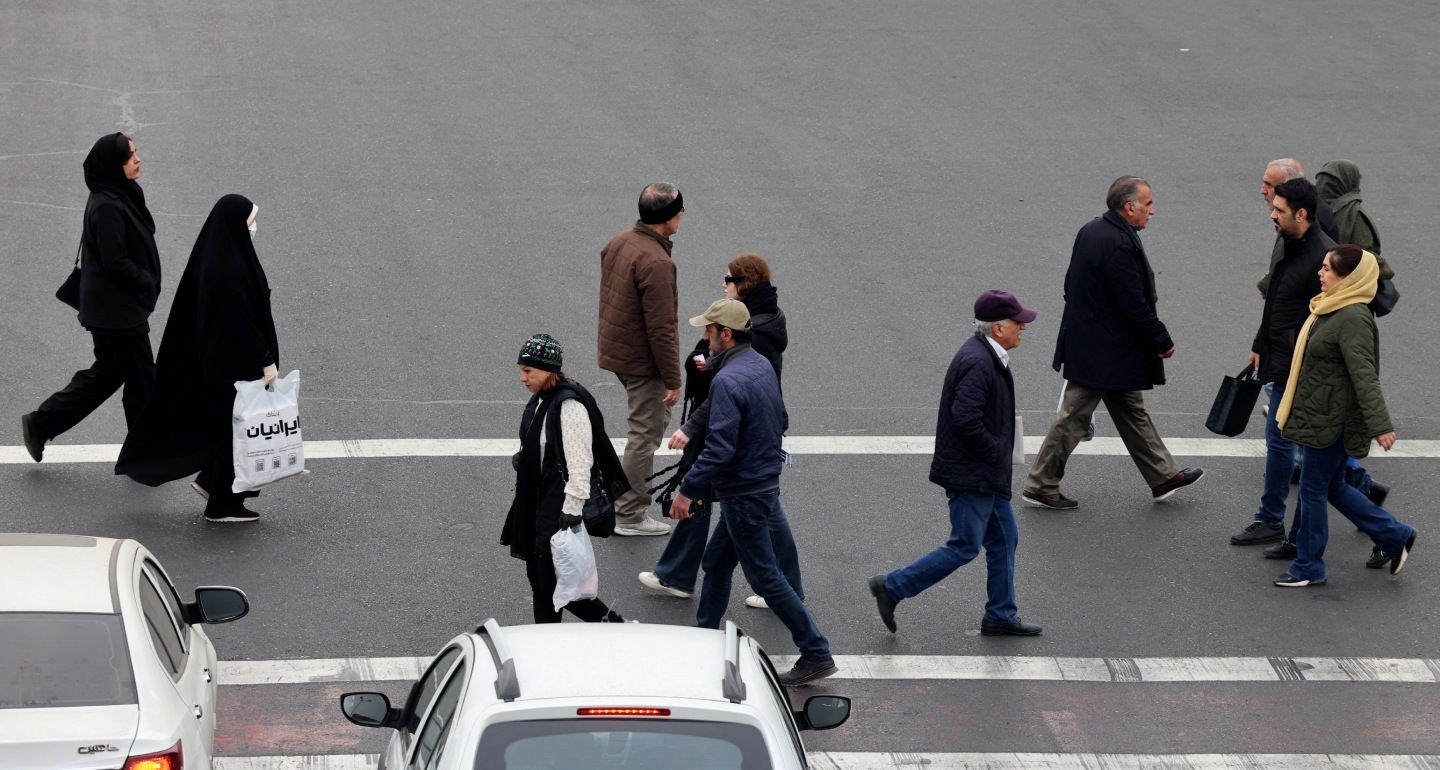
Baku may allow radical nationalists to publicly discuss “reunification” with Azeri Iranians, but the president and key officials prefer not to comment publicly on the protests in Iran.

Bashir Kitachaev
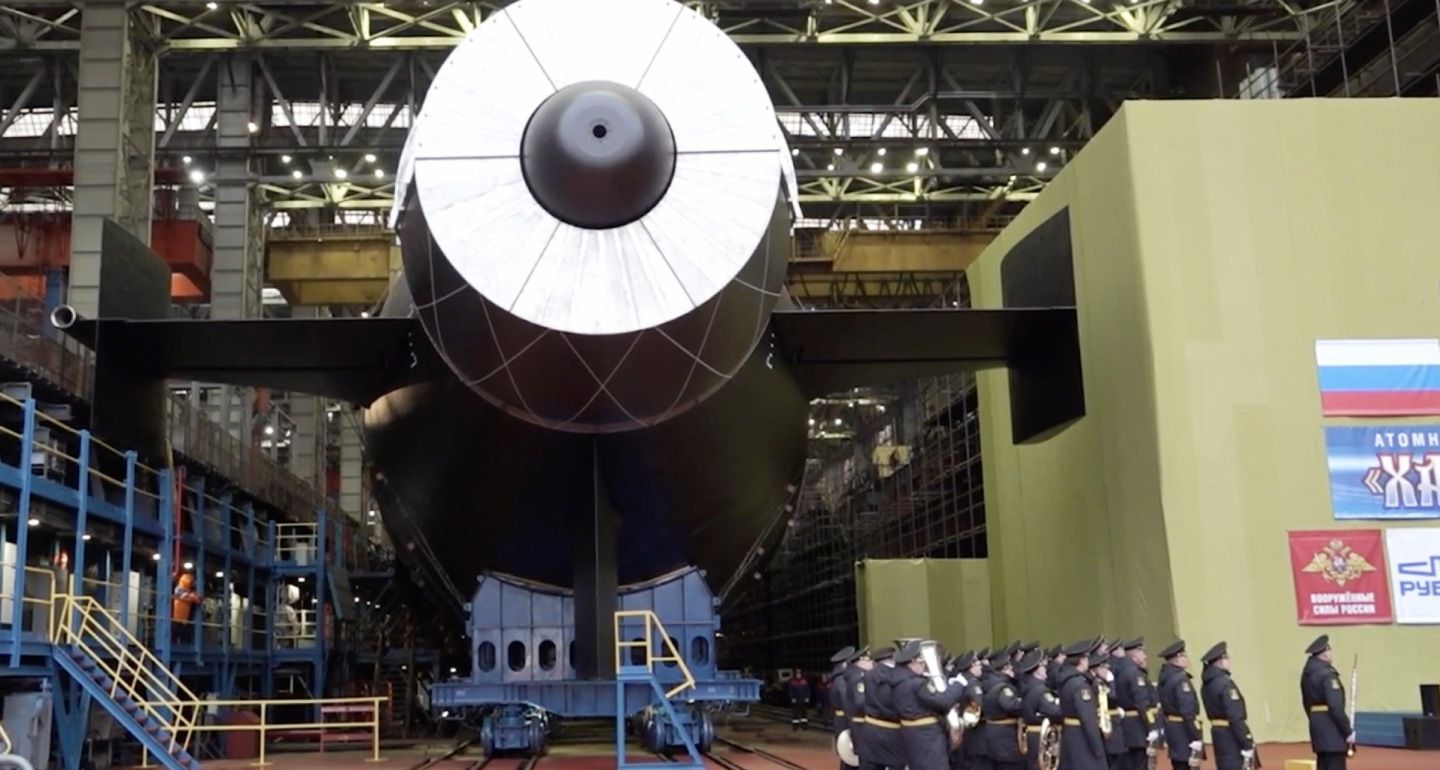
The Kremlin will only be prepared to negotiate strategic arms limitations if it is confident it can secure significant concessions from the United States. Otherwise, meaningful dialogue is unlikely, and the international system of strategic stability will continue to teeter on the brink of total collapse.

Maxim Starchak
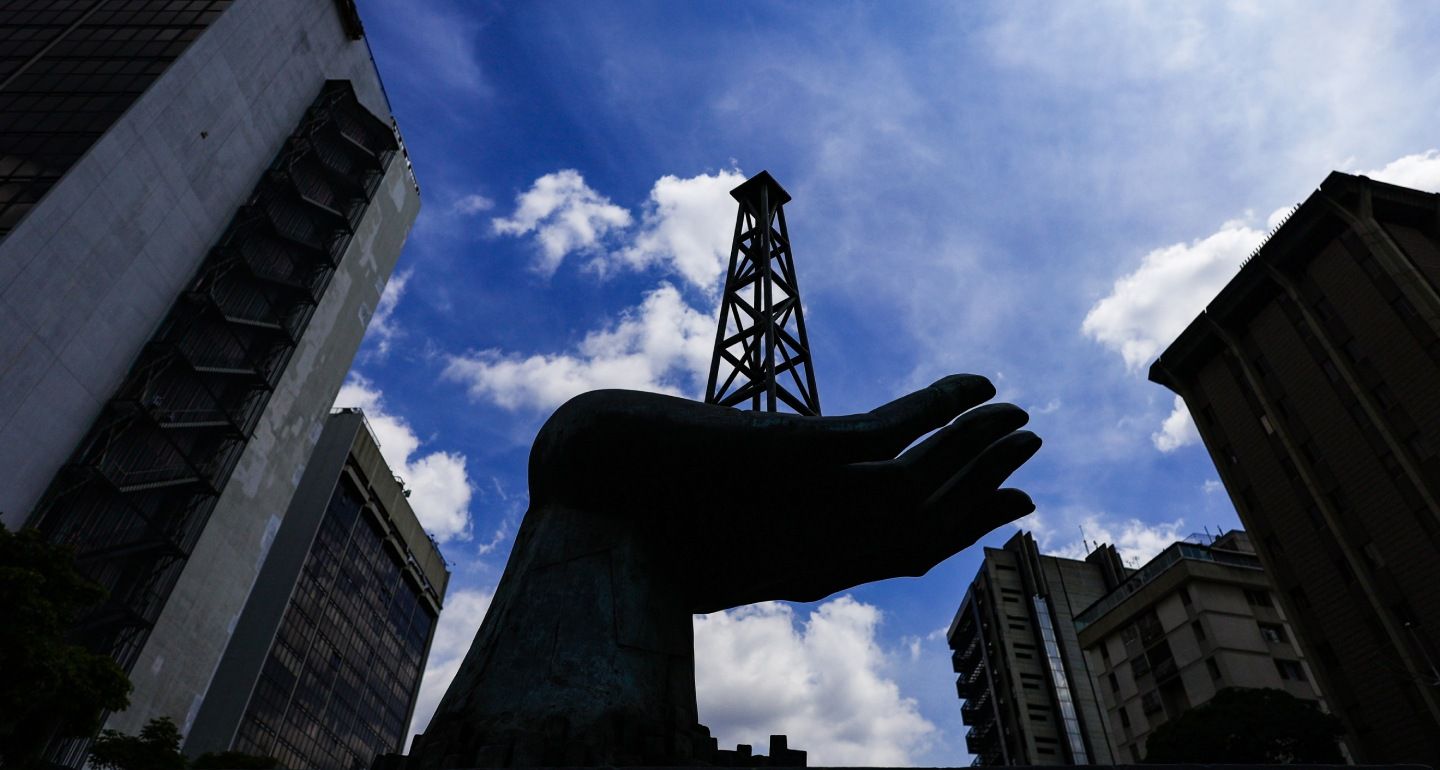
Geological complexity and years of mismanagement mean the Venezuelan oil industry is not the big prize officials in Moscow and Washington appear to believe.
Sergey Vakulenko
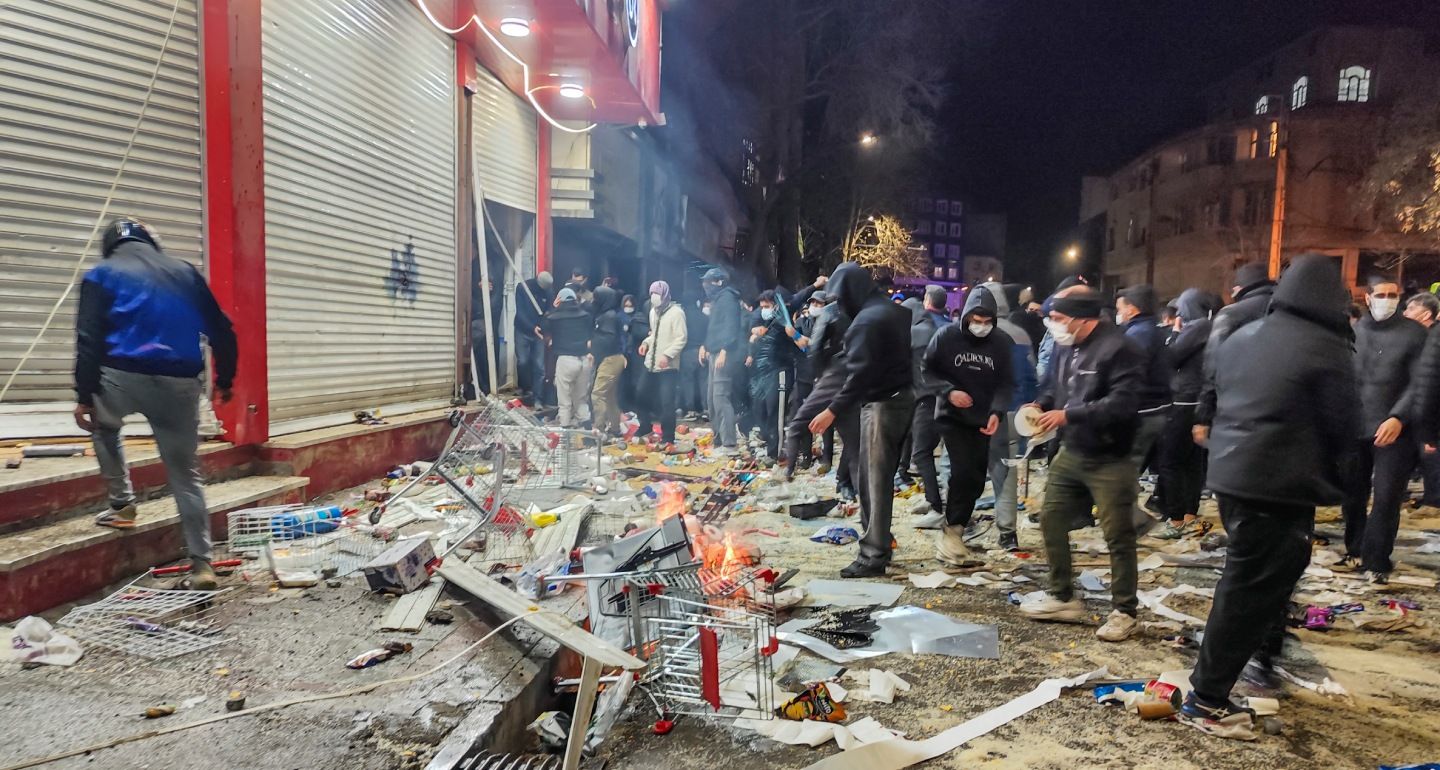
It’s one thing to export Russian helicopters to Iran to fight the insurgency, and it’s easy to imagine Moscow becoming a haven for fleeing Iranian leaders. But it’s very difficult to imagine Russian troops defending the Iranian regime on the ground.
Nikita Smagin