

Commentary
What should happen when sanctions designed to weaken the Belarusian regime end up enriching and strengthening the Kremlin?
Denis Kishinevsky
{
  "authors": [
    "Matt Ferchen"
  ],
  "type": "legacyinthemedia",
  "centerAffiliationAll": "",
  "centers": [
    "Carnegie Endowment for International Peace",
    "Carnegie China"
  ],
  "collections": [
    "China and the Developing World",
    "China’s Foreign Relations"
  ],
  "englishNewsletterAll": "",
  "nonEnglishNewsletterAll": "",
  "primaryCenter": "Carnegie China",
  "programAffiliation": "",
  "programs": [],
  "projects": [],
  "regions": [
    "North America",
    "United States",
    "South America",
    "East Asia",
    "China"
  ],
  "topics": [
    "Economy",
    "Trade",
    "Foreign Policy"
  ]
}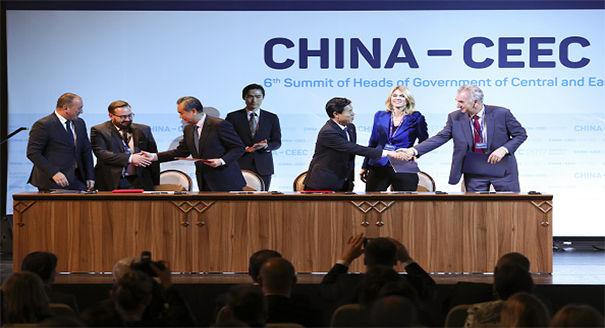
It is Trump administration policies and attitudes that have provided China a rhetorical opening in Latin America at a time when China’s economic and political relations with the region face serious challenges.
Source: Latin America Advisor
Inter-American Dialogue: Peruvian Trade Minister Eduardo Ferreyros on Feb. 6 defended China as a good trade partner for the South American country. His comments came days after U.S. Secretary of State Rex Tillerson said in a speech that “China’s offer always comes at a price” and cautioned Latin American countries against reliance on “new imperial powers that seek only to benefit their own people.” Are Latin American countries relying too much on China? What are the main benefits and drawbacks countries are experiencing from their economic and political links with China? What factors have led to increased Chinese investment and influence in Latin America? How does China’s approach to engagement with Latin America differ from that of the United States?
Matt Ferchen: Secretary Tillerson’s warning to Latin American countries to be wary of China’s role in the region is best understood as part of a broader pushback by the Trump administration against the perceived threats of China’s mercantilist economic statecraft around the world. Yet the timing and content of his comments are both misconceived. American credibility with its southern neighbors is at a low ebb, given President Trump’s hostility toward Mexico and toward Latino immigrants in general. At the same time, claims of Chinese mercantilist practices in Latin America are largely off base given that trade ties, which in some South American cases certainly have exacerbated concerns about heightened commodity dependency, have mostly capitalized on simple comparative advantage. No matter the timing, American lectures to Latin Americans on how to conduct their foreign policy are self-defeating. If anything, it is Trump administration policies and attitudes that have provided China a rhetorical opening in Latin America at a time when China’s economic and political relations with the region face serious challenges. In the post commodity boom era, the ‘win-win’ trade story is no longer as easy to sell to Latin American publics, while promises of Chinese investment and infrastructure deals often fail to meet the hype. But as always, Venezuela remains the most difficult economic and political challenge for China, and it is here where the trading of diplomatic jibes between the United States and China is most unproductive. Along with Venezuela’s Latin American neighbors, American and Chinese interests in helping Venezuela move off the path of self-immiseration should create, not foreclose, an opening for creative diplomacy.Carnegie does not take institutional positions on public policy issues; the views represented herein are those of the author(s) and do not necessarily reflect the views of Carnegie, its staff, or its trustees.
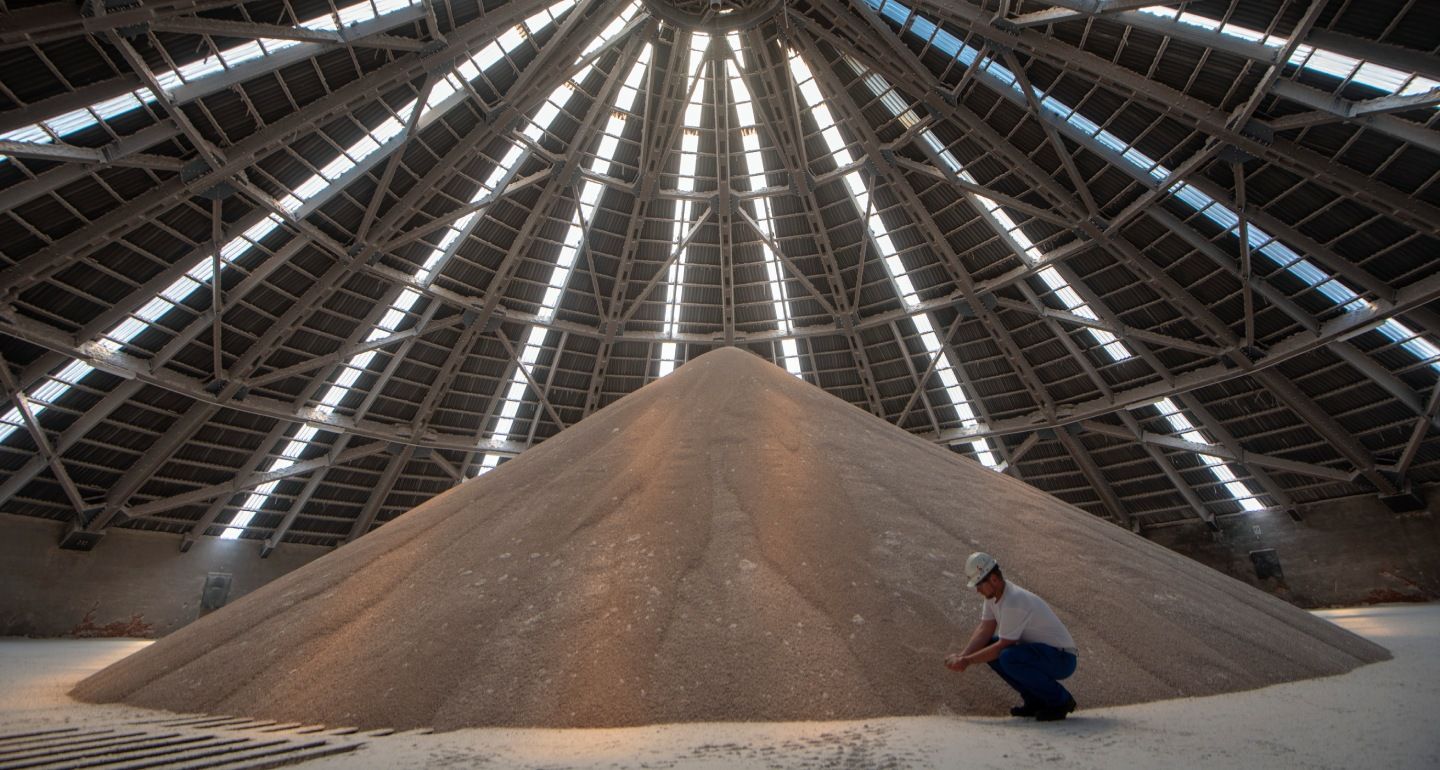
What should happen when sanctions designed to weaken the Belarusian regime end up enriching and strengthening the Kremlin?

Denis Kishinevsky
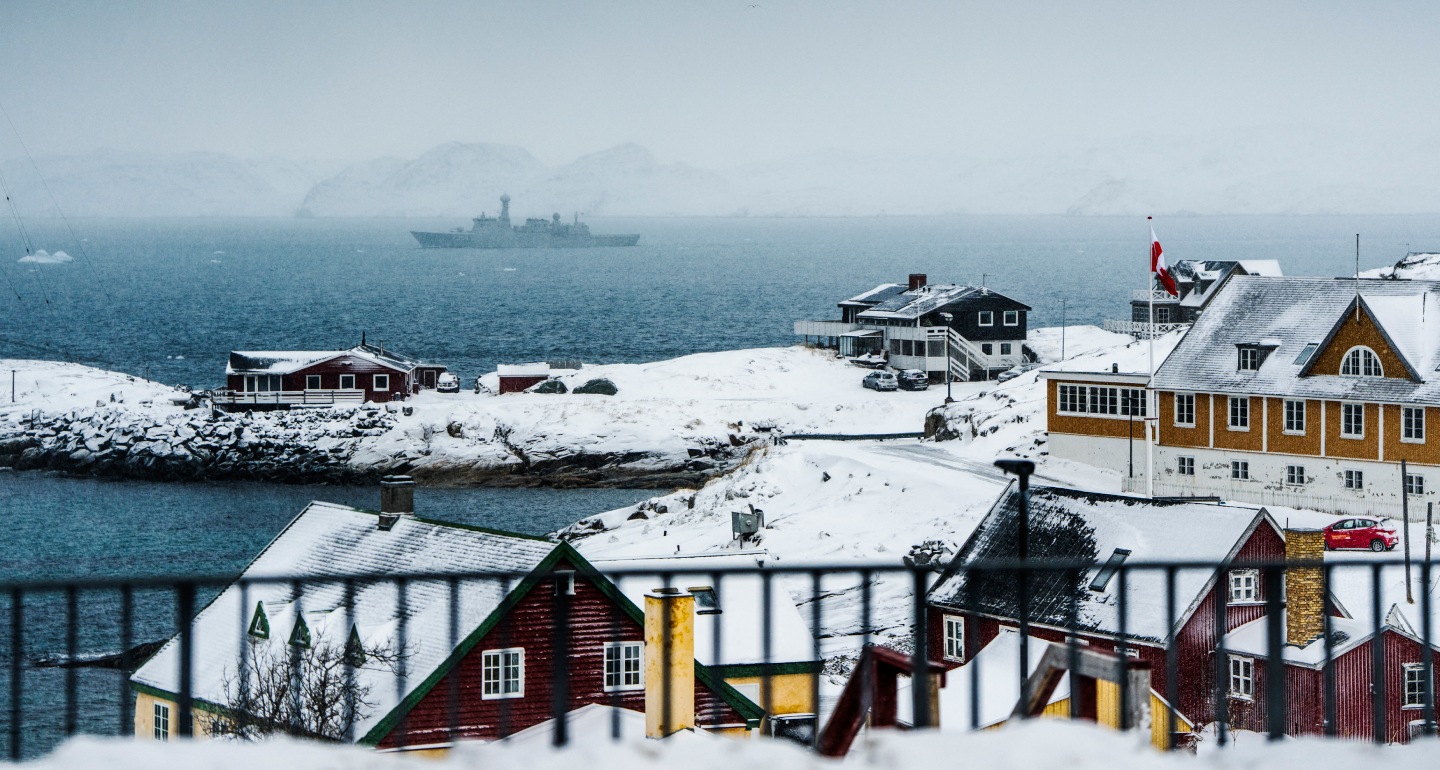
The supposed threats from China and Russia pose far less of a danger to both Greenland and the Arctic than the prospect of an unscrupulous takeover of the island.

Andrei Dagaev

Western negotiators often believe territory is just a bargaining chip when it comes to peace in Ukraine, but Putin is obsessed with empire-building.

Andrey Pertsev
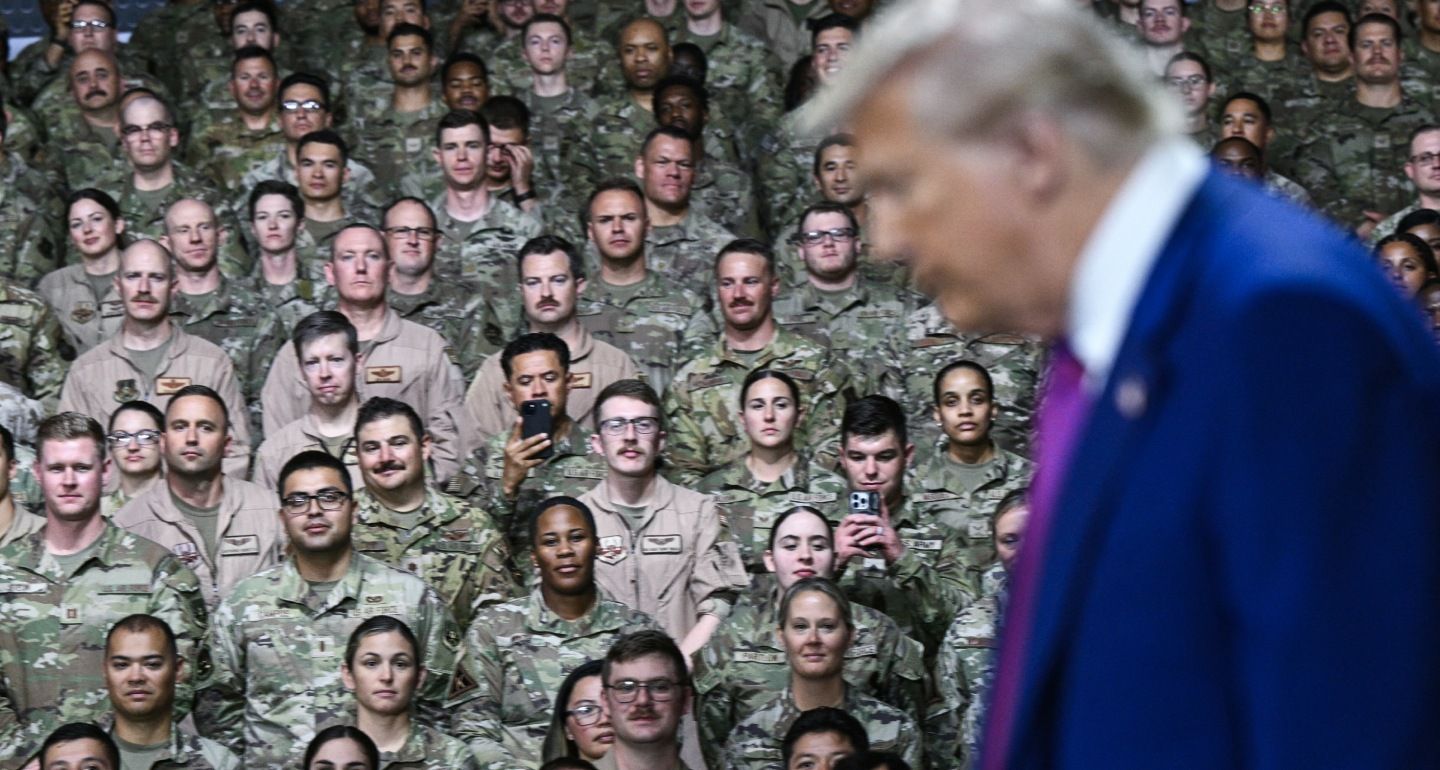
Unexpectedly, Trump’s America appears to have replaced Putin’s Russia’s as the world’s biggest disruptor.
Alexander Baunov
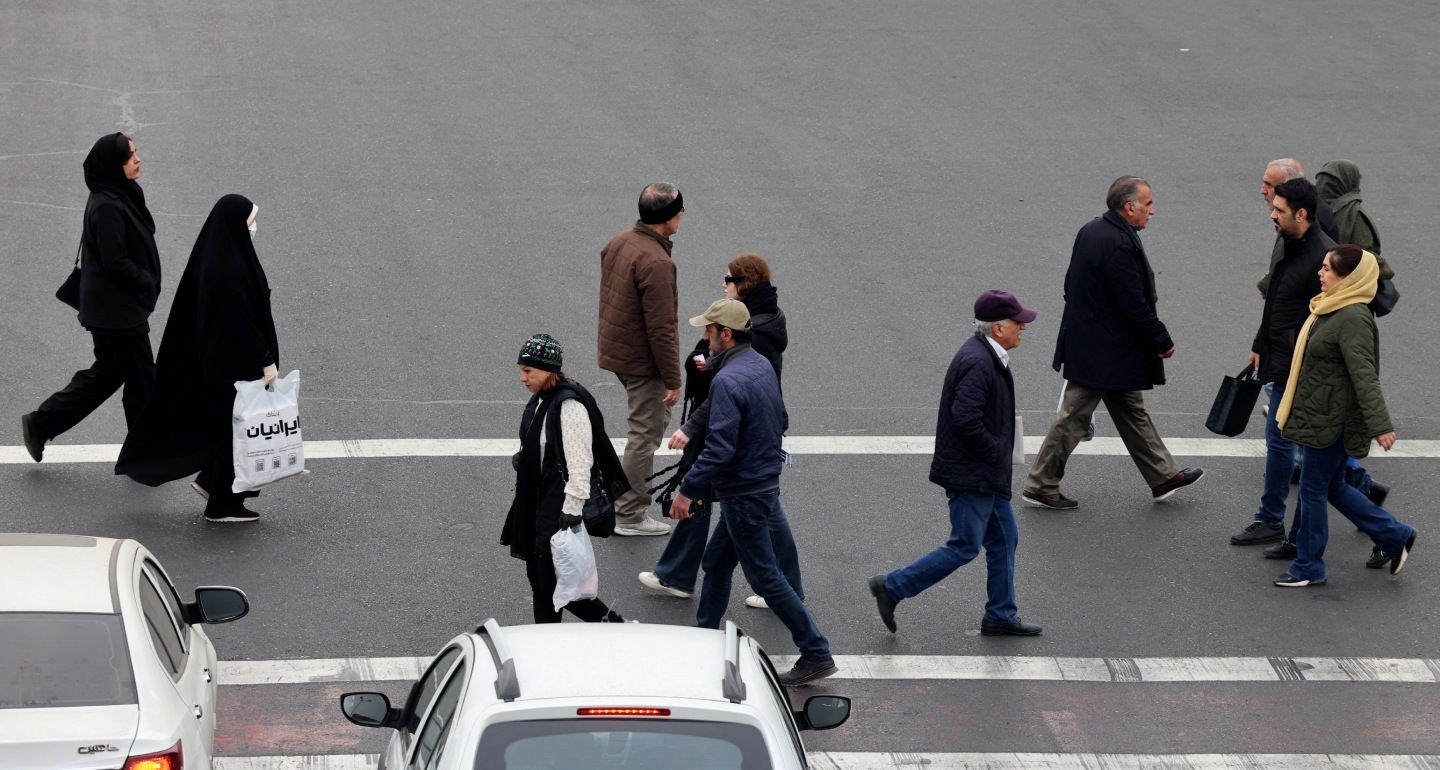
Baku may allow radical nationalists to publicly discuss “reunification” with Azeri Iranians, but the president and key officials prefer not to comment publicly on the protests in Iran.

Bashir Kitachaev