

Commentary
Baku may allow radical nationalists to publicly discuss “reunification” with Azeri Iranians, but the president and key officials prefer not to comment publicly on the protests in Iran.
Bashir Kitachaev
{
  "authors": [
    "James M. Acton"
  ],
  "type": "legacyinthemedia",
  "centerAffiliationAll": "",
  "centers": [
    "Carnegie Endowment for International Peace",
    "Carnegie Russia Eurasia Center"
  ],
  "collections": [
    "U.S. Nuclear Policy",
    "Entanglement"
  ],
  "englishNewsletterAll": "",
  "nonEnglishNewsletterAll": "",
  "primaryCenter": "Carnegie Endowment for International Peace",
  "programAffiliation": "",
  "programs": [
    "Nuclear Policy"
  ],
  "projects": [],
  "regions": [
    "North America",
    "United States",
    "East Asia",
    "China",
    "Russia"
  ],
  "topics": [
    "Security",
    "Nuclear Policy",
    "Global Governance",
    "Foreign Policy",
    "Technology"
  ]
}
Nonnuclear weapons are increasingly able to threaten dual-use command, control, communication, and intelligence assets that are spaced based or distant from probable theaters of conflict.
Source: International Security
Nonnuclear weapons are increasingly able to threaten dual-use command, control, communication, and intelligence assets that are spaced based or distant from probable theaters of conflict. This form of “entanglement” between nuclear and nonnuclear capabilities creates the potential for Chinese or Russian nonnuclear strikes against the United States or U.S. strikes against either China or Russia to spark inadvertent nuclear escalation. Escalation pressures could be generated through crisis instability or through one of two newly identified mechanisms: “misinterpreted warning” or the “damage-limitation window.” The vulnerability of dual-use U.S. early-warning assets provides a concrete demonstration of the risks. These risks would be serious for two reasons. First, in a conventional conflict against the United States, China or Russia would have strong incentives to launch kinetic strikes on U.S. early-warning assets. Second, even limited strikes could undermine the United States' ability to monitor nuclear attacks by the adversary. Moreover, cyber interference with dual-use early-warning assets would create the additional danger of the target's misinterpreting cyber espionage as a destructive attack. Today, the only feasible starting point for efforts to reduce the escalation risks created by entanglement would be unilateral measures—in particular, organizational reform to ensure that those risks received adequate consideration in war planning, acquisition decisions, and crisis decisionmaking. Over the longer term, unilateral measures might pave the way for more challenging cooperative measures, such as agreed restrictions on threatening behavior.
Since first publishing this article, it has become clear to me that one of my arguments risks being misunderstood as implying that the United States has the capability to successfully undermine China’s or Russia’s nuclear deterrents. I argue that if the United States became concerned that its nuclear command, control, communication, and intelligence system was about to be attacked, it “could worry that its window of opportunity for conducting effective damage-limitation operations might have closed by the time the war turned nuclear.” I further argue that this concern—which I term the “damage-limitation window”—could spark escalation.
My point here is not that the United States has the capability to conduct effective damage-limitation operations. In fact, I have long argued that, today and for the foreseeable future, the United States could not deprive either China or Russia of its second-strike capability. Nonetheless, the United States openly acknowledges that it plans for damage-limitation operations. Even though these operations would almost certainly prove ineffective, in a large-scale conflict, decisionmakers might be reluctant to abandon the option of conducting them (not least because political leaders might not fully understand the full extent of their probable ineffectiveness). For this reason, the damage-limitation window could prove escalatory even as China and Russia retain survivable second-strike capabilities.
This preface was added based on feedback received after publication.
This article was originally published in International Security.
Carnegie does not take institutional positions on public policy issues; the views represented herein are those of the author(s) and do not necessarily reflect the views of Carnegie, its staff, or its trustees.

Baku may allow radical nationalists to publicly discuss “reunification” with Azeri Iranians, but the president and key officials prefer not to comment publicly on the protests in Iran.

Bashir Kitachaev
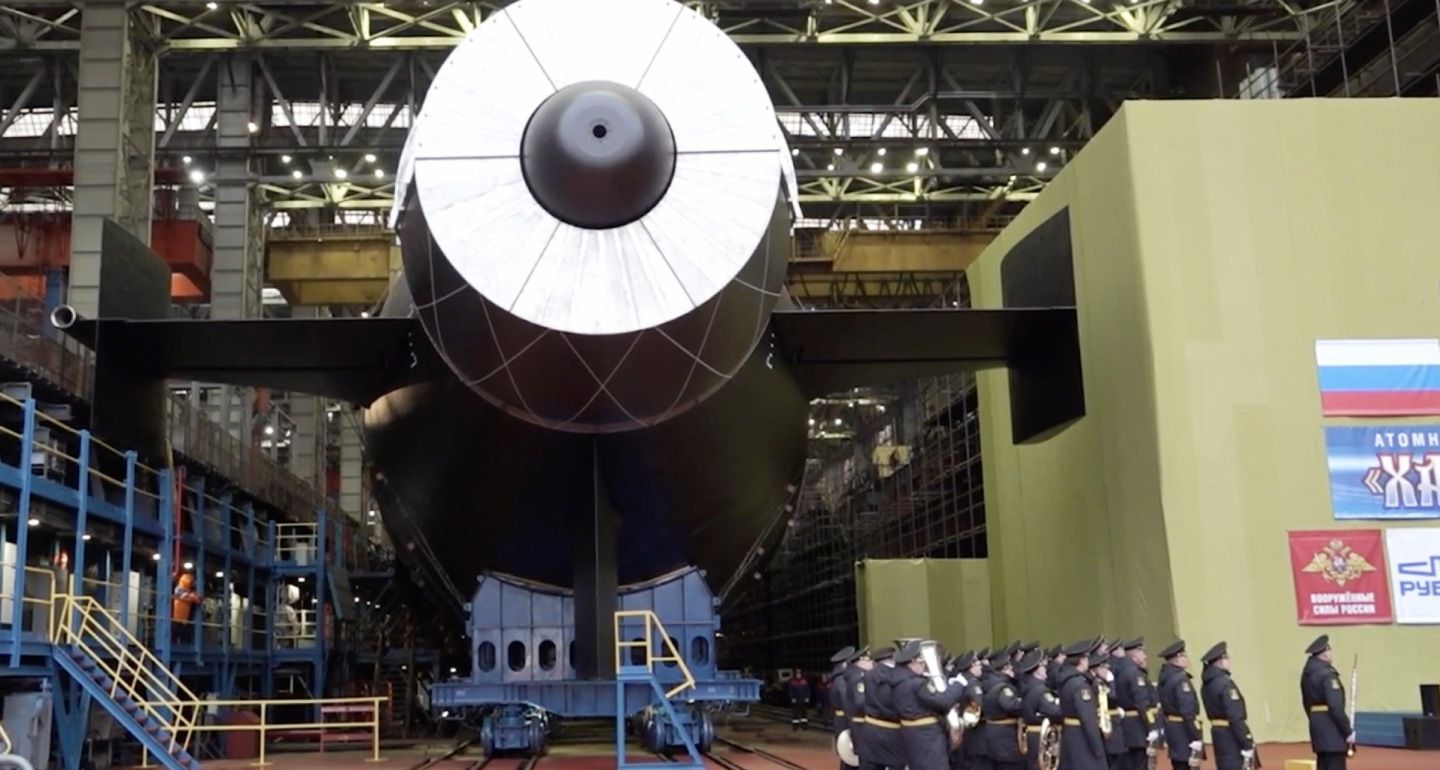
The Kremlin will only be prepared to negotiate strategic arms limitations if it is confident it can secure significant concessions from the United States. Otherwise, meaningful dialogue is unlikely, and the international system of strategic stability will continue to teeter on the brink of total collapse.

Maxim Starchak
For years, the Russian government has promoted “sovereign” digital services as an alternative to Western ones and introduced more and more online restrictions “for security purposes.” In practice, these homegrown solutions leave people vulnerable to data leaks and fraud.

Maria Kolomychenko
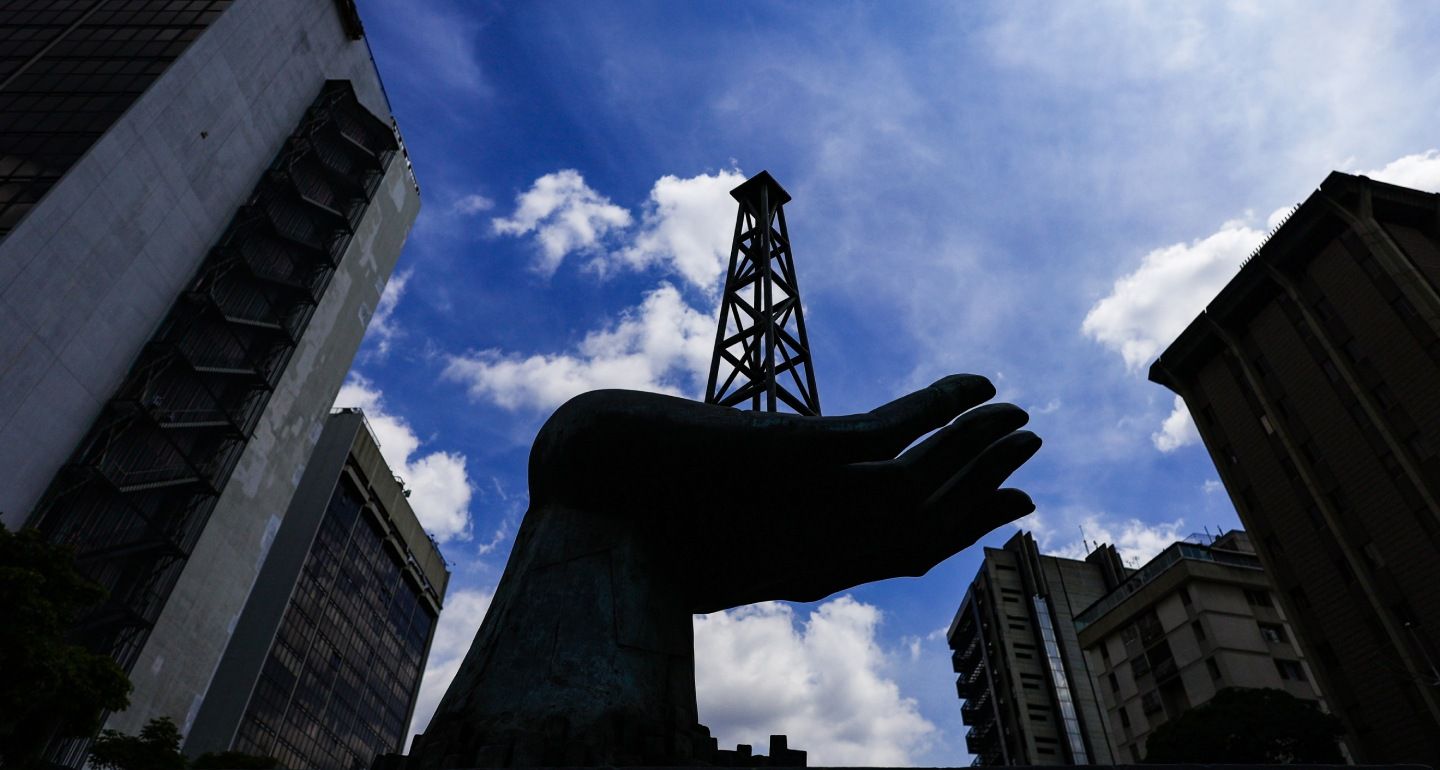
Geological complexity and years of mismanagement mean the Venezuelan oil industry is not the big prize officials in Moscow and Washington appear to believe.

Sergey Vakulenko
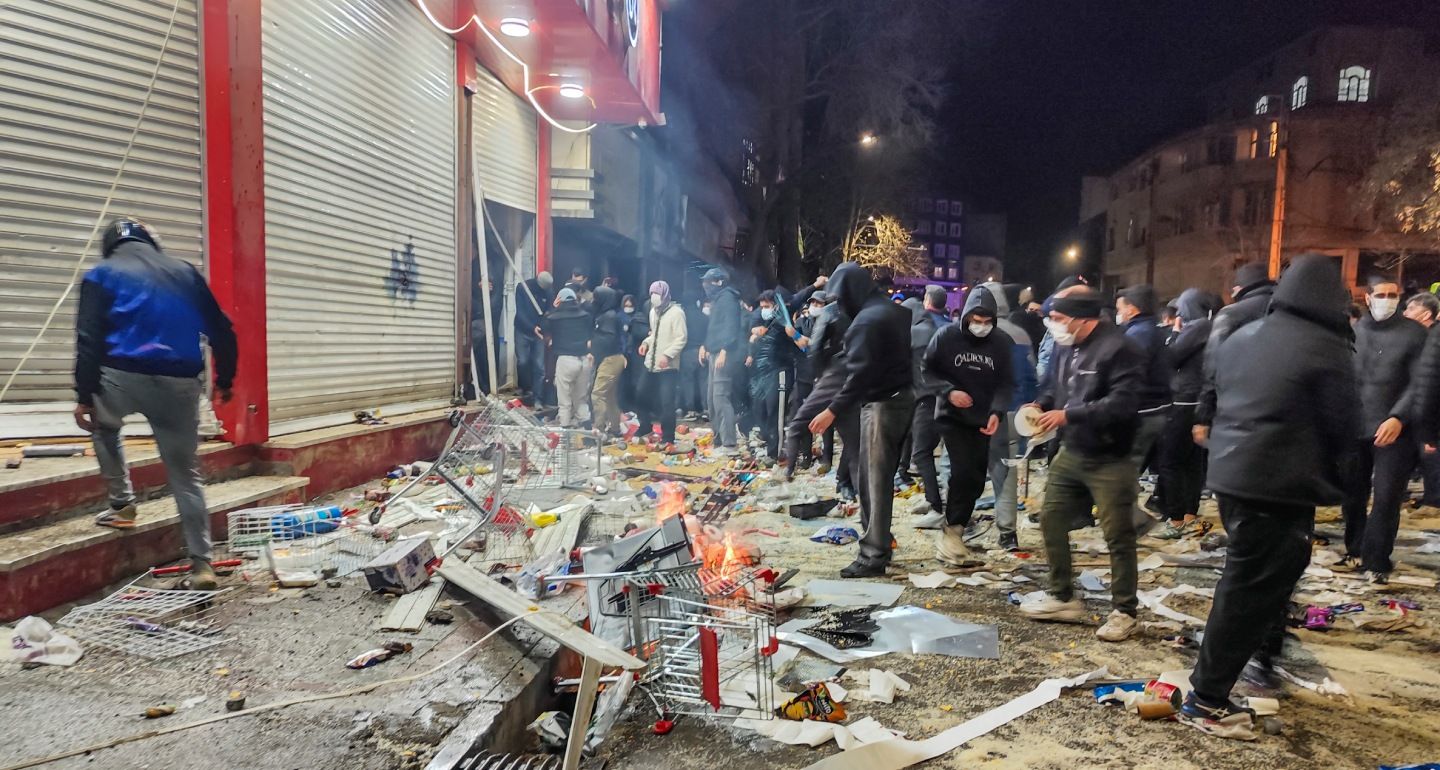
It’s one thing to export Russian helicopters to Iran to fight the insurgency, and it’s easy to imagine Moscow becoming a haven for fleeing Iranian leaders. But it’s very difficult to imagine Russian troops defending the Iranian regime on the ground.

Nikita Smagin