• Research
  • Politika
  • About
Carnegie Russia Eurasia center logoCarnegie lettermark logo
  • Donate
{
  "authors": [
    "Michele Dunne",
    "Andrew Miller"
  ],
  "type": "commentary",
  "centerAffiliationAll": "",
  "centers": [
    "Carnegie Endowment for International Peace"
  ],
  "collections": [],
  "englishNewsletterAll": "",
  "nonEnglishNewsletterAll": "",
  "primaryCenter": "Carnegie Endowment for International Peace",
  "programAffiliation": "",
  "programs": [
    "Middle East"
  ],
  "projects": [],
  "regions": [
    "North Africa",
    "Egypt"
  ],
  "topics": [
    "Political Reform",
    "Foreign Policy"
  ]
}

Source: Getty

Commentary

Nine Reasons Why Declaring the Muslim Brotherhood a Terrorist Organization Would Be a Mistake

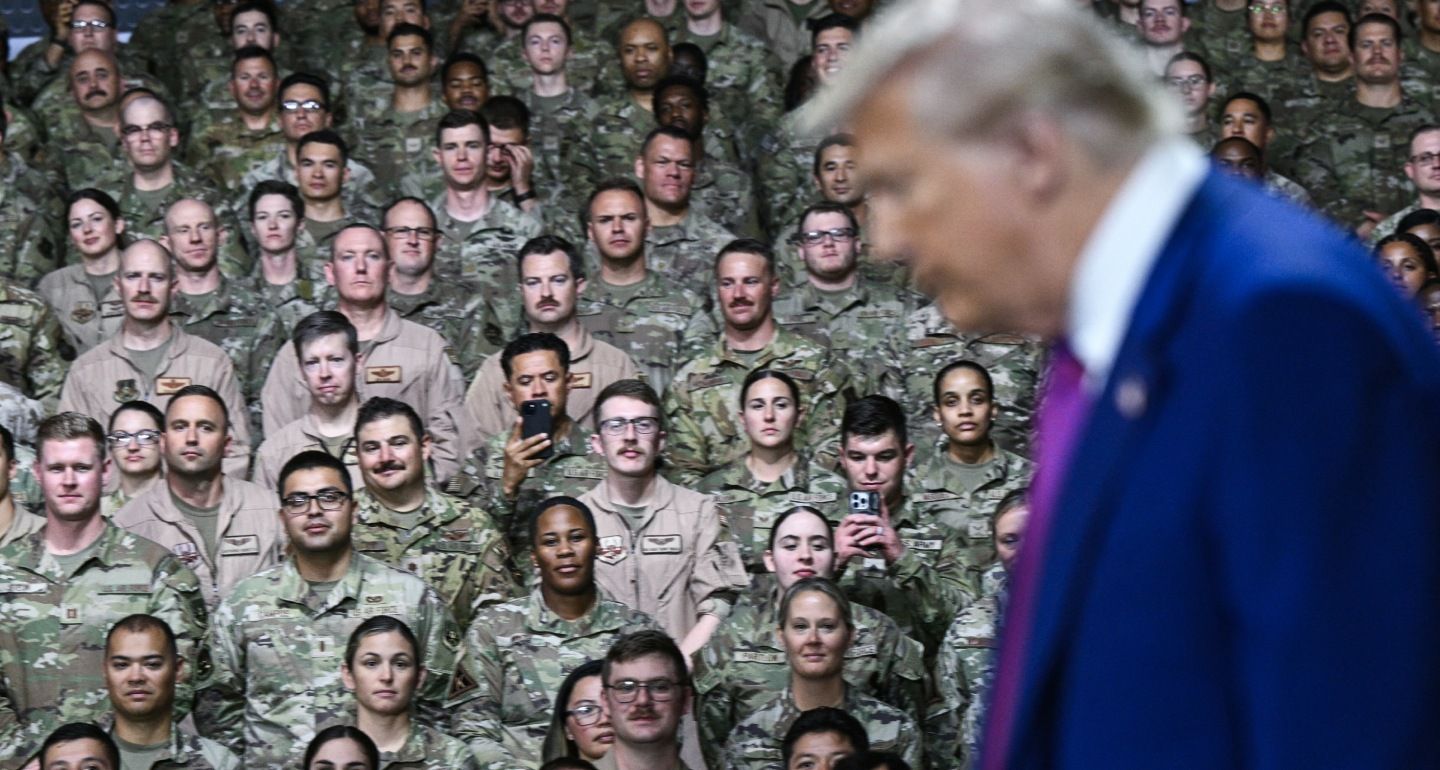
U.S. President Donald Trump wishes to designate the Muslim Brotherhood, a collection of loosely affiliated Islamist groups, as a terrorist organization. Here is why that would be deeply unwise.

Link Copied
By Michele Dunne and Andrew Miller
Published on May 3, 2019

There are legal, diplomatic, pragmatic, and civil rights reasons why such a designation would undermine efforts to keep Americans safe from terrorism.

  1. The Muslim Brotherhood (MB) does not fit the legal definition of a foreign terrorist organization. There is no credible evidence that, as an organization, it is using violence to pursue political aims, and it has not deliberately targeted Americans.
  2. The few offshoots of the Muslim Brotherhood that have become violent—Hamas, Hassm, Liwa al-Thawra—have already been designated as terrorist organizations. Designating the Muslim Brotherhood more broadly would not give the United States added tools to go after these groups.
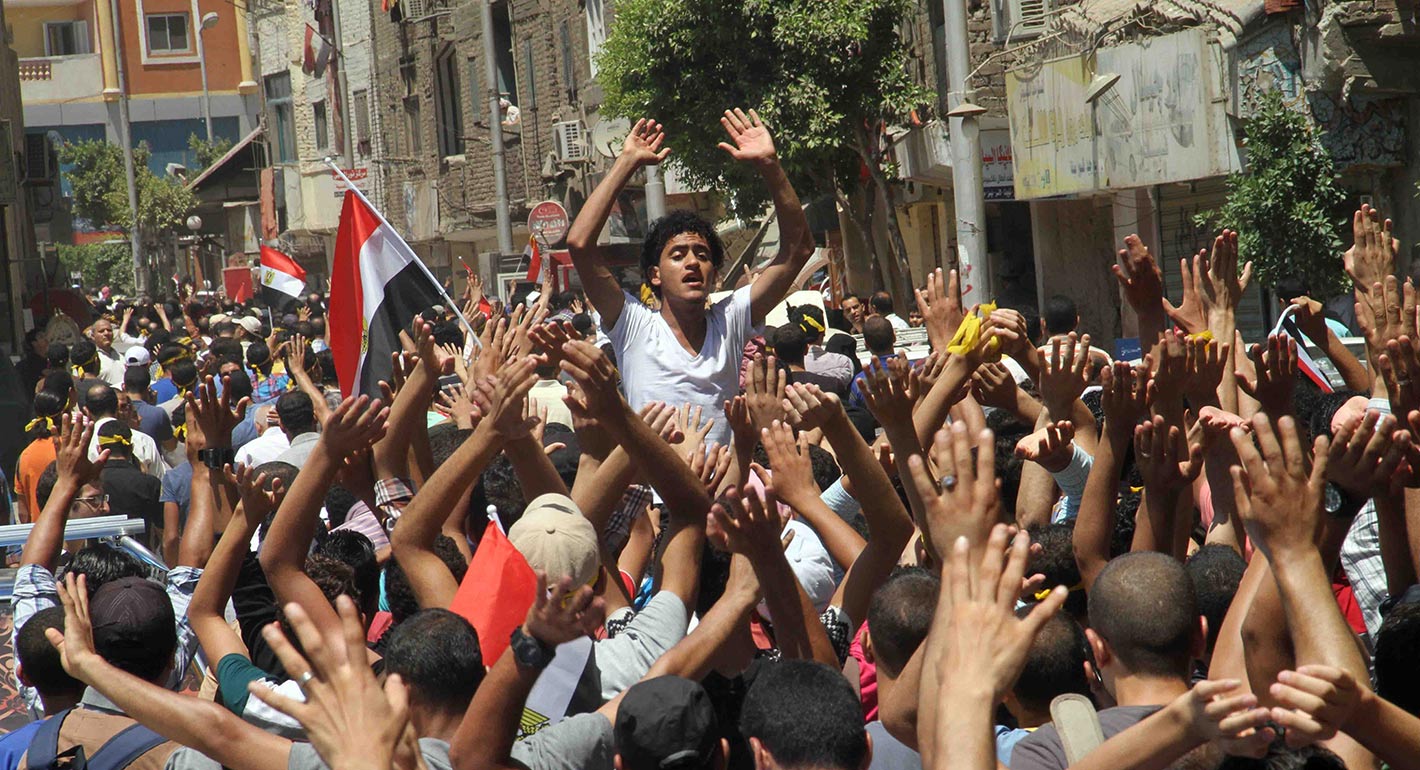
  3. Sweepingly targeting the Muslim Brotherhood would create a cascade of diplomatic problems because political parties with Brotherhood roots serve in parliaments and even governments in many countries. But even a narrower designation of a single Muslim Brotherhood chapter, such as the Egyptian Muslim Brotherhood, would still do just as much damage to U.S. interests for all the reasons that follow.
  4. U.S. law does not permit designation based only on ideology rather than violent actions. To do so would politicize the process.
  5. By joining countries (for example, Egypt, Saudi Arabia, and the U.A.E.) that designate groups as terrorist for political reasons, the United States would tarnish the international legitimacy of its other designations and erode the credibility of its counterterrorism efforts.
  6. Anti-U.S. sentiment among Muslims worldwide would rise. Most Muslims around the world would see the designation as the latest of a series of anti-Muslim steps by the Trump administration, such as the travel ban and the changed U.S. policy on Jerusalem. The U.S. president already stands accused of stoking Islamophobia internationally.
  7. The self-proclaimed Islamic State and al-Qaeda would celebrate such a designation as vindication of their argument that non-violent political activity is futile. They would use the designation in their efforts to recruit desperate and isolated Islamist youth, who once believed in peaceful politics.
  8. Designation could bring devastating consequences for Muslims in the United States, who currently make up less than 2 percent of the population. Anyone suspected of ties to the organization could risk having their assets frozen, or could be deported if they are not citizens. Islamophobic groups—with contacts inside the Trump administration—would press the FBI to investigate every U.S. mosque or Muslim charity for possible ties to Muslim Brotherhood-supported hospitals, clinics, and religious organizations throughout the world.
  9. Designating the Muslim Brotherhood would inevitably divert U.S. counterterrorism resources away from the real terrorists that are actually seeking to kill Americans, such as branches of the Islamic State and al-Qaeda.

In the end, designating the Muslim Brotherhood as a foreign terrorist organization would be a counterproductive political stunt that would make all Americans less safe.

Authors

Michele Dunne
Former Nonresident Scholar, Middle East Program
Michele Dunne
Andrew Miller
Former Nonresident Scholar, Middle East Program
Political ReformForeign PolicyNorth AfricaEgypt

Carnegie does not take institutional positions on public policy issues; the views represented herein are those of the author(s) and do not necessarily reflect the views of Carnegie, its staff, or its trustees.

More Work from Carnegie Russia Eurasia Center

  • Commentary
    Carnegie Politika
    A New World Police: How Chinese Security Became a Global Export

    China has found a unique niche for itself within the global security ecosystem, eschewing military alliances to instead bolster countries’ internal stability using law enforcement. Authoritarian regimes from the Central African Republic to Uzbekistan are signing up.

      Temur Umarov
  • Commentary
    Carnegie Politika
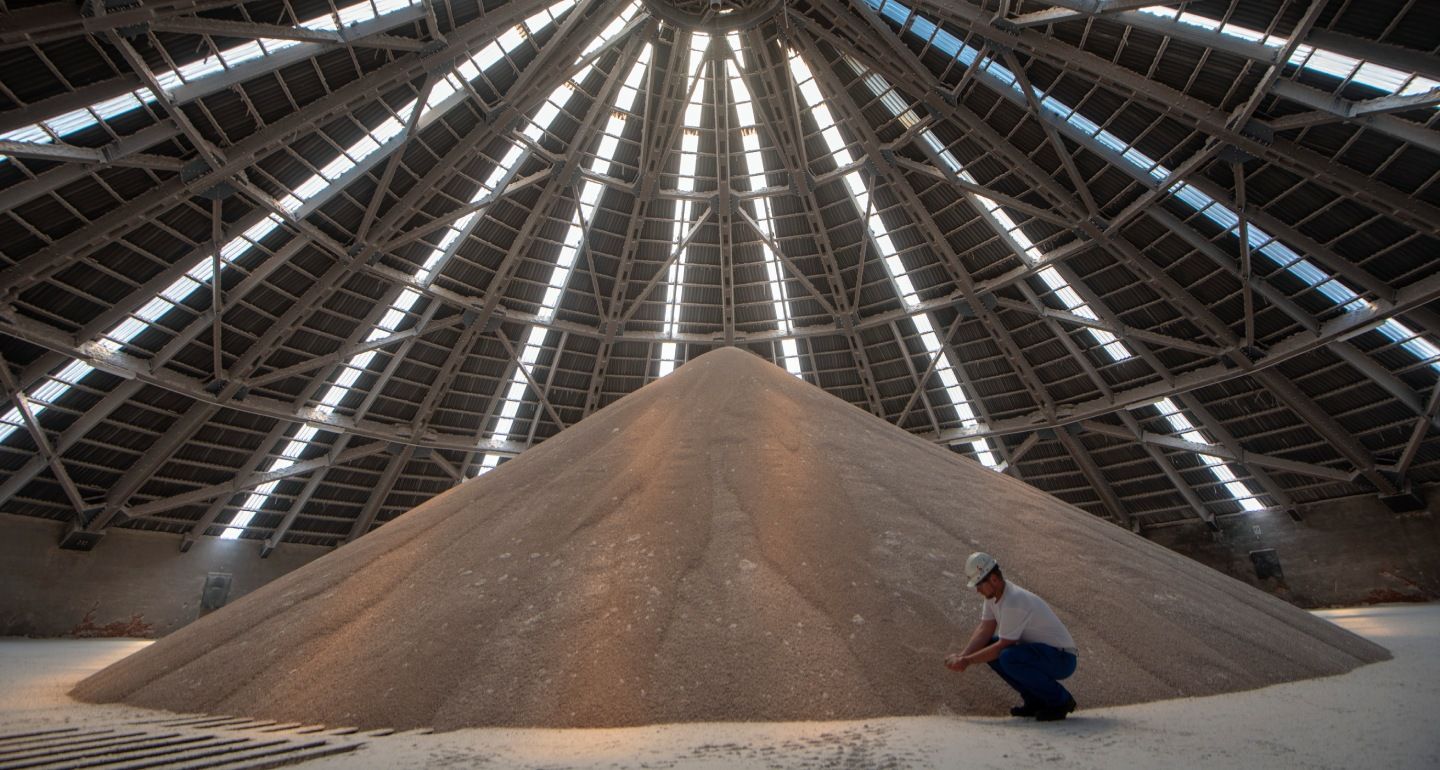
    Lithuania’s Potash Dilemma Raises Questions About Sanctions’ Effectiveness

    What should happen when sanctions designed to weaken the Belarusian regime end up enriching and strengthening the Kremlin?  

      Denis Kishinevsky

  • Commentary
    Carnegie Politika
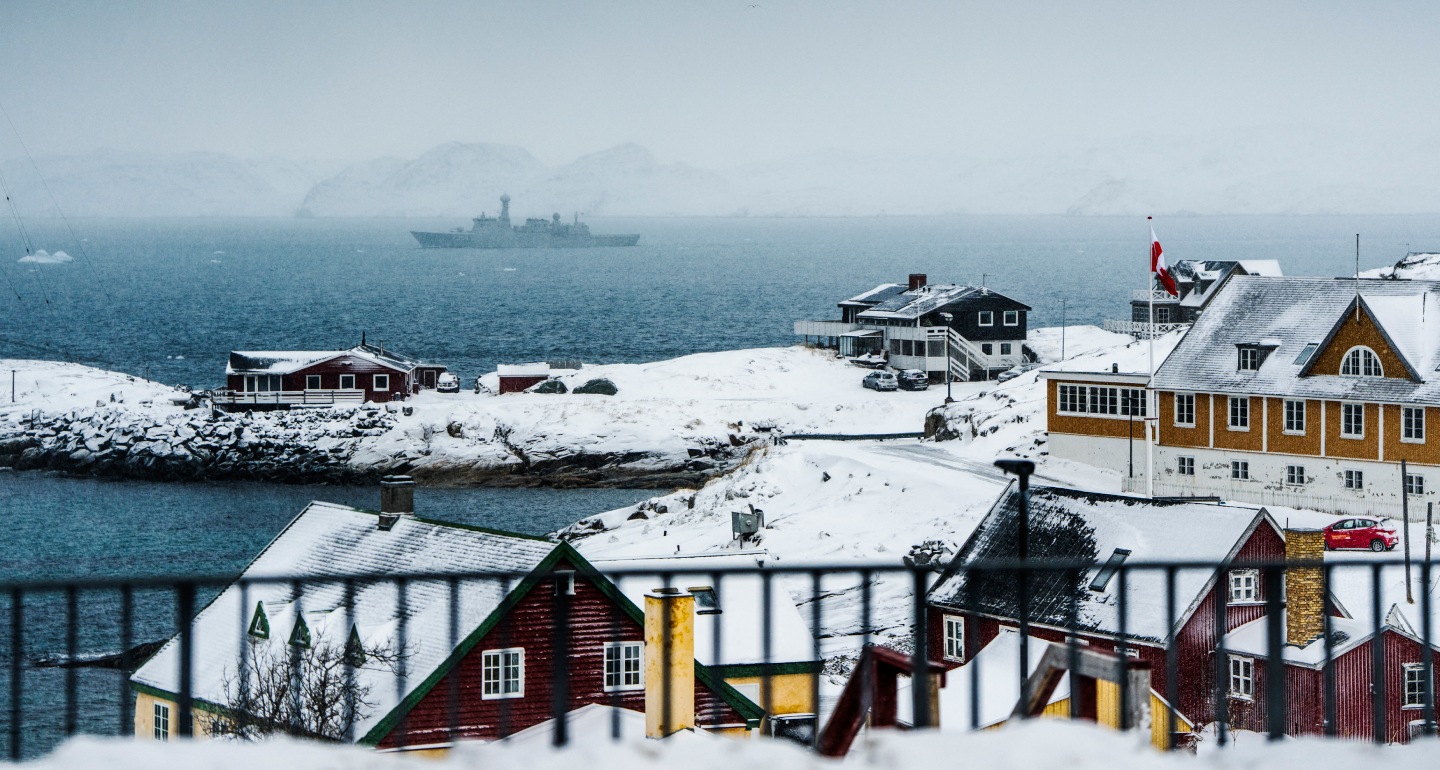
    Is There Really a Threat From China and Russia in Greenland?

    The supposed threats from China and Russia pose far less of a danger to both Greenland and the Arctic than the prospect of an unscrupulous takeover of the island.

      Andrei Dagaev

  • Commentary
    Carnegie Politika
    Ukrainian Villages Are a Bigger Prize for Putin Than a Deal With Trump

    Western negotiators often believe territory is just a bargaining chip when it comes to peace in Ukraine, but Putin is obsessed with empire-building. 

      Andrey Pertsev

  • Commentary
    Carnegie Politika
    Has Trump the Destroyer Eclipsed Putin the Destroyer?

    Unexpectedly, Trump’s America appears to have replaced Putin’s Russia’s as the world’s biggest disruptor.

      Alexander Baunov

Get more news and analysis from
Carnegie Russia Eurasia Center
Carnegie Russia Eurasia logo, white
  • Research
  • Politika
  • About
  • Experts
  • Events
  • Contact
  • Privacy
Get more news and analysis from
Carnegie Russia Eurasia Center
© 2026 Carnegie Endowment for International Peace. All rights reserved.