

Commentary
Baku may allow radical nationalists to publicly discuss “reunification” with Azeri Iranians, but the president and key officials prefer not to comment publicly on the protests in Iran.
Bashir Kitachaev
{
  "authors": [
    "Michele Dunne"
  ],
  "type": "other",
  "centerAffiliationAll": "",
  "centers": [
    "Carnegie Endowment for International Peace",
    "Malcolm H. Kerr Carnegie Middle East Center"
  ],
  "collections": [
    "Arab Awakening"
  ],
  "englishNewsletterAll": "",
  "nonEnglishNewsletterAll": "",
  "primaryCenter": "Carnegie Endowment for International Peace",
  "programAffiliation": "",
  "programs": [
    "Middle East"
  ],
  "projects": [],
  "regions": [
    "Middle East",
    "North Africa"
  ],
  "topics": [
    "Political Reform",
    "Democracy"
  ]
}
Source: Getty
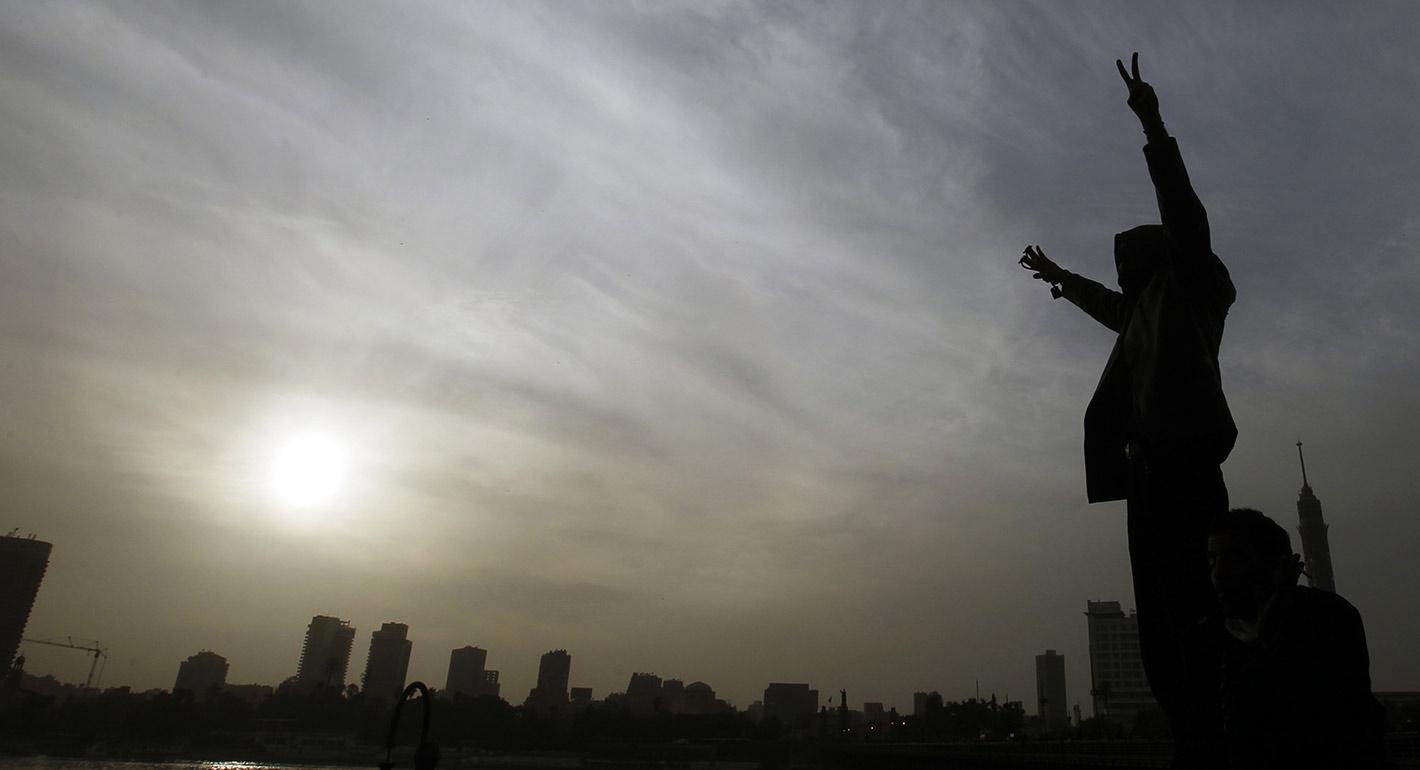
As the tenth anniversary of the first uprising of the Arab Spring approaches, massive and sustained popular uprisings in Sudan, Algeria, Iraq, and Lebanon have shown that the Arab world is far from finished with the question of democracy.
Source: Journal of Democracy
As the tenth anniversary of the first uprising of the Arab Spring approaches, massive and sustained popular uprisings in Sudan, Algeria, Iraq, and Lebanon have shown that the Arab world is far from finished with the question of democracy. In each of these countries, protesters have connected grievances about economic hardships and corruption to issues of governance. They have demanded changes to undemocratic aspects of current power structures: sectarian bargains in Iraq and Lebanon, and military dominance in Sudan and Algeria.
The struggle of citizens of Arab-majority countries for more responsive, accountable, and participatory governance has been long and difficult. Vested interests both foreign and domestic have pushed back, often with great brutality. In Lebanon, the Arab country in which citizens long had the most individual freedom, sectarianism erupted into civil war in 1975. Even after the fighting ended, sectarian divisions constrained political competition and undermined accountability; they also opened the country to ongoing foreign intervention. Algeria's experiment with political pluralism in the early 1990s led into a decade of horrific civil war.
This article was originally published in the Journal of Democracy.
Carnegie does not take institutional positions on public policy issues; the views represented herein are those of the author(s) and do not necessarily reflect the views of Carnegie, its staff, or its trustees.
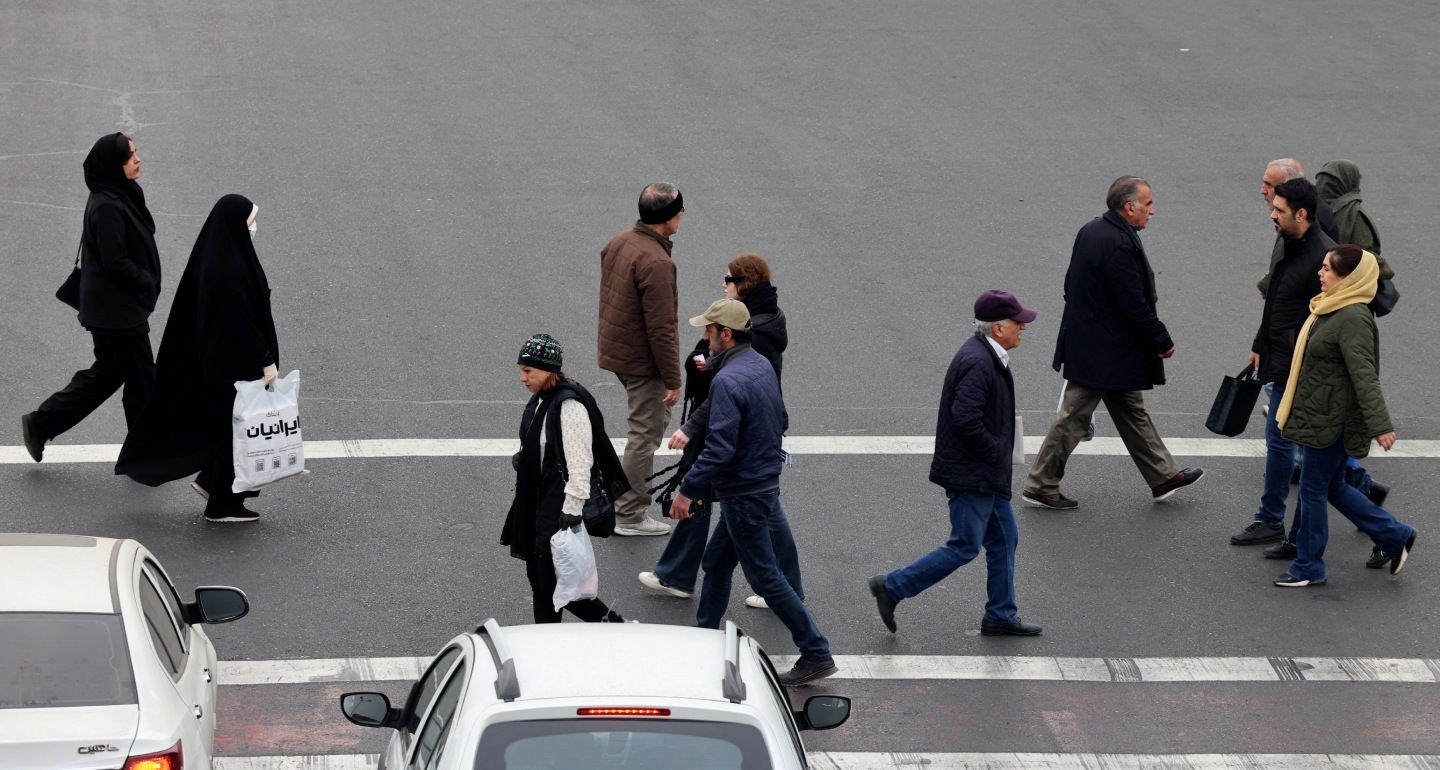
Baku may allow radical nationalists to publicly discuss “reunification” with Azeri Iranians, but the president and key officials prefer not to comment publicly on the protests in Iran.
Bashir Kitachaev
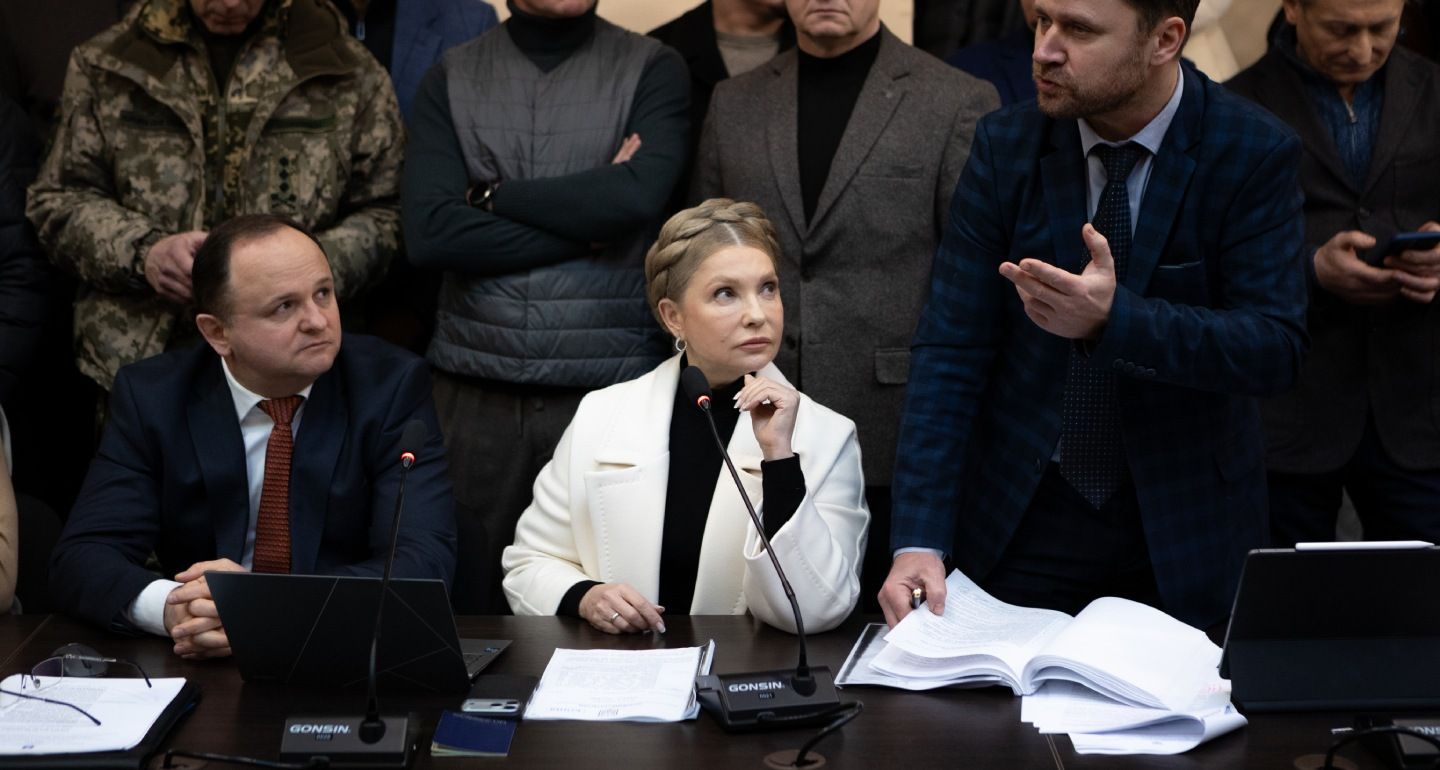
The story of a has-been politician apparently caught red-handed is intersecting with the larger forces at work in the Ukrainian parliament.
Konstantin Skorkin
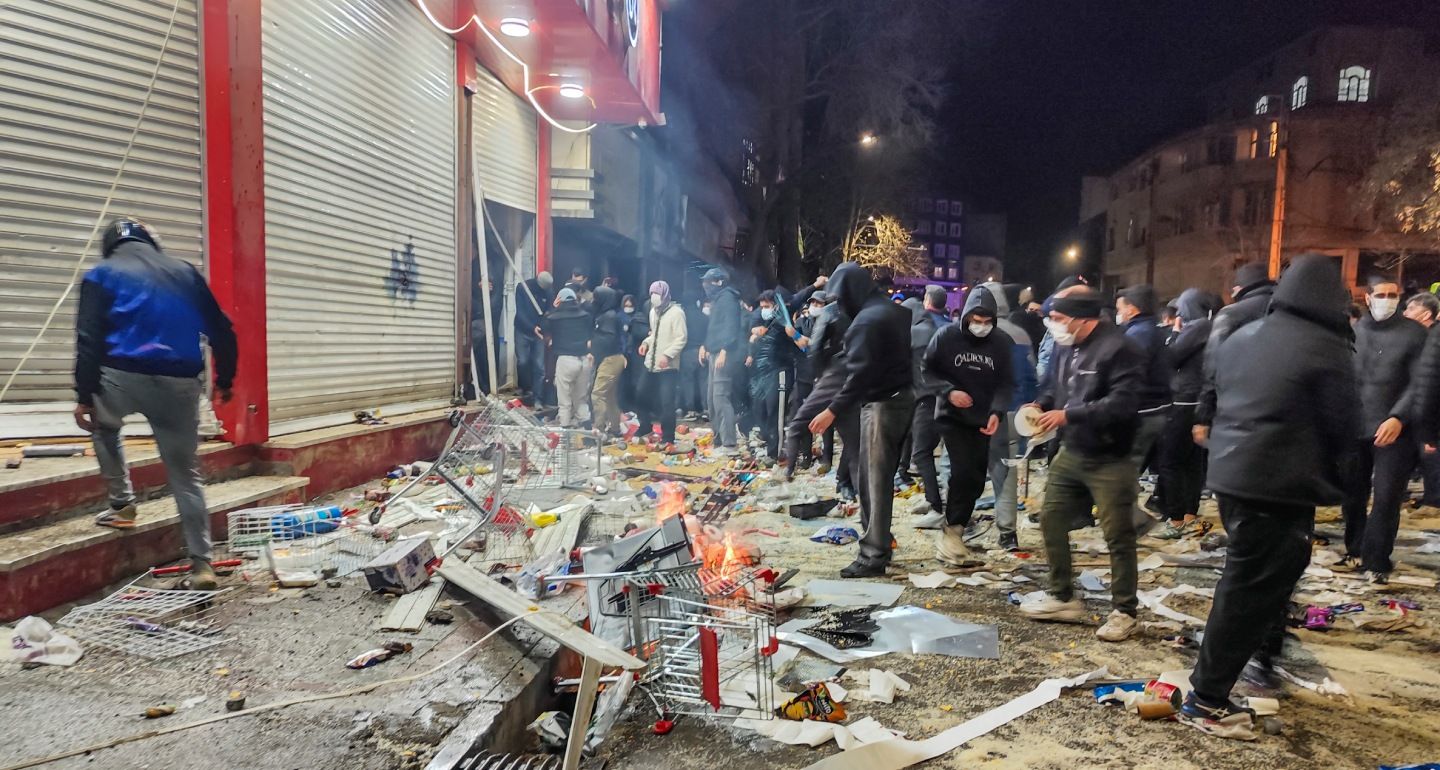
It’s one thing to export Russian helicopters to Iran to fight the insurgency, and it’s easy to imagine Moscow becoming a haven for fleeing Iranian leaders. But it’s very difficult to imagine Russian troops defending the Iranian regime on the ground.
Nikita Smagin
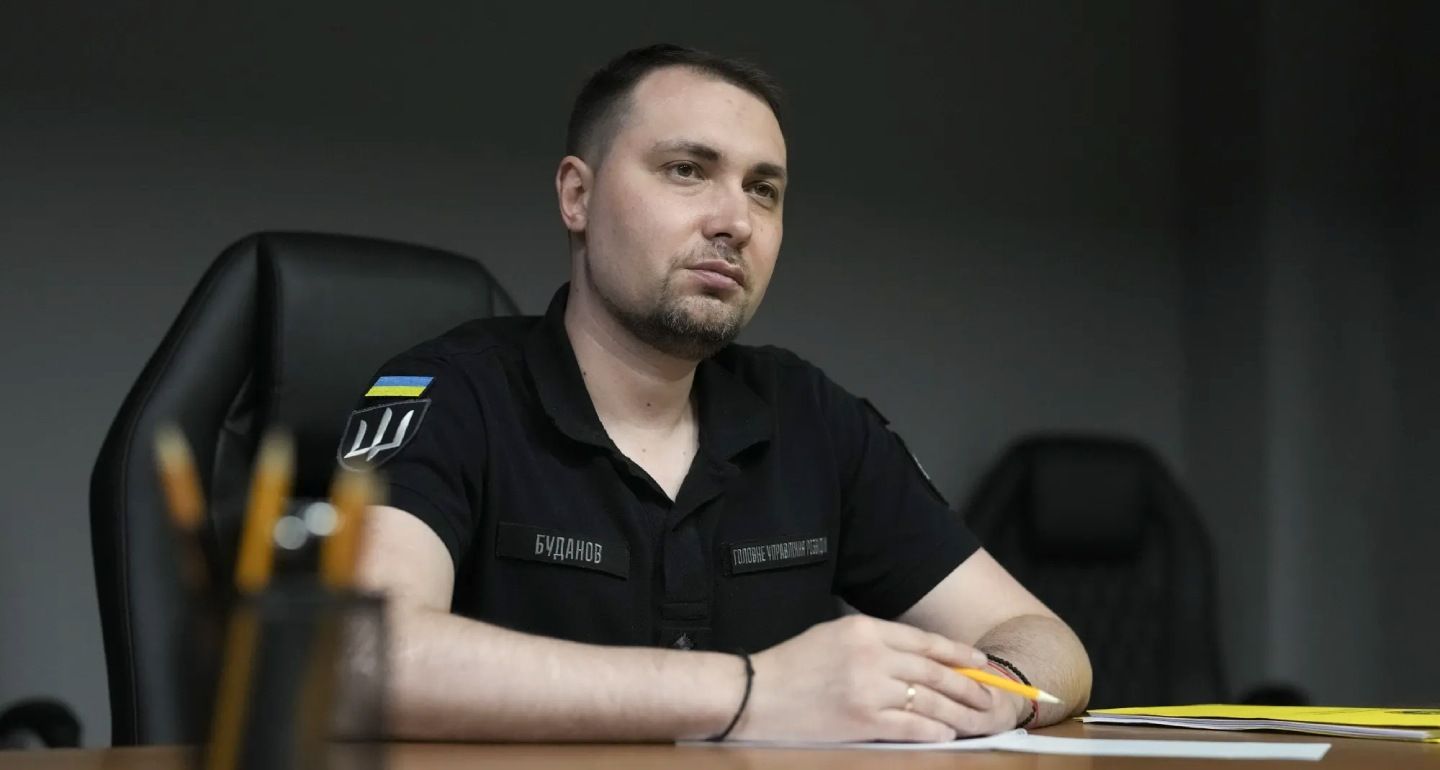
While appointing Kyrylo Budanov will help shore up Zelensky’s political authority and balance the president’s inner circle, the spy chief’s political ambitions mean he could be a threat.
Konstantin Skorkin
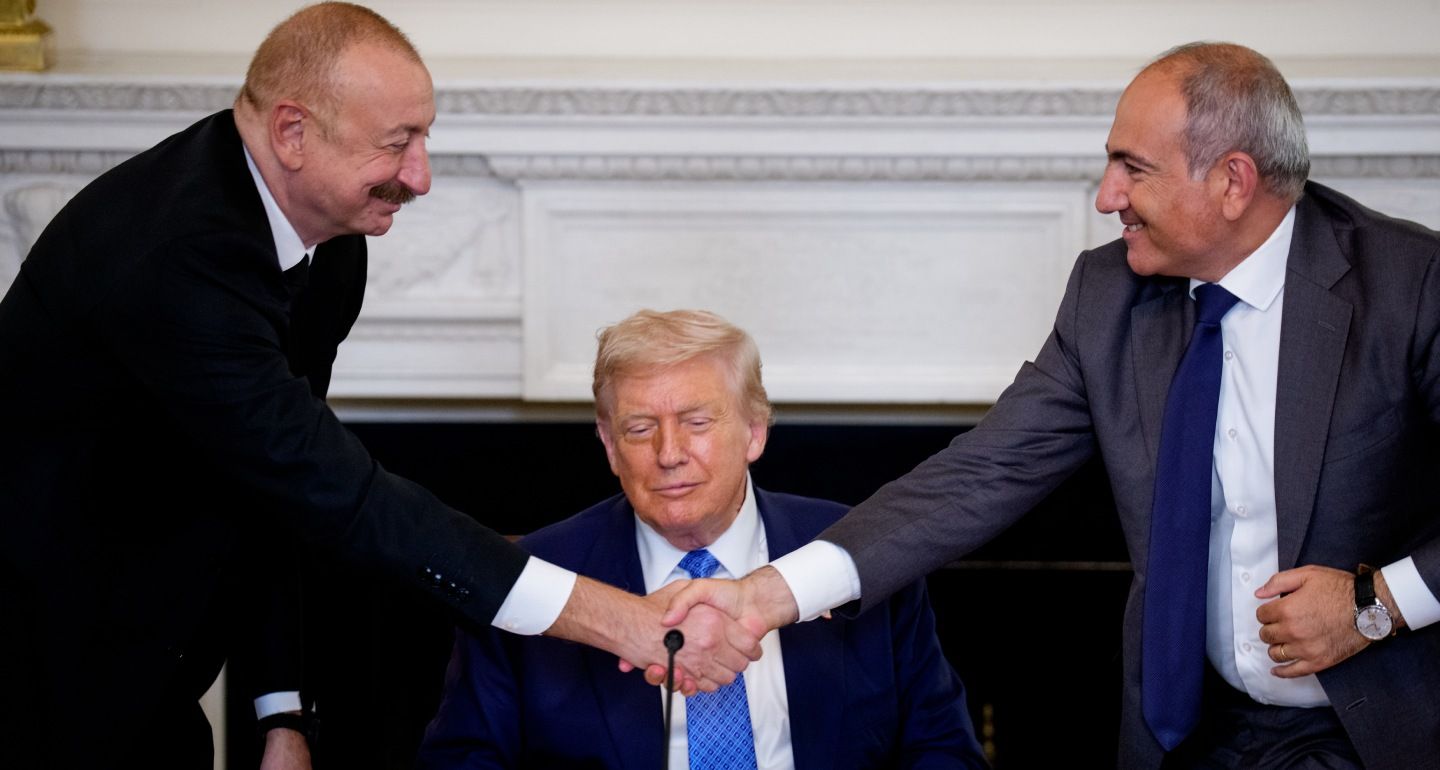
While signaling internationally that it wants peace, the Azerbaijani regime continues to promote anti-Armenian sentiment at home to mobilize domestic support.
Bashir Kitachaev