

Commentary
Unexpectedly, Trump’s America appears to have replaced Putin’s Russia’s as the world’s biggest disruptor.
Alexander Baunov
{
  "authors": [
    "Brett McGurk"
  ],
  "type": "legacyinthemedia",
  "centerAffiliationAll": "",
  "centers": [
    "Carnegie Endowment for International Peace"
  ],
  "collections": [],
  "englishNewsletterAll": "",
  "nonEnglishNewsletterAll": "",
  "primaryCenter": "Carnegie Endowment for International Peace",
  "programAffiliation": "",
  "programs": [],
  "projects": [],
  "regions": [],
  "topics": []
}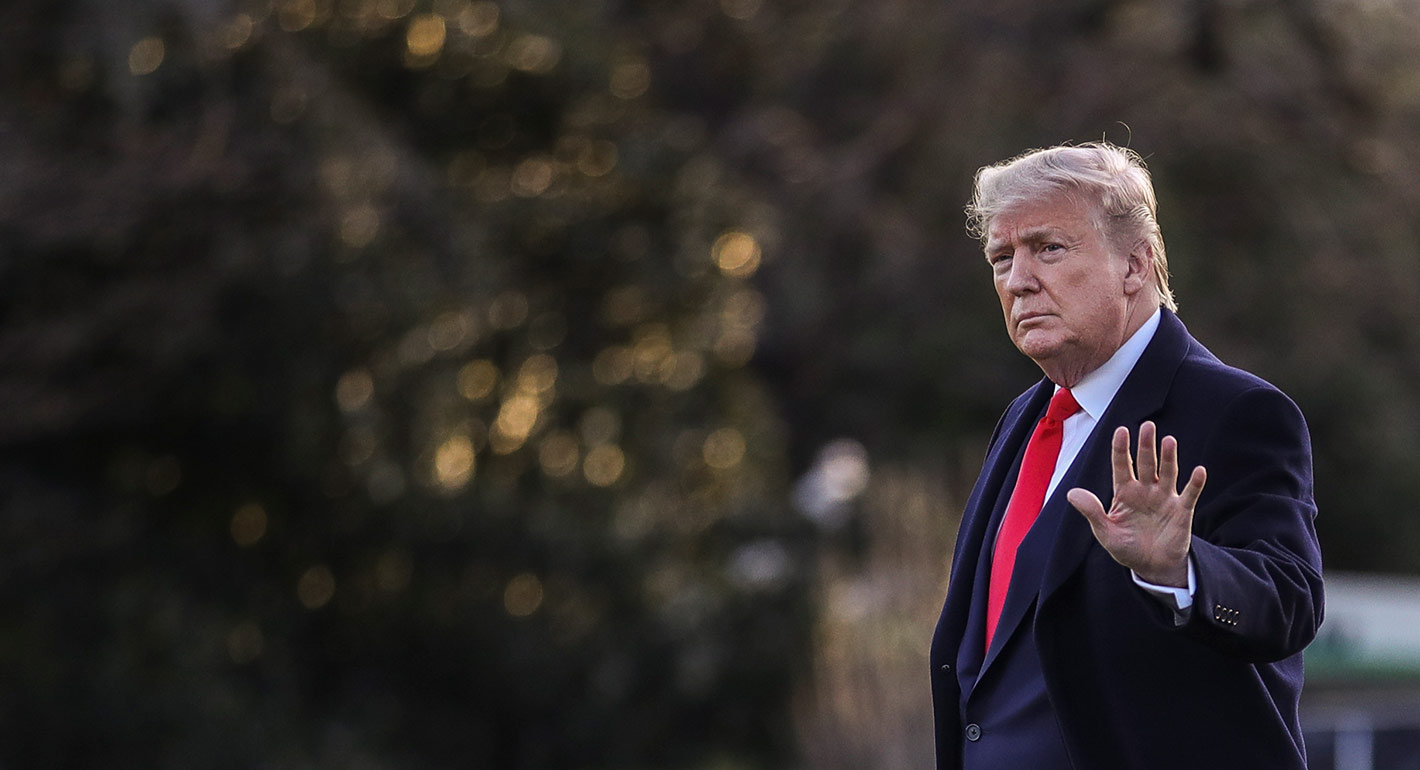
The Trump White House runs a foreign policy with irreconcilable objectives, no internal coherence, and no pretense of gaming out critical decisions before they are taken.
Source: Foreign Affairs
Shortly after taking office, U.S. President Dwight D. Eisenhower gathered senior advisers in the White House solarium to discuss policy toward the Soviet Union. In attendance was his hawkish secretary of state, John Foster Dulles, who had been a vocal critic of Harry Truman’s policy of containment and instead advocated an offensive policy whereby the United States would seek to “roll back” Soviet influence across Europe and Asia.
Afternoon light from the southern exposure would have contrasted with the darkening mood inside the White House. Diplomacy to end the Korean War was deadlocked. The United States was entering a nuclear arms race with the Soviet Union. Joseph Stalin was dead, but Eisenhower’s calls for dialogue with Moscow had gone unanswered. Defense spending seemed unsustainable.
Carnegie does not take institutional positions on public policy issues; the views represented herein are those of the author(s) and do not necessarily reflect the views of Carnegie, its staff, or its trustees.
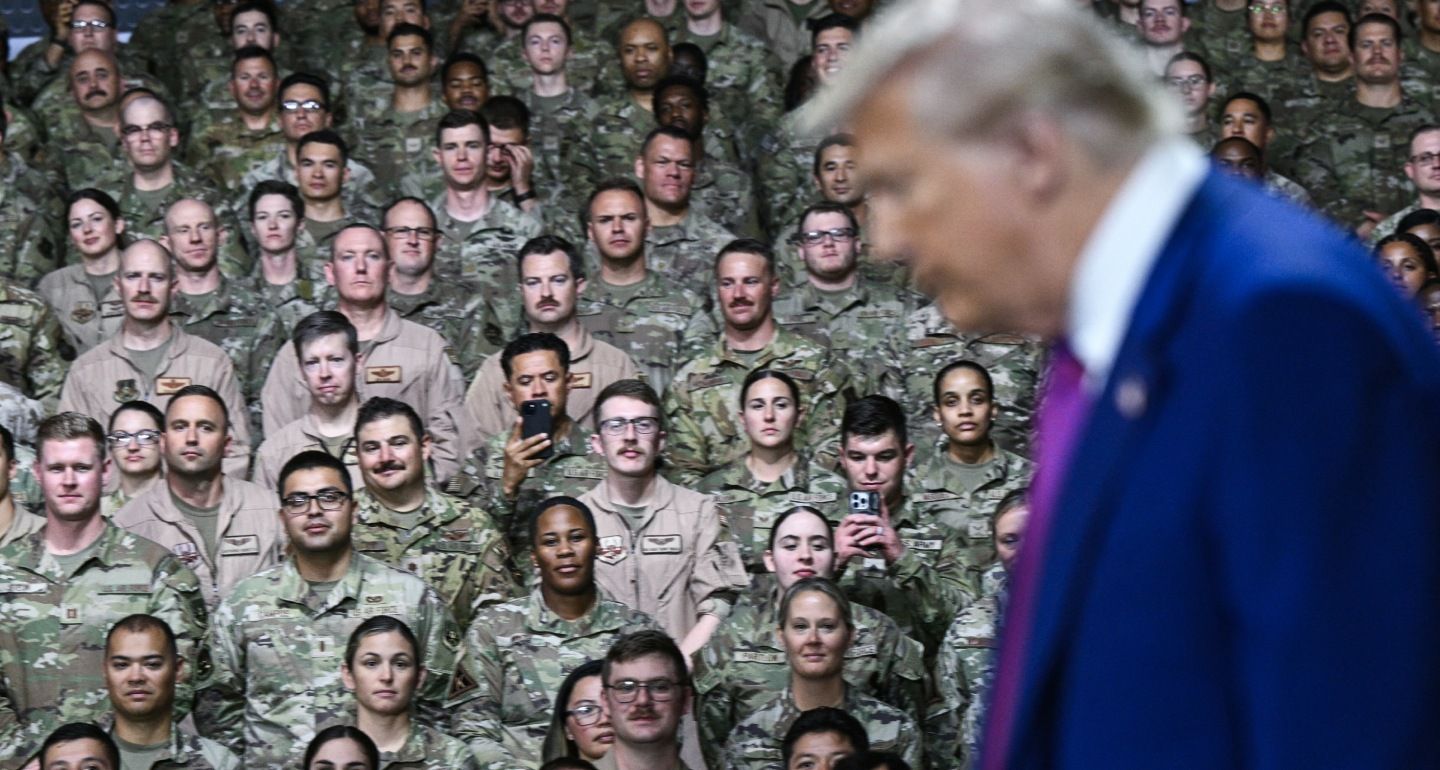
Unexpectedly, Trump’s America appears to have replaced Putin’s Russia’s as the world’s biggest disruptor.
Alexander Baunov
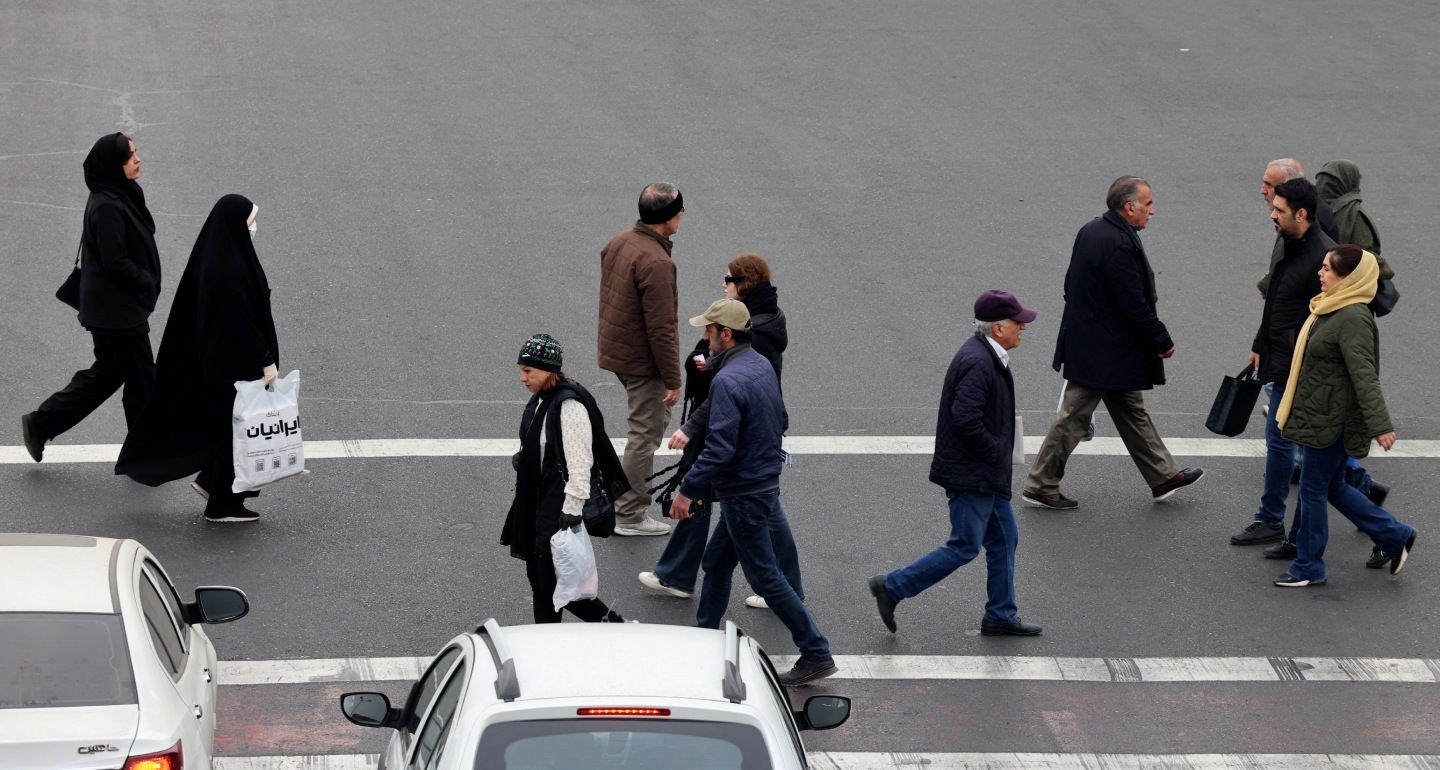
Baku may allow radical nationalists to publicly discuss “reunification” with Azeri Iranians, but the president and key officials prefer not to comment publicly on the protests in Iran.

Bashir Kitachaev
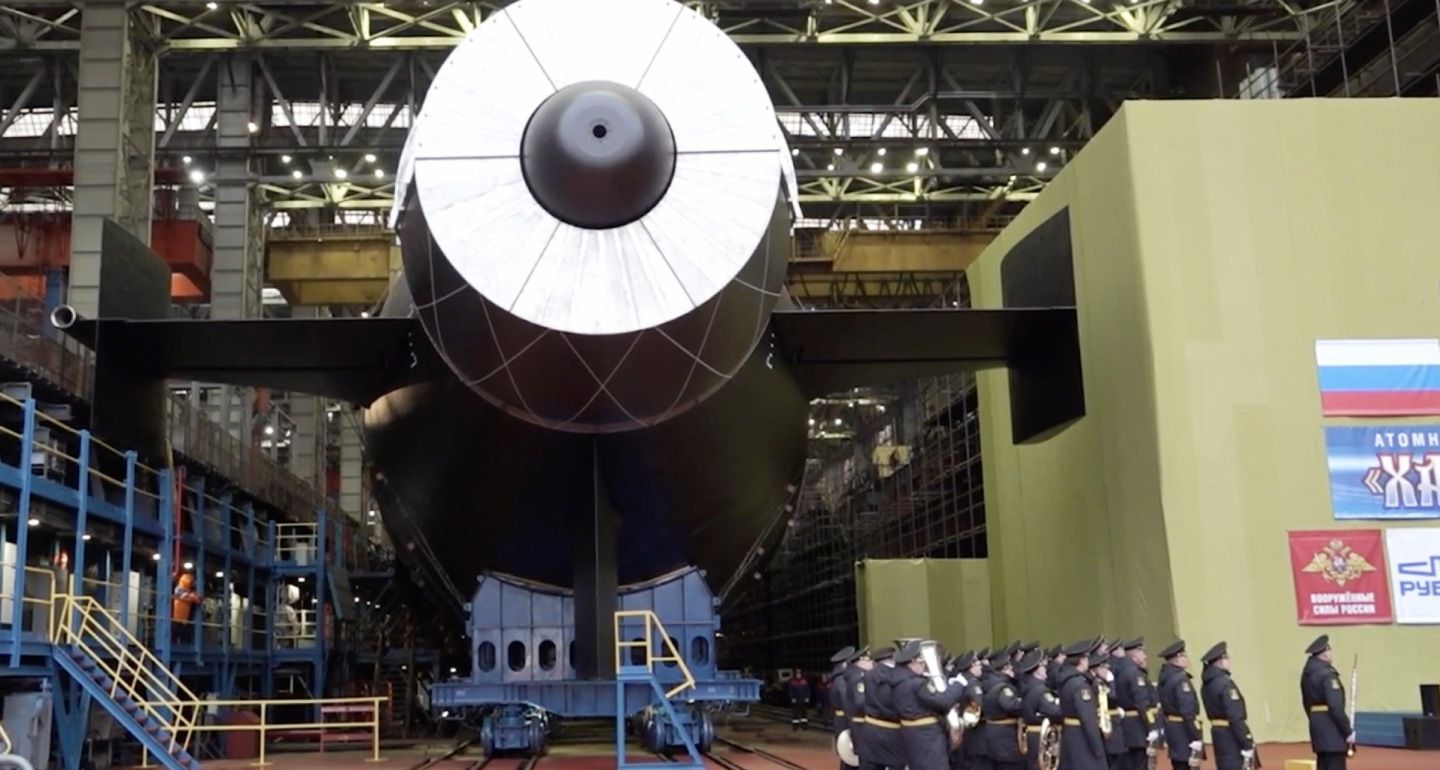
The Kremlin will only be prepared to negotiate strategic arms limitations if it is confident it can secure significant concessions from the United States. Otherwise, meaningful dialogue is unlikely, and the international system of strategic stability will continue to teeter on the brink of total collapse.

Maxim Starchak
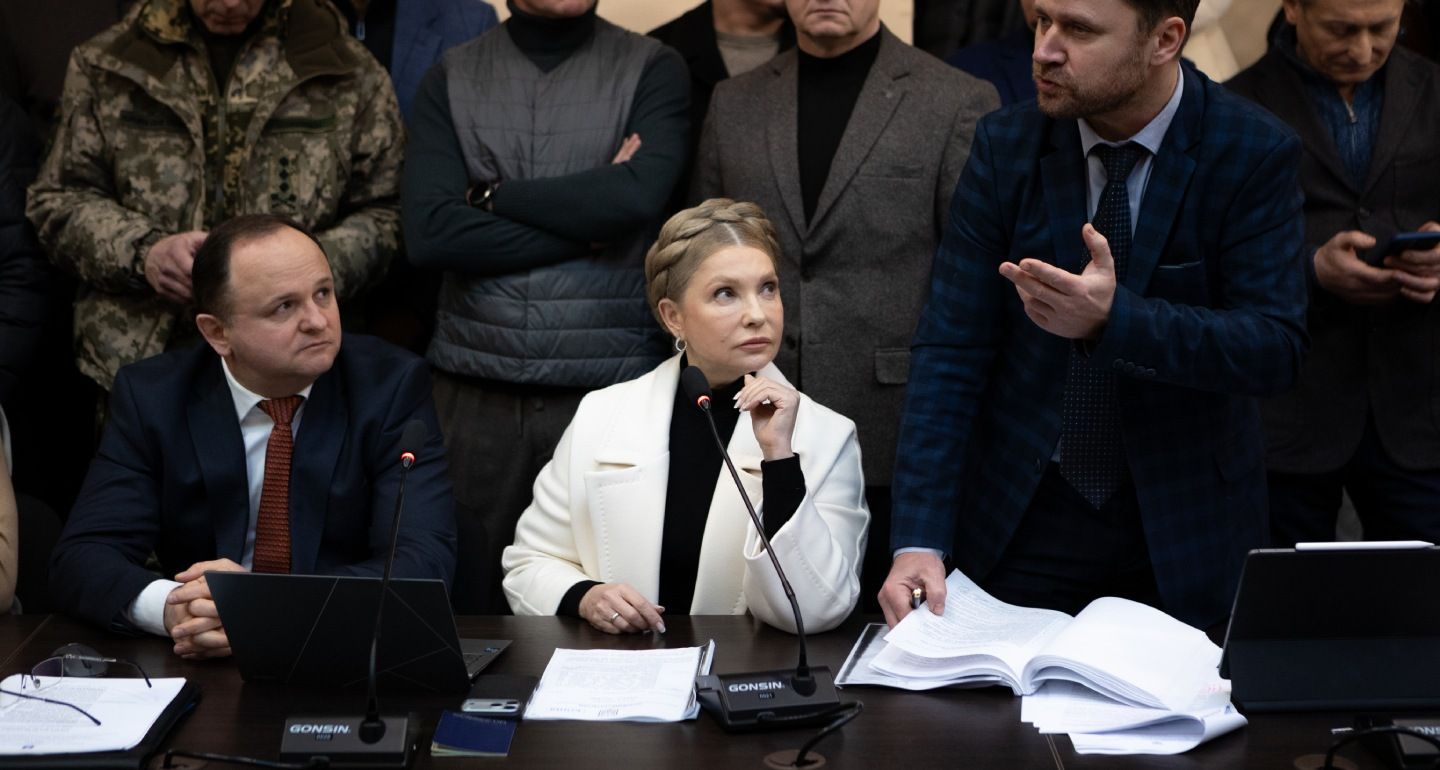
The story of a has-been politician apparently caught red-handed is intersecting with the larger forces at work in the Ukrainian parliament.

Konstantin Skorkin
For years, the Russian government has promoted “sovereign” digital services as an alternative to Western ones and introduced more and more online restrictions “for security purposes.” In practice, these homegrown solutions leave people vulnerable to data leaks and fraud.

Maria Kolomychenko