

Commentary
The supposed threats from China and Russia pose far less of a danger to both Greenland and the Arctic than the prospect of an unscrupulous takeover of the island.
Andrei Dagaev
{
  "authors": [
    "Matt Sheehan"
  ],
  "type": "commentary",
  "centerAffiliationAll": "",
  "centers": [
    "Carnegie Endowment for International Peace"
  ],
  "collections": [
    "Dynamic Technology Risks in Asia",
    "China and the World"
  ],
  "englishNewsletterAll": "",
  "nonEnglishNewsletterAll": "",
  "primaryCenter": "Carnegie Endowment for International Peace",
  "programAffiliation": "",
  "programs": [
    "Asia"
  ],
  "projects": [],
  "regions": [
    "United States",
    "China"
  ],
  "topics": [
    "Technology"
  ]
}
And what the United States must to do retain its competitiveness.
Conventional wisdom often suggests that technological breakthroughs proliferate in an environment of free markets, free speech, and democracy. In short, if you want to innovate, you need to operate like the United States. But over the past twenty years, China has transformed from a technological backwater into an innovation powerhouse.
Today, China directly competes with the United States on key emerging technologies, such as artificial intelligence and quantum computing. And it has managed to accomplish this feat even as its government has tightened controls on markets, speech, and politics.
In this video, I argue that three main factors have turbocharged China’s rise as a technological powerhouse: a large, semi-protected market; ties with researchers and companies around the world; and waves of financial, human, and physical capital invested in promising fields like AI. To keep the United States competitive, Washington should explore certain elements of China’s strategy, including a willingness to experiment with pro-innovation policies and an ability to accept a certain amount of “waste” when catalyzing technological upgrading.
More on China and technology:
Carnegie does not take institutional positions on public policy issues; the views represented herein are those of the author(s) and do not necessarily reflect the views of Carnegie, its staff, or its trustees.

The supposed threats from China and Russia pose far less of a danger to both Greenland and the Arctic than the prospect of an unscrupulous takeover of the island.

Andrei Dagaev

Western negotiators often believe territory is just a bargaining chip when it comes to peace in Ukraine, but Putin is obsessed with empire-building.

Andrey Pertsev
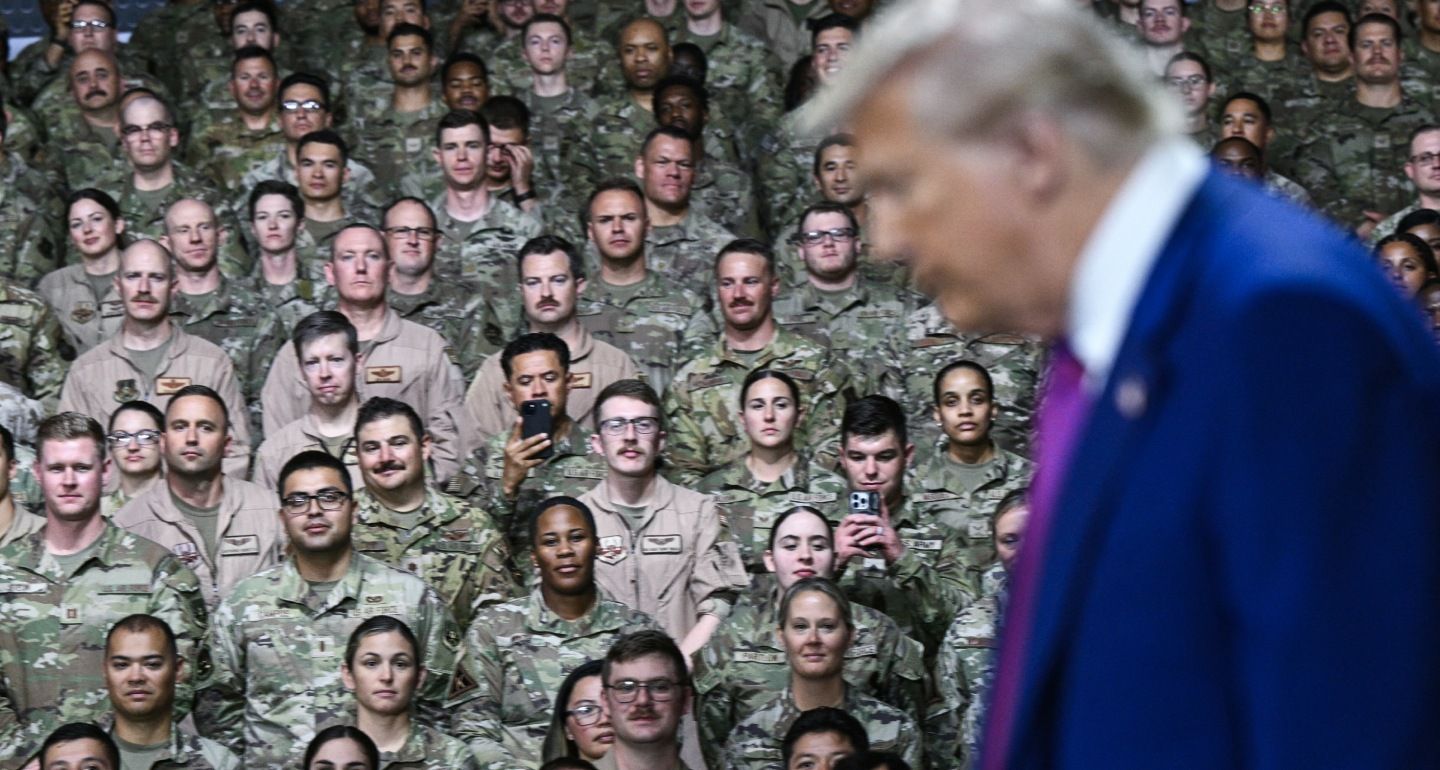
Unexpectedly, Trump’s America appears to have replaced Putin’s Russia’s as the world’s biggest disruptor.
Alexander Baunov
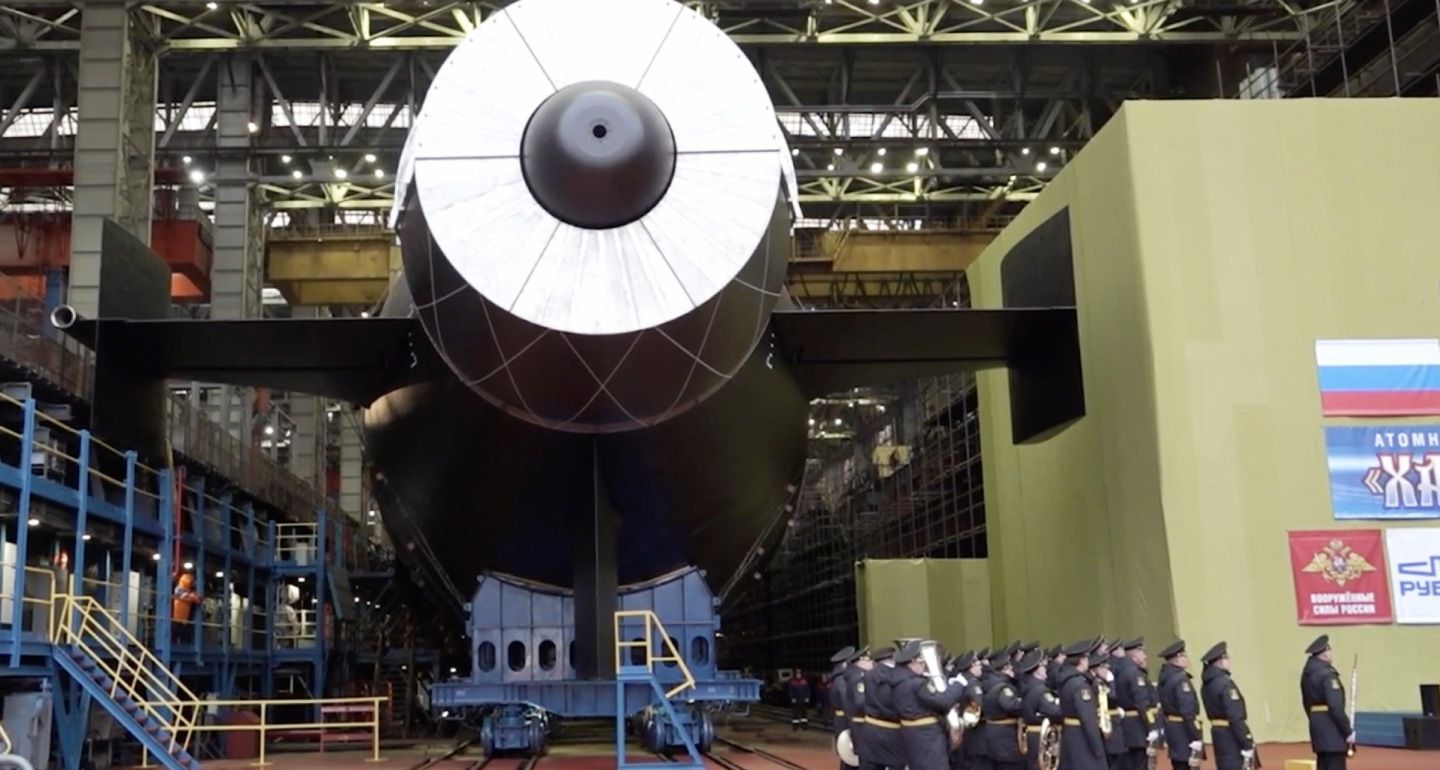
The Kremlin will only be prepared to negotiate strategic arms limitations if it is confident it can secure significant concessions from the United States. Otherwise, meaningful dialogue is unlikely, and the international system of strategic stability will continue to teeter on the brink of total collapse.

Maxim Starchak
For years, the Russian government has promoted “sovereign” digital services as an alternative to Western ones and introduced more and more online restrictions “for security purposes.” In practice, these homegrown solutions leave people vulnerable to data leaks and fraud.

Maria Kolomychenko