

Commentary
Geological complexity and years of mismanagement mean the Venezuelan oil industry is not the big prize officials in Moscow and Washington appear to believe.
Sergey Vakulenko
{
  "authors": [
    "Thomas Carothers",
    "Brendan Hartnett"
  ],
  "type": "commentary",
  "centerAffiliationAll": "",
  "centers": [
    "Carnegie Endowment for International Peace"
  ],
  "collections": [
    "Global Democracy"
  ],
  "englishNewsletterAll": "",
  "nonEnglishNewsletterAll": "",
  "primaryCenter": "Carnegie Endowment for International Peace",
  "programAffiliation": "",
  "programs": [
    "Democracy, Conflict, and Governance"
  ],
  "projects": [],
  "regions": [],
  "topics": [
    "Democracy",
    "Economy",
    "Climate Change"
  ]
}
Political overreach, economic pain, and violent conflicts drive another year of surging protests.
The tide of anti-government protests that has roiled countries across the globe in recent years continued in 2023. As documented in Carnegie’s Global Protest Tracker, new protests erupted in eighty-three countries, from China and the Democratic Republic of the Congo to Iraq and North Macedonia.
Seven countries that had not experienced major protests in the past five years joined the club: Denmark, French Polynesia, Mozambique, Norway, the Republic of Ireland, Suriname, and Sweden. In addition, some demonstrations that began prior to this year persisted, including teachers’ protests in Hungary, anti-ruling party demonstrations in Bangladesh, and displays of opposition to Tunisian President Kais Saied’s July 2021 “self-coup” and his crackdown on the opposition. Iran’s large protest movement, which began in October 2022 following the death of Mahsa Amini in police custody and popularized the slogan “Woman, life, freedom,” also continued, though the government’s crackdown on dissent has challenged the movement’s ability to hold demonstrations.
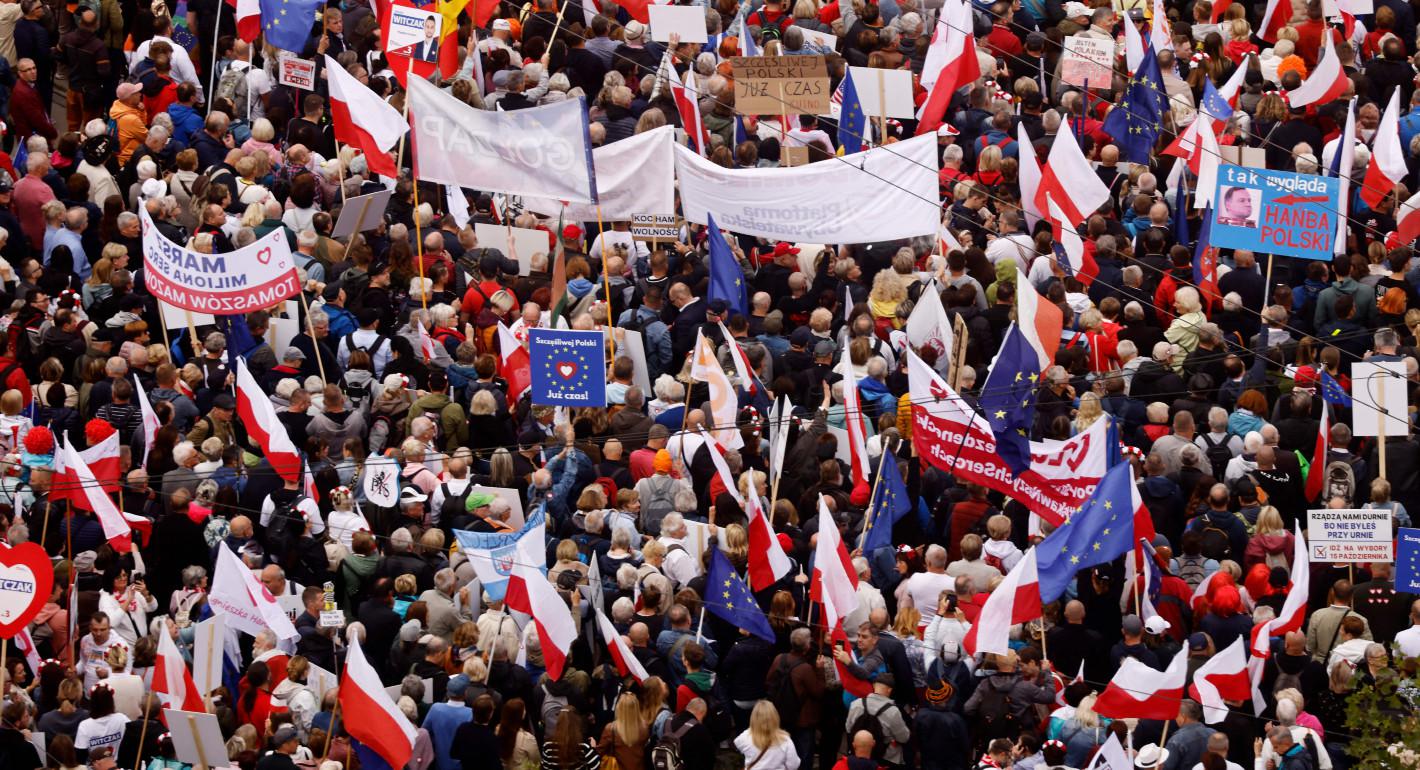
Some of the year’s largest demonstrations were in response to assaults on democracy and attempts by political incumbents to shield themselves from meaningful contestation. Approximately a million Poles took to Warsaw’s streets on October 1 for the March of a Million Hearts, which decried the Law and Justice Party’s assaults on the country’s democratic institutions and mobilized the opposition for the October 15 national elections. In Israel, prior to the October 7 Hamas attack, hundreds of thousands participated in weekly protests against the government’s plans to reform the judiciary that the opposition claimed would weaken checks on the government’s power. Tens of thousands protested in Georgia against a bill targeting “foreign agents” that opponents said mirrored legislation Russian President Vladimir Putin has used to stifle dissent. The demonstrations proved successful, as parliament withdrew the bill.
In Mozambique and Nigeria, demonstrators denounced alleged election fraud and irregularities said to benefit the ruling party. In Guatemala, thousands have protested ongoing attempts by the incumbent and the state’s top prosecutor to block the transfer of power to President-elect Bernardo Arévalo. Other demonstrations against attempts by the incumbent to extend their rule and stifle the opposition occurred in the Central African Republic, Chad, and Madagascar.

At the same time, anger over economic issues, which dominated anti-government protests in 2022, continued to bring citizens to the streets in many countries in 2023. Some of these protests were triggered by rising prices, such as those in Pakistan, Portugal, and Slovenia. Grievances about monetary policy and cash shortages sparked demonstrations in Ghana and Nigeria. In France, strikes and protests against pension reform, which raised the national retirement age from sixty-two to sixty-four, roiled the country early in the year. Demonstrations regarding pension reform also occurred in the Czech Republic and several Indian states.
Grievances with government services beyond social welfare also drove protests. For example, protesters in Haiti and Burkina Faso criticized their government’s inability to provide adequate security and protection against violent gangs or insurgents. In South Africa, over a hundred demonstrations were staged throughout the year due to mass frustration with the country’s insufficient energy supply and issues with utility service delivery. Other demonstrations criticized governments’ responses to national emergencies, as occurred in Türkiye after an earthquake killed over 50,000 people in February and in Libya following a dam collapse and deadly flood in Derma.
The Israel-Hamas war has also sparked hundreds of protests worldwide. In the first month of the conflict, demonstrations in support of Israel occurred in at least thirty-nine countries, including Austria, Canada, South Korea, the United Kingdom, and Uruguay. Tens of thousands also attended the March for Israel in Washington on November 14 to rebuke calls for a ceasefire and condemn the global rise of antisemitism. Demonstrations in support of Palestine occurred in over eighty countries, including Bahrain, Bangladesh, the Netherlands, and Somalia. In October, hundreds of thousands gathered in Baghdad and Istanbul to stand in solidarity with Palestine and denounce Israel. In Jordan, thousands marched on the Israeli embassy in Amman but were dispersed by security forces. Tens of thousands also attended pro-Palestine rallies in London, New York, and Washington on November 4 to call for a ceasefire.
Three further sources of protests—less widespread than those discussed above but of growing importance—were the violation of women’s rights, disputes over land and environmental resources, and climate change. Thousands took to the streets of Bosnia and Herzegovina in August after an incident of femicide was live-streamed on Instagram. France and Italy also saw large protests against gender-based violence. Likewise, in India’s conflict-torn state of Manipur, nearly 15,000 people—mostly women—participated in a sit-in to demand the arrest of men filmed parading two women around naked and molesting them before killing their male relatives. Demonstrations demanding access to safe abortions occurred in Mexico, Poland, and the United States.
On the environmental side, thousands of farmers in Spain and in India’s Karnataka state protested legislation that would limit the supply of water for crop irrigation, while at least two people were killed in southern Ethiopia during a February protest over water shortages. Disputes over land use also triggered protests, such as on the Indonesian island of Rempang, where residents facing displacement from the island as part of a government-led economic development project clashed with security forces. Tens of thousands protested in Panama to demand the nullification of a Canadian company’s twenty-year copper mining contract before the Supreme Court declared the contract unconstitutional in late November.
Climate protests occurred in dozens of countries, according to Carnegie’s Climate Protest Tracker. Discontent with the progress made to combat the climate crisis brought citizens to the streets in the Netherlands, Switzerland, and the United States, where tens of thousands called for greater government efforts to address climate change. But demonstrations against policies intended to address climate change also occurred, like in Bulgaria where mining and energy workers protested against the government’s plan to phase-out coal powerplants fearing job losses.

Carnegie does not take institutional positions on public policy issues; the views represented herein are those of the author(s) and do not necessarily reflect the views of Carnegie, its staff, or its trustees.
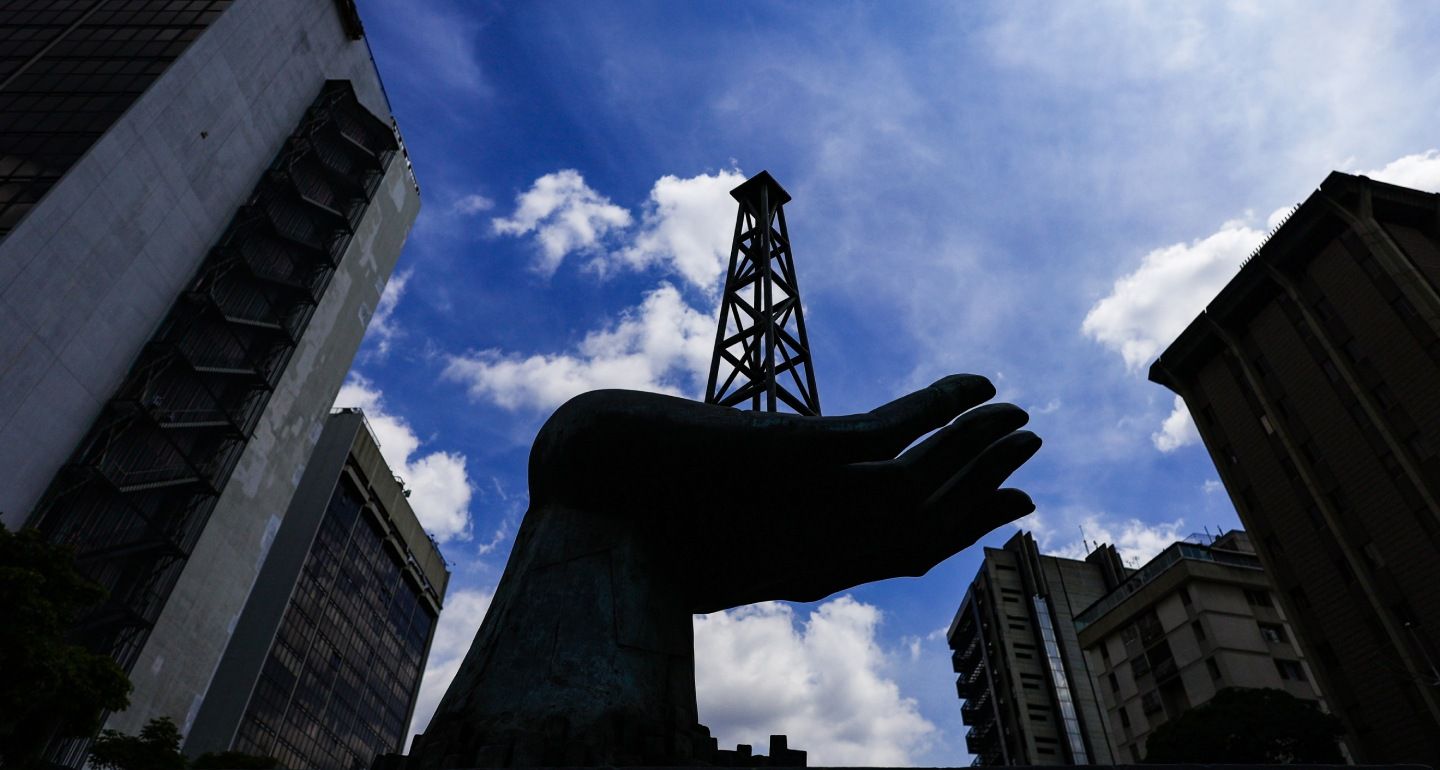
Geological complexity and years of mismanagement mean the Venezuelan oil industry is not the big prize officials in Moscow and Washington appear to believe.
Sergey Vakulenko
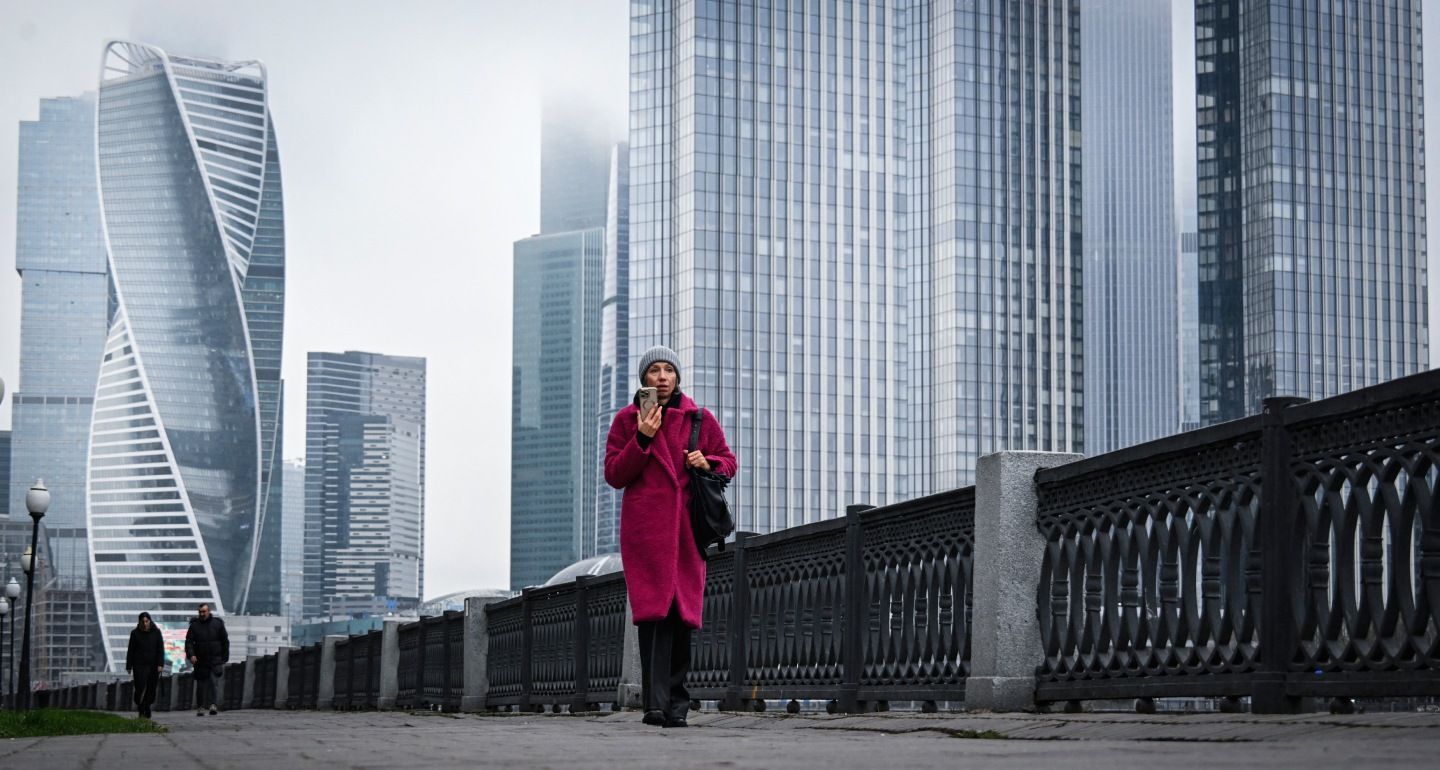
The paradox of the European Commission’s decision is that the main victims will not be those it formally targets. Major Russian businesses associated with the Putin regime have long adapted to sanctions with the help of complex schemes involving third countries, offshore companies, and nonpublic entities.
Alexandra Prokopenko
A new book by Alexandra Prokopenko looks at why the Russian ruling class became the regime’s willing servants—and how they might fare in a post-Putin world.
Vladislav Gorin
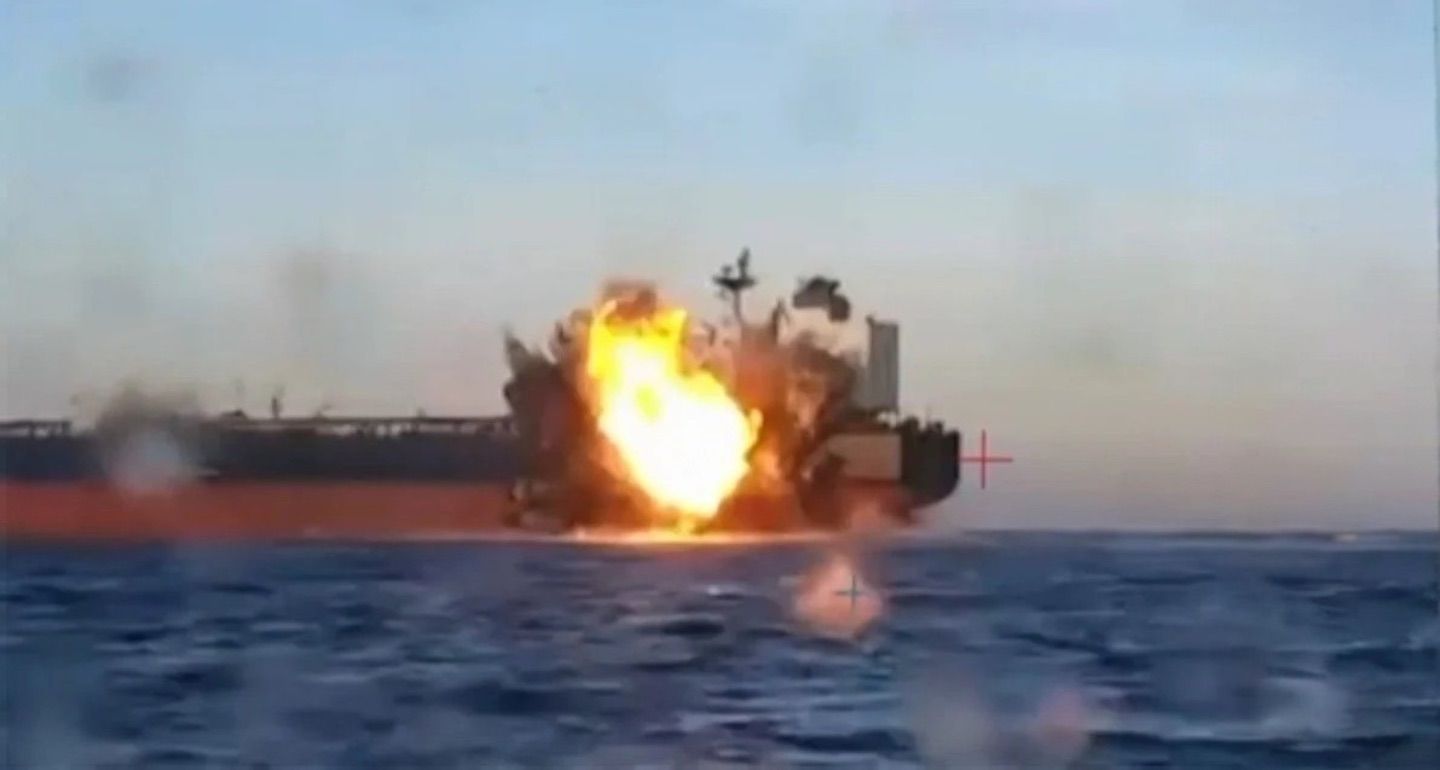
Inflicting damage on oil infrastructure in Russia that is used by Kazakhstan and a whole series of Western oil majors risks backfiring on Kyiv.
Sergey Vakulenko
The volume of frozen private assets might seem insignificant compared with Russia’s sovereign reserves, but these are the savings of millions of people who believed that foreign securities were a safe investment and in the institution of private property.
Yulia Starostina