

Commentary
The supposed threats from China and Russia pose far less of a danger to both Greenland and the Arctic than the prospect of an unscrupulous takeover of the island.
Andrei Dagaev

U.S., Russian, and Chinese scholars analyze the most important issues posed by the relationship between China and Russia, and weigh the prospects for real cooperation between Russia, a severely weakened power, and China, a power on the rise.
Source: Washington

In this first comprehensive study of Russian-Chinese relations, Sherman Garnett and a team of fifteen U.S., Russian, and Chinese scholars analyze the most important issues posed by the relationship, including: cross-border trade, the impact of Russia’s center-periphery politics, migration, arms sales, and (mis)perceptions of one another. The book assesses what will be one of the most important relationships, economically and strategically, in the dynamic region stretching from Central Asia to the Far East. It also weighs the prospects for real cooperation between Russia, a severely weakened power, and China, a power on the rise.
Contributing authors include: Sherman Garnett, Harry Gelman, Li Jingjie, Michael McFaul, Lu Nanquan, Kathleen Newland, Martha Brill Olcott, Gilbert Rozman, Judith Thornton, Dmitri Trenin, Tamara Troyakova, Galina Vitkovskaya, Alexei Voskressenski, Elizabeth Wishnick, and Zhanna Zayonchkovskaya.
“…[T]his is an informative and broadly balanced set of contributions which focus coherently on the key issues in the bilateral relationship.”
—Roland Dannreuther, Geneva Centre for Security Policy
Carnegie does not take institutional positions on public policy issues; the views represented herein are those of the author(s) and do not necessarily reflect the views of Carnegie, its staff, or its trustees.
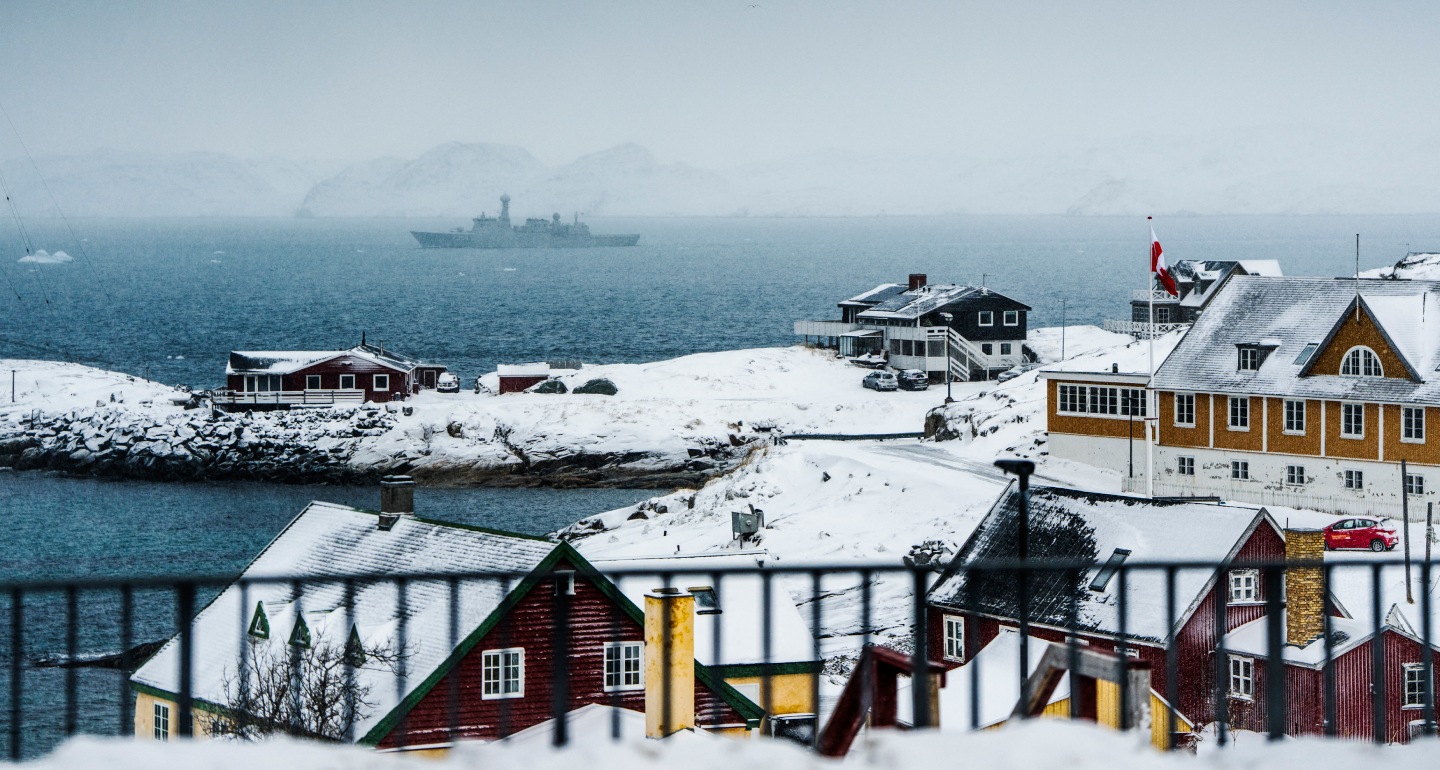
The supposed threats from China and Russia pose far less of a danger to both Greenland and the Arctic than the prospect of an unscrupulous takeover of the island.

Andrei Dagaev
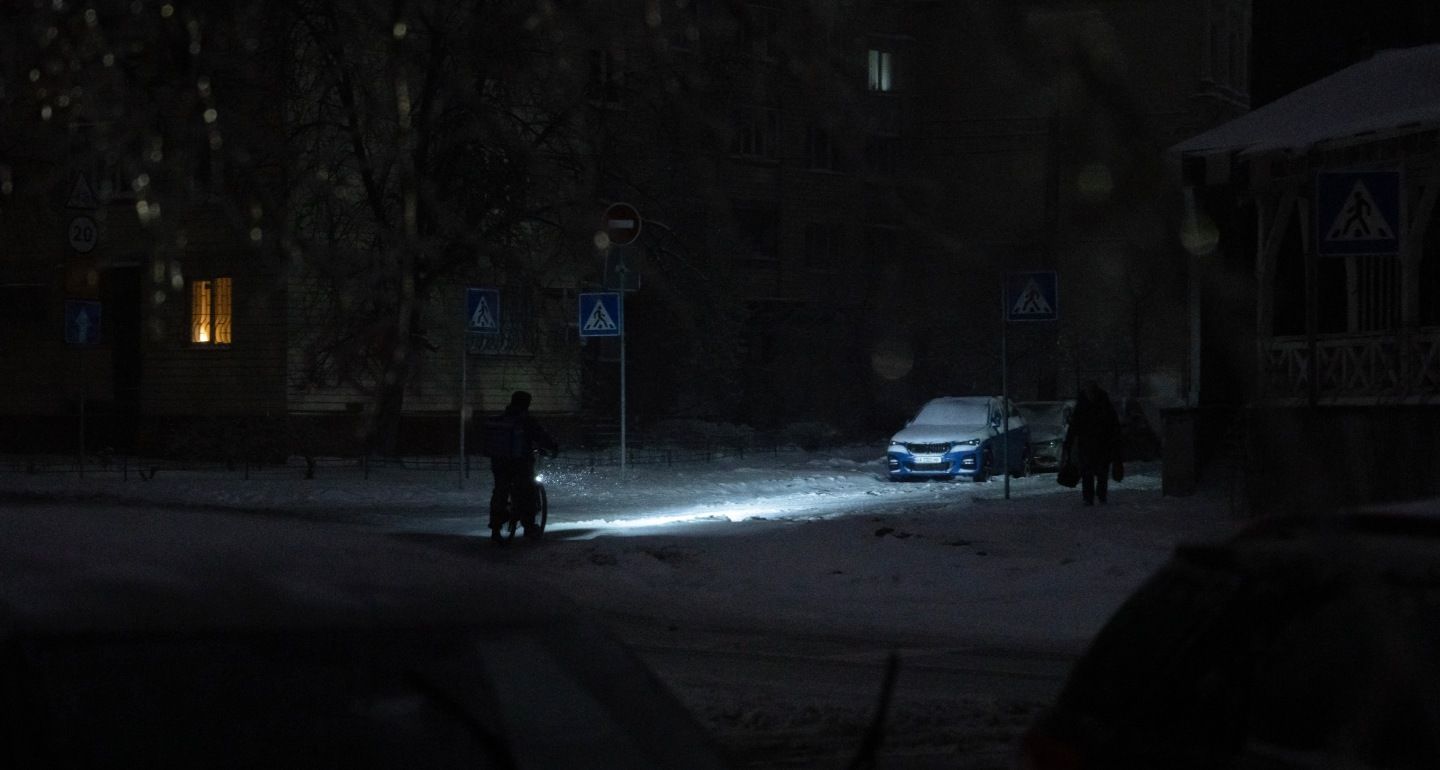
Western negotiators often believe territory is just a bargaining chip when it comes to peace in Ukraine, but Putin is obsessed with empire-building.

Andrey Pertsev
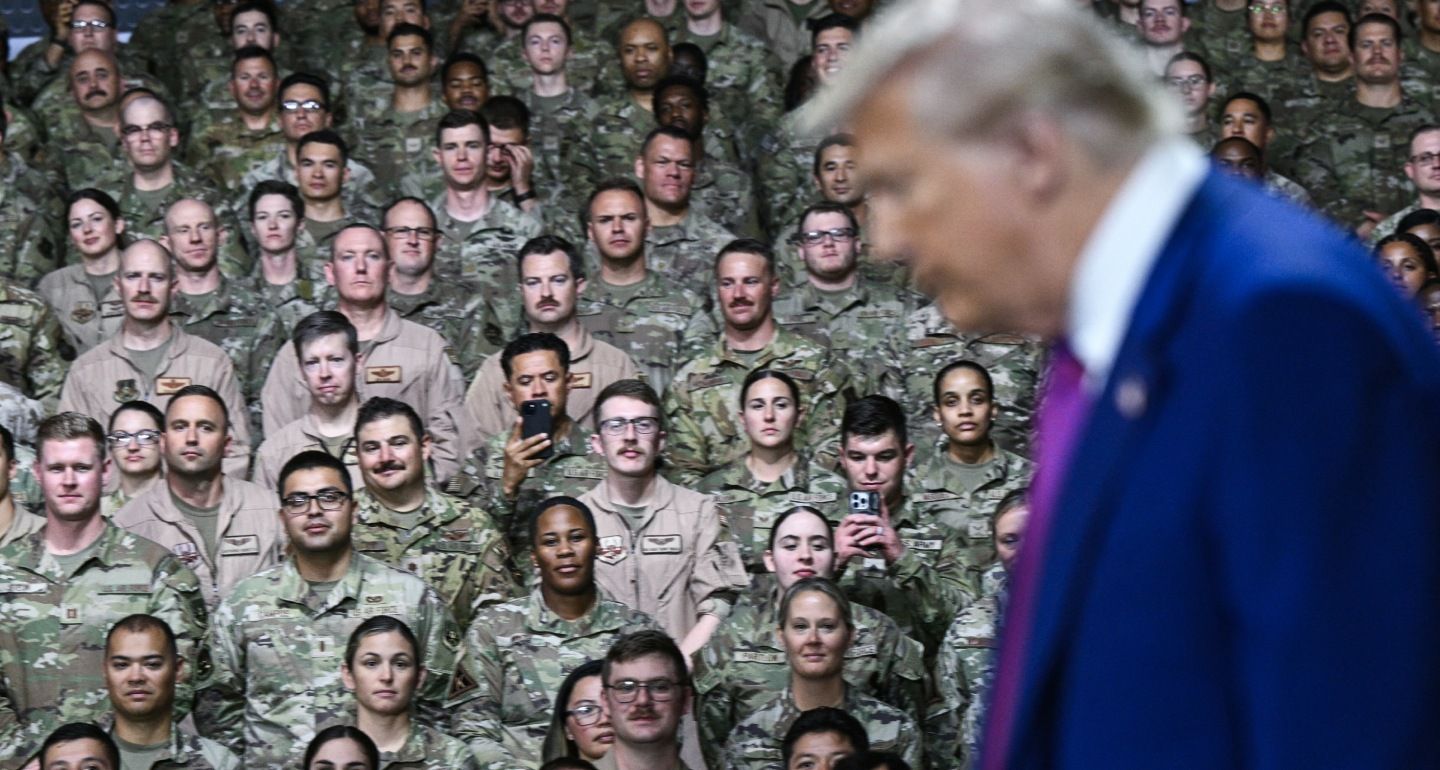
Unexpectedly, Trump’s America appears to have replaced Putin’s Russia’s as the world’s biggest disruptor.
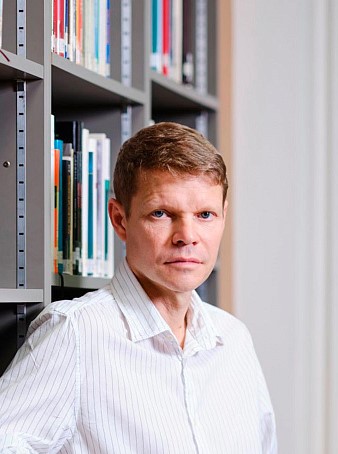
Alexander Baunov
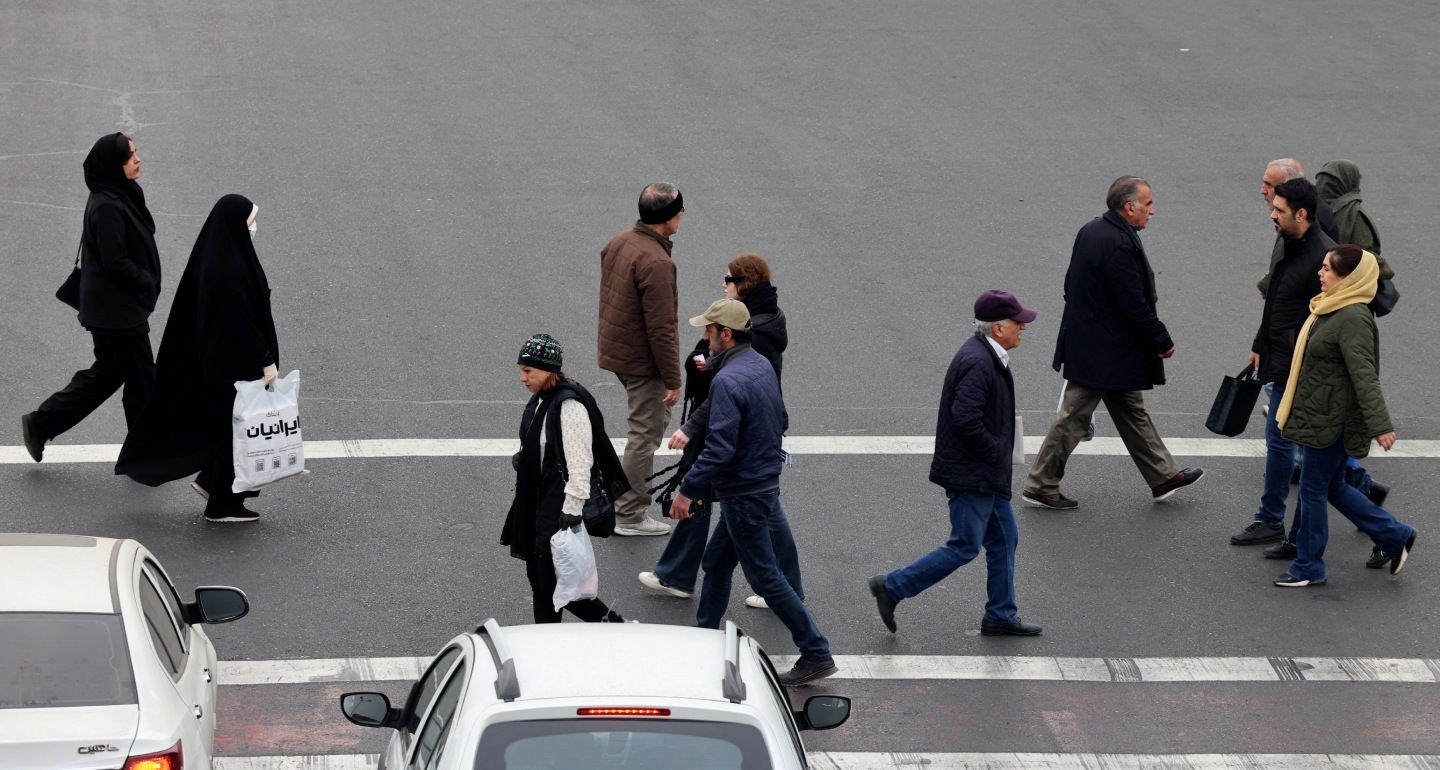
Baku may allow radical nationalists to publicly discuss “reunification” with Azeri Iranians, but the president and key officials prefer not to comment publicly on the protests in Iran.

Bashir Kitachaev
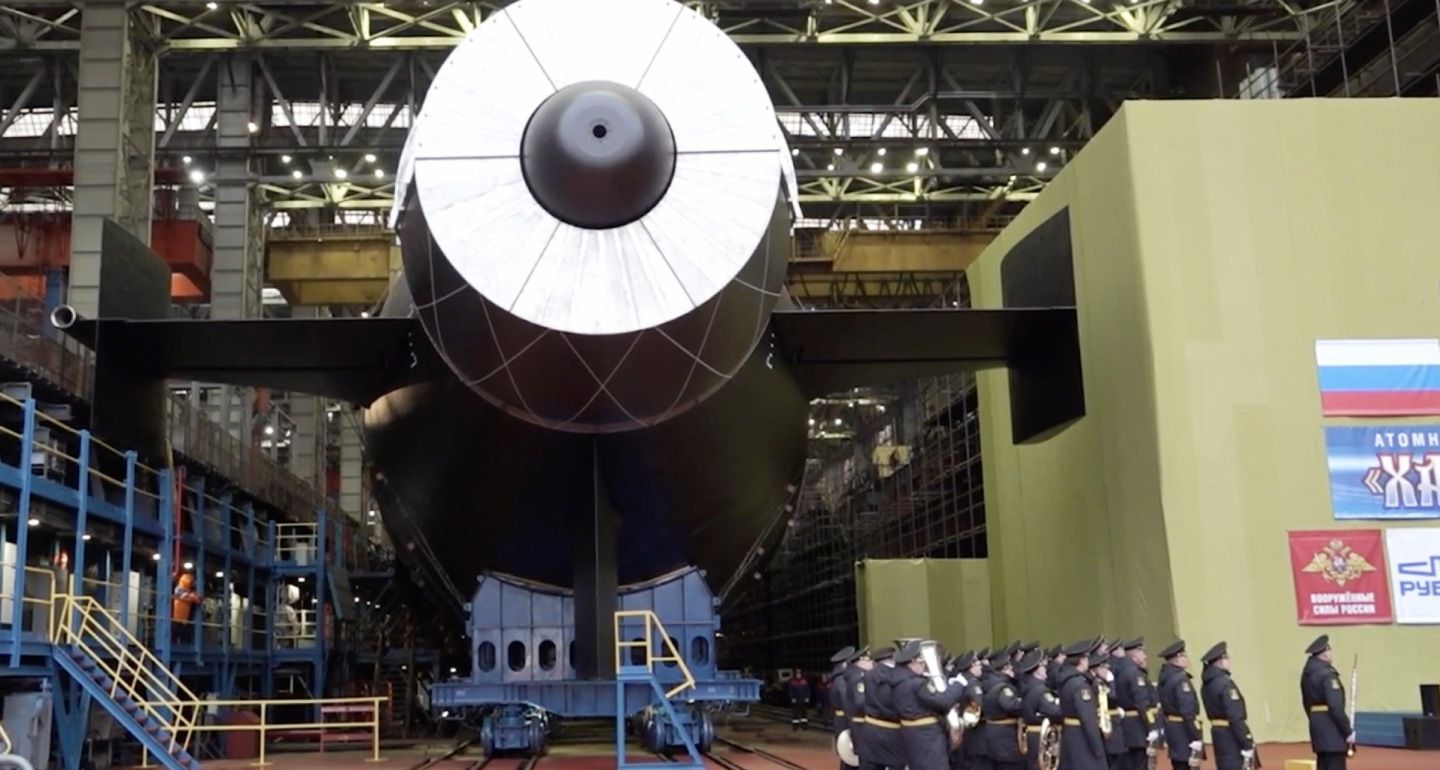
The Kremlin will only be prepared to negotiate strategic arms limitations if it is confident it can secure significant concessions from the United States. Otherwise, meaningful dialogue is unlikely, and the international system of strategic stability will continue to teeter on the brink of total collapse.

Maxim Starchak