

Commentary
Geological complexity and years of mismanagement mean the Venezuelan oil industry is not the big prize officials in Moscow and Washington appear to believe.
Sergey Vakulenko
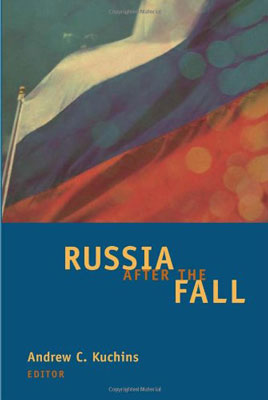
Internationally renowned experts provide retrospective analyses of how Russia has fared in its post-1991 reform efforts and a prospective look at the challenges ahead.
Source: Washington

Russia after the Fall examines Russian politics, economics, society, and foreign and security policy. Internationally renowned experts provide retrospective analyses of how Russia has fared in its reform efforts and a prospective look at the challenges ahead. This book will be of interest to scholars, students, and a general audience seeking to better understand where Russia has been and where it is going.
About the Editor
Andrew C. Kuchins was director of the Carnegie Moscow Center, where he conducted research on Russian foreign and security policy. He is a member of the governing council of the Program on Basic Research and Higher Education in Russia, the advisory committee of Washington Profile, and the editorial board of the journal, Demokratizatsiya.
"An important and constructive contribution to our understanding of what has happened in Russia, what is likely to happen next, and to what extent can it be influenced by Western policy."
—Strobe Talbott, president, The Brookings Institution
"Each chapter is written by a leading expert at the top of his or her game which makes the book of interest to specialist and non-specialist alike."
—Blair A. Ruble, Woodrow Wilson Center
"...a top-drawer collection of essays on the vicissitudes of contemporary Russia, strong on politics, economics, and foreign policy."
—Stephen Kotkin, Princeton University
Carnegie does not take institutional positions on public policy issues; the views represented herein are those of the author(s) and do not necessarily reflect the views of Carnegie, its staff, or its trustees.
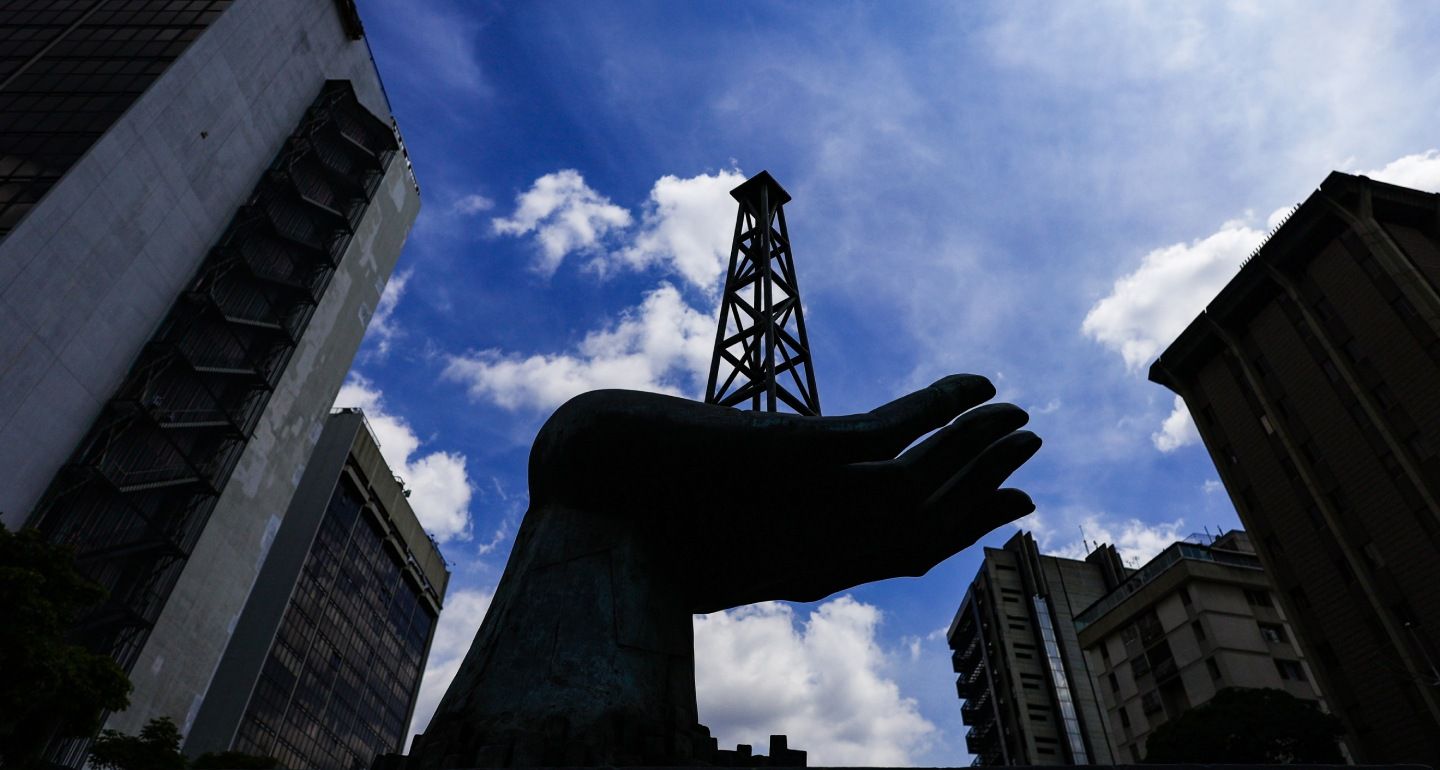
Geological complexity and years of mismanagement mean the Venezuelan oil industry is not the big prize officials in Moscow and Washington appear to believe.

Sergey Vakulenko
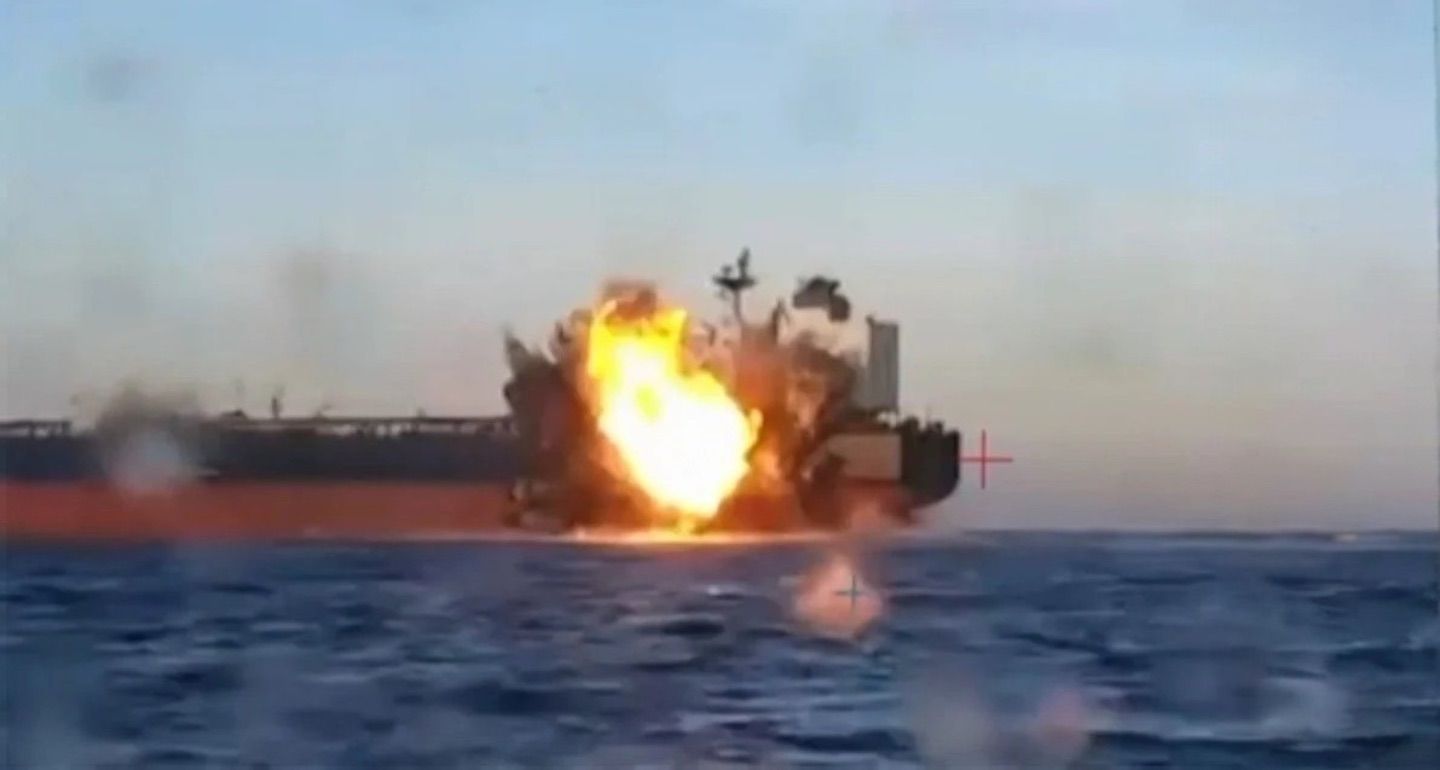
Inflicting damage on oil infrastructure in Russia that is used by Kazakhstan and a whole series of Western oil majors risks backfiring on Kyiv.
Sergey Vakulenko
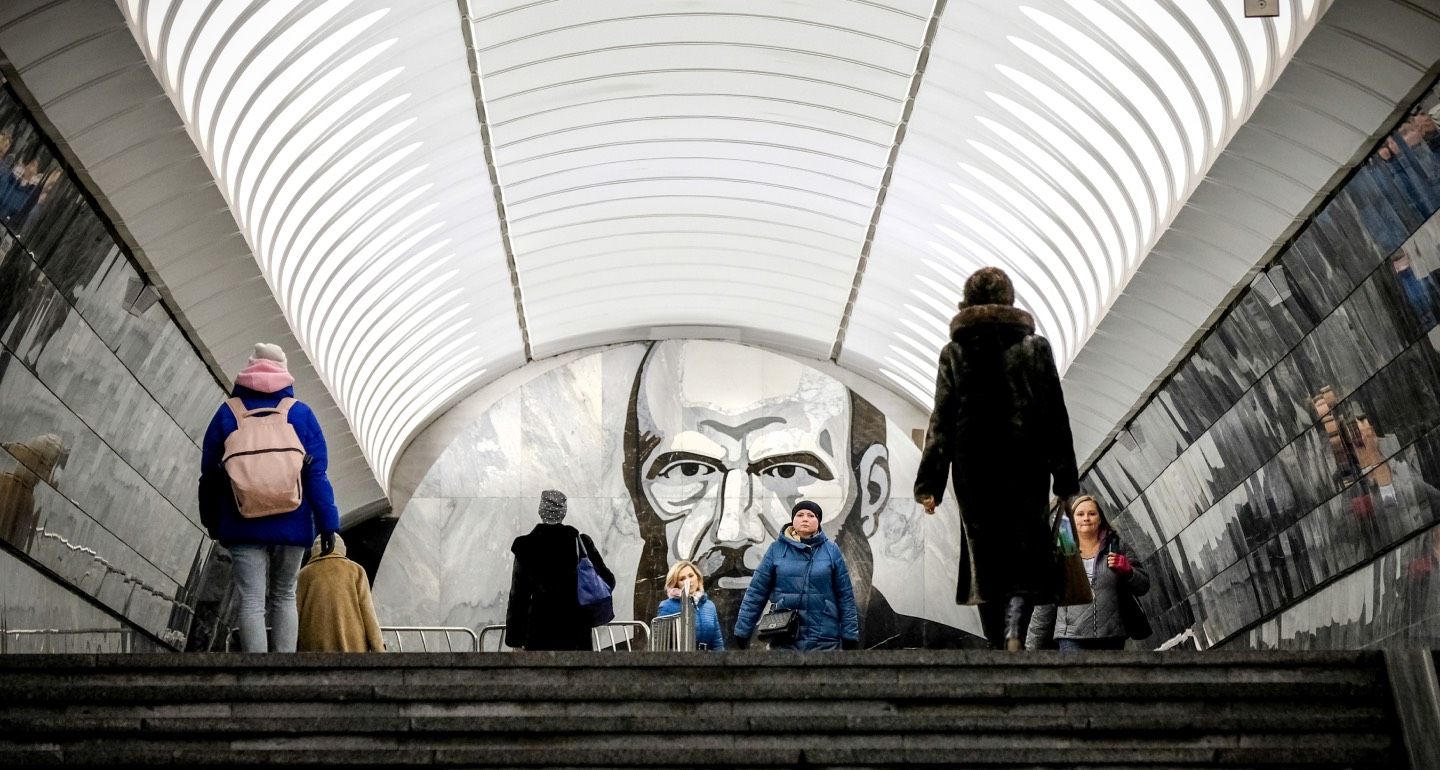
The volume of frozen private assets might seem insignificant compared with Russia’s sovereign reserves, but these are the savings of millions of people who believed that foreign securities were a safe investment and in the institution of private property.
Yulia Starostina
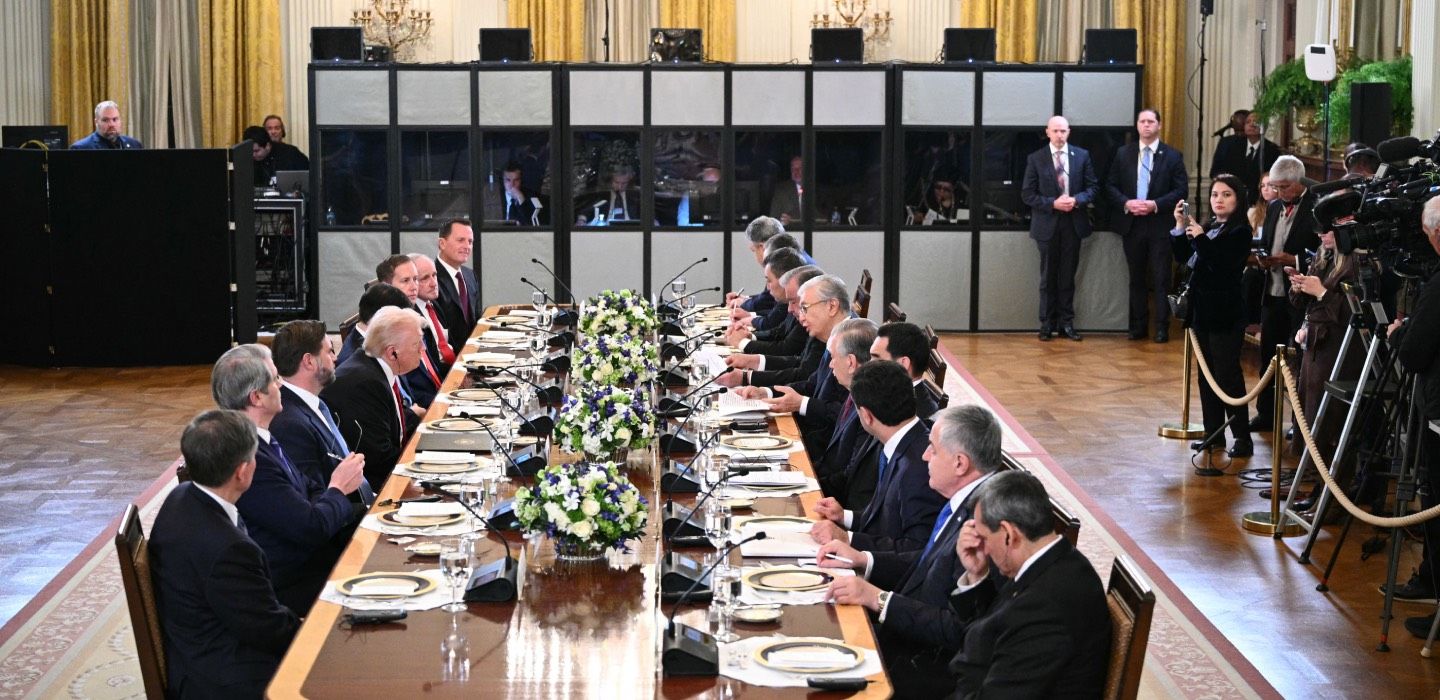
Central Asia’s warmer ties with the United States could force the region to face a difficult choice between incurring the wrath of its traditional allies Russia and China, and disappointing Trump and becoming even more dependent on Moscow and Beijing.
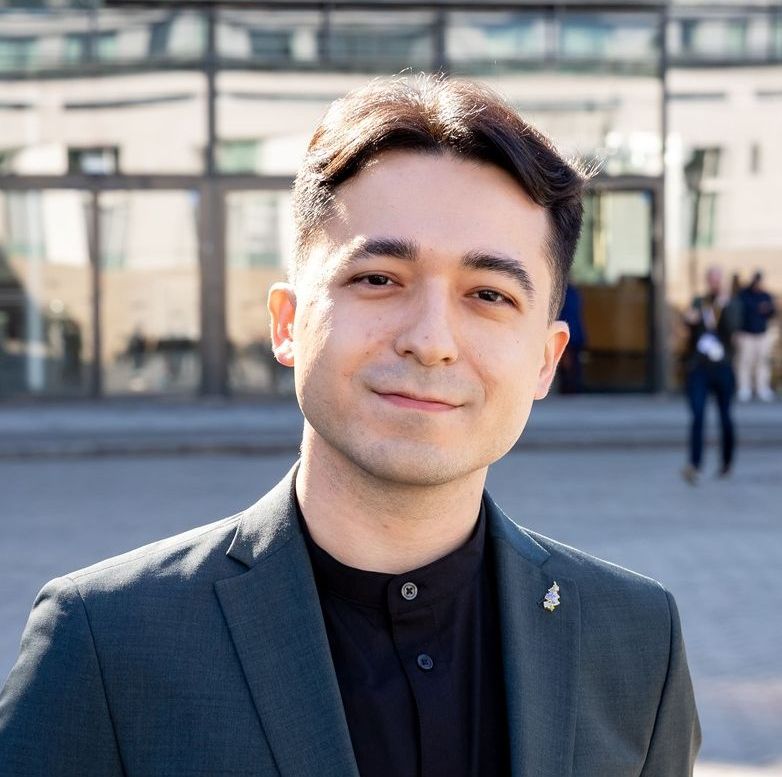
Temur Umarov
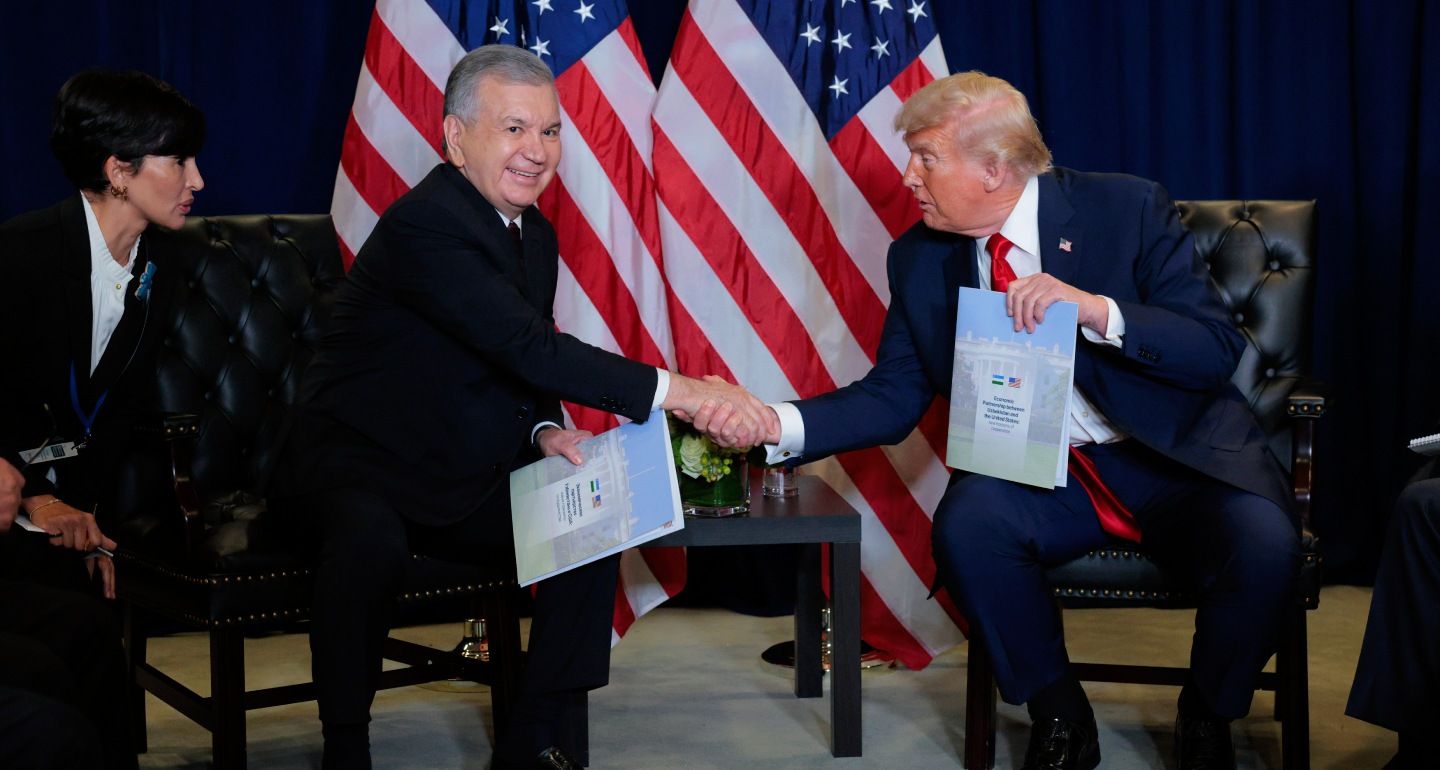
The current U.S. administration is the easiest one so far for Central Asia to work with. Business interests can be used to attract Washington’s attention, and there is no longer any need for demonstrative distancing from Russia or commitment to democratic reforms.
Temur Umarov