

Commentary
The story of a has-been politician apparently caught red-handed is intersecting with the larger forces at work in the Ukrainian parliament.
Konstantin Skorkin
Source: Getty
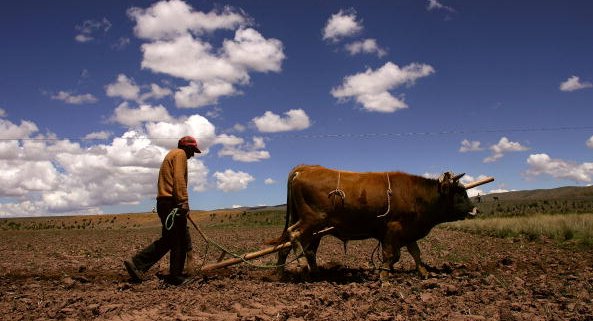
Bolivia has embarked on a democratic experiment which differs in significant ways from Western liberal models. While this poses a challenge to traditional democracy promotion efforts, external actors still have the potential to play a constructive role in the country.
Bolivia offers a critical, but atypical, case for international democracy promotion. The ongoing political transformation initiated by President Evo Morales constitutes one of the few experiences in the world of a serious effort to build a democracy different from the existing Western liberal models. And this presents a significant challenge to democracy promotion efforts.
The United States and Germany—two main external actors in Bolivia—have been compelled to react to this challenge. In the case of the United States, an initial phase of wait-and-see escalated in 2008 into an open crisis in bilateral relations. Attempts to adjust U.S. democracy assistance to the evolving political situation in Bolivia failed and by the end of 2009 USAID’s democracy program was closed on demand of the Bolivian government. The German government, on the other hand, explicitly supported the political changes initiated by Morales. Bilateral relations between Bolivia and Germany are characterized by general continuity and in terms of democracy assistance Germany largely adjusted its programs to the preferences of the new Bolivian government.
Carnegie does not take institutional positions on public policy issues; the views represented herein are those of the author(s) and do not necessarily reflect the views of Carnegie, its staff, or its trustees.
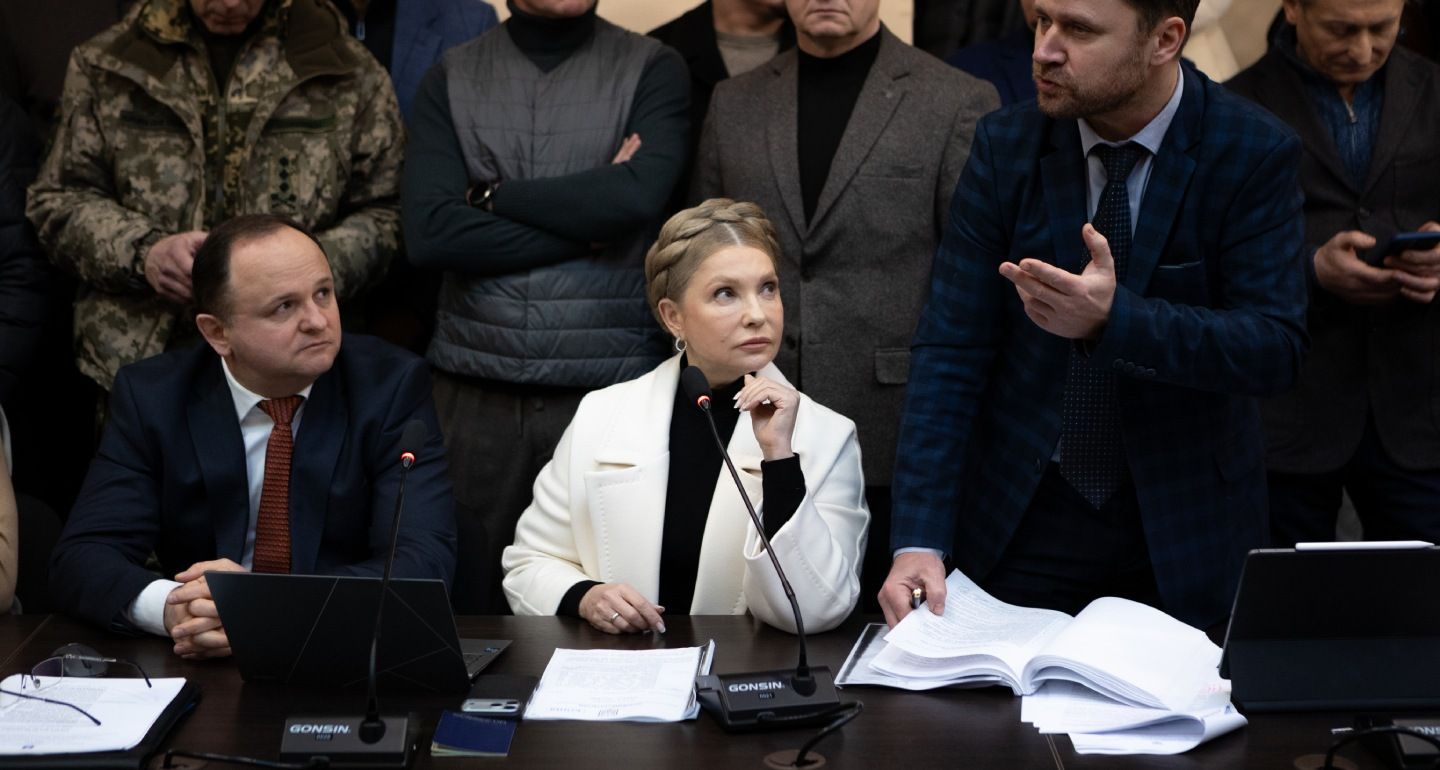
The story of a has-been politician apparently caught red-handed is intersecting with the larger forces at work in the Ukrainian parliament.

Konstantin Skorkin
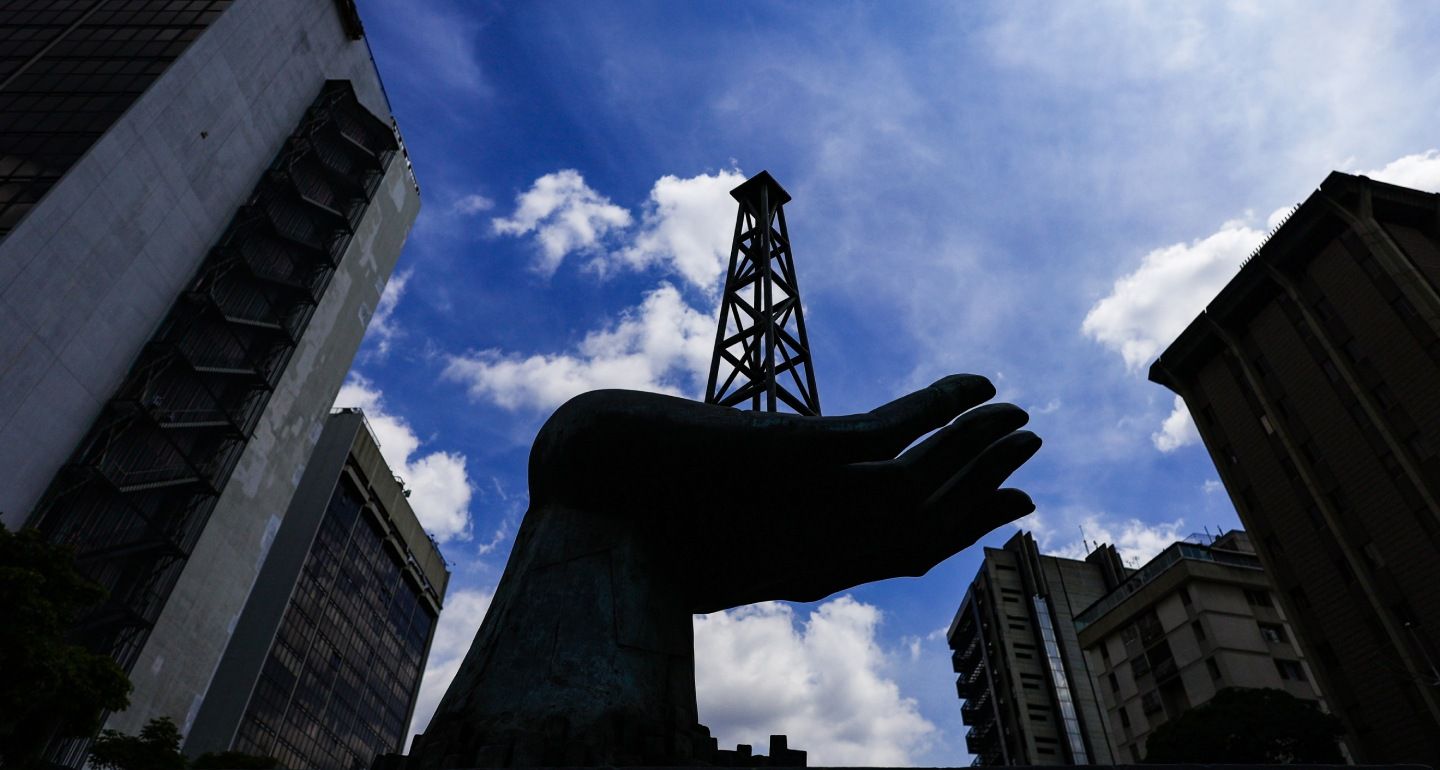
Geological complexity and years of mismanagement mean the Venezuelan oil industry is not the big prize officials in Moscow and Washington appear to believe.
Sergey Vakulenko
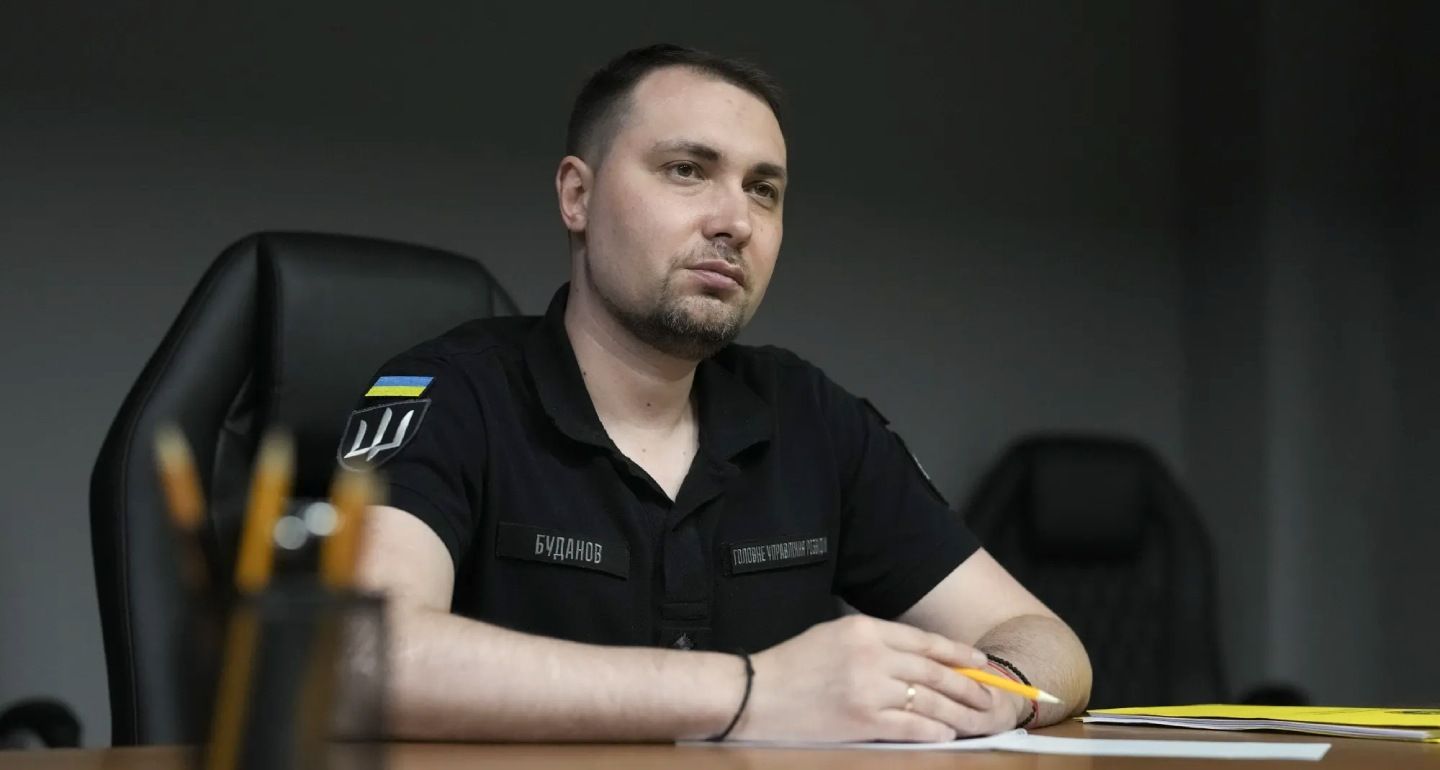
While appointing Kyrylo Budanov will help shore up Zelensky’s political authority and balance the president’s inner circle, the spy chief’s political ambitions mean he could be a threat.
Konstantin Skorkin
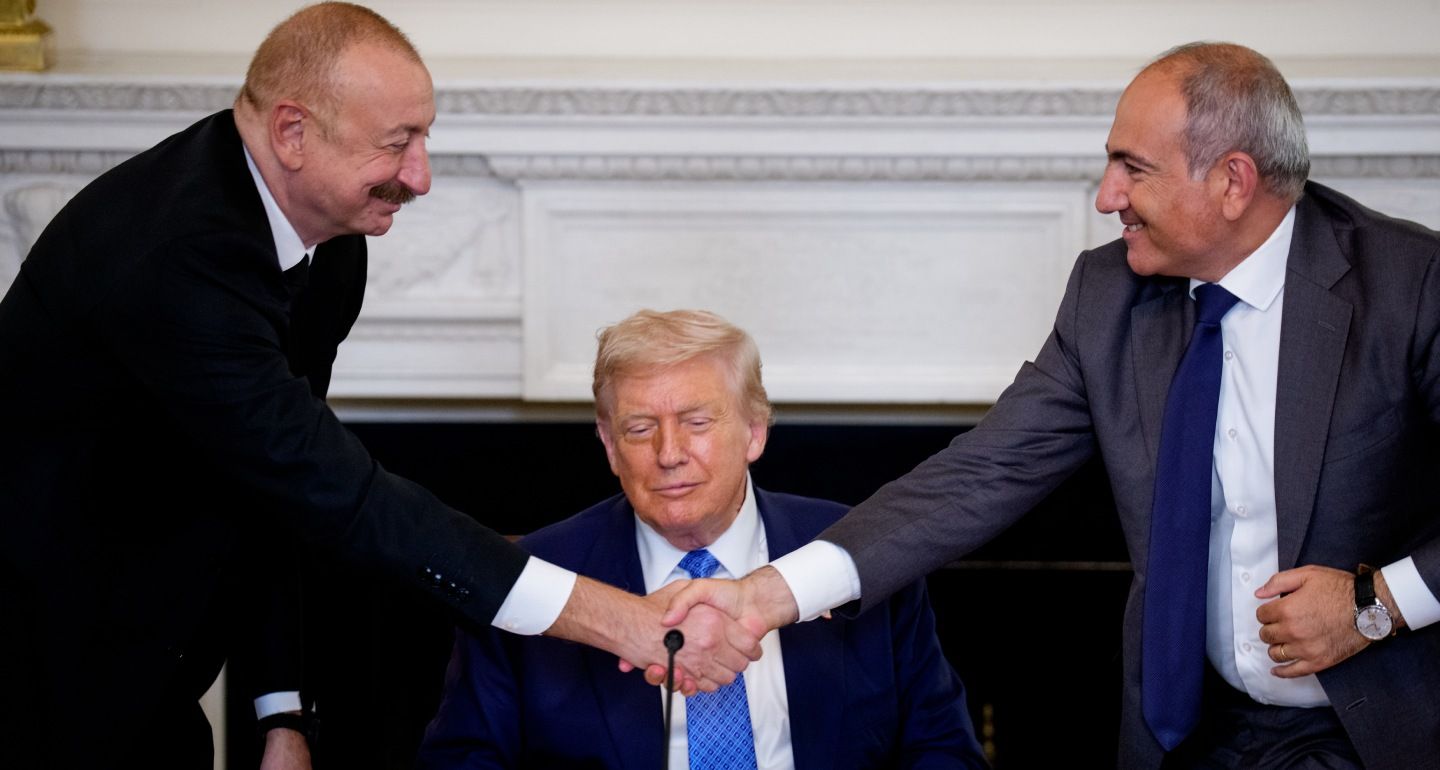
While signaling internationally that it wants peace, the Azerbaijani regime continues to promote anti-Armenian sentiment at home to mobilize domestic support.
Bashir Kitachaev

In an attempt to stop Ukrainian drones from reaching their targets, the Russian authorities have significantly ramped up online repression.

Maria Kolomychenko