

Commentary
The supposed threats from China and Russia pose far less of a danger to both Greenland and the Arctic than the prospect of an unscrupulous takeover of the island.
Andrei Dagaev
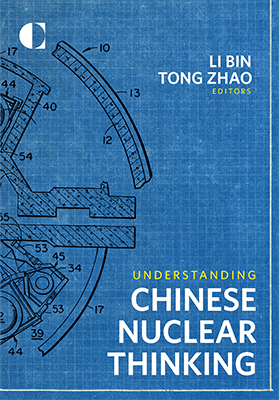
Critical differences between Chinese and U.S. thinking about nuclear weapons and deterrence result not merely from differing security environments and levels of military strength; they also exist because China and the United States have developed their own nuclear philosophies in implementing their security policies over many years.
Chinese and U.S. nuclear experts communicate regularly, but these exchanges often remain difficult and inefficient. Critical differences between Chinese and U.S. thinking about nuclear weapons and deterrence result not merely from differing security environments and levels of military strength; they also exist because China and the United States have developed their own nuclear philosophies in implementing their security policies over many years. A deeper understanding of these differences sheds light on the fundamental drivers of China’s nuclear policies and how such policies may evolve in the future.
China’s no-first-use policy for its nuclear weapons still serves its national security interests. Notwithstanding recent debates, the policy continues to effectively guide China’s nuclear-weapon development and operations, and its nuclear-arms-control diplomacy.
Chinese experts weigh both technical and political factors in their calculation of strategic stability. They especially worry about instability caused by technical lagging. To reduce the danger of nuclear war, Chinese analysts favor the maintenance of an effective firebreak between nuclear weapons and conventional conflict.
China views nuclear proliferation and nuclear terrorism as growing national security challenges. Beijing emphasizes the importance of addressing the root causes of proliferation and supports greater international cooperative efforts to mitigate these risks.
China has made its nuclear policy and practices more transparent in recent years. But such transparency needs to be organized more systematically to make U.S.-China nuclear dialogue more effective.
Other countries’ nuclear-weapon strategies are increasingly influencing traditional Chinese nuclear thinking and nuclear-weapon policy. Consequently, growing debates in China about its nuclear-weapon policy could result in some deployments of new Chinese weapons, as seen in other nuclear-armed states.
Carnegie does not take institutional positions on public policy issues; the views represented herein are those of the author(s) and do not necessarily reflect the views of Carnegie, its staff, or its trustees.

The supposed threats from China and Russia pose far less of a danger to both Greenland and the Arctic than the prospect of an unscrupulous takeover of the island.

Andrei Dagaev

Western negotiators often believe territory is just a bargaining chip when it comes to peace in Ukraine, but Putin is obsessed with empire-building.

Andrey Pertsev
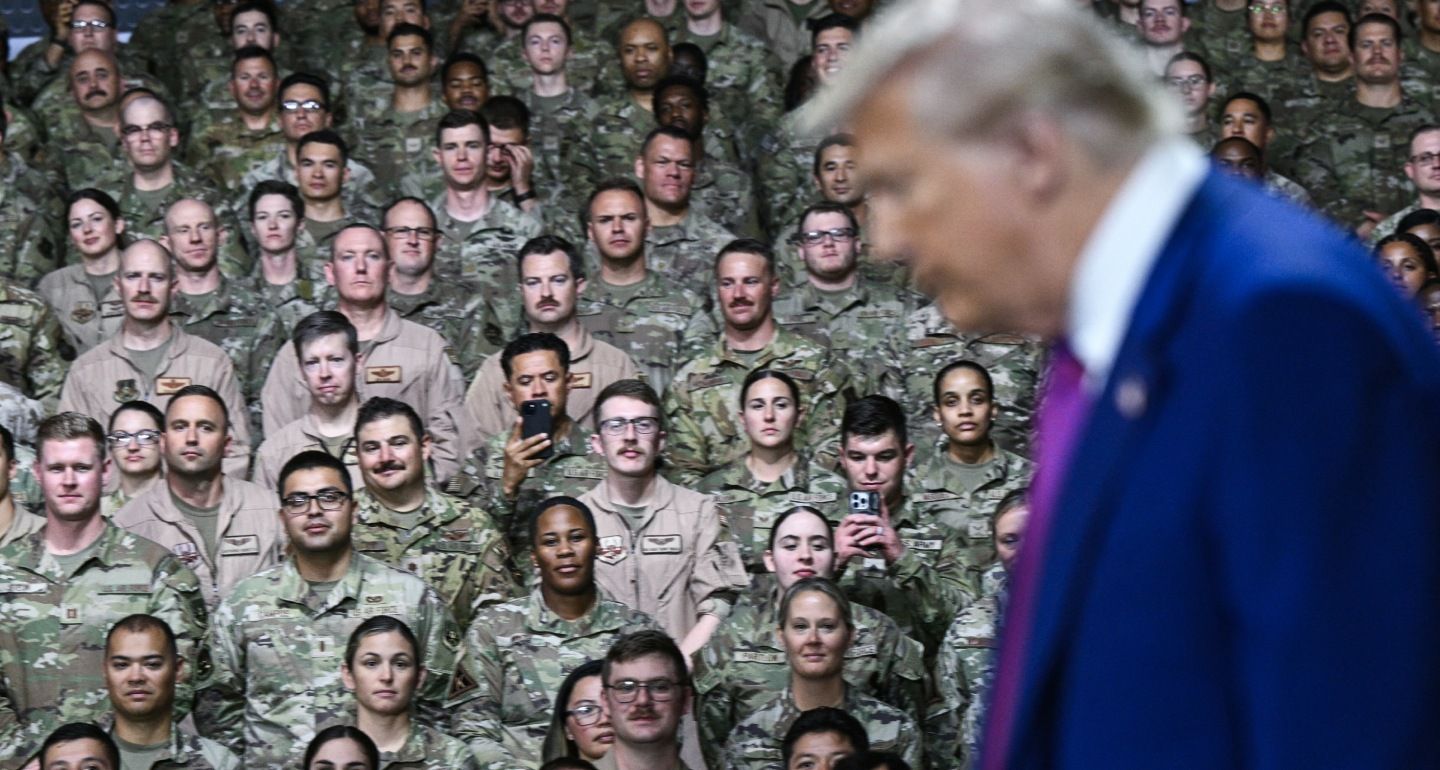
Unexpectedly, Trump’s America appears to have replaced Putin’s Russia’s as the world’s biggest disruptor.

Alexander Baunov

Baku may allow radical nationalists to publicly discuss “reunification” with Azeri Iranians, but the president and key officials prefer not to comment publicly on the protests in Iran.

Bashir Kitachaev
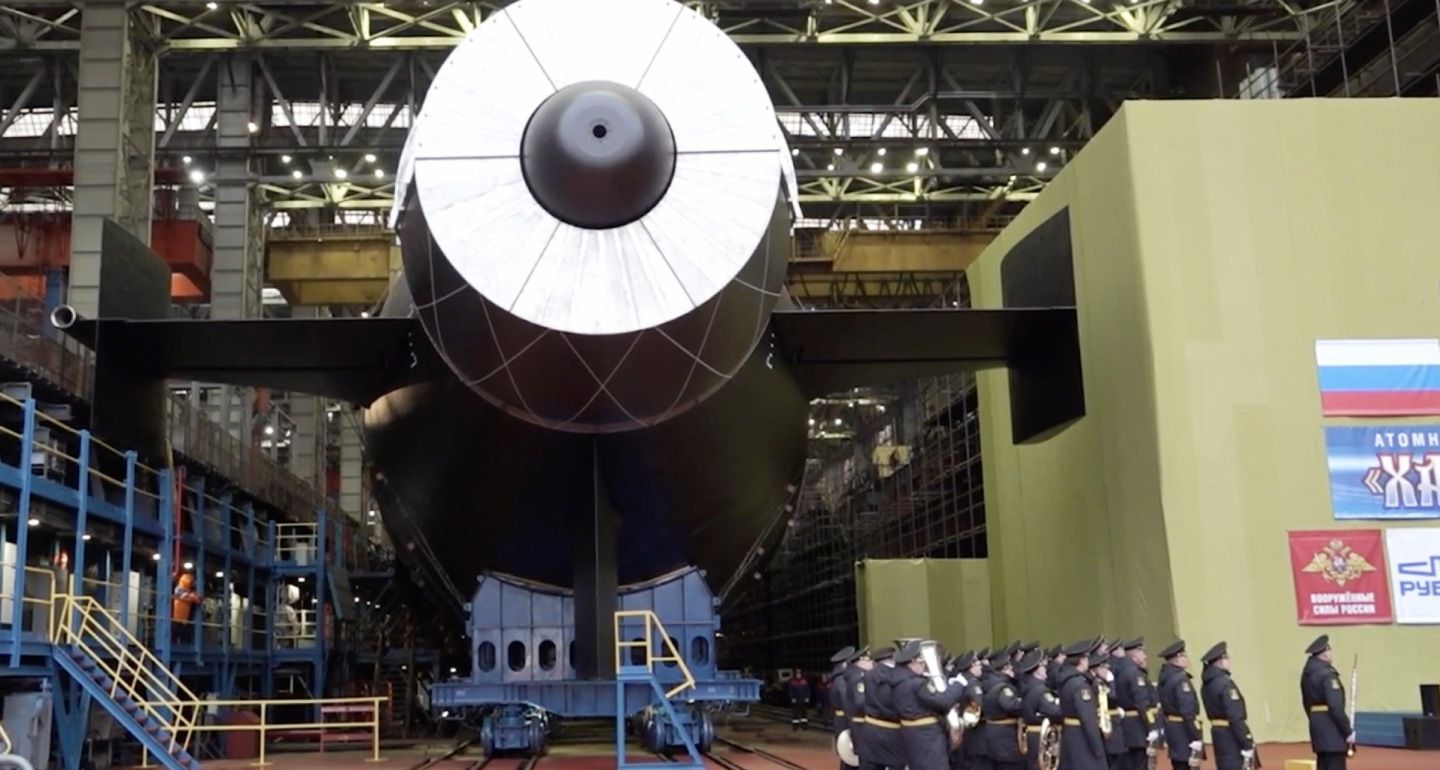
The Kremlin will only be prepared to negotiate strategic arms limitations if it is confident it can secure significant concessions from the United States. Otherwise, meaningful dialogue is unlikely, and the international system of strategic stability will continue to teeter on the brink of total collapse.

Maxim Starchak