

{
  "authors": [
    "David Rothkopf",
    "Nicholas Burns",
    "Thomas Friedman",
    "Moisés Naím"
  ],
  "type": "event",
  "centerAffiliationAll": "",
  "centers": [
    "Carnegie Endowment for International Peace"
  ],
  "collections": [],
  "englishNewsletterAll": "",
  "nonEnglishNewsletterAll": "",
  "primaryCenter": "Carnegie Endowment for International Peace",
  "programAffiliation": "",
  "programs": [],
  "projects": [],
  "regions": [
    "North America",
    "United States"
  ],
  "topics": [
    "Security",
    "Military",
    "Foreign Policy"
  ]
}
Foreign Policy in the Age of Ambiguity: How the Future Will Differ From the Past
Tue, May 10th, 2005
Washington, D.C.
IMGXYZ388IMGZYXCarnegie hosted a roundtable event and panel discussion on the lessons offered by past experiences in the management of America 's global interests. The session examined whether the current organization of U.S. foreign policy around the War on Terror and democracy promotion is sustainable or whether a new set of concerns should be considered.
Panelists also looked at whether new international arrangements and reforms to existing international institutions are required and considered domestic factors that may drive future choices. Does the new environment mirror the Cold War in the apparent dichotomy between U.S. and anti-U.S. interests? Or are we entering an era in which it will be increasingly difficult to distinguish between allies and adversaries?
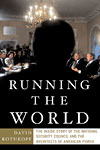
This panel discussion launched David Rothkopf's new book, Running the World: The Inside Story of the National Security Council and the Architects of American Power.
David Rothkopf, led the discussion, joined by Ambassador Nicholas Burns, undersecretary of state for political affairs; Thomas Friedman, New York Times columnist and author of The World is Flat: A Brief History of the 21st Century; and Moises Naim, editor and publisher of Foreign Policy.
Carnegie does not take institutional positions on public policy issues; the views represented herein are those of the author(s) and do not necessarily reflect the views of Carnegie, its staff, or its trustees.
Event Speakers
Former Visiting Scholar
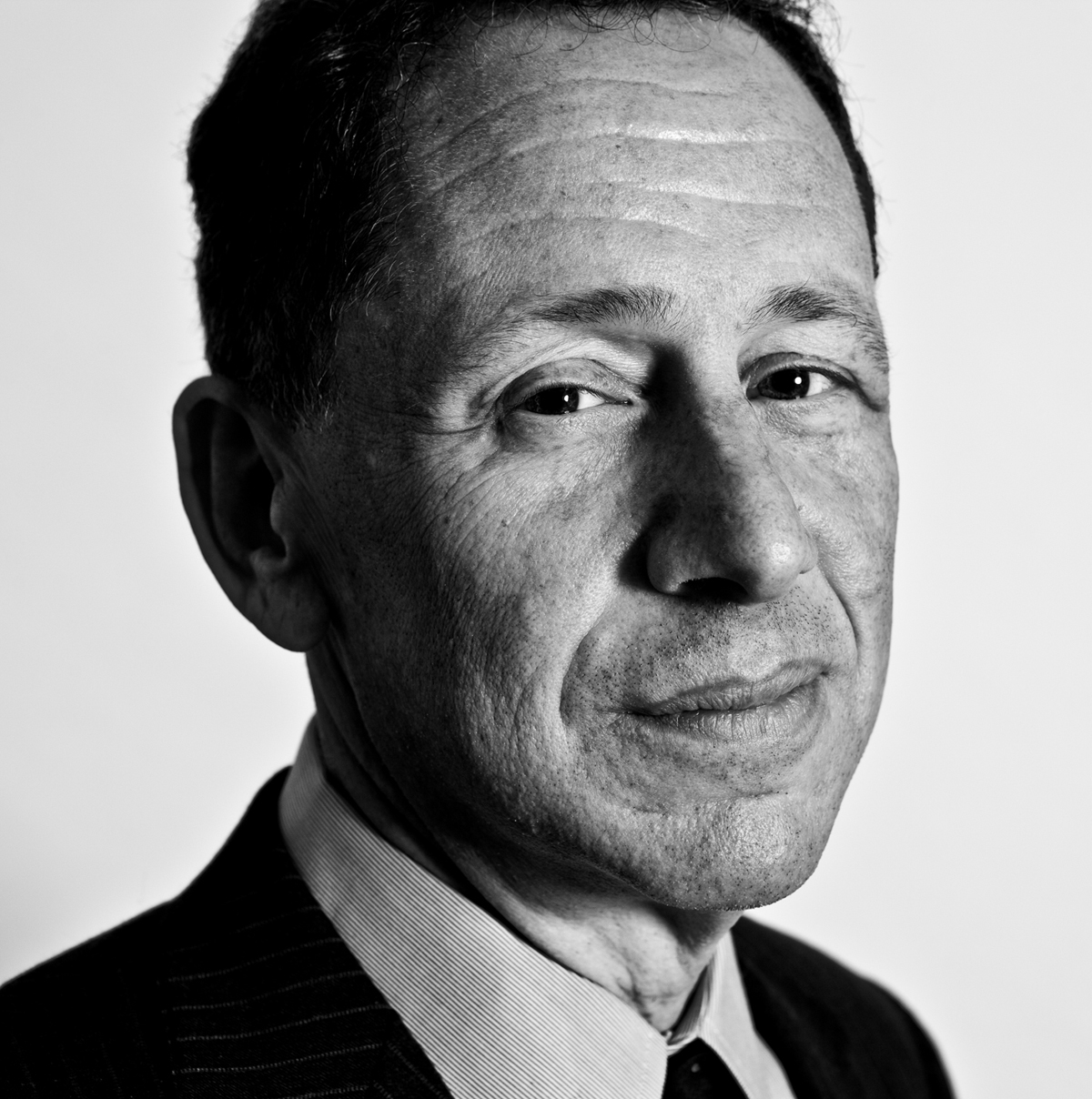
David Rothkopf was a visiting scholar at the Carnegie Endowment as well as the former CEO and editor in chief of the FP Group.
Nicholas Burns
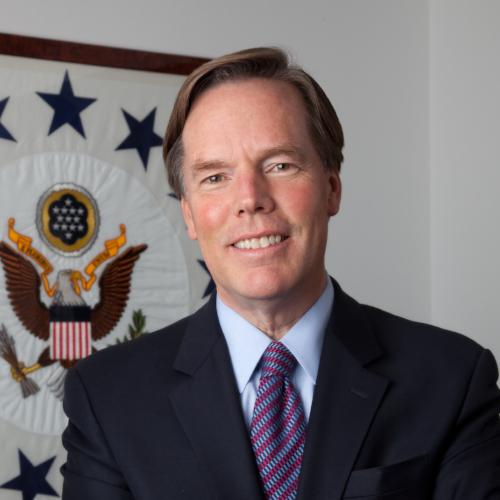
Nicholas Burns is the former Ambassador to NATO. Ambassador Burns is currently the Roy and Barbara Goodman Family Professor of the Practice of Diplomacy and International Relations at the Harvard Kennedy School.
Thomas Friedman
Thomas L. Friedman is an internationally renowned author, reporter, and New York Times columnist. He has received the Pulitzer Price three times.
Distinguished Fellow

Moisés Naím is a distinguished fellow at the Carnegie Endowment for International Peace, a best-selling author, and an internationally syndicated columnist.