

{
  "authors": [
    "Pierre Goldschmidt",
    "George Perkovich"
  ],
  "type": "event",
  "centerAffiliationAll": "dc",
  "centers": [
    "Carnegie Endowment for International Peace"
  ],
  "collections": [],
  "englishNewsletterAll": "ctw",
  "nonEnglishNewsletterAll": "",
  "primaryCenter": "Carnegie Endowment for International Peace",
  "programAffiliation": "NPP",
  "programs": [
    "Nuclear Policy"
  ],
  "projects": [],
  "regions": [
    "Middle East",
    "Iran"
  ],
  "topics": [
    "Nuclear Policy",
    "Nuclear Energy"
  ]
}
REQUIRED IMAGE
Iran: Next Steps for UN Security Council
Wed, January 18th, 2006
Washington, D.C.
The Iran nuclear story is moving fast, and an emergency meeting is scheduled for February 2, 2006, by the Governing Board of the International Atomic Energy Agency (IAEA) to discuss whether Iran should be referred to the United Nations (UN) Security Council.
On January 18, 2006, the Carnegie Endowment for International Peace held an on-site and phone in press conference where nonproliferation experts Pierre Goldschmidt and George Perkovich discussed the next steps in the Iran nuclear story and options for the UN Security Council, if Iran is reported.
Pierre Goldschmidt retired this June as Deputy Director General and Head of the Department of Safeguards at the IAEA. As a Visiting Scholar with the Carnegie Endowment, Goldschmidt has written several analytical papers proposing constructive and pragmatic solutions to address the weaknesses of the nonproliferation regime.
George Perkovich, vice president for studies at the Carnegie Endowment, has written extensively on and traveled to Iran.
Carnegie India does not take institutional positions on public policy issues; the views represented herein are those of the author(s) and do not necessarily reflect the views of Carnegie, its staff, or its trustees.
Event Speakers
Former Nonresident Senior Associate, Nuclear Policy Program
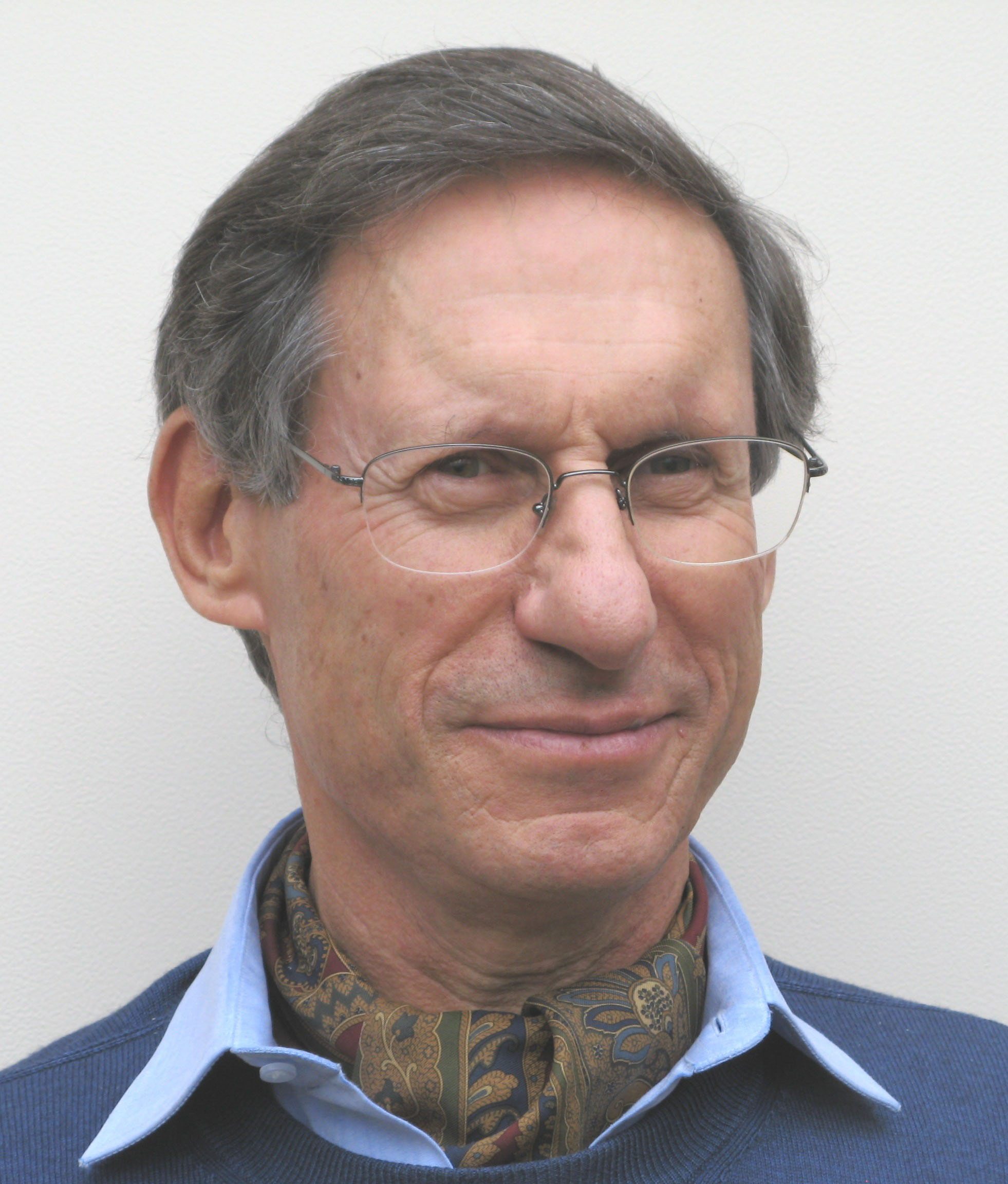
Goldschmidt was a nonresident senior associate at the Carnegie Endowment.
Japan Chair for a World Without Nuclear Weapons, Senior Fellow

George Perkovich is the Japan Chair for a World Without Nuclear Weapons and a senior fellow in the Carnegie Endowment for International Peace’s Nuclear Policy Program. He works primarily on nuclear deterrence, nonproliferation, and disarmament issues, and is leading a study on nuclear signaling in the 21st century.